
Hydrofracturing Well Services in Beaumont, CA
Is your well in Beaumont producing less water than it used to? Hydrofracturing (also called hydrofracking) could be the solution to restore and even improve your well's water production without the expense of drilling a new well.
📋 In This Guide
- What is Hydrofracturing?
- Signs Your Beaumont Well Needs Hydrofracturing
- The Hydrofracturing Process
- Cost vs. New Well Drilling in Beaumont
- Why Choose SCWS for Hydrofracturing?
- Related Articles
Southern California Well Service provides professional hydrofracturing services throughout Riverside County to help homeowners and property owners increase their well yield.
What is Hydrofracturing?
Hydrofracturing is a well rehabilitation technique that uses high-pressure water to clean and expand existing fractures in the bedrock surrounding your well. This process:
- Clears mineral deposits and sediment blocking water flow
- Opens new pathways for groundwater to reach your well
- Can increase well yield by 2-10 times in many cases
- Extends the life of your existing well
Unlike oil and gas fracking, well hydrofracturing uses only clean water—no chemicals are involved.
Signs Your Beaumont Well Needs Hydrofracturing
- Declining water production over time
- Well runs dry during peak usage
- Slow recovery rate after pumping
- Pump cycling on and off frequently
- Lower water pressure than previous years
The Hydrofracturing Process
- Initial Assessment: We evaluate your well's current yield and condition
- Equipment Setup: Specialized high-pressure equipment is positioned at your well
- Isolation: Packers seal off sections of the well for targeted treatment
- Pressurization: Water is pumped at 500-3,000 PSI to fracture bedrock
- Development: Well is cleaned and tested for improved yield
Cost vs. New Well Drilling in Beaumont
In Beaumont, drilling a new well can cost $15,000-$50,000+ depending on depth. Hydrofracturing typically costs a fraction of that—often $3,000-$8,000—making it an excellent first option before considering a new well.
Many Beaumont wells that appear to be "going dry" can be successfully rehabilitated through hydrofracturing, saving homeowners tens of thousands of dollars.
Why Choose SCWS for Hydrofracturing?
- Founded 2020 · 60+ Years Family Heritage: We've rehabilitated thousands of wells across Southern California
- Licensed C-57 Contractor. CSLB License #1086994. Fully licensed for well drilling and service in California
- Specialized Equipment: Professional-grade hydrofracturing equipment
- Free Estimates: We'll assess your well and provide honest recommendations
Need Help With Your Well in Beaumont?
Our expert technicians serve Beaumont and all of Riverside County with professional well services.
Related Articles
Continue learning about well maintenance and troubleshooting

Signs Your Well Pump Is Failing
Catch pump problems early before you lose water completely.
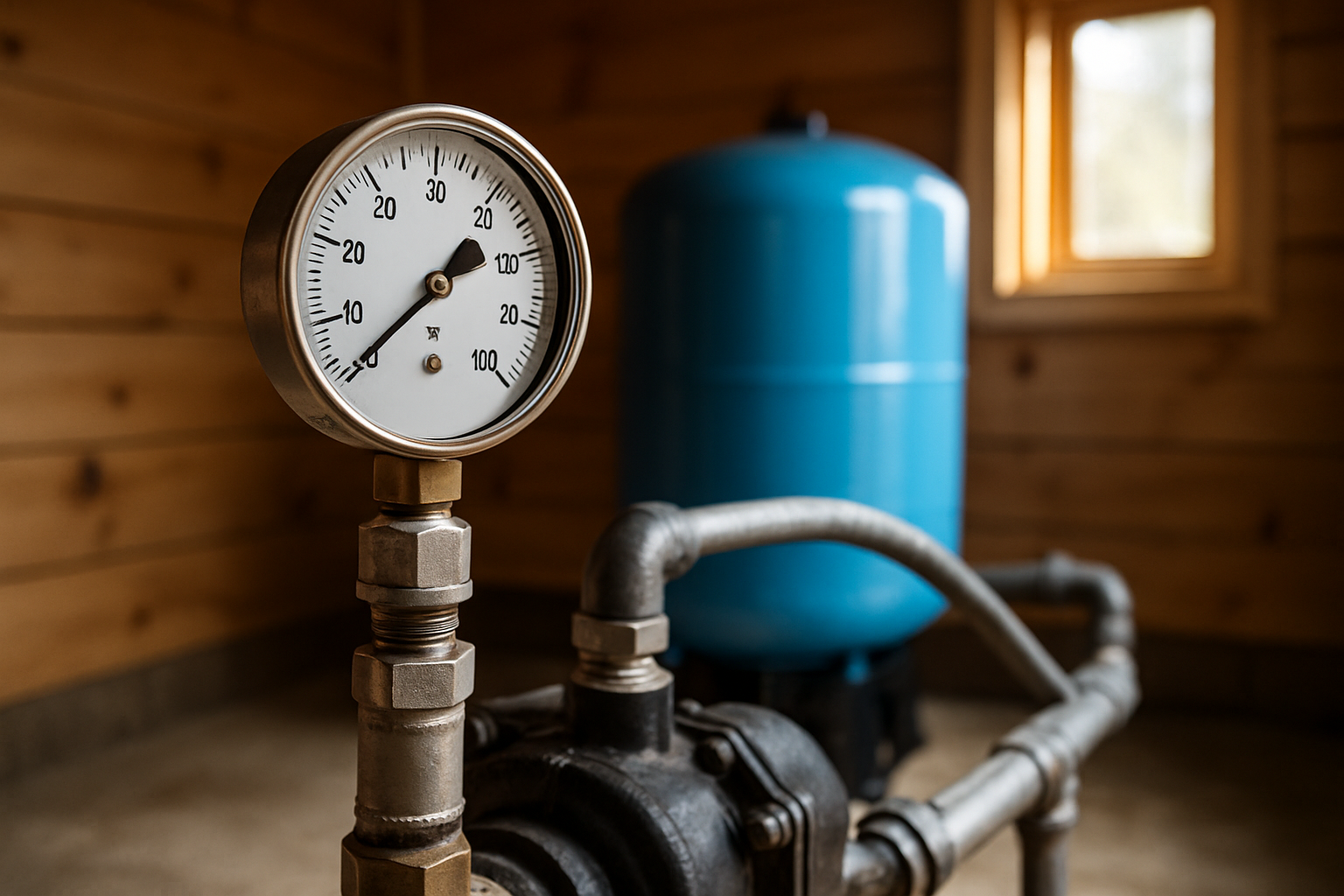
Low Water Pressure From Well
Diagnose and fix pressure problems before they get worse.
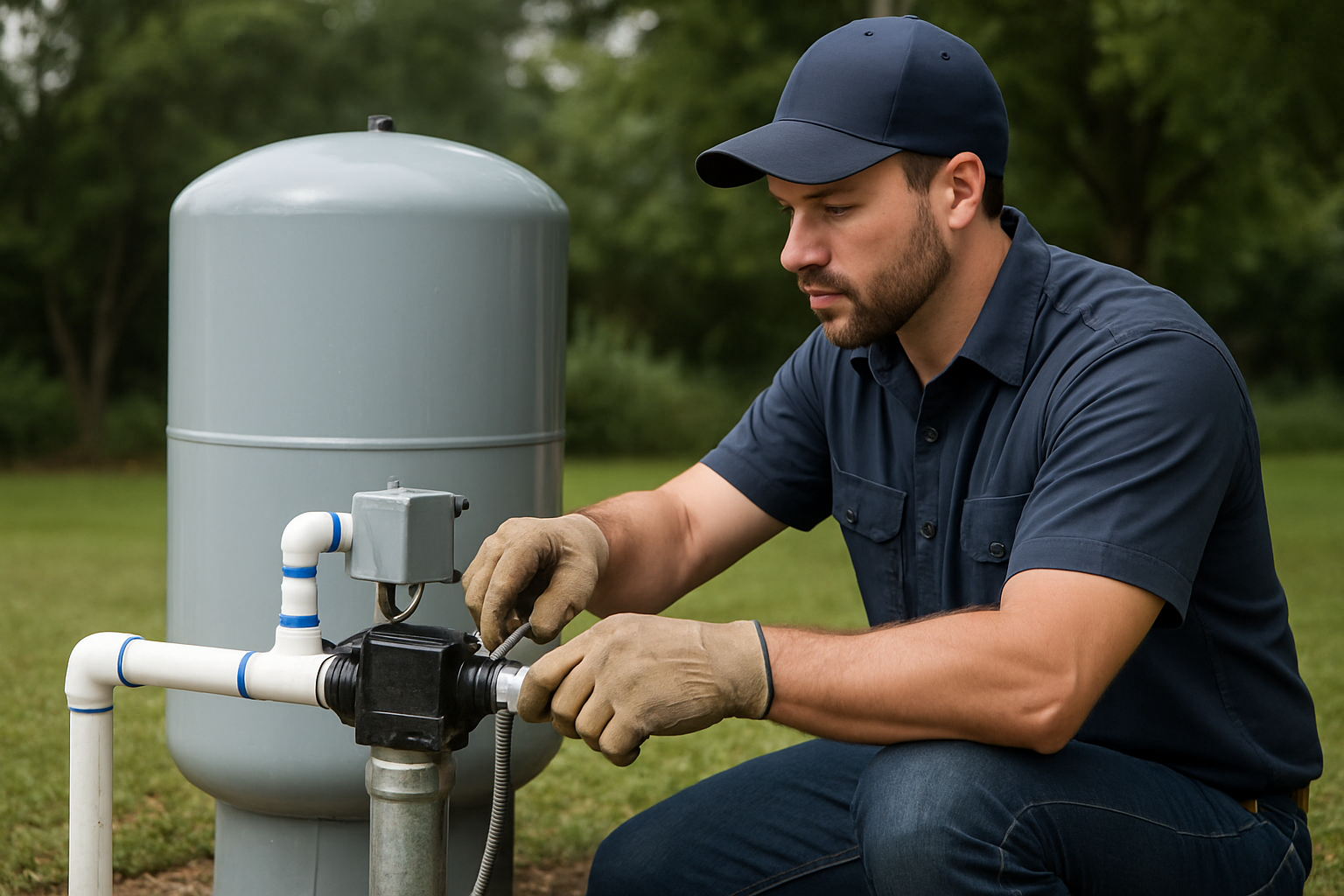
Well Maintenance Guide
Keep your well running smoothly with regular maintenance.
Our Locations
1077 Main St, Ramona, CA 92065
57174 CA-371 (US Hwy 79), Anza, CA 92539
Hydrofracturing Around Beaumont: An Honest Assessment
Beaumont sits at the western end of the San Gorgonio Pass in Riverside County, around 2,600 feet, on a broad upland plain between the San Bernardino and San Jacinto Mountains, with Cherry Valley, Calimesa, and Oak Valley nearby. The Beaumont area is known for a relatively productive alluvial groundwater basin, and that geology shapes the honest answer to whether hydrofracturing will help your well. Wells finished in the deep alluvial sand and gravel of the basin floor are generally not fracturing candidates, because that material already transmits water freely and has no fracture network to open. Wells on the rising foothill ground toward the surrounding mountains, where the formation becomes fractured bedrock, are a different matter and can respond well. The first thing we do on any Beaumont-area property is determine which kind of well you have, because it changes everything that follows.
Basin Wells Versus Foothill Bedrock Wells
A well drilled into the Beaumont basin's alluvium draws water from the pore spaces between grains of sand and gravel. That formation moves water freely on its own, so high-pressure injection has little to fracture and the loose material can slough back into the borehole. For true basin wells, we usually advise that fracturing is not the right tool. A well drilled into the granitic and metamorphic bedrock of the mountain front, on the higher ground toward Cherry Valley or the ranges, depends entirely on its fracture network for flow, and widening and connecting those fractures with high-pressure water can multiply yield. If your well is several hundred feet into rock on the foothill benches, it may be a strong candidate; if it is a basin-floor well, it likely is not, and we will tell you so directly rather than sell you a treatment that cannot help.
Signs Worth Investigating
- Declining production over several years from a well you know is finished in rock
- Slow recovery after heavy household or irrigation use
- Seasonal shortages that deepen through the dry months and ease after winter
- A newer bedrock well that never produced the flow the driller expected
- A pump that short-cycles or pulls the water level down to the intake
For any of these, our first step is to confirm the formation is the real limit and rule out equipment. A worn pump, a waterlogged pressure tank, or a clogged screen can all imitate low yield, and eliminating those inexpensive issues comes before any major work.
How the Process Works on a Qualifying Well
On a bedrock well that qualifies, we begin with a baseline flow test to document current yield, then run a camera survey to assess casing condition and locate productive fracture zones. An inflatable packer isolates a section of the open borehole, and we inject clean water at pressures typically between 1,000 and 3,000 PSI to clean and extend the fractures. We commonly treat several zones, then develop the well to flush loosened sediment and run a post-treatment flow test to measure the gain. The work usually takes a single day. We use only clean water, never chemicals, so your drinking water is never at risk.
What to Check Before You Call
A little history helps us help you quickly. Try to learn whether your well is in basin alluvium or foothill rock, since that largely determines whether fracturing applies; a well log usually says, and we can confirm with a camera. Note whether your shortage is seasonal, which points to a yield limit rather than equipment. Watch the pressure gauge for rapid cycling, a sign of a waterlogged tank, and listen for a pump that runs long then loses prime, a classic low-yield symptom. The more of this you can share, the faster and more accurately we can advise you.
Realistic Results and Cost
Where a Beaumont-area well is genuinely set in fractured rock, hydrofracturing improves yield in roughly 70 to 80 percent of cases, typically two to five times the prior flow. A new well in this area runs about $18,000 to $42,000 turnkey, while fracturing a suitable existing well usually costs $3,000 to $8,000, with a $125 diagnostic credited toward the job. For a bedrock well that has lost yield, fracturing is the sensible first step before five-figure drilling. For a basin well at the end of its life, the better path may be a new well, deepening, or added storage, and we will lay out those options honestly. Every result is documented with before-and-after flow testing.
When to Call a Professional
Reach out when a known bedrock well has lost production, when recovery is slow, or before you commit to a replacement well. If your real issue is pressure rather than supply, a booster pump or constant-pressure system may be the better fix. We would rather tell you plainly that your Beaumont well is a poor fracturing candidate than take on work that won't serve you, because honest guidance is what keeps our reputation strong across the pass.
Serving Beaumont, Cherry Valley, and Calimesa
Southern California Well Service has founded in 2020, with 60+ years of family heritage with both basin and foothill wells across Riverside County, including Beaumont, Cherry Valley, Calimesa, and the San Gorgonio Pass. We are a licensed C-57 contractor (CSLB #1086994) with CSLB #1086994 and same-day emergency response. Our familiarity with where the Beaumont basin alluvium gives way to mountain bedrock is exactly what lets us give local owners an honest read on whether fracturing makes sense for their property.
Protecting Water Quality and Yield Together
Wells along the Beaumont mountain front sometimes pick up sediment, iron, or hardness from the surrounding rock and soils. Hydrofracturing is a yield treatment rather than a water-quality treatment, but the development and surging we perform afterward often clears accumulated sediment from the borehole, and we can advise on filtration or softening where your water chemistry warrants it. Addressing supply and quality together, when both are concerns, gives you a well that produces enough water and delivers water you are comfortable using.
Why Beaumont Owners Trust Southern California Well Service
Decades of work across the San Gorgonio Pass have taught us how variable its groundwater is, from the productive Beaumont basin to the fractured bedrock of the foothills. That local knowledge lets us give owners a fast, honest read rather than a one-size-fits-all pitch. We document your well's performance, rule out inexpensive equipment problems, and recommend the path with the best odds for your specific property. Our diagnostic fee is credited toward any work you choose, and our guidance is built around reliable water rather than upselling, which is how we have earned CSLB #1086994 across the region.
Frequently Asked Questions
How do I know if my Beaumont well is in the basin or in bedrock?
Your well log usually states the formation, and the well's depth, location, and a camera survey tell us the rest. Wells on the foothill benches toward the mountains are often in fractured rock, while basin-floor wells tend to be in deep alluvium. We confirm before recommending anything.
Why won't fracturing help a basin well?
High-pressure water works by opening and connecting cracks in solid rock. The Beaumont basin's sand and gravel has no fracture network to widen, and the material can collapse back, so the technique offers little benefit. That is why we assess the formation first and decline jobs where fracturing cannot reasonably succeed.
Is the process safe for my water?
Yes. It uses only clean water under pressure, with no chemicals or additives, so it does not contaminate groundwater. It simply reopens the natural fractures already feeding a bedrock well.
How long does treatment take?
A qualifying well is usually treated in a single day, four to eight hours depending on the number of zones. We reinstall the pump and run a post-treatment flow test before leaving, and water is typically available again the same evening.
What does the assessment cost?
Our diagnostic is $125, credited toward the work if you proceed. It tells you whether your Beaumont well is a candidate and rules out cheaper equipment fixes, so you never pay for treatment you don't need.
If fracturing won't help, what are my options?
For a basin well at its limit, options include added storage to bridge peak demand, deepening the well, or drilling a new one. We explain the costs and trade-offs of each so you can make an informed decision for your property.
Not sure whether your Beaumont well taps the basin or foothill bedrock? That is the question worth answering before spending money. Call Southern California Well Service at (760) 440-8520 or text (760) 219-5877 for an honest assessment.