
Hydrofracturing Well Services in Bermuda Dunes, CA
Is your well in Bermuda Dunes producing less water than it used to? Hydrofracturing (also called hydrofracking) could be the solution to restore and even improve your well's water production without the expense of drilling a new well.
📋 In This Guide
- What is Hydrofracturing?
- Signs Your Bermuda Dunes Well Needs Hydrofracturing
- The Hydrofracturing Process
- Cost vs. New Well Drilling in Bermuda Dunes
- Why Choose SCWS for Hydrofracturing?
- Related Articles
Southern California Well Service provides professional hydrofracturing services throughout Riverside County to help homeowners and property owners increase their well yield.
What is Hydrofracturing?
Hydrofracturing is a well rehabilitation technique that uses high-pressure water to clean and expand existing fractures in the bedrock surrounding your well. This process:
- Clears mineral deposits and sediment blocking water flow
- Opens new pathways for groundwater to reach your well
- Can increase well yield by 2-10 times in many cases
- Extends the life of your existing well
Unlike oil and gas fracking, well hydrofracturing uses only clean water—no chemicals are involved.
Signs Your Bermuda Dunes Well Needs Hydrofracturing
- Declining water production over time
- Well runs dry during peak usage
- Slow recovery rate after pumping
- Pump cycling on and off frequently
- Lower water pressure than previous years
The Hydrofracturing Process
- Initial Assessment: We evaluate your well's current yield and condition
- Equipment Setup: Specialized high-pressure equipment is positioned at your well
- Isolation: Packers seal off sections of the well for targeted treatment
- Pressurization: Water is pumped at 500-3,000 PSI to fracture bedrock
- Development: Well is cleaned and tested for improved yield
Cost vs. New Well Drilling in Bermuda Dunes
In Bermuda Dunes, drilling a new well can cost $15,000-$50,000+ depending on depth. Hydrofracturing typically costs a fraction of that—often $3,000-$8,000—making it an excellent first option before considering a new well.
Many Bermuda Dunes wells that appear to be "going dry" can be successfully rehabilitated through hydrofracturing, saving homeowners tens of thousands of dollars.
Why Choose SCWS for Hydrofracturing?
- Founded 2020 · 60+ Years Family Heritage: We've rehabilitated thousands of wells across Southern California
- Licensed C-57 Contractor. CSLB License #1086994. Fully licensed for well drilling and service in California
- Specialized Equipment: Professional-grade hydrofracturing equipment
- Free Estimates: We'll assess your well and provide honest recommendations
Need Help With Your Well in Bermuda Dunes?
Our expert technicians serve Bermuda Dunes and all of Riverside County with professional well services.
Related Articles
Continue learning about well maintenance and troubleshooting
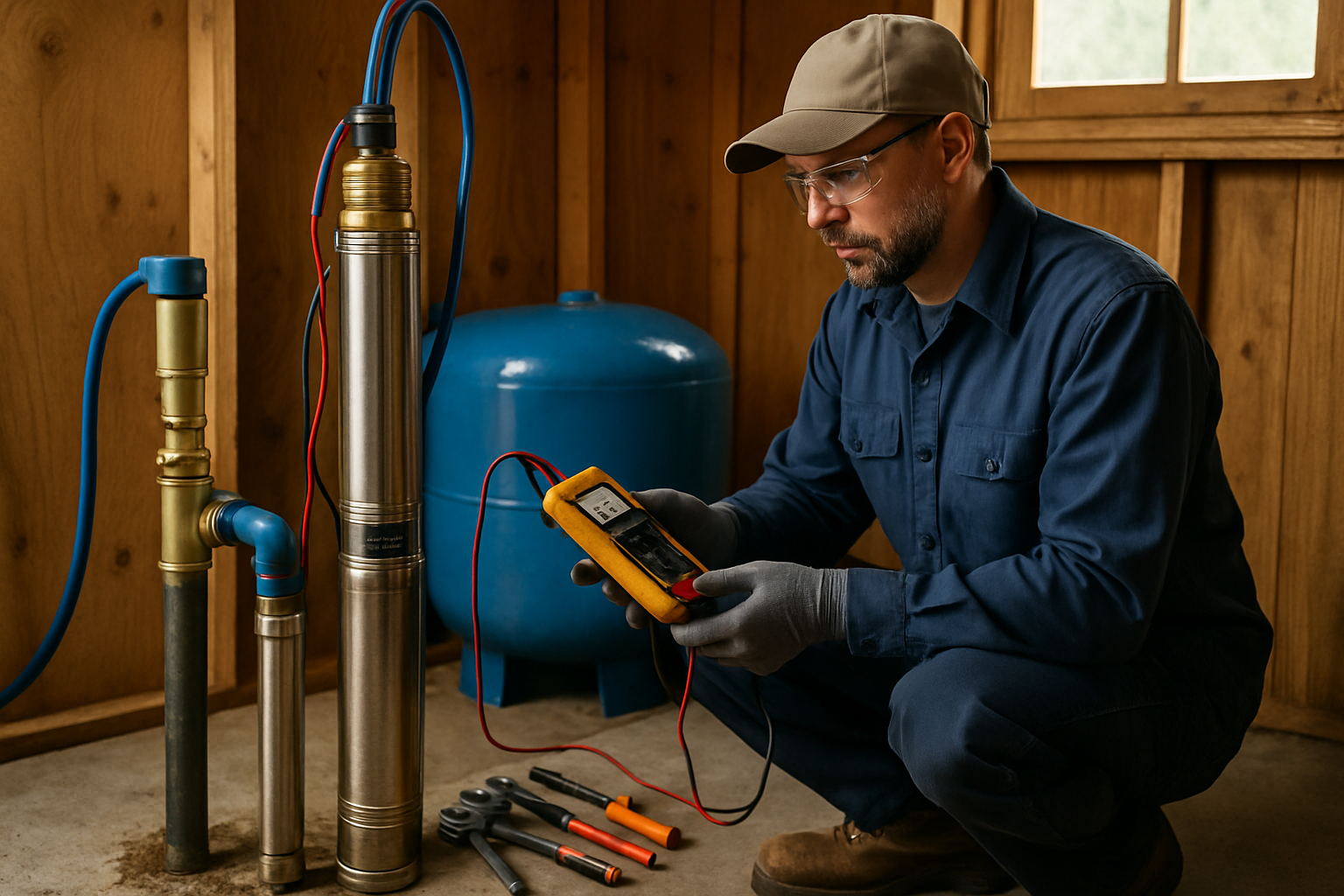
Signs Your Well Pump Is Failing
Catch pump problems early before you lose water completely.
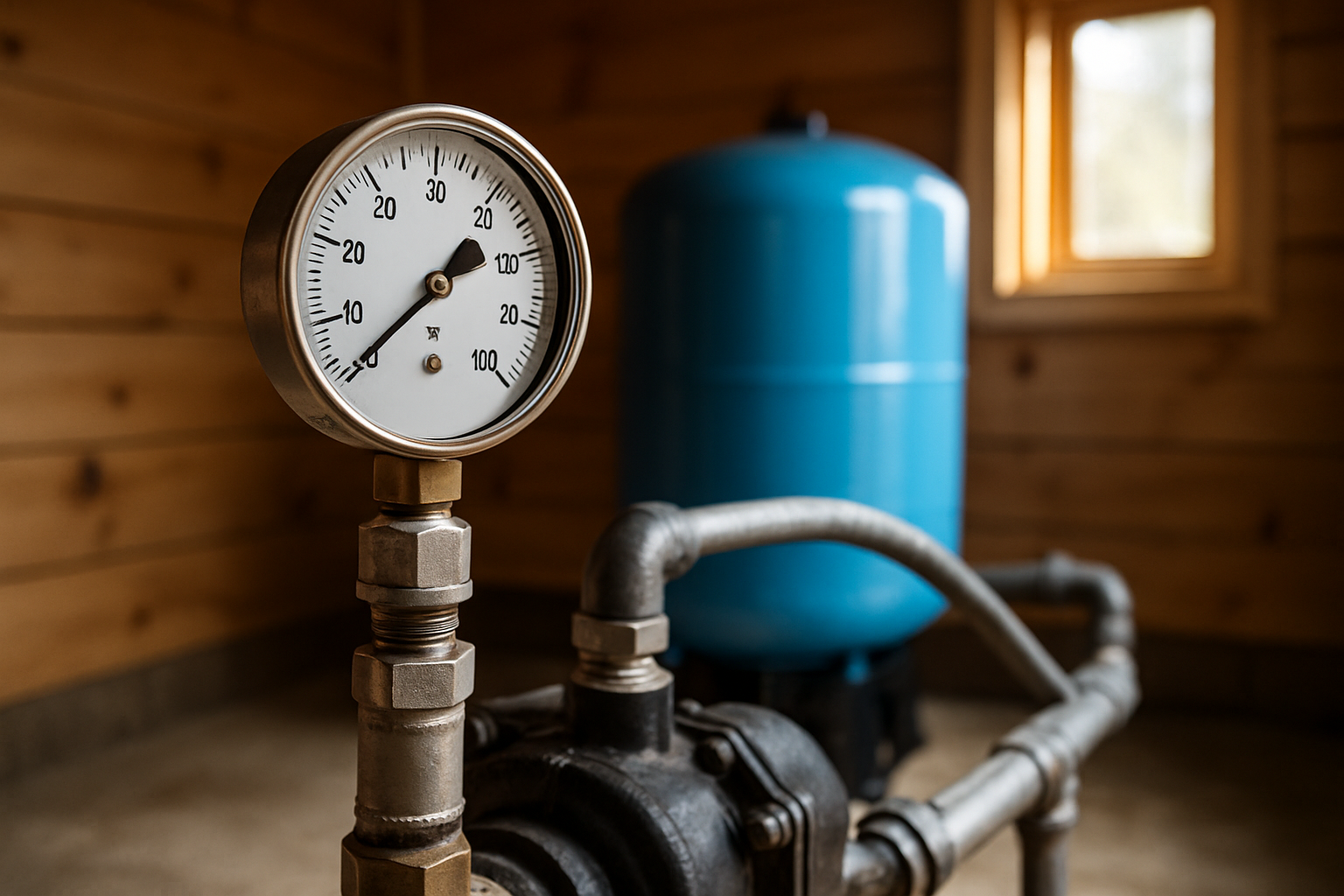
Low Water Pressure From Well
Diagnose and fix pressure problems before they get worse.
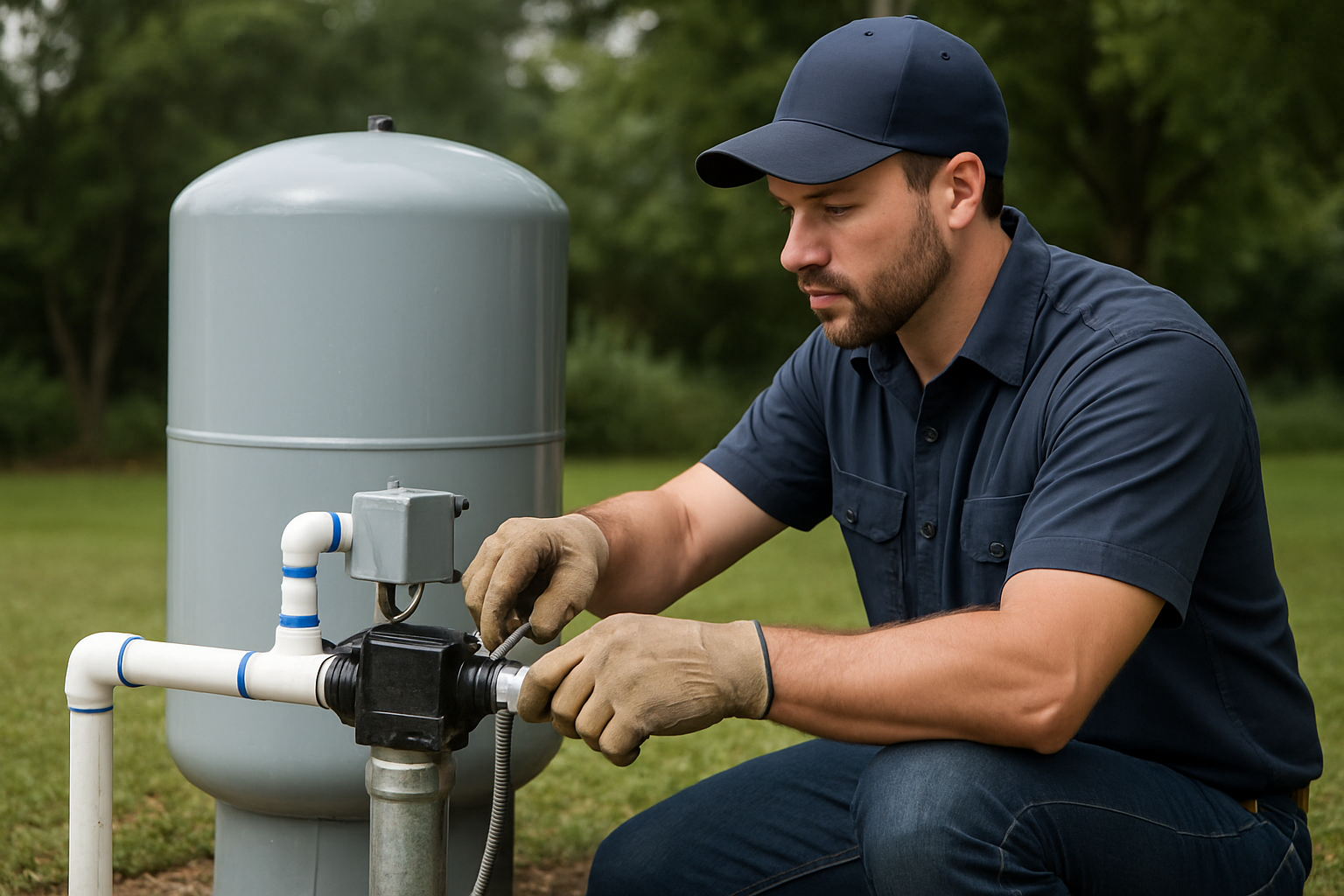
Well Maintenance Guide
Keep your well running smoothly with regular maintenance.
Our Locations
1077 Main St, Ramona, CA 92065
57174 CA-371 (US Hwy 79), Anza, CA 92539
Hydrofracturing and Well Service in Bermuda Dunes, California
Bermuda Dunes is an unincorporated desert community in Riverside County, set in the Coachella Valley between Indio, La Quinta, and Palm Desert. It sits above the Indio Subbasin of the Coachella Valley groundwater system—an enormous aquifer that also underlies neighboring Thousand Palms, Mecca, and Thermal. Unlike the hard-rock country of the mountains, the valley floor here is built from deep layers of sand, silt, gravel, and clay washed down from the surrounding ranges. That geology shapes both how local wells are built and which rehabilitation methods actually help when production drops.
Southern California Well Service has worked on Riverside County wells since 2020, including throughout the Coachella Valley. We are candid with desert clients about when hydrofracturing (hydrofracking) is the right tool and when a different repair will serve you better—because the valley's alluvial aquifer behaves very differently from the fractured bedrock found elsewhere in the region.
How Hydrofracturing Works
Hydrofracturing uses clean water and pressure—no chemicals—to reopen the fractures feeding a well:
- Packers isolate a zone. An inflatable packer is set in the casing or open hole and inflated to seal off the target section so the pressure works on the formation instead of venting up the borehole.
- High-pressure injection. Water is pumped at 1,500 to 3,000+ PSI to clear silt and scale from existing fractures and widen the cracks that carry groundwater to the well.
- No chemicals. Only water enters the well—no additives, no proppant, no risk to water quality.
- Best in hard rock. The technique shines in fractured granite and crystalline rock. In purely loose sand-and-gravel formations it is generally not appropriate, which is why an honest assessment comes first.
For Bermuda Dunes properties whose wells reach fractured bedrock at depth—or for nearby foothill parcels along the valley margins—hydrofracturing can be an excellent option. For wells set entirely in valley alluvium, we will steer you toward more suitable solutions such as rehabilitation, redevelopment, or pump work.
Why Coachella Valley Wells Lose Capacity
Production problems in the Bermuda Dunes area trace to several causes tied to the desert aquifer:
- Declining regional water levels. The Coachella Valley aquifer has long faced heavy demand; in some periods groundwater levels dropped before recharge programs helped stabilize them, and a well screened too shallow can be left behind.
- Screen and gravel-pack plugging. Fine sand and mineral scale build up on the well screen and surrounding gravel pack, throttling flow even when plenty of water remains in the formation.
- Encrustation and corrosion. Desert groundwater chemistry can encrust or corrode screens over time, reducing the open area available for water to enter.
- Pump and equipment wear. In deep valley wells, declining output is frequently a worn pump or dropping setting rather than the aquifer itself.
What to Check — Signs Your Well Needs Service
Watch for these signs that your Bermuda Dunes well needs professional attention:
- Output has fallen noticeably from past years or from the original well log.
- The pump short-cycles, runs continuously, or struggles to maintain pressure.
- Sand or sediment appears in the water, suggesting screen or gravel-pack problems.
- Water levels in the well are dropping faster during summer demand.
- Pressure at the house has weakened despite a sound pressure tank and switch.
Pull your well completion report if you can and compare the original tested yield and depths to today's performance—it tells us a great deal before we even arrive.
Coachella Valley supply wells are often completed deep, with many domestic and public-supply wells reaching roughly 500 to 1,000 feet or more to stay in productive water-bearing layers. Knowing your well's depth, screen interval, and construction helps us recommend the right fix—whether that is hydrofracturing a fractured-rock interval, redeveloping the screen, or replacing tired equipment.
It also helps to understand how recharge works in this valley. Much of the Coachella Valley aquifer is replenished through managed recharge using imported Colorado River water, which has helped lift groundwater levels in parts of the basin over the last decade. That regional context matters for your individual well: a stabilizing aquifer means a properly constructed and maintained well can often be restored to good service rather than abandoned, provided the screen, pump, and casing are sound. Our job is to find out which of those components is limiting your flow and address the right one.
When to Call a Professional
Well work in the desert is best left to a licensed contractor who understands both deep alluvial wells and fractured-rock wells. Call when output drops, when sand appears, or before you assume you need a costly new well. We start with a flow and water-level test, inspect the casing and screen—often by camera—and determine the true cause. If your well is in fractured rock, hydrofracturing may be ideal; if it is a valley-alluvium well, we will recommend the rehabilitation or pump solution that fits. Either way, you get an honest plan rather than a one-size-fits-all sales pitch.
Timing matters as well. Addressing a steady decline early—rather than after the well fails during a 110-degree July—gives us more options and a better chance at a durable result, and it spares you the misery of losing water at the worst possible time of year.
Realistic Cost Ranges for Riverside County Wells
Costs depend on depth, construction, and the work required, but these ranges help Bermuda Dunes owners plan:
- Hydrofracturing (suitable wells): $3,000 to $8,000.
- New well (turnkey): $18,000 to $42,000 depending on depth and completion.
- Well rehabilitation or deepening: varies with conditions; quoted after assessment.
- Submersible pump replacement: $2,500 to $5,500.
- Pressure tank: $600 to $1,500.
- Pressure switch: $150 to $350.
- Diagnostic visit: $125, credited toward the work if you proceed.
Because rehabilitation of any kind costs far less than a new well, it is almost always worth diagnosing and treating an existing well first.
For homeowners near the valley margins and in the foothills above Bermuda Dunes, wells sometimes do reach the harder bedrock that flanks the basin. Those are the wells where hydrofracturing can produce a real jump in yield, and we are equipped to identify and treat them. The key is matching the method to the geology your specific borehole penetrates rather than guessing, and that determination is exactly what our on-site assessment is designed to deliver before any work begins.
Serving Bermuda Dunes and All of Riverside County
From our Anza office on Highway 79, we serve Bermuda Dunes and the surrounding Coachella Valley communities—Indio, La Quinta, Palm Desert, Thousand Palms, Indian Wells—and reach across Riverside County to the desert and mountain areas in between. Our licensed crews bring the right equipment for both alluvial and fractured-rock wells, backed by founded in 2020, with 60+ years of family heritage.
Frequently Asked Questions
Is my Bermuda Dunes well a good fit for hydrofracturing?
It depends on construction. Hydrofracturing works in wells that reach hard, fractured rock. Many valley-floor wells here are set in sand and gravel, where other rehabilitation methods work better. We assess your well before recommending anything.
Does hydrofracturing use chemicals?
No. Only clean water under pressure is used. There are no chemical additives, so there is no contamination risk to your drinking water.
My output dropped—does that mean my well is failing?
Not necessarily. In deep desert wells, lower output is often a worn pump, a dropped pump setting, or a plugged screen rather than a dead aquifer. A diagnostic visit pinpoints the real cause.
How deep are wells in this area?
Coachella Valley wells are frequently completed several hundred to over a thousand feet deep to reach productive layers. Your well log will list the exact depth and screen interval.
Is fixing my well cheaper than drilling a new one?
Almost always. Rehabilitation and pump work cost far less than a new well, which can run $18,000 to $42,000 or more, so we diagnose and repair the existing well first whenever possible.
How fast can you respond?
We offer same-day emergency service across Riverside County. If you have lost water, call right away and we will prioritize your visit.
Get Your Bermuda Dunes Well Back to Full Flow — Contact Us Today
If your desert well is losing capacity, do not wait for it to fail in the summer heat. Southern California Well Service is a licensed C-57 contractor (CSLB #1086994), licensed C-57 (CSLB #1086994), with founded in 2020, with 60+ years of family heritage and same-day emergency service across Riverside County. Call (760) 440-8520 or text (760) 219-5877 to schedule your assessment and get an honest recommendation.