
Hydrofracturing Well Services in Bird Rock, CA
Is your well in Bird Rock producing less water than it used to? Hydrofracturing (also called hydrofracking) could be the solution to restore and even improve your well's water production without the expense of drilling a new well.
📋 In This Guide
- What is Hydrofracturing?
- Signs Your Bird Rock Well Needs Hydrofracturing
- The Hydrofracturing Process
- Cost vs. New Well Drilling in Bird Rock
- Why Choose SCWS for Hydrofracturing?
- Related Articles
Southern California Well Service provides professional hydrofracturing services throughout San Diego County to help homeowners and property owners increase their well yield.
What is Hydrofracturing?
Hydrofracturing is a well rehabilitation technique that uses high-pressure water to clean and expand existing fractures in the bedrock surrounding your well. This process:
- Clears mineral deposits and sediment blocking water flow
- Opens new pathways for groundwater to reach your well
- Can increase well yield by 2-10 times in many cases
- Extends the life of your existing well
Unlike oil and gas fracking, well hydrofracturing uses only clean water—no chemicals are involved.
Signs Your Bird Rock Well Needs Hydrofracturing
- Declining water production over time
- Well runs dry during peak usage
- Slow recovery rate after pumping
- Pump cycling on and off frequently
- Lower water pressure than previous years
The Hydrofracturing Process
- Initial Assessment: We evaluate your well's current yield and condition
- Equipment Setup: Specialized high-pressure equipment is positioned at your well
- Isolation: Packers seal off sections of the well for targeted treatment
- Pressurization: Water is pumped at 500-3,000 PSI to fracture bedrock
- Development: Well is cleaned and tested for improved yield
Cost vs. New Well Drilling in Bird Rock
In Bird Rock, drilling a new well can cost $15,000-$50,000+ depending on depth. Hydrofracturing typically costs a fraction of that—often $3,000-$8,000—making it an excellent first option before considering a new well.
Many Bird Rock wells that appear to be "going dry" can be successfully rehabilitated through hydrofracturing, saving homeowners tens of thousands of dollars.
Why Choose SCWS for Hydrofracturing?
- Founded 2020 · 60+ Years Family Heritage: We've rehabilitated thousands of wells across Southern California
- Licensed C-57 Contractor. CSLB License #1086994. Fully licensed for well drilling and service in California
- Specialized Equipment: Professional-grade hydrofracturing equipment
- Free Estimates: We'll assess your well and provide honest recommendations
Need Help With Your Well in Bird Rock?
Our expert technicians serve Bird Rock and all of San Diego County with professional well services.
Related Articles
Continue learning about well maintenance and troubleshooting

Signs Your Well Pump Is Failing
Catch pump problems early before you lose water completely.
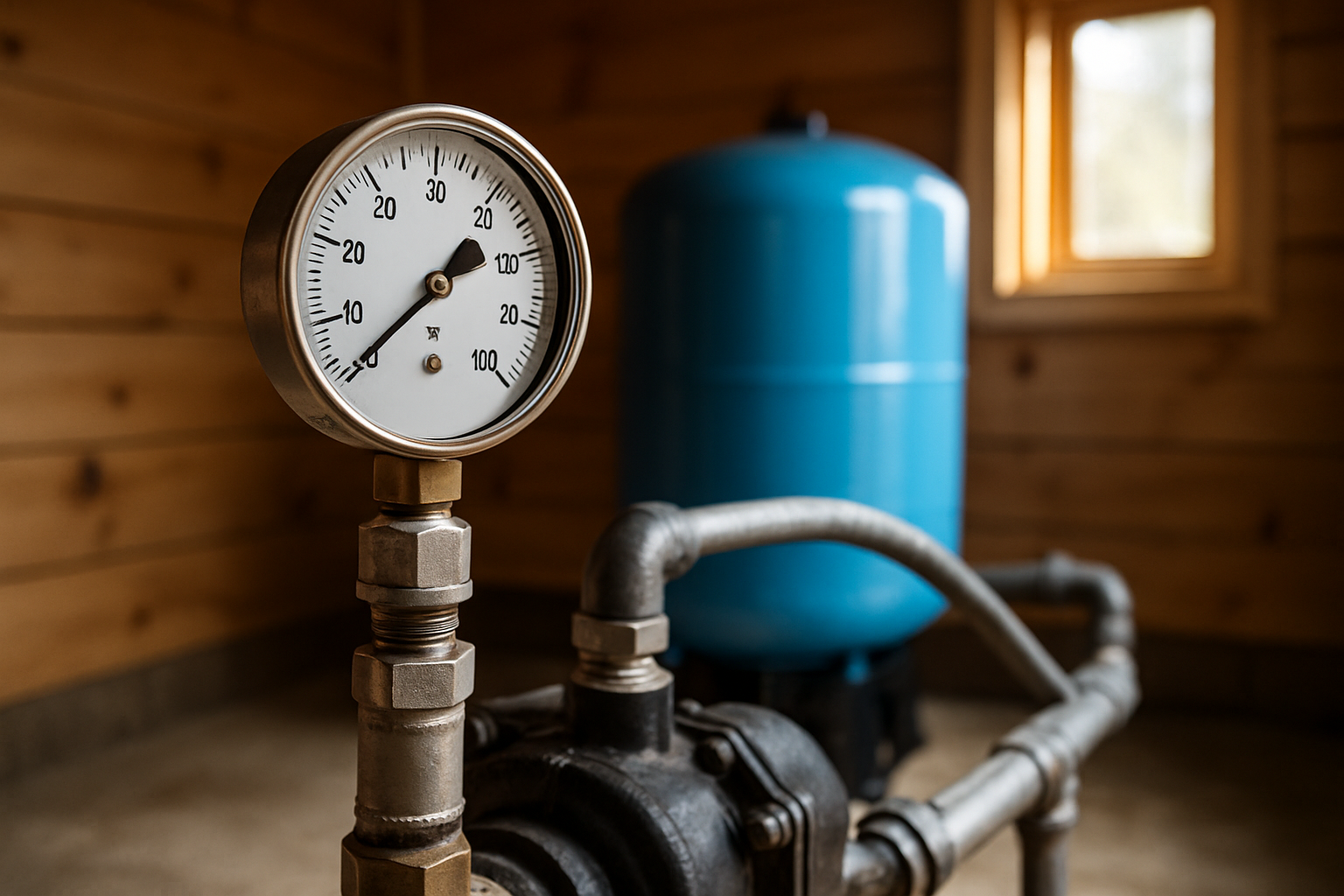
Low Water Pressure From Well
Diagnose and fix pressure problems before they get worse.
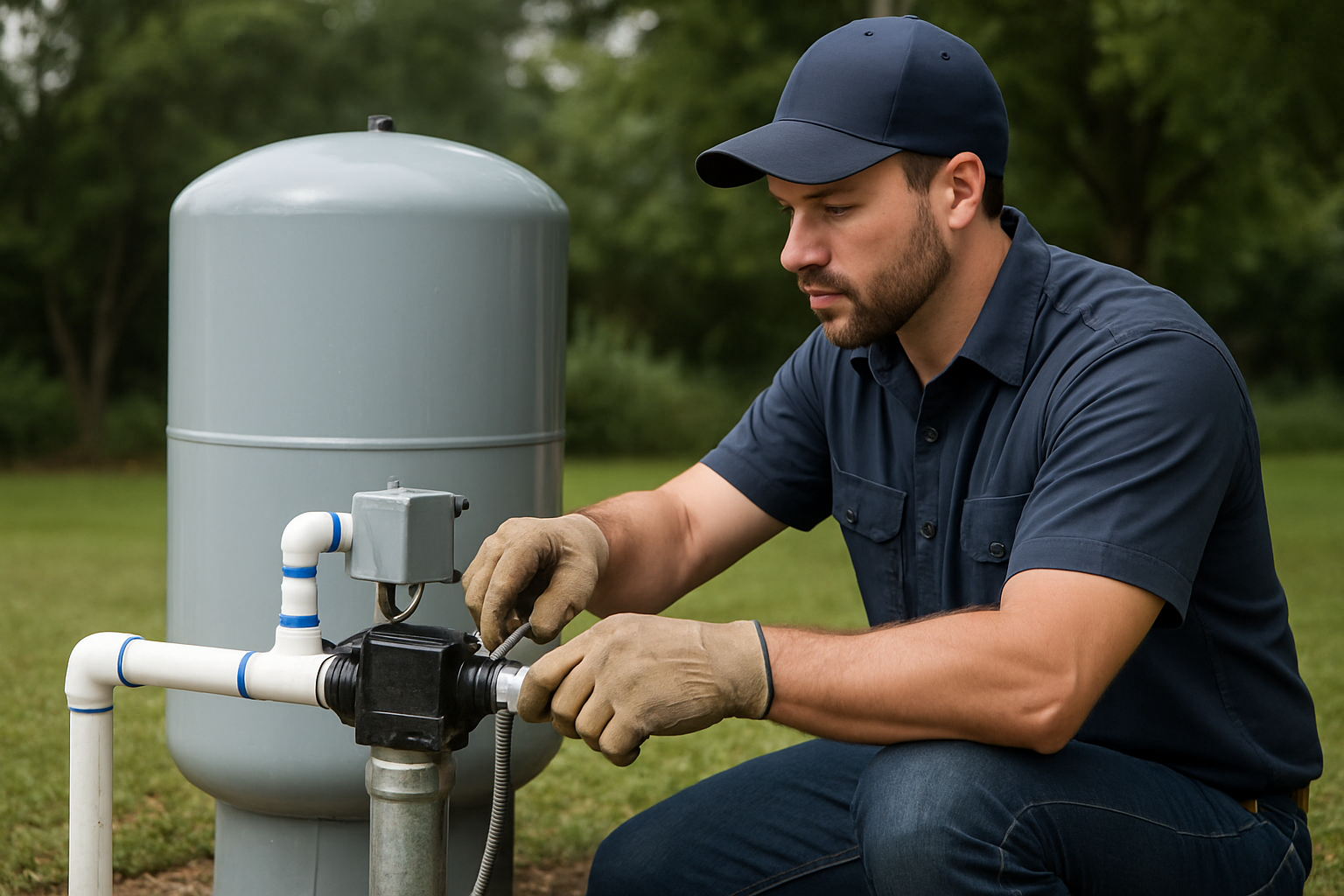
Well Maintenance Guide
Keep your well running smoothly with regular maintenance.
Our Locations
1077 Main St, Ramona, CA 92065
57174 CA-371 (US Hwy 79), Anza, CA 92539
Hydrofracturing for Low-Yield Wells in Bird Rock, California
Bird Rock is the coastal neighborhood at the south end of La Jolla in the City of San Diego, named for the sea-stack formations just offshore. Like most of coastal La Jolla, the homes here are on municipal water, but the broader San Diego County region that Bird Rock belongs to is full of private wells—and many Bird Rock property owners also hold land inland in places like Scripps Ranch, Poway, and the rural valleys to the east. Those inland wells are drilled into the same hard rock that underlies the Peninsular Ranges, and when their output falls off, hydrofracturing (often spelled hydrofracking) is usually the smartest first move to bring the flow back.
since 2020, Southern California Well Service has rehabilitated wells throughout San Diego County. The fractured granitic and metamorphic bedrock common across the county is precisely the geology where hydrofracturing earns its keep.
How Hydrofracturing Works
Hydrofracturing restores a well's productivity using clean water alone—no chemicals whatsoever. The mechanics are straightforward once you see them:
- Packers isolate a zone. An inflatable packer is set inside the casing or open hole and expanded to seal off the section we want to treat, so the pressure works on the rock instead of escaping up the borehole.
- Pressure does the work. Clean water is injected at 1,500 to 3,000+ PSI. That force flushes accumulated silt and mineral scale out of the existing fractures and pries open hairline cracks, building wider, cleaner pathways for groundwater to reach the well.
- It is chemical-free. This is not oil-and-gas fracking. Only water goes down the hole—no additives, no proppant, no risk to your drinking-water quality.
- Multiple zones, one visit. By moving the packer up or down, we treat several promising fracture zones in a single day on site.
Most residential jobs wrap up in four to eight hours, and we run a flow test the same visit to measure the gain.
Why San Diego County Wells Lose Production Over Time
Wells around Bird Rock's wider service region are almost universally hard-rock wells, and they decline for a handful of predictable reasons:
- Sediment infiltration. Decomposed granite sheds fine particles that gradually pack into the fractures feeding the well, slowly strangling flow.
- Hard-water scale. Mineral-rich groundwater leaves calcium and iron deposits on fracture walls and the screen, choking the pathways.
- Falling water table. Multi-year droughts drop static levels countywide, leaving marginal wells short during peak summer demand.
- Bacterial fouling. Iron and sulfur bacteria can build biofilm that blocks the near-well fractures—exactly the kind of obstruction high-pressure water helps clear.
Across inland San Diego County, private wells are typically completed somewhere between roughly 200 and 600 feet, chasing the water-bearing fracture sets that thread through the granite and metamorphic basement rock. Because that water lives in cracks rather than in a continuous porous layer, two wells on neighboring parcels can have very different yields depending on how many fractures each borehole happened to intersect. Hydrofracturing levels that luck-of-the-draw difference somewhat by widening and connecting the fractures a well already touches, which is why a borderline well can often be coaxed into reliable production rather than abandoned.
What to Check — Signs You May Need Hydrofracturing
Several everyday symptoms point toward a yield problem that hydrofracturing can frequently resolve:
- Showers, irrigation, or laundry drain the well faster than they once did.
- The pump short-cycles or runs noticeably longer than in past years.
- Sediment or cloudiness appears after the well has been resting.
- Recovery time stretches out—the well takes much longer to refill after heavy use.
- Today's measured gallons-per-minute is well below the figure on the original well log.
- Household pressure keeps slipping despite a healthy pump and pressure tank.
Comparing your current yield to the tested yield on your well completion report is the single best indicator. A clear drop in a hard-rock well is a textbook hydrofracturing candidate.
Equally important is knowing the limits. Hydrofracturing cannot manufacture water in a formation that holds none, and it cannot fix a collapsed casing or a burned-out pump. A proper assessment up front protects you from spending on a procedure that would not help—and confirms when it genuinely will.
It is also worth understanding the timing. The best moment to consider hydrofracturing is when you first notice a sustained decline—not after the well has failed entirely in the middle of a dry August. Acting early gives us a healthier well to work with, more flexibility in how we stage the treatment, and a better chance of a strong, lasting result. Waiting until the well is bone dry narrows the options and often means living without water while repairs are arranged.
When to Call a Professional
The pressures involved make hydrofracturing strictly a job for a licensed well contractor. Reach out when your flow is dropping, when a freshly drilled well underperformed, or before you commit to the much larger expense of a replacement well. A qualified technician begins with a baseline flow test, inspects the casing—commonly with a downhole camera—and verifies the well sits in fractured rock rather than loose alluvium, because the technique only works in solid rock. We also check the pump and pressure system, since what looks like a yield problem is occasionally a pump fault instead.
Realistic Cost Ranges for San Diego County Wells
Final pricing depends on depth, casing condition, and the number of zones treated, but these ranges give Bird Rock-area owners a planning baseline:
- Hydrofracturing: $3,000 to $8,000 for a typical residential well.
- New well (turnkey): $18,000 to $42,000 depending on depth and completion.
- Well rehabilitation or deepening: varies by condition; quoted after assessment.
- Submersible pump replacement: $2,500 to $5,500.
- Pressure tank: $600 to $1,500.
- Pressure switch: $150 to $350.
- Diagnostic visit: $125, credited toward the job if you move forward.
Given that hydrofracturing costs a small fraction of a new well and succeeds in most hard-rock cases, it is almost always the right first step.
After treatment, we develop the well by surging and pumping to clear loosened debris, then run a sustained-yield test so you receive a documented before-and-after comparison rather than a vague promise. That paperwork is useful if you ever sell the property, and it gives you a clear baseline to watch in future years.
Serving Bird Rock and All of San Diego County
From our Ramona office, we cover Bird Rock and the surrounding La Jolla and San Diego communities—Pacific Beach, Mount Soledad, La Jolla Shores—and reach inland across the county to Poway, Scripps Ranch, Ramona, Lakeside, and the eastern backcountry. No matter where your well sits in San Diego County, our licensed crews arrive with professional hydrofracturing equipment and founded in 2020, with 60+ years of family heritage.
Frequently Asked Questions
Does hydrofracturing put chemicals in my well?
Not at all. The process uses only clean, pressurized water. There are no chemical additives, so your drinking water stays exactly as clean as it was.
How much more water might my well produce afterward?
In San Diego County's fractured rock, a successful treatment commonly raises flow two to five times, occasionally more. We document the before-and-after yield so you can see the result.
Will hydrofracturing work on every well?
No. It works in wells finished in hard, fractured bedrock, which describes most wells in this region. Wells in loose sand or gravel are poor candidates, and we confirm your well type before recommending the procedure.
How disruptive is the process to my property?
It is contained at the wellhead and usually takes four to eight hours. There is no trenching or drilling of new ground, and we run a verification flow test within 24 to 48 hours.
Why choose hydrofracturing over a new well?
Cost, mostly. Hydrofracturing typically runs $3,000 to $8,000 versus $18,000 to $42,000 or more for a new well, so it makes sense to try it first on a declining but sound well.
What happens if my well does not respond?
A minority of wells do not improve, usually due to the formation. If that happens, we explain why and lay out alternatives like deepening or replacement, using everything we learned during the assessment.
Restore Your Bird Rock Well's Flow — Talk to Us Today
Do not wait for a low-yield well to run dry. Southern California Well Service is a licensed C-57 contractor (CSLB #1086994), licensed C-57 (CSLB #1086994), with founded in 2020, with 60+ years of family heritage and same-day emergency service across San Diego County. Call (760) 440-8520 or text (760) 219-5877 to book your hydrofracturing assessment and get a straight answer about your well.