
Hydrofracturing Well Services in Blue Jay, CA
Is your well in Blue Jay producing less water than it used to? Hydrofracturing (also called hydrofracking) could be the solution to restore and even improve your well's water production without the expense of drilling a new well.
📋 In This Guide
- What is Hydrofracturing?
- Signs Your Blue Jay Well Needs Hydrofracturing
- The Hydrofracturing Process
- Cost vs. New Well Drilling in Blue Jay
- Why Choose SCWS for Hydrofracturing?
- Related Articles
Southern California Well Service provides professional hydrofracturing services throughout San Bernardino County to help homeowners and property owners increase their well yield.
What is Hydrofracturing?
Hydrofracturing is a well rehabilitation technique that uses high-pressure water to clean and expand existing fractures in the bedrock surrounding your well. This process:
- Clears mineral deposits and sediment blocking water flow
- Opens new pathways for groundwater to reach your well
- Can increase well yield by 2-10 times in many cases
- Extends the life of your existing well
Unlike oil and gas fracking, well hydrofracturing uses only clean water—no chemicals are involved.
Signs Your Blue Jay Well Needs Hydrofracturing
- Declining water production over time
- Well runs dry during peak usage
- Slow recovery rate after pumping
- Pump cycling on and off frequently
- Lower water pressure than previous years
The Hydrofracturing Process
- Initial Assessment: We evaluate your well's current yield and condition
- Equipment Setup: Specialized high-pressure equipment is positioned at your well
- Isolation: Packers seal off sections of the well for targeted treatment
- Pressurization: Water is pumped at 500-3,000 PSI to fracture bedrock
- Development: Well is cleaned and tested for improved yield
Cost vs. New Well Drilling in Blue Jay
In Blue Jay, drilling a new well can cost $15,000-$50,000+ depending on depth. Hydrofracturing typically costs a fraction of that—often $3,000-$8,000—making it an excellent first option before considering a new well.
Many Blue Jay wells that appear to be "going dry" can be successfully rehabilitated through hydrofracturing, saving homeowners tens of thousands of dollars.
Why Choose SCWS for Hydrofracturing?
- Founded 2020 · 60+ Years Family Heritage: We've rehabilitated thousands of wells across Southern California
- Licensed C-57 Contractor. CSLB License #1086994. Fully licensed for well drilling and service in California
- Specialized Equipment: Professional-grade hydrofracturing equipment
- Free Estimates: We'll assess your well and provide honest recommendations
Need Help With Your Well in Blue Jay?
Our expert technicians serve Blue Jay and all of San Bernardino County with professional well services.
Related Articles
Continue learning about well maintenance and troubleshooting

Signs Your Well Pump Is Failing
Catch pump problems early before you lose water completely.
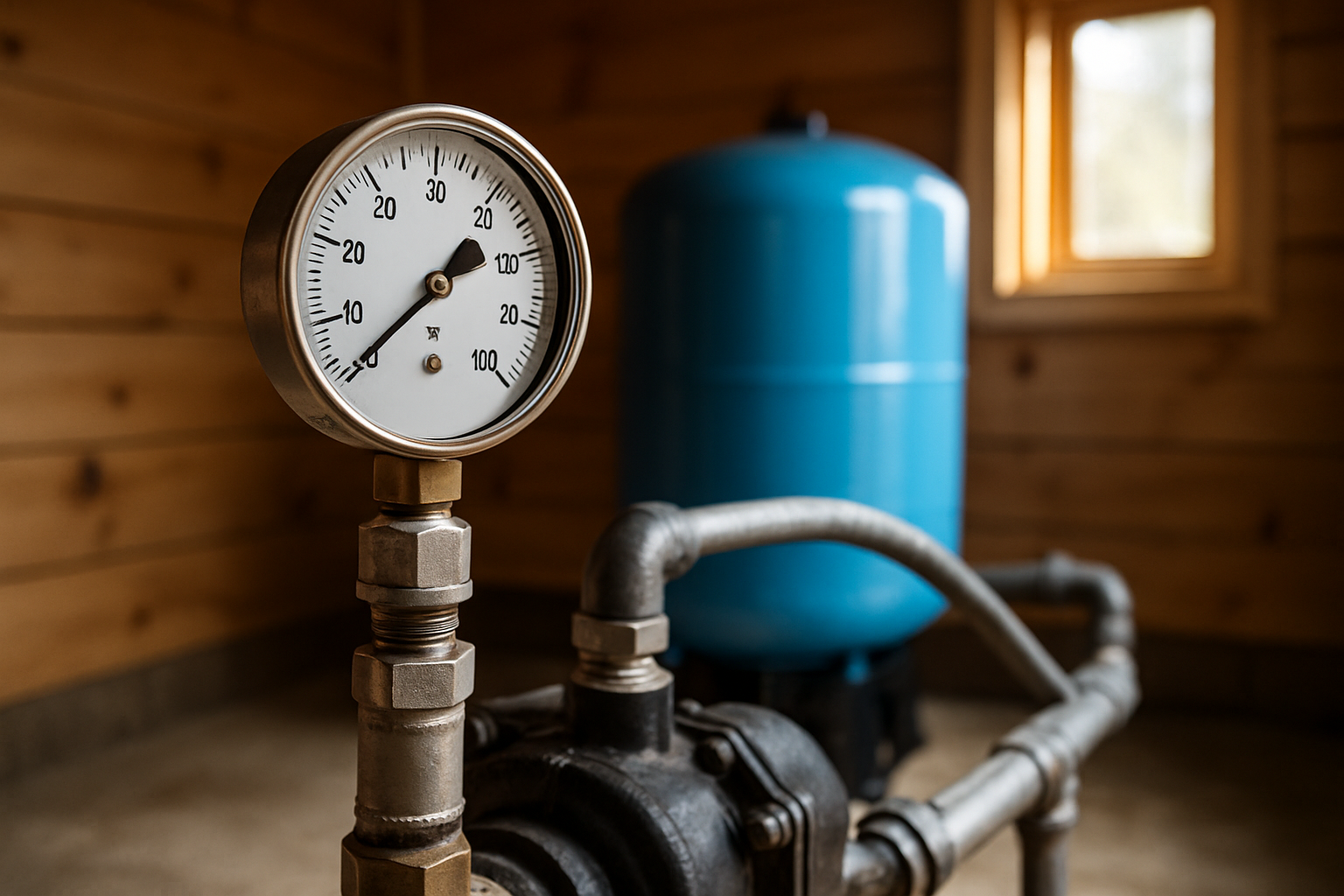
Low Water Pressure From Well
Diagnose and fix pressure problems before they get worse.
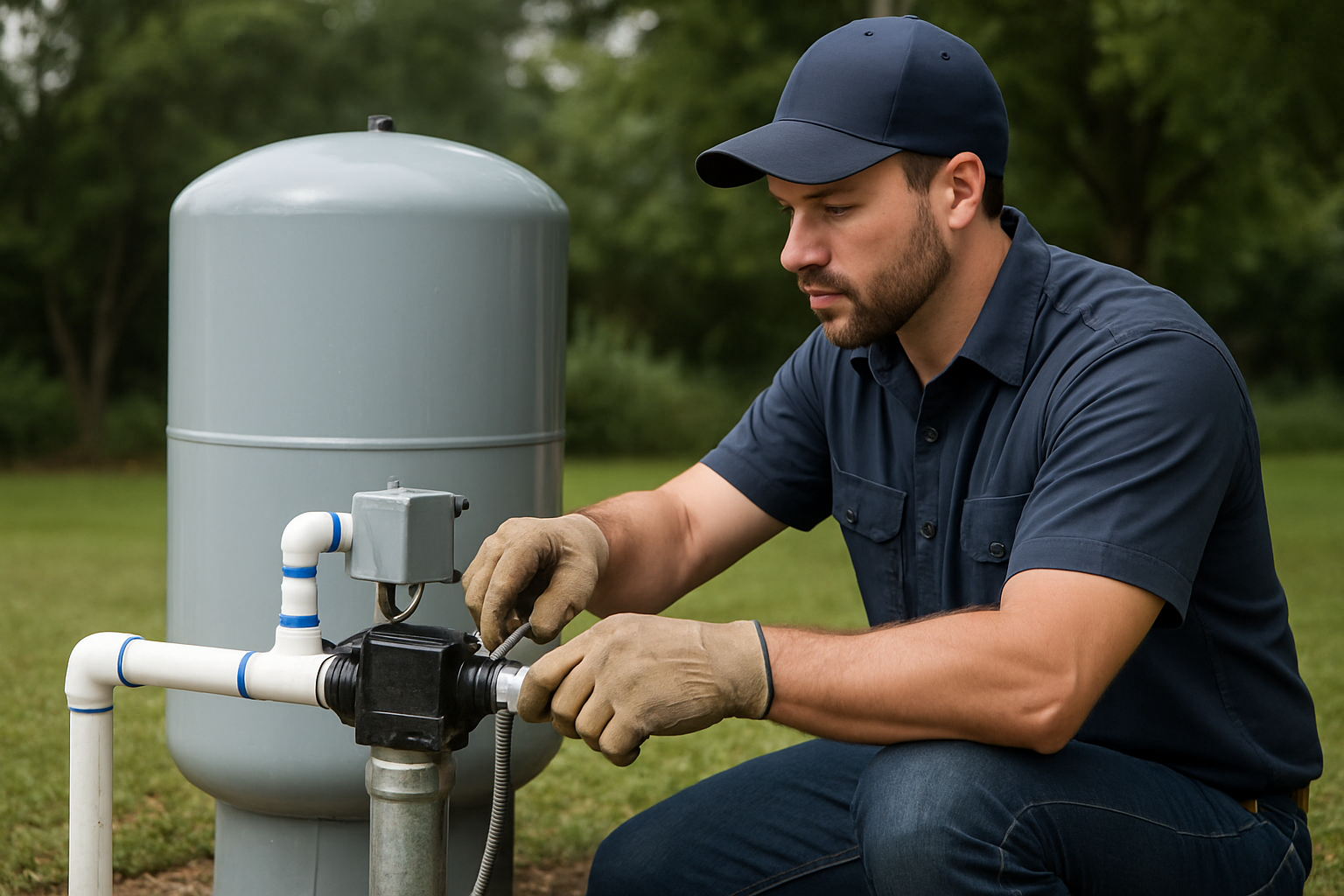
Well Maintenance Guide
Keep your well running smoothly with regular maintenance.
Our Locations
1077 Main St, Ramona, CA 92065
57174 CA-371 (US Hwy 79), Anza, CA 92539
Boosting a Low-Yield Mountain Well in Blue Jay
Blue Jay sits just west of Lake Arrowhead Village along Highway 189, perched around 5,200 feet on the granite spine of the San Bernardino Mountains. Almost every private well up here is drilled into hard crystalline rock — weathered granite near the surface giving way to dense, fractured granodiorite below. Unlike a valley well that draws from loose sand and gravel, a Blue Jay well produces water only where the drill bit happens to cross open fractures in that bedrock. When those fractures are few, narrow, or clogged with fine mineral sediment, the well struggles to keep up, especially through the dry late-summer and early-fall months before the first snow. Hydrofracturing (also called hydrofracking) is the most cost-effective way to wake up those fractures and pull more water from the same hole.
Why Blue Jay Wells Lose Yield Over Time
The fractures feeding a mountain well are not infinite pipes. Over years of pumping, the fine silt and mineral scale carried in groundwater settles into the narrowest cracks closest to the borehole, slowly throttling the flow. Homeowners around Blue Jay, Agua Fria, and the Twin Peaks ridge often describe the same pattern: a well that ran fine for a decade now sputters air during a long shower, or the pump short-cycles on a hot August afternoon. The aquifer hasn't disappeared — the pathways into your well have simply narrowed. Hydrofracturing reverses that by forcing those pathways back open and connecting your borehole to fractures it never reached when it was first drilled.
How the Process Works on Granite
We lower a set of inflatable packers into the cased and open-hole section of your well, isolating a target zone. Clean water — never chemicals — is then injected at pressures between 1,500 and 3,000 PSI. That pressure flushes debris out of existing fractures and propagates them deeper into the surrounding rock, often intersecting water-bearing seams that sit only a few feet away from the original bore. On the tight, competent granite common around Lake Arrowhead, this targeted approach tends to produce the most reliable gains because the rock holds an open fracture well once it has been cleaned and extended. A typical Blue Jay job runs four to eight hours start to finish.
Signs Your Blue Jay Well Is a Good Candidate
- Gradual decline: your flow rate has dropped noticeably over several seasons even though the pump is healthy.
- Slow recovery: the well draws down quickly and takes hours to refill after heavy use.
- A new well that disappointed: the bore reached hard rock but the driller hit only marginal fractures.
- Seasonal shortfalls: you ration water every September until the winter storms recharge the mountain.
The best candidates are wells in solid fractured rock with sound casing. If your borehole is in loose decomposed granite that caves easily, or the casing is compromised, we will tell you honestly before spending a dollar on fracturing.
What to Check Before You Call
A little information speeds up the assessment. If you can find your original well completion report (often filed when the home was built), note the total depth, casing depth, and the yield the driller measured. Watch your own system for a week: how long can you run an outdoor spigot before pressure fades, and how long until it recovers? If you have recently replaced the pump or pressure tank and the water still runs short, that points away from equipment and toward the well itself — exactly the situation hydrofracturing is built for.
When to Bring in a Professional
Hydrofracturing uses serious pressure and specialized down-hole equipment; it is not a DIY project. Before we recommend it, we run a pre-treatment flow test and a downhole video inspection to confirm the casing is sound and to locate the fracture zones worth targeting. That same inspection sometimes reveals a simpler fix — a worn pump, a failed check valve, or a waterlogged pressure tank — that solves the problem for far less. A professional assessment protects you from paying for the wrong solution.
Cost in Blue Jay
Drilling a brand-new well in this terrain commonly runs $18,000 to $42,000 once you account for depth, hard-rock drilling, and a new pump. Hydrofracturing an existing well typically costs $3,000 to $8,000, which is why we almost always recommend trying it first. Our diagnostic visit is $125, credited toward the work if you move forward. If a pump or pressure tank also needs attention, a submersible pump in a mountain well usually falls in the $2,500 to $5,500 range and a pressure tank between $600 and $1,500.
Serving Blue Jay and the Rim Communities
Southern California Well Service has worked on mountain wells throughout San Bernardino County since 2020, including Blue Jay, Lake Arrowhead, Twin Peaks, Cedar Glen, Sky Forest, and Crestline. We know the granite up here, the access challenges of narrow forest roads and snow season, and the seasonal recharge cycle that governs how these wells behave. We are licensed C-57 well contractors and offer same-day emergency response when a mountain household suddenly loses water.
The Geology Beneath Blue Jay
The San Bernardino Mountains around Lake Arrowhead are built largely from Mesozoic granitic rock — quartz diorite and granodiorite — overlain in places by older metamorphic screens of schist and gneiss. Near the surface this rock is weathered into a crumbly, sandy layer of decomposed granite, but a few dozen feet down it becomes hard and competent. Water moves through this formation almost entirely along joints, faults, and fracture sets rather than through the rock itself, which has very little pore space. That is why two wells on the same Blue Jay street can have wildly different yields: one happened to intersect a productive fracture network, the other did not. Hydrofracturing levels that playing field by extending your borehole's reach into nearby fractures and reopening the ones that have silted shut.
Real-World Scenarios We See in Blue Jay
A common case is the older cabin that was converted to a full-time residence. The original well was sized for weekend use, and once a family moves in year-round the well simply can't match the new demand of daily laundry, showers, and landscape watering. Rather than abandon a structurally sound well, hydrofracturing often raises its capacity enough to support full-time living. Another frequent scenario is the well that produces fine in spring but runs short by autumn; here the issue is a limited fracture network that drains faster than it recharges, and opening additional fractures gives the well more storage to draw on through the dry season. We also see newly drilled wells whose drillers hit hard rock but only marginal water — fracturing the fresh borehole frequently turns a disappointing two-gallon-per-minute well into a comfortable household supply.
Protecting Your Investment
Because access in Blue Jay can be tight — steep driveways, mature timber, and winter snow — we plan each job around your site so equipment can be staged safely and the work finished in a single visit. After treatment we provide a documented before-and-after flow comparison so you have a clear record of the improvement for your own files and for any future sale of the property. Lenders and buyers increasingly ask for proof of adequate well yield, and that report can make a real difference at closing.
Frequently Asked Questions
Will hydrofracturing damage my Blue Jay well?
No. The process uses clean water and works within the rock formation your well already taps. When performed by a licensed contractor who first verifies your casing is sound, it carries low risk and routinely extends a well's productive life rather than shortening it.
How much more water can I expect?
Results vary with the rock, but successful jobs in San Bernardino County granite commonly raise yield two to five times over the pre-treatment rate. We measure flow before and after so you see the actual gain on paper.
Does hydrofracturing work in winter at this elevation?
It can, though access during heavy snow may delay scheduling. Many Blue Jay owners book the work in late spring or summer when forest roads are clear and we can stage equipment easily.
How long does the improvement last?
When the underlying rock is sound, gains typically last many years. Some wells eventually benefit from a second treatment down the road, but most homeowners get a long, stable run of improved flow.
Is this the same as oil-and-gas fracking?
No. Water-well hydrofracturing uses only clean water at far lower volumes and pressures, and targets a shallow domestic borehole — not deep hydrocarbon formations. No chemicals or sand proppants are injected.
What if my well isn't a good candidate?
Then we say so. Wells in loose, caving formations or with damaged casing are not suited to fracturing, and we will recommend the right alternative instead of selling you a treatment that won't help.
Restore Your Blue Jay Well's Flow
Get an honest assessment from a licensed San Bernardino County well contractor before spending on a new well.