
Hydrofracturing Well Services in Bonsall, CA
Is your well in Bonsall producing less water than it used to? Hydrofracturing (also called hydrofracking) could be the solution to restore and even improve your well's water production without the expense of drilling a new well.
📋 In This Guide
- What is Hydrofracturing?
- Signs Your Bonsall Well Needs Hydrofracturing
- The Hydrofracturing Process
- Cost vs. New Well Drilling in Bonsall
- Why Choose SCWS for Hydrofracturing?
- Related Articles
Southern California Well Service provides professional hydrofracturing services throughout San Diego County to help homeowners and property owners increase their well yield.
What is Hydrofracturing?
Hydrofracturing is a well rehabilitation technique that uses high-pressure water to clean and expand existing fractures in the bedrock surrounding your well. This process:
- Clears mineral deposits and sediment blocking water flow
- Opens new pathways for groundwater to reach your well
- Can increase well yield by 2-10 times in many cases
- Extends the life of your existing well
Unlike oil and gas fracking, well hydrofracturing uses only clean water—no chemicals are involved.
Signs Your Bonsall Well Needs Hydrofracturing
- Declining water production over time
- Well runs dry during peak usage
- Slow recovery rate after pumping
- Pump cycling on and off frequently
- Lower water pressure than previous years
The Hydrofracturing Process
- Initial Assessment: We evaluate your well's current yield and condition
- Equipment Setup: Specialized high-pressure equipment is positioned at your well
- Isolation: Packers seal off sections of the well for targeted treatment
- Pressurization: Water is pumped at 500-3,000 PSI to fracture bedrock
- Development: Well is cleaned and tested for improved yield
Cost vs. New Well Drilling in Bonsall
In Bonsall, drilling a new well can cost $15,000-$50,000+ depending on depth. Hydrofracturing typically costs a fraction of that—often $3,000-$8,000—making it an excellent first option before considering a new well.
Many Bonsall wells that appear to be "going dry" can be successfully rehabilitated through hydrofracturing, saving homeowners tens of thousands of dollars.
Why Choose SCWS for Hydrofracturing?
- Founded 2020 · 60+ Years Family Heritage: We've rehabilitated thousands of wells across Southern California
- Licensed C-57 Contractor. CSLB License #1086994. Fully licensed for well drilling and service in California
- Specialized Equipment: Professional-grade hydrofracturing equipment
- Free Estimates: We'll assess your well and provide honest recommendations
Need Help With Your Well in Bonsall?
Our expert technicians serve Bonsall and all of San Diego County with professional well services.
Related Articles
Continue learning about well maintenance and troubleshooting

Signs Your Well Pump Is Failing
Catch pump problems early before you lose water completely.
Low Water Pressure From Well
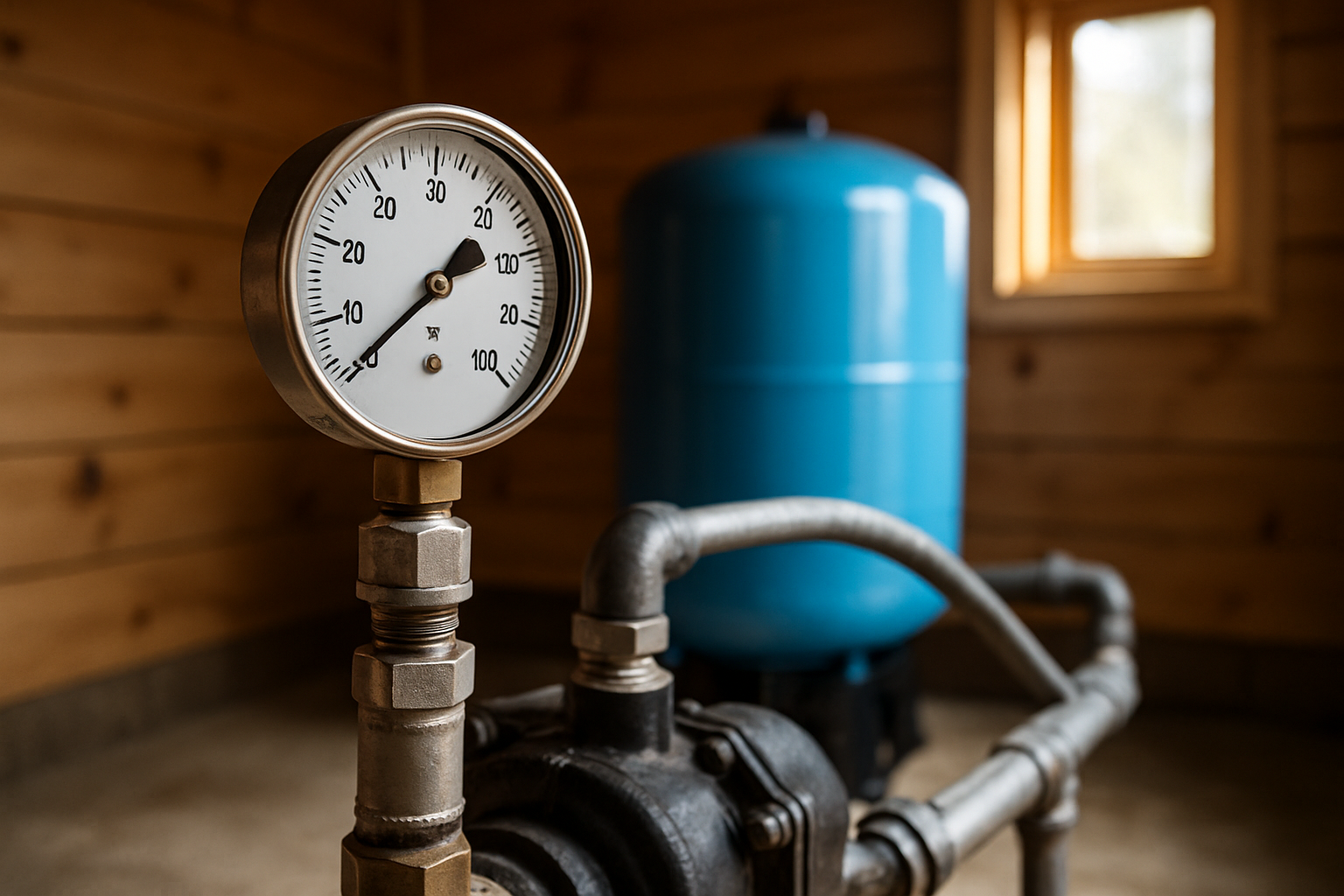
Diagnose and fix pressure problems before they get worse.
Well Maintenance Guide
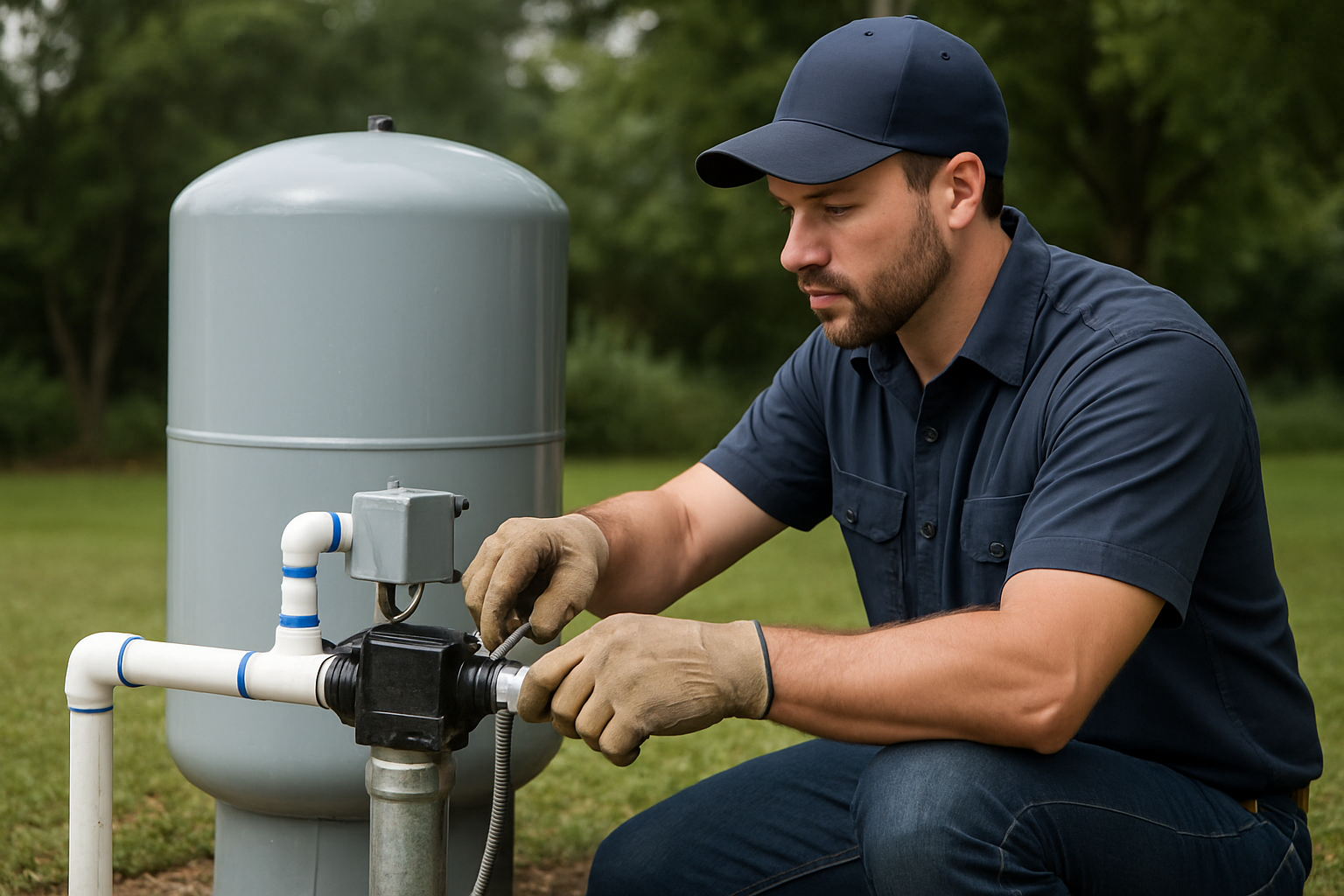
Keep your well running smoothly with regular maintenance.
Our Locations
1077 Main St, Ramona, CA 92065
57174 CA-371 (US Hwy 79), Anza, CA 92539
Hydrofracturing for Bonsall's Hill-and-Valley Wells
Bonsall is a rural community in northern San Diego County strung along the San Luis Rey River, with avocado and citrus groves, horse properties, and custom homes spread across both the river valley and the granite hills that rise above it. Water here comes from two very different worlds, and that distinction is the single most important thing to understand about your well. If your Bonsall well has lost yield, hydrofracturing may restore it—but whether it is a good candidate depends largely on which formation your borehole is finished in.
Down in the San Luis Rey River valley, wells often draw from shallow alluvial aquifers: unconsolidated sand, gravel, silt, and clay laid down by the river. Move up onto the surrounding hillsides and ridges—toward Rainbow, the Bonsall back country, and the higher terraces—and wells penetrate deep into fractured and decomposed granitic bedrock. Those hard-rock wells are exactly the kind hydrofracturing was designed to help.
How the Process Works
Hydrofracturing is a high-pressure water treatment, and despite the shared name it has nothing to do with the chemical-laden fracking used in the oil and gas industry. We seal off a section of your well casing with an inflatable packer, then inject clean water into that isolated interval at pressures typically in the range of 1,500 to 3,000+ PSI.
That pressure flushes accumulated silt and mineral scale out of the existing rock fractures and forces those fractures to open wider and extend deeper into the granite. In effect, it reconnects your well to the network of water-bearing cracks that feed it—and often opens new ones. By isolating one zone at a time, we focus the energy where it counts. A typical job takes four to eight hours, and the only material entering the well is water.
Why Bonsall Hard-Rock Wells Slow Down
Granite does not store water in open pools; it carries it through fractures. Over time those fractures get choked, and a once-reliable well starts falling behind. Common causes around Bonsall include:
- Mineral scaling and siltation: Years of pumping deposit fine sediment and mineral crust in the cracks, narrowing the pathways that feed the well.
- Drought-lowered water tables: During dry cycles the regional water level drops, and a hillside well that was always marginal becomes a problem.
- Heavy agricultural demand: Avocado and citrus irrigation draws hard on a well, and an aging borehole may no longer keep up with grove and household use combined.
- Limited original fracture connection: Some wells were finished in rock that intersected only a few productive fractures from the start.
Signs Your Bonsall Well Needs Attention
Watch for these warning signs before the well runs out entirely:
- The pump runs noticeably longer to fill the pressure tank than it did a year or two ago.
- Pressure drops sharply during irrigation cycles or when several fixtures run together.
- Faucets sputter air, signaling the water level is being pulled down to the pump.
- The well recovers slowly after heavy use and needs hours to "catch back up."
- You have added grove acreage, animals, or a second home and the well can no longer keep pace.
A quick self-check: with the system idle, time how long the pump runs to refill the tank, then repeat the test during peak irrigation. A large gap between the two points to a recovery problem in the formation—which is what hydrofracturing targets.
When to Bring in a Professional
Not every "low water" complaint is a formation problem. A worn submersible pump, a failed pressure tank, a faulty pressure switch, or a leak in the drop pipe can all imitate a dying well. We begin with a $125 diagnostic—credited toward any work we do—to identify the true cause. If a $250 part fixes it, you should not be paying for a fracture treatment. But when the borehole is sound and the formation simply is not delivering, hydrofracturing is the logical step before anyone considers a new well.
Realistic Costs for Bonsall Property Owners
- Hydrofracturing: $3,000-$8,000 depending on depth and number of zones treated.
- New turnkey well: $18,000-$42,000 depending on depth, casing, and access.
- Well rehabilitation / deepening: varies with the scope of work.
- Submersible pump: $2,500-$5,500. Pressure tank: $600-$1,500. Pressure switch: $150-$350.
- Diagnostic: $125, credited toward the job.
For a fractured-granite well on a Bonsall hillside, hydrofracturing is almost always the right thing to try first. The cost is a fraction of new drilling, and suitable wells respond well roughly 70-80% of the time.
Serving Bonsall and Northern San Diego County
Southern California Well Service has founded in 2020, with 60+ years of family heritage rehabilitating wells across San Diego County. We work throughout Bonsall, the San Luis Rey River valley, Fallbrook, Rainbow, Valley Center, and the surrounding rural communities. We are a licensed C-57 contractor (CSLB #1086994) with CSLB #1086994 and same-day emergency availability.
If your Bonsall well is struggling, call us before you assume the worst. We will tell you honestly whether your well is a good hydrofracturing candidate based on its formation, and we will never sell you a new well when a smaller fix will do.
What to Expect on Treatment Day in Bonsall
Every Bonsall job begins with measurement, not guesswork. We run a pre-treatment flow test to record your well's current yield, then send a camera down the casing to inspect its condition and locate the productive fracture zones. On a hillside granite well, the water often comes from just a few discrete fracture intervals, and identifying them lets us place the packers where the treatment will actually do good. We then pressurize each target zone in turn and develop the well to clear loosened sediment.
Before we pack up, a post-treatment flow test confirms the improvement, which usually stabilizes within a day or two. You receive a documented before-and-after comparison. For grove owners, that record is genuinely useful—it tells you how much additional irrigation capacity you have gained and helps you plan water use through the dry season.
Bonsall's Agricultural Water Demand
Bonsall's avocado and citrus heritage means many wells here were sized for serious irrigation loads. As trees mature and acreage expands, a well that once kept up can fall behind—not because it has gone dry, but because demand has grown while the fracture network silted up. Hydrofracturing is often the difference between losing a season's worth of irrigation and getting another decade of service from a well you already own. We will always tell you honestly whether your particular borehole and formation make a good candidate.
Frequently Asked Questions
Is my Bonsall well in the valley or in the hills a better candidate?
It depends on the formation. Hilltop and hillside wells around Bonsall are usually drilled into fractured granitic bedrock, which responds very well to hydrofracturing. Wells set in the loose alluvial sand and gravel of the San Luis Rey River floodplain are not good candidates because that material will not hold open fractures. Our assessment confirms which you have.
How much water improvement can I expect?
Typical results on suitable fractured-rock wells are a two-to-five-times increase over the pre-treatment flow rate, and roughly 70-80% of good candidates see a meaningful gain. We measure your baseline before we start and re-test afterward so the improvement is documented, not guessed.
Does hydrofracturing use chemicals like oil-field fracking?
No. Water-well hydrofracturing uses only clean water under pressure. There are no chemicals, sand, or gels involved. After treatment we disinfect the well and recommend a follow-up bacteria test before you return it to full service.
How deep are wells in the Bonsall area?
It varies widely with location. Wells nearer the San Luis Rey River valley often hit water relatively shallow, while hilltop and ridge properties toward Rainbow and the back country are frequently drilled several hundred feet into fractured granite. Deeper hard-rock wells are common candidates for hydrofracturing.
What does it cost versus drilling a new well?
Hydrofracturing typically runs $3,000-$8,000. A new turnkey well in San Diego County generally costs $18,000-$42,000 depending on depth and casing. Trying to rehabilitate the well you already have almost always makes financial sense first.
How soon can you come out?
We schedule assessments quickly and offer same-day emergency service when a Bonsall household has lost water entirely. Call (760) 440-8520 or text (760) 219-5877 and we will get you on the calendar.
Ready to Restore Your Well?
Talk to a licensed C-57 well professional about your Bonsall well today. We offer free estimates, honest assessments, and same-day emergency service when you are out of water. Call us at (760) 440-8520 or text (760) 219-5877 to schedule your assessment.