
Hydrofracturing Well Services in Borrego Springs, CA
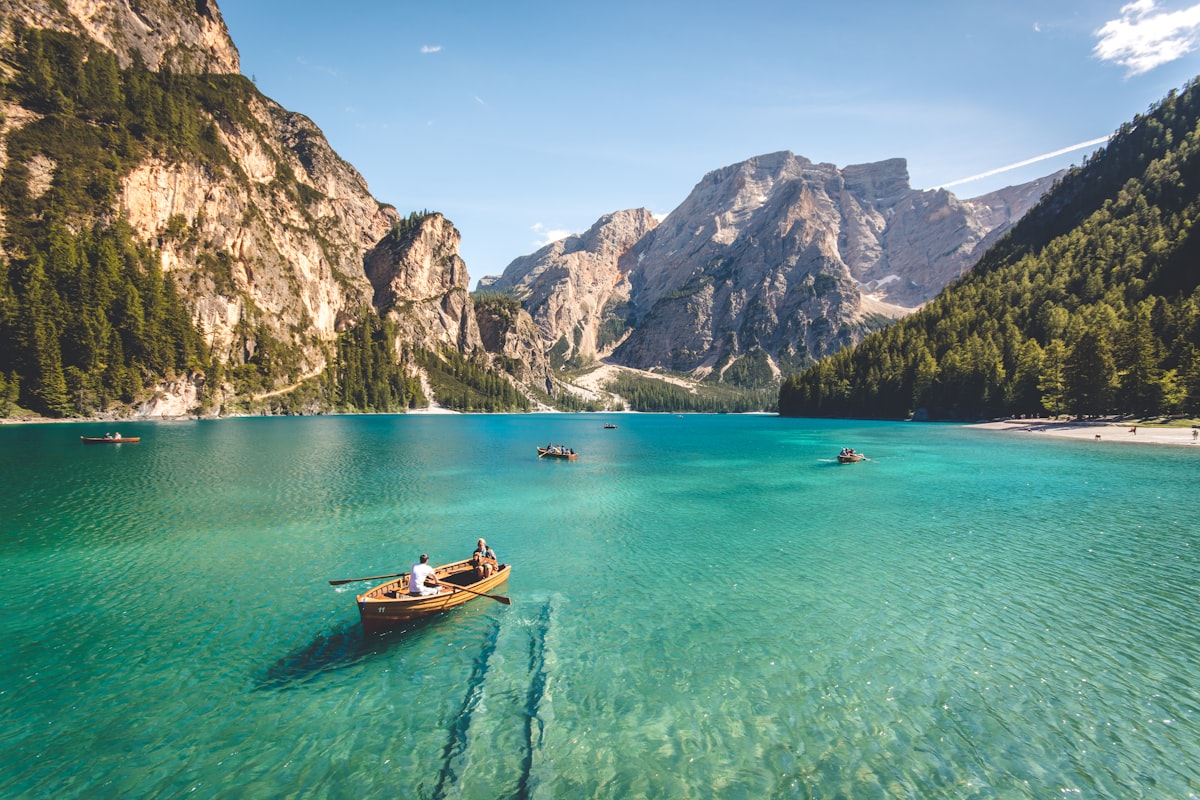
Is your well in Borrego Springs producing less water than it used to? Hydrofracturing (also called hydrofracking) could be the solution to restore and even improve your well's water production without the expense of drilling a new well.
📋 In This Guide
- What is Hydrofracturing?
- Signs Your Borrego Springs Well Needs Hydrofracturing
- The Hydrofracturing Process
- Cost vs. New Well Drilling in Borrego Springs
- Why Choose SCWS for Hydrofracturing?
- Related Articles
Southern California Well Service provides professional hydrofracturing services throughout San Diego County to help homeowners and property owners increase their well yield.
What is Hydrofracturing?
Hydrofracturing is a well rehabilitation technique that uses high-pressure water to clean and expand existing fractures in the bedrock surrounding your well. This process:
- Clears mineral deposits and sediment blocking water flow
- Opens new pathways for groundwater to reach your well
- Can increase well yield by 2-10 times in many cases
- Extends the life of your existing well
Unlike oil and gas fracking, well hydrofracturing uses only clean water—no chemicals are involved.
Signs Your Borrego Springs Well Needs Hydrofracturing
- Declining water production over time
- Well runs dry during peak usage
- Slow recovery rate after pumping
- Pump cycling on and off frequently
- Lower water pressure than previous years
The Hydrofracturing Process
- Initial Assessment: We evaluate your well's current yield and condition
- Equipment Setup: Specialized high-pressure equipment is positioned at your well
- Isolation: Packers seal off sections of the well for targeted treatment
- Pressurization: Water is pumped at 500-3,000 PSI to fracture bedrock
- Development: Well is cleaned and tested for improved yield
Cost vs. New Well Drilling in Borrego Springs
In Borrego Springs, drilling a new well can cost $15,000-$50,000+ depending on depth. Hydrofracturing typically costs a fraction of that—often $3,000-$8,000—making it an excellent first option before considering a new well.
Many Borrego Springs wells that appear to be "going dry" can be successfully rehabilitated through hydrofracturing, saving homeowners tens of thousands of dollars.
Why Choose SCWS for Hydrofracturing?
- Founded 2020 · 60+ Years Family Heritage: We've rehabilitated thousands of wells across Southern California
- Licensed C-57 Contractor. CSLB License #1086994. Fully licensed for well drilling and service in California
- Specialized Equipment: Professional-grade hydrofracturing equipment
- Free Estimates: We'll assess your well and provide honest recommendations
Need Help With Your Well in Borrego Springs?
Our expert technicians serve Borrego Springs and all of San Diego County with professional well services.
Related Articles
Continue learning about well maintenance and troubleshooting

Signs Your Well Pump Is Failing
Catch pump problems early before you lose water completely.
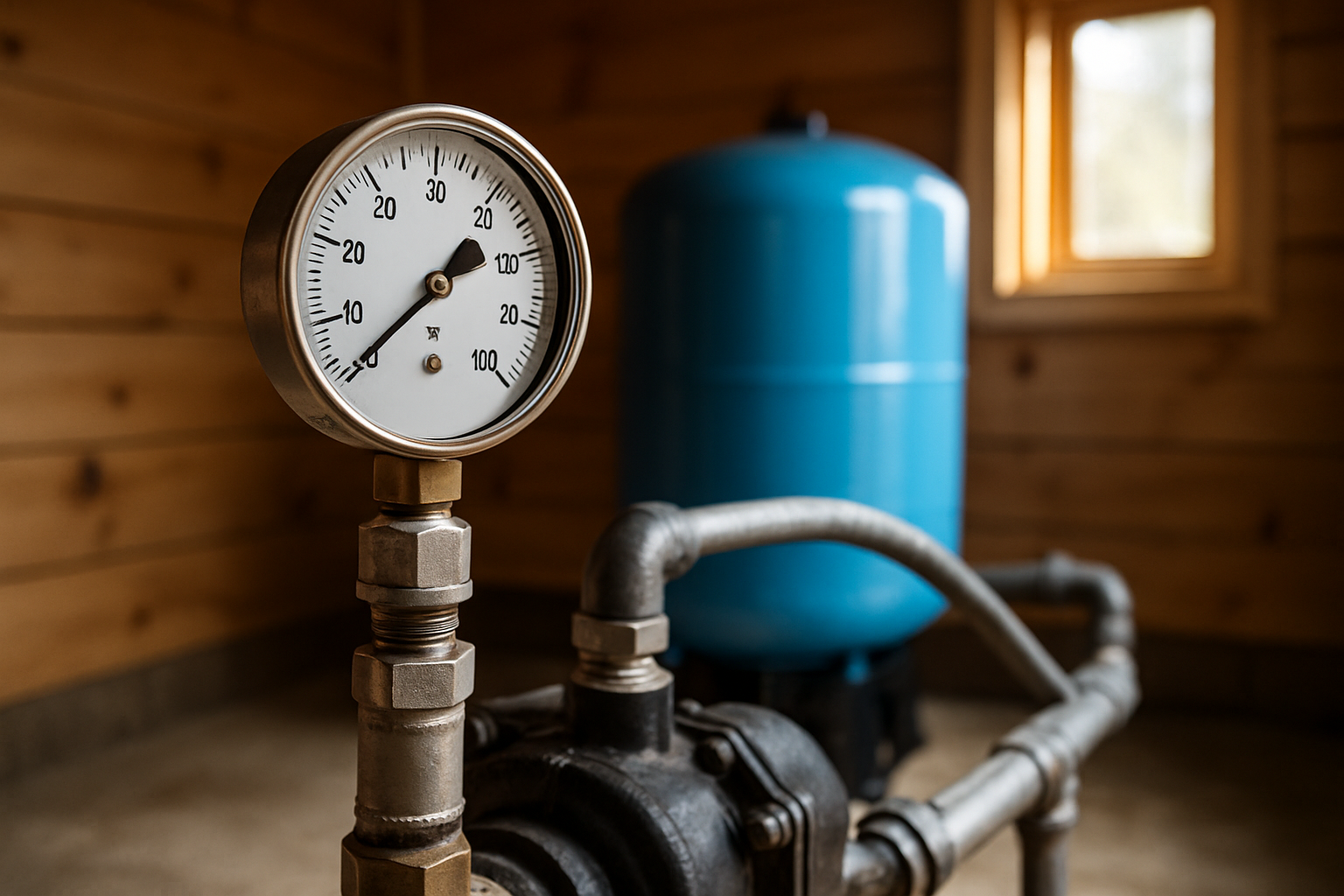
Low Water Pressure From Well
Diagnose and fix pressure problems before they get worse.
Well Maintenance Guide
Keep your well running smoothly with regular maintenance.
Our Locations
1077 Main St, Ramona, CA 92065
57174 CA-371 (US Hwy 79), Anza, CA 92539
Hydrofracturing for Low-Yield Wells in Borrego Springs
Borrego Springs sits in one of the most water-conscious corners of San Diego County. Tucked inside the Borrego Valley and almost completely surrounded by Anza-Borrego Desert State Park, this community of roughly 3,500 residents depends entirely on groundwater drawn from the Borrego Springs subbasin. With the basin officially designated as critically overdrafted and water levels in some areas having dropped more than 100 feet over the decades, every gallon a private well can deliver matters. Homeowners on the outlying parcels and ranchettes around the valley, where there is no municipal hookup, feel this most acutely. When a Borrego Springs well starts producing less than it used to, hydrofracturing (often called hydrofracking) is frequently the most cost-effective way to restore flow before a homeowner faces the far larger expense of drilling deeper or starting over.
How Hydrofracturing Works
Hydrofracturing is a well rehabilitation process that uses high-pressure water to reopen and clean the natural fractures and water-bearing zones around your borehole. We lower a set of inflatable packers into the casing, seal off a target section, and then inject clean water at pressures ranging from roughly 1,500 to 3,000-plus PSI. That pressure flushes out the silt, fine sand, and mineral scale that gradually clog the pore spaces and fractures feeding the well, and it can extend existing fractures so groundwater reaches the casing more freely. No chemicals are involved, only clean water, which matters in a sensitive desert basin like Borrego's. A typical treatment takes four to eight hours.
Why Borrego Springs Wells Lose Yield
The geology under Borrego is unusual. The valley floor is filled with deep alluvial deposits, with a productive middle aquifer roughly 700 feet thick near the center of the valley and a lower aquifer reaching as deep as 1,800 feet in the south. Around the valley margins and toward the mountain fronts, wells often draw from fractured crystalline bedrock and decomposed granite. A few common scenarios bring Borrego homeowners to us:
- Regional water-table decline. Because the basin is overdrafted and natural recharge is minimal, static water levels keep dropping. A well that was comfortable 20 years ago may now sit only marginally below the water table.
- Sediment and scale buildup. Fine desert sediment and hard-water mineral deposits slowly seal off the perforations and the surrounding formation, choking flow even when water is present.
- Fractured-rock wells along the valley edges. Properties closer to the surrounding hills depend on a limited network of rock fractures. If those fractures are tight or partially plugged, yield can be disappointing from day one.
- Seasonal demand spikes. Summer landscape and livestock demand can outpace a marginal well's recovery rate, leaving the tank drawn down by afternoon.
Hydrofracturing directly addresses the last three. It cannot raise a regional water table, but it can dramatically improve how efficiently your well captures the water that is still there.
What to Check Before You Call
A few quick observations help you and our technicians understand what is happening:
- Track your recovery time. Note how long the well takes to refill after heavy use. A slow recovery points to a formation problem hydrofracturing can often help.
- Listen to the pump. Frequent short-cycling, or a pump that runs and then loses prime, often signals the well is being drawn down faster than it recovers.
- Check your pressure tank and switch. Sometimes a "low water" complaint is really a failing pressure switch (a $150-$350 part) or a waterlogged tank ($600-$1,500), not the well itself.
- Review old well records. Your original driller's report lists the well depth and the formations encountered, which tells us whether you are in alluvium or fractured rock.
- Watch for sand or cloudiness. Sediment in the water can indicate the formation is breaking down or the screen is failing, which changes the treatment plan.
When to Call a Professional
If your Borrego Springs well runs dry during normal use, recovers slowly, or has lost noticeable production year over year, it is time for a professional assessment. Hydrofracturing requires specialized high-pressure equipment and an understanding of how desert basin and fractured-rock wells behave, so it is not a do-it-yourself project. We begin with a diagnostic visit ($125, credited toward any work we perform) that includes a flow test and, when warranted, a downhole camera inspection to confirm the well is a good candidate. Wells set in solid fractured rock respond best; wells finished entirely in loose sand or gravel are usually not good candidates, and we will tell you honestly if that is the case.
Realistic Costs in Borrego Springs
Hydrofracturing an existing Borrego Springs well typically runs $3,000 to $8,000 depending on depth, the number of zones treated, and access. Compare that to a new turnkey well, which in this area can run $18,000 to $42,000 given the depths often required. Related repairs we frequently handle on the same visit include pump replacement ($2,500-$5,500), a new pressure switch ($150-$350), and a pressure tank ($600-$1,500). For most homeowners, spending a few thousand dollars to rehabilitate an existing well is the smart first move before committing to a new one. We provide a clear written estimate after the diagnostic so you can compare the true cost of rehabilitation against replacement before deciding anything.
Serving Borrego Springs and the Surrounding Desert
Southern California Well Service is a licensed C-57 contractor founded in 2020, with 60+ years of family heritage. We serve Borrego Springs and the wider Borrego Valley from our two offices, including our Ramona location at 1077 Main St, Ramona, CA 92065, which puts us within practical reach of the desert communities west of the Salton Sea. Whether you are near Christmas Circle, out along Borrego Springs Road, or on an outlying parcel toward Ocotillo Wells, our crews handle hydrofracturing, pump service, and full well diagnostics. Same-day emergency service is available when you have no water.
Hydrofracturing vs. Drilling a New Well in the Desert
In a basin where every new bore is scrutinized and deep drilling is costly, the math usually favors rehabilitation. Drilling a replacement well in the Borrego Valley often means going hundreds of feet to reach reliable water, and the deeper the target, the higher the cost. Hydrofracturing lets you get more out of the borehole you already paid for. Many Borrego Springs wells that owners feared were "going dry" turn out to be plugged or under-developed rather than truly tapped out, and a single treatment buys years of additional service life. We always present hydrofracturing as the first option to evaluate, and only recommend a new well when the data clearly shows the existing one cannot be saved.
Local Scenarios We See Around the Borrego Valley
A common Borrego call comes from owners on the outlying ranchettes toward Ocotillo Wells whose wells used to fill a storage tank overnight but now barely keep up with morning livestock and garden watering. In many of those cases the well itself still reaches water; it has simply lost the ability to capture it quickly because fine desert sediment has sealed the productive zone. Another frequent scenario involves newer wells drilled into the fractured rock near the valley margins that came in with disappointing yield from day one. These under-developed wells often respond dramatically to a single hydrofracturing treatment because the surrounding fractures were never properly opened. We also see seasonal complaints during the hottest months, when even an adequate well cannot match peak demand, and where modest treatment plus a larger storage tank solves the problem far more cheaply than redrilling.
Protecting Your Borrego Springs Well for the Long Term
In a critically overdrafted basin, getting the most from your existing well is more than convenience; it is good stewardship. After a hydrofracturing treatment, we recommend periodic flow testing so you can spot a decline early, before it becomes an emergency. Pairing a rehabilitated well with adequate storage and an efficient pump lets you draw water during the well's strongest recovery periods and ride out peak demand without overstressing the formation. Because Borrego's water table continues to decline regionally, we also advise owners to keep their original well records and any treatment reports together, so that if deeper work is ever needed, your contractor has the full history. Thoughtful maintenance, combined with timely hydrofracturing, can keep a desert well productive for many additional years.
Frequently Asked Questions
Will hydrofracturing work if my Borrego Springs well is in sandy desert soil?
It depends on what the well is actually drawing from. Wells finished in fractured bedrock or decomposed granite near the valley margins respond very well. Wells completed entirely in loose, unconsolidated sand or gravel generally are not good candidates because there are no fractures to open. Our diagnostic visit determines which situation applies before any work begins.
How much can I expect my yield to improve?
Across the fractured-rock and decomposed-granite wells we treat in San Diego County, yield typically improves two to five times, and the process succeeds in roughly 70 to 80 percent of suitable wells. We measure your flow before and after so you have documented results.
Does hydrofracturing use the same chemicals as oil and gas fracking?
No. Water-well hydrofracturing uses only clean water under pressure. There are no chemical additives, which is especially important in a protected desert basin like Borrego's.
Is hydrofracturing allowed given the basin's overdraft rules?
Hydrofracturing rehabilitates an existing legal well; it does not create a new water right or increase your allowed extraction. It simply helps your existing well operate more efficiently. We work within local and state requirements and can advise you on permitting for any well work.
How long does the job take and when will I see results?
The injection itself usually takes four to eight hours. We run a post-treatment flow test, and most homeowners see improved, stabilized flow within 24 to 48 hours as the well settles.
What if hydrofracturing does not solve the problem?
If a treated well does not improve enough, the diagnostic data we collected feeds directly into planning a deeper rehabilitation or, if necessary, a new well. You will not have wasted the investigation, and we will lay out every option with honest cost ranges.
Restore Your Borrego Springs Well's Yield
If your Borrego Springs well is producing less than it should, do not assume the only answer is an expensive new well. Call Southern California Well Service at (760) 440-8520 or text us at (760) 219-5877 to schedule a diagnostic and find out whether hydrofracturing can restore your water. Same-day emergency service is available, and your diagnostic fee is credited toward the work.