
Hydrofracturing Well Services in Carlsbad, CA
Is your well in Carlsbad producing less water than it used to? Hydrofracturing (also called hydrofracking) could be the solution to restore and even improve your well's water production without the expense of drilling a new well.
📋 In This Guide
- What is Hydrofracturing?
- Signs Your Carlsbad Well Needs Hydrofracturing
- The Hydrofracturing Process
- Cost vs. New Well Drilling in Carlsbad
- Why Choose SCWS for Hydrofracturing?
- Related Articles
Southern California Well Service provides professional hydrofracturing services throughout San Diego County to help homeowners and property owners increase their well yield.
What is Hydrofracturing?
Hydrofracturing is a well rehabilitation technique that uses high-pressure water to clean and expand existing fractures in the bedrock surrounding your well. This process:
- Clears mineral deposits and sediment blocking water flow
- Opens new pathways for groundwater to reach your well
- Can increase well yield by 2-10 times in many cases
- Extends the life of your existing well
Unlike oil and gas fracking, well hydrofracturing uses only clean water—no chemicals are involved.
Signs Your Carlsbad Well Needs Hydrofracturing
- Declining water production over time
- Well runs dry during peak usage
- Slow recovery rate after pumping
- Pump cycling on and off frequently
- Lower water pressure than previous years
The Hydrofracturing Process
- Initial Assessment: We evaluate your well's current yield and condition
- Equipment Setup: Specialized high-pressure equipment is positioned at your well
- Isolation: Packers seal off sections of the well for targeted treatment
- Pressurization: Water is pumped at 500-3,000 PSI to fracture bedrock
- Development: Well is cleaned and tested for improved yield
Cost vs. New Well Drilling in Carlsbad
In Carlsbad, drilling a new well can cost $15,000-$50,000+ depending on depth. Hydrofracturing typically costs a fraction of that—often $3,000-$8,000—making it an excellent first option before considering a new well.
Many Carlsbad wells that appear to be "going dry" can be successfully rehabilitated through hydrofracturing, saving homeowners tens of thousands of dollars.
Why Choose SCWS for Hydrofracturing?
- Founded 2020 · 60+ Years Family Heritage: We've rehabilitated thousands of wells across Southern California
- Licensed C-57 Contractor. CSLB License #1086994. Fully licensed for well drilling and service in California
- Specialized Equipment: Professional-grade hydrofracturing equipment
- Free Estimates: We'll assess your well and provide honest recommendations
Need Help With Your Well in Carlsbad?
Our expert technicians serve Carlsbad and all of San Diego County with professional well services.
Related Articles
Continue learning about well maintenance and troubleshooting

Signs Your Well Pump Is Failing
Catch pump problems early before you lose water completely.
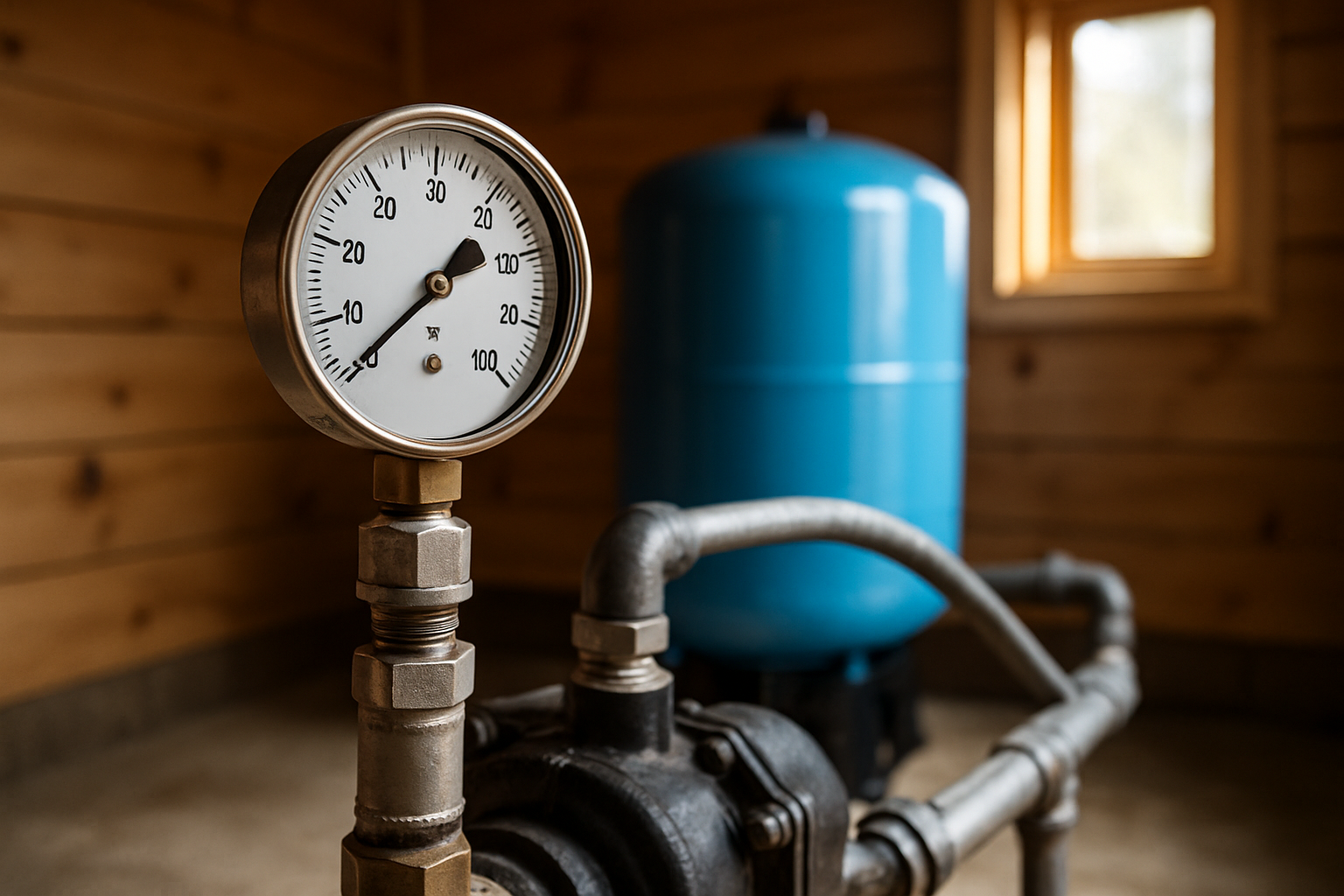
Low Water Pressure From Well
Diagnose and fix pressure problems before they get worse.
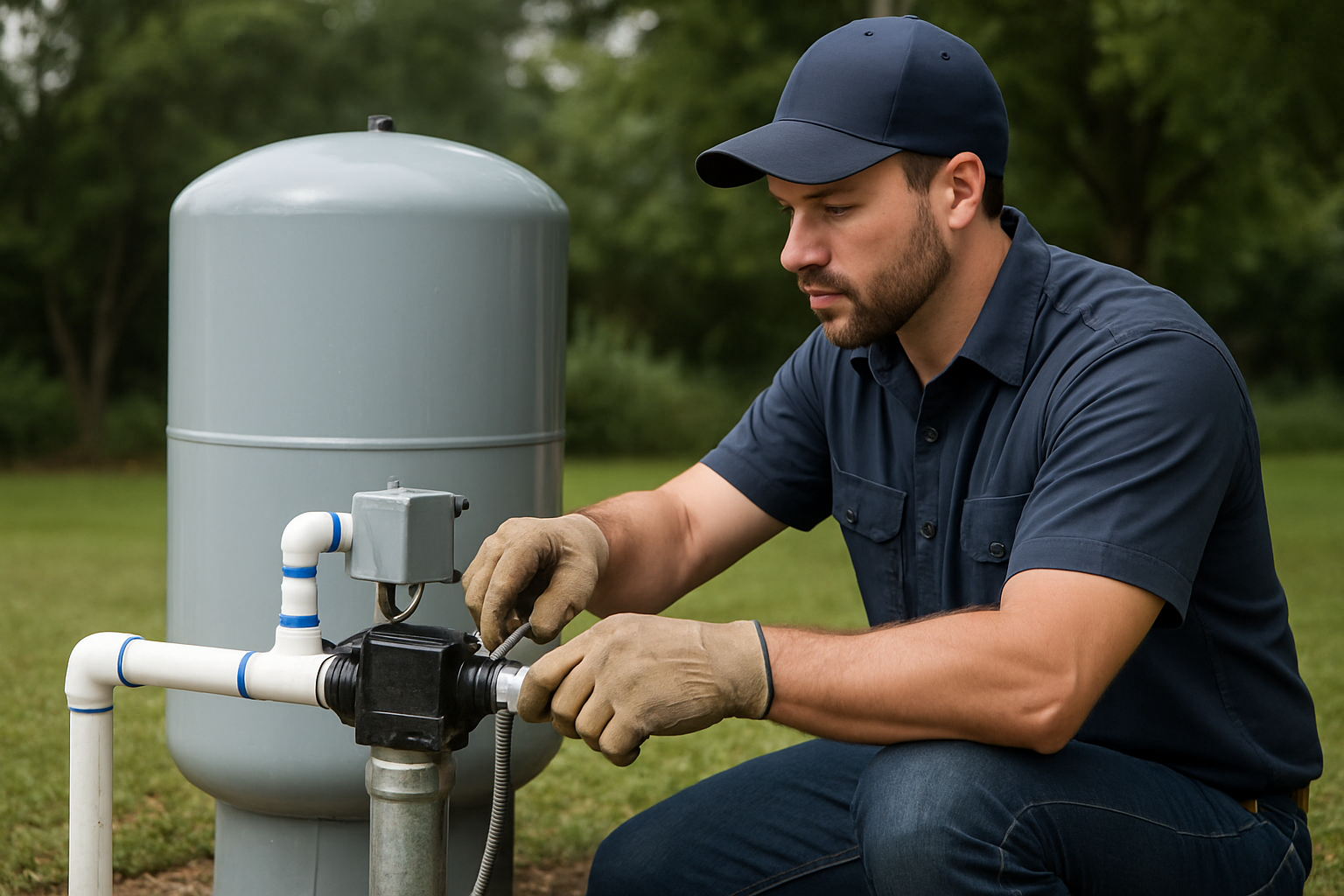
Well Maintenance Guide
Keep your well running smoothly with regular maintenance.
Our Locations
1077 Main St, Ramona, CA 92065
57174 CA-371 (US Hwy 79), Anza, CA 92539
Hydrofracturing for Carlsbad Wells
Carlsbad is a coastal city in northern San Diego County, stretching from the beaches and lagoons inland toward the rolling hills along El Camino Real and beyond. While most of the city is served by municipal water, a number of larger and more rural inland parcels still rely on private wells. If your Carlsbad well has lost yield, hydrofracturing may be able to restore it—but the answer depends heavily on where on this varied landscape your well sits.
Carlsbad's geology is genuinely mixed. Near the coast and the lagoons, wells draw from marine sandstone, the Santiago Formation, and coastal terrace sediments—layered, often weakly cemented materials that do not hold fractures well. Move inland and uphill, and wells are more likely to reach fractured bedrock, where groundwater travels through cracks in hard rock. Hydrofracturing was designed for that hard-rock setting. Coastal wells in sandstone and marine sediment are usually better served by well development or pump work, and we will tell you so honestly rather than sell a treatment that will not last.
How Hydrofracturing Works
The method is mechanical and chemical-free. We lower an inflatable packer into your well casing and seal off a specific section of the borehole, then inject clean water into that isolated zone at pressures usually between 1,500 and 3,000+ PSI. That pressure simultaneously flushes out the silt and mineral scale clogging the existing fractures and forces those fractures to open wider and extend deeper into the surrounding rock, opening fresh pathways for groundwater to reach the well.
Isolating one zone at a time focuses the pressure where it does the most good. Deeper wells may be treated in stages. A typical job runs four to eight hours, and the only thing entering the well is clean water—nothing like the chemical fracking used in oil and gas.
Why Carlsbad Wells Lose Yield
The causes differ depending on the formation:
- Fracture clogging (inland hard-rock wells): Sediment and mineral scale narrow the cracks that feed the well over years of pumping.
- Screen plugging (coastal sand wells): Fine sediment, iron bacteria, or mineral incrustation can choke the screen of a sand-aquifer well.
- Saltwater intrusion: Near the coast, over-pumping can pull seawater toward the freshwater zone, limiting how hard a well can safely run.
- Drought drawdown and demand: Dry cycles lower water levels, and added irrigation or household demand can outpace an aging well.
What to Check and Signs You Need Service
- The pump runs longer than it used to to refill the pressure tank.
- Pressure drops during peak use or in the afternoon.
- Faucets sputter air, meaning the water level is being drawn to the pump intake.
- Increasing sand or turbidity in the water—often a screen issue in coastal wells.
- A salty or brackish taste, which can indicate intrusion in coastal areas.
Time the pump's tank-refill cycle when idle versus during heavy use; a large gap indicates a recovery problem. Whether hydrofracturing is the answer depends on the formation feeding your particular well.
When to Call a Professional
Carlsbad's mix of coastal and inland geology makes professional diagnosis especially important. A worn pump, a failed pressure tank, a faulty switch, or a leaking drop pipe can all mimic a low-yield well. We start with a $125 diagnostic—credited toward any work we do—to find the true cause. If the problem is a simple part, that is what we will fix. When the well genuinely cannot keep up and the geology supports it, hydrofracturing is the right step before considering new drilling. For coastal wells where fracturing will not help, we recommend development or pump solutions instead.
Realistic Costs in San Diego County
- Hydrofracturing (where suitable): $3,000-$8,000 depending on depth and zones.
- New turnkey well: $18,000-$42,000 depending on depth and casing.
- Well rehabilitation / development: varies with scope.
- Submersible pump: $2,500-$5,500. Pressure tank: $600-$1,500. Pressure switch: $150-$350.
- Diagnostic: $125, credited toward the work.
On suitable inland fractured-rock wells, hydrofracturing improves yield roughly 70-80% of the time, with typical gains of two to five times the prior flow rate—at a fraction of the cost of drilling a new well.
Serving Carlsbad and Coastal North County
Southern California Well Service has served San Diego County well owners since 2020. We work throughout Carlsbad, La Costa, the lagoon areas, and the surrounding North County communities of Encinitas, Vista, and San Marcos. We are a licensed C-57 water well contractor (CSLB #1086994), carry, and provide same-day emergency response.
If your Carlsbad well is underperforming, let us assess it before you assume the worst. We will evaluate your well's formation and location honestly and recommend hydrofracturing only when it genuinely fits.
What to Expect During a Carlsbad Assessment
Because Carlsbad straddles coastal and inland geology, our assessment is especially important here. We run a pre-treatment flow test, inspect the casing and screen with a downhole camera, and review the well's records to determine what formation feeds it. For an inland well in fractured bedrock, we identify the productive fracture zones and treat them with targeted packer placement. For a coastal well in sandstone or marine sediment, we instead evaluate whether well development, screen rehabilitation, or pump replacement is the right move.
When we do hydrofracture a suitable well, a post-treatment flow test confirms the result before we leave, and recovery usually stabilizes within a day or two. Either way, you receive documented measurements so you can see exactly what changed.
Water Resilience in Coastal North County
Carlsbad is well known for its investment in water resilience, including the major desalination facility that supplies the region. For individual well owners, the same principle applies on a smaller scale: getting the most reliable, sustainable output from your own source. Whether that means rehabilitating an inland fractured-rock well or carefully developing a coastal sand well, the goal is steady, dependable water without overdrawing the aquifer or inviting saltwater intrusion. We help you find that balance for your specific property. For a property owner weighing options, that clarity is worth a great deal: it lets you spend your money on the fix that matches your geology instead of guessing. We bring since 2020 of San Diego County experience to that judgment, and we put the results in writing so you can see the value of the work for yourself.
Frequently Asked Questions
Will hydrofracturing work on a Carlsbad well?
It depends on where the well sits and what it is finished in. Carlsbad spans coastal terraces near the lagoons and more elevated inland areas. Coastal wells in marine sandstone and sediments are usually poor candidates, while inland Carlsbad wells that reach fractured bedrock can respond very well. Our on-site assessment determines which category your well falls into.
How deep are wells in Carlsbad?
Local wells commonly range from roughly 150 to 400 feet. Coastal properties often need deeper wells to stay below the saltwater zone, while inland areas can find good water at shallower depths. Depth and formation together determine whether hydrofracturing is appropriate.
Is there a saltwater intrusion risk near the coast?
Yes. Coastal Carlsbad wells must be managed so that pumping does not draw seawater toward the freshwater aquifer. We take intrusion risk into account before recommending any treatment, and for coastal wells we often suggest development or pump work over hydrofracturing.
Does the process use any chemicals?
No. Water-well hydrofracturing uses only clean water under high pressure to clean and open natural rock fractures. There are no chemicals, sand, or gels. We disinfect the well afterward and recommend a bacteria test before returning it to service.
How does the cost compare to a new well?
Hydrofracturing typically costs $3,000-$8,000, while a new turnkey well in San Diego County runs $18,000-$42,000. When a well is a suitable candidate, rehabilitating it is dramatically cheaper than drilling new.
How quickly can you respond?
We schedule assessments promptly and offer same-day emergency service if your Carlsbad property has lost water. Call (760) 440-8520 or text (760) 219-5877 to get started.
What if my Carlsbad well turns out not to be a good candidate?
Then we tell you plainly and recommend what will actually help, whether that is well development to clean a clogged screen, a pump or pressure-tank replacement, or addressing a saltwater-intrusion concern. Our $125 diagnostic is credited toward whatever work you choose, so the assessment is never wasted money. We would rather earn your trust with an honest answer than sell a treatment that will not last.
Ready to Restore Your Well?
Talk to a licensed C-57 well professional about your Carlsbad well today. We offer free estimates, honest assessments, and same-day emergency service when you are out of water. Call us at (760) 440-8520 or text (760) 219-5877 to schedule your assessment.