
Hydrofracturing Well Services in Carmel Valley, CA
Is your well in Carmel Valley producing less water than it used to? Hydrofracturing (also called hydrofracking) could be the solution to restore and even improve your well's water production without the expense of drilling a new well.
📋 In This Guide
- What is Hydrofracturing?
- Signs Your Carmel Valley Well Needs Hydrofracturing
- The Hydrofracturing Process
- Cost vs. New Well Drilling in Carmel Valley
- Why Choose SCWS for Hydrofracturing?
- Related Articles
Southern California Well Service provides professional hydrofracturing services throughout San Diego County to help homeowners and property owners increase their well yield.
What is Hydrofracturing?
Hydrofracturing is a well rehabilitation technique that uses high-pressure water to clean and expand existing fractures in the bedrock surrounding your well. This process:
- Clears mineral deposits and sediment blocking water flow
- Opens new pathways for groundwater to reach your well
- Can increase well yield by 2-10 times in many cases
- Extends the life of your existing well
Unlike oil and gas fracking, well hydrofracturing uses only clean water—no chemicals are involved.
Signs Your Carmel Valley Well Needs Hydrofracturing
- Declining water production over time
- Well runs dry during peak usage
- Slow recovery rate after pumping
- Pump cycling on and off frequently
- Lower water pressure than previous years
The Hydrofracturing Process
- Initial Assessment: We evaluate your well's current yield and condition
- Equipment Setup: Specialized high-pressure equipment is positioned at your well
- Isolation: Packers seal off sections of the well for targeted treatment
- Pressurization: Water is pumped at 500-3,000 PSI to fracture bedrock
- Development: Well is cleaned and tested for improved yield
Cost vs. New Well Drilling in Carmel Valley
In Carmel Valley, drilling a new well can cost $15,000-$50,000+ depending on depth. Hydrofracturing typically costs a fraction of that—often $3,000-$8,000—making it an excellent first option before considering a new well.
Many Carmel Valley wells that appear to be "going dry" can be successfully rehabilitated through hydrofracturing, saving homeowners tens of thousands of dollars.
Why Choose SCWS for Hydrofracturing?
- Founded 2020 · 60+ Years Family Heritage: We've rehabilitated thousands of wells across Southern California
- Licensed C-57 Contractor. CSLB License #1086994. Fully licensed for well drilling and service in California
- Specialized Equipment: Professional-grade hydrofracturing equipment
- Free Estimates: We'll assess your well and provide honest recommendations
Need Help With Your Well in Carmel Valley?
Our expert technicians serve Carmel Valley and all of San Diego County with professional well services.
Related Articles
Continue learning about well maintenance and troubleshooting

Signs Your Well Pump Is Failing
Catch pump problems early before you lose water completely.
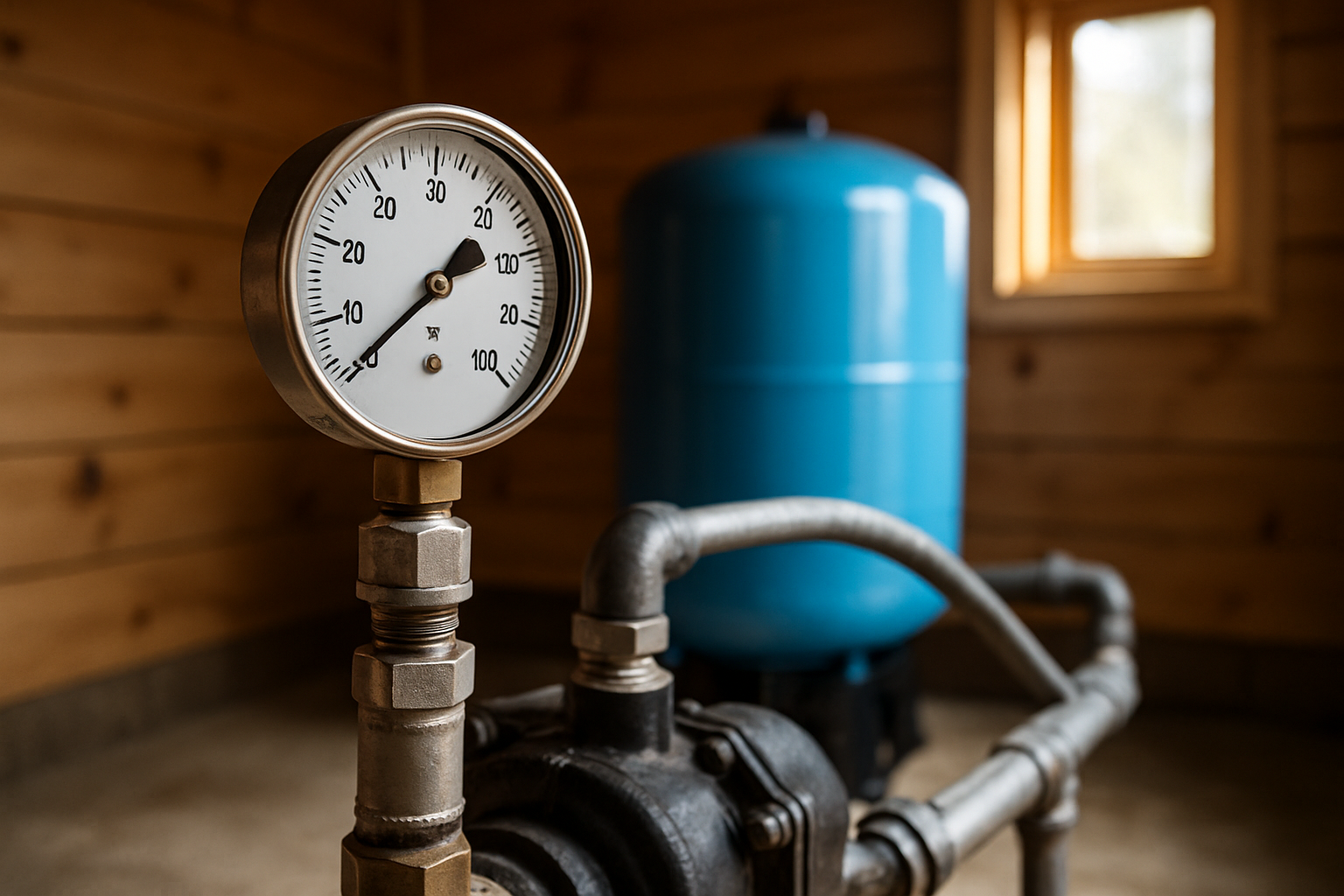
Low Water Pressure From Well
Diagnose and fix pressure problems before they get worse.
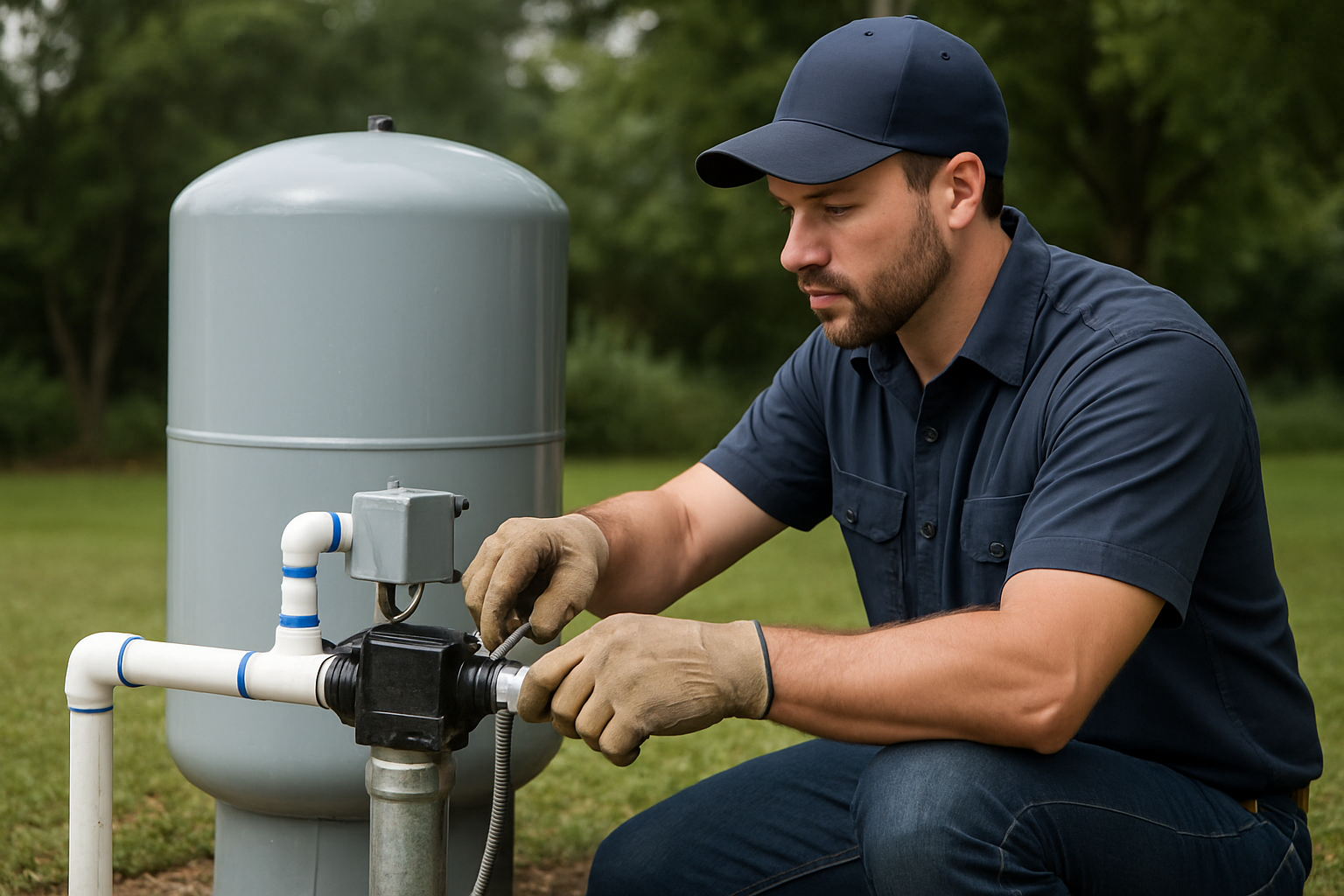
Well Maintenance Guide
Keep your well running smoothly with regular maintenance.
Our Locations
1077 Main St, Ramona, CA 92065
57174 CA-371 (US Hwy 79), Anza, CA 92539
Hydrofracturing and Carmel Valley Wells
Carmel Valley is a coastal community in the northwestern reaches of the City of San Diego, in San Diego County, set among the mesas and canyons north of Los Peñasquitos Lagoon and east of the Torrey Pines bluffs. Most of the area is on municipal water, but some larger parcels and canyon-edge properties still draw from private wells. If your Carmel Valley well has lost yield, you may be considering hydrofracturing—and we want to be straight with you about when it helps and when it does not.
The honest starting point is geology. Hydrofracturing creates and reopens fractures in hard, crystalline bedrock, where groundwater moves through cracks. Much of coastal Carmel Valley sits instead on layered sandstone and marine-terrace deposits—the same coastal formations that characterize this part of San Diego County. These weakly cemented sands and sandstones do not hold fractures the way granite does; pressurize them and they tend to slump or simply re-fill, so a fracture treatment rarely produces lasting improvement. We will not recommend hydrofracturing for a well like that. Some inland and canyon properties do reach fractured bedrock and can be genuine candidates, which is why each well needs its own assessment.
How Hydrofracturing Works (and Where It Belongs)
For a well finished in suitable hard rock, the process is simple and chemical-free. We seal off a section of the casing with an inflatable packer and inject clean water at pressures generally between 1,500 and 3,000+ PSI. That pressure flushes silt and mineral scale from the existing fractures and forces them to open wider and reach farther into the bedrock, creating new pathways for groundwater. Only clean water enters the well—no chemicals, sand, or gels, and nothing resembling the chemical fracking used in oil and gas.
The deciding factor is always the formation. In fractured rock the treatment can dramatically improve yield; in coastal sandstone it generally cannot. An on-site evaluation tells us which situation you are in.
Why Carmel Valley Wells Lose Yield
- Screen plugging: Sand and sandstone wells rely on a screen, which can clog over time with fine sediment, iron bacteria, or mineral incrustation, restricting flow.
- Pump or equipment failure: A worn pump or a failed pressure tank can imitate a low-yield well even when the formation is fine.
- Saltwater intrusion: Coastal over-pumping can pull saltwater toward the freshwater zone, limiting how hard the well can be run.
- Aquifer drawdown: Dry years and surrounding pumping lower the shallow water table that coastal wells depend on.
What to Check and Signs of Trouble
- The pump runs longer than it once did to refill the pressure tank.
- Water pressure drops during peak use or late in the day.
- Faucets sputter air, meaning the level is being drawn to the pump.
- Increasing sand, sediment, or turbidity—often a screen issue in coastal wells.
- A salty or brackish taste, a possible sign of intrusion.
Time the pump's tank-refill cycle when idle and during heavy use; a large gap signals a recovery problem. On a coastal Carmel Valley well, though, the right fix is more often development, screen rehabilitation, or pump work than hydrofracturing.
When to Call a Professional
With so many possible causes—and with the wrong treatment capable of wasting money or worsening intrusion—professional diagnosis is especially valuable on coastal wells. We start with a $125 diagnostic, credited toward any work we perform, to determine whether the trouble is a clogged screen, a failing pump, a pressure-system fault, or a genuine yield problem. Only then do we recommend a path forward, and we will steer you away from hydrofracturing when your geology does not support it.
Realistic Costs
- Hydrofracturing (where suitable): $3,000-$8,000.
- New turnkey well: $18,000-$42,000 depending on depth and casing.
- Well rehabilitation / development: varies with scope—often the right call for coastal wells.
- Submersible pump: $2,500-$5,500. Pressure tank: $600-$1,500. Pressure switch: $150-$350.
- Diagnostic: $125, credited toward the work.
Serving Carmel Valley and Coastal San Diego
Southern California Well Service has founded in 2020, with 60+ years of family heritage across San Diego County. We serve Carmel Valley along with Del Mar, Rancho Peñasquitos, Torrey Pines, and the surrounding coastal and inland communities. We are a licensed C-57 water well contractor (CSLB #1086994) with CSLB #1086994 and same-day emergency response.
If your Carmel Valley well is underperforming, talk to us before committing to any treatment. We will tell you honestly whether hydrofracturing fits your geology—and when it does not, we will point you to the development, screen, or pump work that actually will.
An Honest Assessment Comes First
On the coastal side of San Diego, the most useful thing we can offer is candor. When we assess a Carmel Valley well, we run a flow test, inspect the casing and screen with a downhole camera, and review the well's completion records to learn exactly what formation it draws from. If it is screened in sand or weakly cemented sandstone, we will explain plainly why hydrofracturing is unlikely to produce a lasting gain, and we will lay out the alternatives that genuinely fit.
For many coastal wells, the real improvement comes from proper well development—surging and cleaning the screen to clear the fine sediment and biofouling that throttle flow—or from replacing worn pump equipment. These measures can restore a coastal well's performance without the false promise of a fracture treatment the geology cannot support.
Pumping Sustainably Near the Coast
Carmel Valley's coastal wells share the same balancing act as the rest of San Diego's shoreline: freshwater floats above denser saltwater, and pumping too hard can draw that boundary upward and inland. Sustainable pumping—matched to what the aquifer can replenish—protects your water quality over the long run. We help coastal well owners understand that balance so their wells keep delivering clean water for years, rather than trading long-term reliability for a short-term bump in yield. For coastal property owners, that long-term view is the whole point. A well that is managed sustainably and maintained properly will outlast one that is pushed hard for a short-lived boost. We bring more than thirty years of San Diego County experience to that judgment, and we would always rather set you up for years of dependable water than chase a number that the aquifer cannot sustain.
Frequently Asked Questions
Is hydrofracturing a fit for Carmel Valley wells?
It depends on the formation. Carmel Valley, in coastal San Diego near Los Peñasquitos, sits largely on sandstone and marine-terrace deposits, which generally do not respond well to hydrofracturing. Inland and canyon properties that reach fractured bedrock can be candidates. We assess each well before recommending anything—and we are candid when fracturing is not the right tool.
Why doesn't hydrofracturing work well in sandstone?
Hydrofracturing depends on opening cracks that stay open in solid rock. Weakly cemented sandstone and marine sediments tend to slump or re-fill instead of holding a fracture, so the gains usually do not last. For those wells, well development, screen rehabilitation, or pump work is generally the better solution.
Is saltwater intrusion a concern in Carmel Valley?
Near the coast it can be. Over-pumping a coastal well can draw saltwater toward the freshwater zone. We factor intrusion risk into any recommendation, which is one more reason coastal wells deserve careful assessment before treatment.
What does a diagnostic cost?
Our diagnostic visit is $125 and is credited toward any work we perform. It tells you honestly whether hydrofracturing, well development, or pump work is the right path for your specific well.
What are the alternatives if fracturing won't help?
Common alternatives include mechanical or chemical well development to clean the screen, replacing a worn pump, fixing a failed pressure tank or switch, or rehabilitating the well screen. Our assessment points you to whichever applies.
How much does a new well cost if it comes to that?
A new turnkey well in San Diego County typically runs $18,000-$42,000 depending on depth and casing. Because that is a major investment, we always look first at whether your existing well can be rehabilitated more affordably.
How do I know whether my Carmel Valley well reaches fractured rock or sandstone?
Your well's original completion or driller's report usually records the formations it passed through, and a downhole camera survey confirms the current picture. We review both during the assessment. Wells that bottom out in fractured crystalline rock can be candidates for hydrofracturing; those screened in coastal sandstone or sand generally are not, and we will recommend development or pump work instead.
Ready to Restore Your Well?
Talk to a licensed C-57 well professional about your Carmel Valley well today. We offer free estimates, honest assessments, and same-day emergency service when you are out of water. Call us at (760) 440-8520 or text (760) 219-5877 to schedule your assessment.