
Hydrofracturing Well Services in Chino Hills, CA
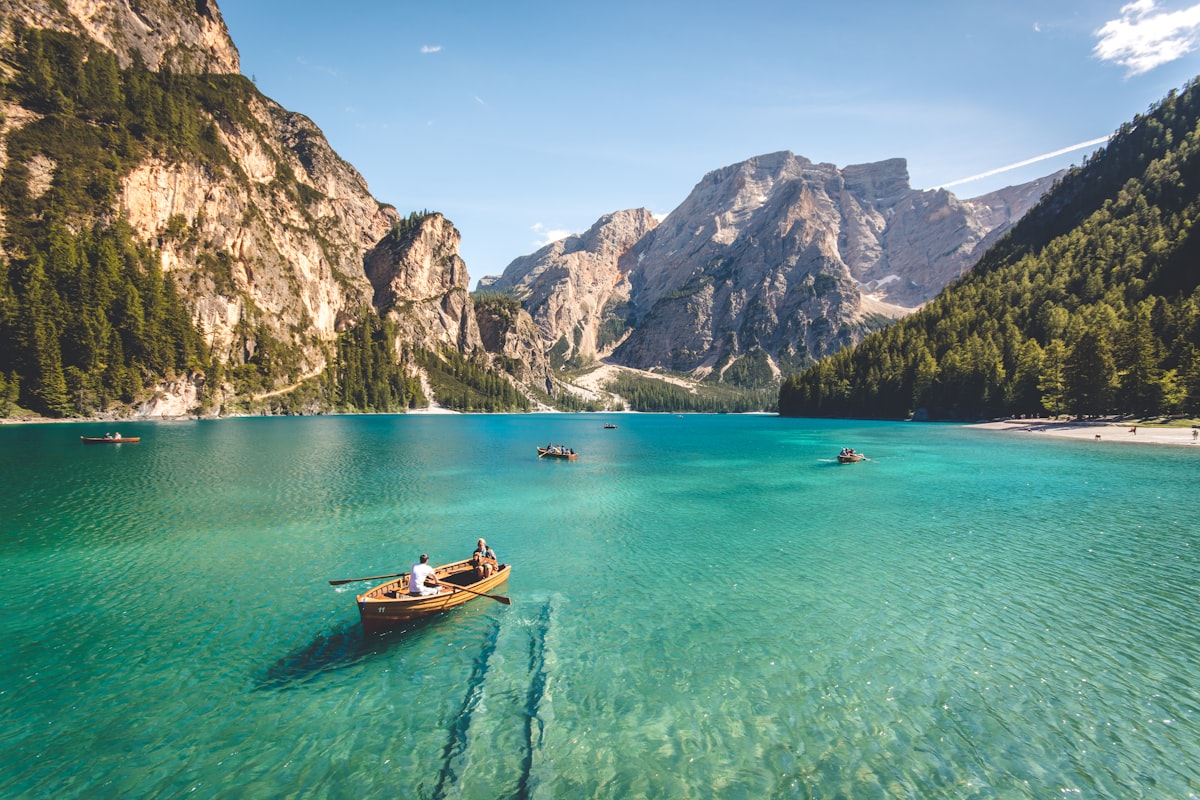
Is your well in Chino Hills producing less water than it used to? Hydrofracturing (also called hydrofracking) could be the solution to restore and even improve your well's water production without the expense of drilling a new well.
📋 In This Guide
- What is Hydrofracturing?
- Signs Your Chino Hills Well Needs Hydrofracturing
- The Hydrofracturing Process
- Cost vs. New Well Drilling in Chino Hills
- Why Choose SCWS for Hydrofracturing?
- Related Articles
Southern California Well Service provides professional hydrofracturing services throughout San Bernardino County to help homeowners and property owners increase their well yield.
What is Hydrofracturing?
Hydrofracturing is a well rehabilitation technique that uses high-pressure water to clean and expand existing fractures in the bedrock surrounding your well. This process:
- Clears mineral deposits and sediment blocking water flow
- Opens new pathways for groundwater to reach your well
- Can increase well yield by 2-10 times in many cases
- Extends the life of your existing well
Unlike oil and gas fracking, well hydrofracturing uses only clean water—no chemicals are involved.
Signs Your Chino Hills Well Needs Hydrofracturing
- Declining water production over time
- Well runs dry during peak usage
- Slow recovery rate after pumping
- Pump cycling on and off frequently
- Lower water pressure than previous years
The Hydrofracturing Process
- Initial Assessment: We evaluate your well's current yield and condition
- Equipment Setup: Specialized high-pressure equipment is positioned at your well
- Isolation: Packers seal off sections of the well for targeted treatment
- Pressurization: Water is pumped at 500-3,000 PSI to fracture bedrock
- Development: Well is cleaned and tested for improved yield
Cost vs. New Well Drilling in Chino Hills
In Chino Hills, drilling a new well can cost $15,000-$50,000+ depending on depth. Hydrofracturing typically costs a fraction of that—often $3,000-$8,000—making it an excellent first option before considering a new well.
Many Chino Hills wells that appear to be "going dry" can be successfully rehabilitated through hydrofracturing, saving homeowners tens of thousands of dollars.
Why Choose SCWS for Hydrofracturing?
- Founded 2020 · 60+ Years Family Heritage: We've rehabilitated thousands of wells across Southern California
- Licensed C-57 Contractor. CSLB License #1086994. Fully licensed for well drilling and service in California
- Specialized Equipment: Professional-grade hydrofracturing equipment
- Free Estimates: We'll assess your well and provide honest recommendations
Need Help With Your Well in Chino Hills?
Our expert technicians serve Chino Hills and all of San Bernardino County with professional well services.
Related Articles
Continue learning about well maintenance and troubleshooting

Signs Your Well Pump Is Failing
Catch pump problems early before you lose water completely.
Low Water Pressure From Well
Diagnose and fix pressure problems before they get worse.
Well Maintenance Guide
Keep your well running smoothly with regular maintenance.
Our Locations
1077 Main St, Ramona, CA 92065
57174 CA-371 (US Hwy 79), Anza, CA 92539
Hydrofracturing for Chino Hills Wells
Chino Hills occupies the rolling southwestern corner of San Bernardino County, where the hills rise between the Chino Valley and the Orange County line near Carbon Canyon. Most of the city draws on municipal supply, but the equestrian and semi-rural pockets, the older properties in Los Serranos and Sleepy Hollow, and parcels along Carbon Canyon and the agricultural fringe toward the city of Chino still rely on private wells. Those wells sit on the edge of the Chino Groundwater Basin, part of the larger Upper Santa Ana Valley system, where alluvial sediments meet the harder, less permeable bedrock that forms the Chino Hills themselves. When a well in this transition zone starts to fade, hydrofracturing (also called hydrofracking) is frequently the most economical way to recover yield without drilling a new well on hilly terrain.
Whether a Chino Hills well responds to hydrofracturing depends largely on what it is drilled into. Wells set in or near the fractured bedrock of the hills tend to be excellent candidates, while wells screened in deep clean alluvium on the valley floor may be better served by other methods. A proper assessment, including a look at the original well log and a flow test, tells the difference and keeps you from spending money on the wrong fix.
How Hydrofracturing Works
Hydrofracturing is a well-rehabilitation process that uses only clean, high-pressure water. No chemicals are introduced, which is important in a basin like Chino that has worked hard for decades to manage and protect its groundwater quality. The steps are straightforward:
- Packers isolate the target zone. Inflatable packers are set in the casing and inflated to seal off a chosen section of the well, focusing all the pressure where the water-bearing rock is.
- High-pressure water is injected. Clean water is pumped into the isolated zone at pressures generally between 1,500 and 3,000-plus PSI, flushing silt and mineral scale out of the existing fractures.
- Fractures open and link up. The pressure widens those fractures and can connect the borehole to nearby water-bearing cracks, enlarging the network of rock feeding the well.
- The well is developed and tested. Afterward we surge and pump the well to clear debris, then run a flow test to confirm the gain.
Why Chino Hills Wells Lose Yield
In this part of San Bernardino County, several local factors commonly reduce well performance:
- Fracture and perforation plugging. Fine sediment from weathered bedrock and surrounding alluvium gradually fills the fractures and screen openings that feed the well.
- Mineral scaling. Hard groundwater in the Chino Basin leaves calcium and iron deposits that build up across the intake and fracture faces.
- Basin water-level changes. The Chino Basin is intensively managed, and local water levels shift with pumping and recharge; a well that sat comfortably in the water column can end up closer to the bottom.
- Transition-zone geology. Wells drilled where alluvium meets the bedrock of the hills can lose productive contact with fractures over time, which hydrofracturing can reopen.
- Biofouling near the borehole. Iron and slime-forming bacteria can colonize the area around the intake over many years, building up a film that quietly restricts how freely water enters the well.
Signs Your Well May Need Hydrofracturing
These patterns, especially several together, point toward a yield problem rather than a simple equipment fault:
- Output that has declined gradually over several years rather than dropping suddenly.
- The well runs short during summer irrigation or when watering pasture and livestock, then recovers overnight.
- The pump cycles on and off more frequently than it once did.
- Faucets spit air when multiple fixtures run at the same time.
- A newer well, drilled into rock, that never delivered the gallons-per-minute you expected.
Before assuming the worst, rule out cheaper culprits. A failing pump, a waterlogged pressure tank, or a bad pressure switch can each mimic a low-yield well, and all are far less expensive to address.
What to Check Before You Call
- Watch the timing. A shortage that shows up under heavy summer demand and clears in cooler months usually reflects recovery rate, which is exactly what hydrofracturing improves.
- Inspect the pressure tank. A tank that feels solid with no air cushion likely has a failed bladder, an easy fix that has nothing to do with the well itself.
- Account for demand. Added livestock, expanded landscaping, or a new household member can outpace a modest well that was always near its limit.
- Look at the water. Grit or cloudiness can mean sediment is moving through the formation and collecting near the intake.
- Find your well log. The original driller's report showing depth and water-bearing zones helps a technician judge whether your well is a good hydrofracturing candidate.
When to Call a Professional
Hydrofracturing demands specialized high-pressure equipment, correctly sized packers, and the experience to interpret how a particular formation will respond. It is not a job for a homeowner. Contact a licensed well contractor when your yield has clearly fallen, when a flow test confirms production below your needs, or when you are comparing rehabilitation against the cost of a new well on a sloped Chino Hills lot. A professional always starts with a casing inspection, often by camera, because the treatment is only suitable when the casing is intact and the well draws from fractured rock rather than loose sand. That inspection also catches corrosion or perforation damage that might otherwise be mistaken for a formation problem.
What Hydrofracturing and Related Work Costs
Final pricing depends on depth, casing condition, and how many zones need treatment, but here are realistic ranges for the Chino Hills area:
- Hydrofracturing: $3,000 to $8,000 for most residential wells.
- New well, turnkey: $18,000 to $42,000, which is why rehabilitation is usually the first option.
- Well rehabilitation or deepening: varies with depth and condition.
- Pump replacement: $2,500 to $5,500.
- Pressure tank: $600 to $1,500.
- Pressure switch: $150 to $350.
- Diagnostic visit: $125, credited toward the work if you proceed.
Serving Chino Hills and San Bernardino County
Southern California Well Service provides hydrofracturing and full well service across Chino Hills and the surrounding communities, including Los Serranos, Sleepy Hollow, Carbon Canyon, and out toward Chino, Diamond Bar, and the Santa Ana River corridor. We serve well owners throughout San Bernardino County from our offices in Ramona and Anza. Founded in 2020, with 60+ years of family heritage, we know how wells in the Chino Basin and the surrounding hills behave and what it takes to restore healthy production.
Frequently Asked Questions
Is hydrofracturing the same as oil and gas fracking?
No. Water-well hydrofracturing uses only clean water to reopen existing fractures in shallow rock. There are no chemicals, no proppants, and no deep shale formations involved. It is a long-established well-rehabilitation method that is completely separate from oil and gas extraction.
Will hydrofracturing work on my Chino Hills well?
It depends on your geology. Wells drawing from the fractured bedrock of the hills respond well, often improving two to five times. Wells screened in deep, loose alluvium on the valley floor are generally weaker candidates. We inspect the casing and formation before recommending the treatment.
How long does the process take?
Most residential jobs finish in a single day. The high-pressure injection itself runs roughly four to eight hours depending on how many zones we treat, and we flow-test afterward, usually confirming results within 24 to 48 hours.
Could hydrofracturing affect my water quality?
Because only clean water is used, the treatment introduces nothing harmful. The Chino Basin has known groundwater-quality challenges from its agricultural history, so we recommend testing your water after any well work simply as good practice.
Is it cheaper than drilling a new well?
Almost always. Hydrofracturing runs $3,000 to $8,000, while a new turnkey well in the Chino Hills area runs $18,000 to $42,000 or more, and a hillside lot can complicate siting. For most low-yield wells it is the smart first step.
How much improvement can I expect?
In fractured-rock wells, yield gains of two to five times are common. Results vary by well, so we measure your baseline flow before treatment and again afterward so you can see exactly what changed.
Restore Your Chino Hills Well's Flow
If your well is producing less than it should, do not assume an expensive new one is the only path. Call Southern California Well Service for an honest assessment. Reach us at (760) 440-8520 or text (760) 219-5877 for same-day emergency service across Chino Hills and San Bernardino County.