
Hydrofracturing Well Services in Coachella, CA
Is your well in Coachella producing less water than it used to? Hydrofracturing (also called hydrofracking) could be the solution to restore and even improve your well's water production without the expense of drilling a new well.
📋 In This Guide
- What is Hydrofracturing?
- Signs Your Coachella Well Needs Hydrofracturing
- The Hydrofracturing Process
- Cost vs. New Well Drilling in Coachella
- Why Choose SCWS for Hydrofracturing?
- Related Articles
Southern California Well Service provides professional hydrofracturing services throughout Riverside County to help homeowners and property owners increase their well yield.
What is Hydrofracturing?
Hydrofracturing is a well rehabilitation technique that uses high-pressure water to clean and expand existing fractures in the bedrock surrounding your well. This process:
- Clears mineral deposits and sediment blocking water flow
- Opens new pathways for groundwater to reach your well
- Can increase well yield by 2-10 times in many cases
- Extends the life of your existing well
Unlike oil and gas fracking, well hydrofracturing uses only clean water—no chemicals are involved.
Signs Your Coachella Well Needs Hydrofracturing
- Declining water production over time
- Well runs dry during peak usage
- Slow recovery rate after pumping
- Pump cycling on and off frequently
- Lower water pressure than previous years
The Hydrofracturing Process
- Initial Assessment: We evaluate your well's current yield and condition
- Equipment Setup: Specialized high-pressure equipment is positioned at your well
- Isolation: Packers seal off sections of the well for targeted treatment
- Pressurization: Water is pumped at 500-3,000 PSI to fracture bedrock
- Development: Well is cleaned and tested for improved yield
Cost vs. New Well Drilling in Coachella
In Coachella, drilling a new well can cost $15,000-$50,000+ depending on depth. Hydrofracturing typically costs a fraction of that—often $3,000-$8,000—making it an excellent first option before considering a new well.
Many Coachella wells that appear to be "going dry" can be successfully rehabilitated through hydrofracturing, saving homeowners tens of thousands of dollars.
Why Choose SCWS for Hydrofracturing?
- Founded 2020 · 60+ Years Family Heritage: We've rehabilitated thousands of wells across Southern California
- Licensed C-57 Contractor. CSLB License #1086994. Fully licensed for well drilling and service in California
- Specialized Equipment: Professional-grade hydrofracturing equipment
- Free Estimates: We'll assess your well and provide honest recommendations
Need Help With Your Well in Coachella?
Our expert technicians serve Coachella and all of Riverside County with professional well services.
Related Articles
Continue learning about well maintenance and troubleshooting

Signs Your Well Pump Is Failing
Catch pump problems early before you lose water completely.
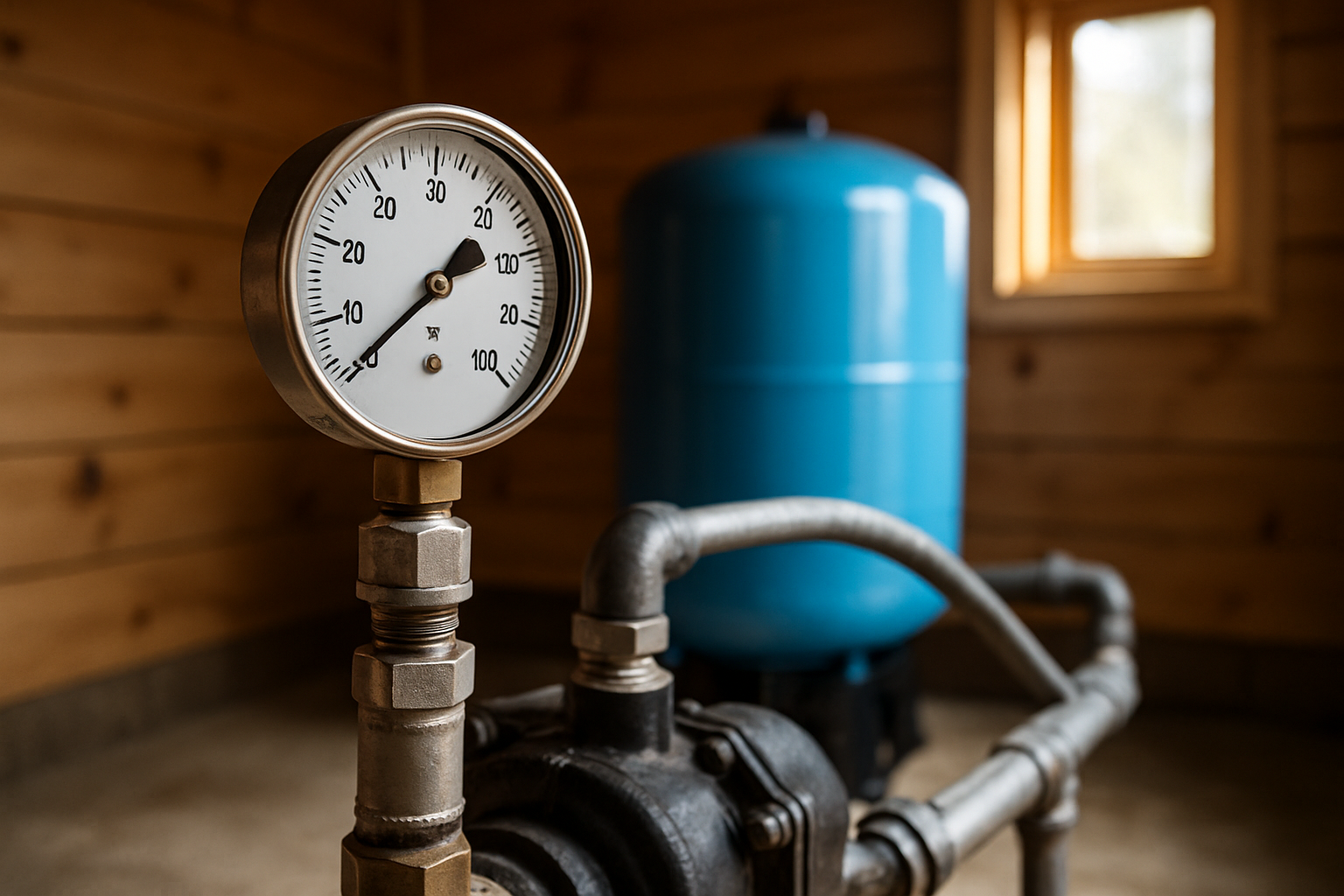
Low Water Pressure From Well
Diagnose and fix pressure problems before they get worse.
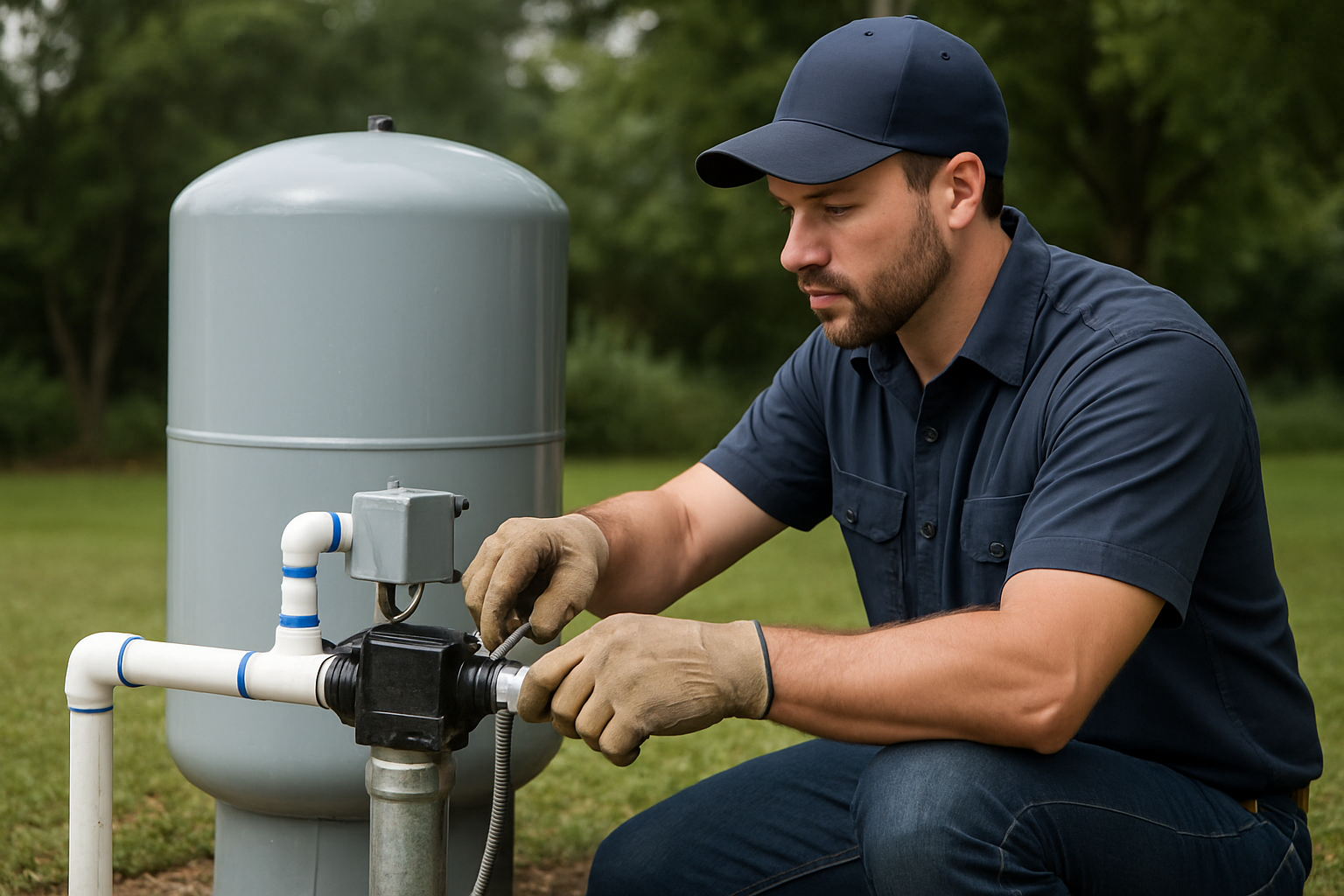
Well Maintenance Guide
Keep your well running smoothly with regular maintenance.
Our Locations
1077 Main St, Ramona, CA 92065
57174 CA-371 (US Hwy 79), Anza, CA 92539
Hydrofracturing for Coachella Valley Wells
Coachella sits at the agricultural heart of the eastern Coachella Valley, where private and irrigation wells have supported date palms, citrus, table grapes, and rural homesteads for generations. Unlike the granite-bound foothill communities to the west, Coachella draws its groundwater from a deep alluvial basin—layers of sand, gravel, and clay washed down over thousands of years from the surrounding San Bernardino, San Jacinto, and Little San Bernardino mountains. When a well here loses yield, the cause is rarely the same as it is up in the rock country, and the right rehabilitation approach has to match the local geology. Hydrofracturing (often spelled hydrofracking) is one of the most cost-effective tools available for restoring a struggling well in and around Coachella, particularly where a well is screened in tighter, finer-grained zones or where mineral scale has choked off the original water-bearing layers.
Southern California Well Service has worked since 2020 working on wells across Riverside County, and we approach every Coachella job by first understanding what the local aquifer is actually doing beneath your property. Whether you own a few acres off Avenue 50, a grove near Thermal, or a rural home toward the Salton Sea, declining water in this valley deserves a careful diagnosis before anyone talks about drilling something new.
How Hydrofracturing Works
Hydrofracturing is a well-rehabilitation process that uses nothing but clean, high-pressure water to reopen and clear the water-bearing pathways feeding your well. It shares a name with oil-and-gas fracking, but the two have almost nothing in common: there are no chemicals, no sand proppants, and no additives—just water pressure applied in a controlled, targeted way.
The process works like this. Our crew lowers a set of inflatable rubber packers into your well casing. When inflated, these packers seal off a specific section of the borehole, isolating the zone we want to treat so that all of the energy is directed exactly where it is needed. We then pump clean water into that isolated interval at pressures typically ranging from 1,500 to 3,000+ PSI. That pressure pushes water into the existing fractures, bedding planes, and water-bearing seams surrounding the borehole, flushing out the silt, clay, and mineral scale that have plugged them and widening the natural passages so groundwater can move freely again.
In a layered alluvial setting like the Coachella Valley, hydrofracturing is especially useful for breaking through the fine sediment and carbonate scale that accumulates against a well screen and in the gravel pack over years of pumping. By isolating and treating one zone at a time, we can work methodically from one productive interval to the next, then run a flow test to measure exactly how much the yield has improved.
Why Coachella Wells Lose Yield
Several patterns show up again and again on wells around Coachella, Thermal, Mecca, and the surrounding farmland:
- Mineral scale and incrustation. Groundwater in the eastern valley often carries high levels of dissolved calcium, carbonates, and iron. Over time these minerals precipitate out and coat the well screen and gravel pack, slowly strangling flow. This is one of the most common—and most treatable—causes of decline here.
- Fine sediment plugging. Wells screened in sandy alluvium can draw in silt and fine sand that packs into the screen openings and surrounding gravel, choking the well's intake.
- Declining regional water table. Heavy agricultural and municipal demand, plus long dry stretches, have lowered groundwater levels in parts of the valley. A well that was once comfortably below the water table may now sit near the bottom of available water during the hot summer pumping season.
- Bacterial and biofouling buildup. Iron-related bacteria can form slime that clogs screens, a frequent issue in warm desert groundwater.
- Aging well infrastructure. Many Coachella-area wells were drilled decades ago and have simply never been rehabilitated.
Hydrofracturing directly addresses scale, sediment plugging, and biofouling by mechanically reopening the formation around the borehole. Where the underlying problem is a dropping regional water table, we will tell you honestly that fracturing alone may not be the full answer—and we will walk you through the alternatives.
Signs Your Coachella Well May Need Hydrofracturing
Watch for these warning signs, especially as you move into the peak-demand summer months when desert irrigation and household use both spike:
- Your well produces noticeably less water than it did a few years ago.
- The well "draws down" quickly and the pump cycles on and off or runs dry during heavy use.
- Water pressure at the house or in irrigation lines has steadily weakened.
- Recovery is slow—after a long pumping session, the well takes much longer than it used to refill.
- You see more sediment, cloudiness, or sand in the water than before.
- A newly drilled well came in with disappointing yield from the start.
If two or more of these sound familiar, it is worth having the well evaluated before the next heat wave puts your supply to the test.
What to Check Before You Call
A few quick observations help us diagnose your well faster. Note roughly when the decline started and whether it tracks with the seasons. Check whether your pump is short-cycling. If you have any records of the well's original depth and yield, or the well completion report, have them ready. And note your typical demand—a few household fixtures versus several acres of date palms or citrus call for very different solutions.
When to Call a Professional
Hydrofracturing involves high-pressure equipment, downhole packers, and an accurate read of your well's construction and geology—this is not a do-it-yourself project. Call a licensed well contractor when your yield has dropped enough to affect daily use, when a new well has underperformed, or simply when you want a professional flow test and honest assessment before spending money on a replacement. The earlier a struggling well is evaluated, the more options you generally have. Southern California Well Service offers same-day emergency response for Coachella properties that have lost water entirely.
What Hydrofracturing Costs in Coachella
For most Coachella-area wells, hydrofracturing runs $3,000 to $8,000 depending on well depth, the number of zones treated, and site access. Compare that to drilling a brand-new well, which is a far larger investment—a turnkey new well typically runs $18,000 to $42,000. Because fracturing costs a fraction of replacement, it is almost always worth trying first on a well that is a reasonable candidate.
Related services and typical ranges include:
- Hydrofracturing: $3,000–$8,000
- New well (turnkey): $18,000–$42,000
- Well rehabilitation / deepening: varies by depth and condition
- Pump replacement: $2,500–$5,500
- Pressure tank: $600–$1,500
- Pressure switch: $150–$350
- Diagnostic visit: $125 (credited toward the work if you proceed)
We provide a clear written estimate before any work begins, so there are no surprises.
Serving Coachella and Riverside County
Southern California Well Service provides hydrofracturing and full well service throughout Coachella and the surrounding eastern Coachella Valley, including Thermal, Mecca, Oasis, Indio, La Quinta, and the agricultural districts stretching toward the Salton Sea. As a licensed C-57 water well contractor (CSLB #1086994) with offices in Ramona and Anza, we serve well owners across Riverside County and bring desert-specific experience to every job. Our team holds CSLB #1086994 and 60+ years of family heritage of restoring wells that other companies were ready to abandon.
Frequently Asked Questions
Does hydrofracturing use chemicals like oil-and-gas fracking?
No. Water-well hydrofracturing uses only clean, pressurized water. There are no chemicals, sand proppants, or additives involved. It is a long-established, environmentally safe method for rehabilitating drinking-water and irrigation wells.
Will hydrofracturing work on a well in the Coachella Valley's sandy soil?
It depends on how your well is built and screened. Hydrofracturing is most effective at clearing scale, fine sediment, and biofouling that have plugged the screen and gravel pack—problems that are common here. We always run a flow test and assess your well's construction first to confirm it is a good candidate before recommending the treatment.
How much can I expect my well's yield to improve?
Results vary with each well, but many wells see a meaningful increase in flow once the plugged pathways are reopened. We document your yield before and after with flow tests so you can see the actual improvement, not just a promise.
How long does the process take?
A typical hydrofracturing job takes about four to eight hours on site. We usually verify the improved yield with a post-treatment flow test within 24 to 48 hours.
Is hydrofracturing cheaper than drilling a new well?
Almost always. Hydrofracturing typically costs $3,000–$8,000, while a new turnkey well runs $18,000–$42,000. For a well that is a reasonable candidate, fracturing is the smart first step before considering replacement.
My summer water shortage is seasonal—can you help?
Often, yes. If your well draws down hard only during peak summer demand, reopening the formation can improve both yield and recovery rate. If the issue is a dropping regional water table, we will tell you honestly and discuss deepening or other options.
Restore Your Coachella Well's Water Today
If your well is struggling, don't wait for it to run dry in the middle of a desert summer. Call Southern California Well Service for an honest evaluation and a clear estimate. Phone (760) 440-8520 or text us at (760) 219-5877. We offer same-day emergency service and free estimates for well owners throughout Coachella and Riverside County.