
Hydrofracturing Well Services in Corona, CA
Is your well in Corona producing less water than it used to? Hydrofracturing (also called hydrofracking) could be the solution to restore and even improve your well's water production without the expense of drilling a new well.
📋 In This Guide
- What is Hydrofracturing?
- Signs Your Corona Well Needs Hydrofracturing
- The Hydrofracturing Process
- Cost vs. New Well Drilling in Corona
- Why Choose SCWS for Hydrofracturing?
- Related Articles
Southern California Well Service provides professional hydrofracturing services throughout Riverside County to help homeowners and property owners increase their well yield.
What is Hydrofracturing?
Hydrofracturing is a well rehabilitation technique that uses high-pressure water to clean and expand existing fractures in the bedrock surrounding your well. This process:
- Clears mineral deposits and sediment blocking water flow
- Opens new pathways for groundwater to reach your well
- Can increase well yield by 2-10 times in many cases
- Extends the life of your existing well
Unlike oil and gas fracking, well hydrofracturing uses only clean water—no chemicals are involved.
Signs Your Corona Well Needs Hydrofracturing
- Declining water production over time
- Well runs dry during peak usage
- Slow recovery rate after pumping
- Pump cycling on and off frequently
- Lower water pressure than previous years
The Hydrofracturing Process
- Initial Assessment: We evaluate your well's current yield and condition
- Equipment Setup: Specialized high-pressure equipment is positioned at your well
- Isolation: Packers seal off sections of the well for targeted treatment
- Pressurization: Water is pumped at 500-3,000 PSI to fracture bedrock
- Development: Well is cleaned and tested for improved yield
Cost vs. New Well Drilling in Corona
In Corona, drilling a new well can cost $15,000-$50,000+ depending on depth. Hydrofracturing typically costs a fraction of that—often $3,000-$8,000—making it an excellent first option before considering a new well.
Many Corona wells that appear to be "going dry" can be successfully rehabilitated through hydrofracturing, saving homeowners tens of thousands of dollars.
Why Choose SCWS for Hydrofracturing?
- Founded 2020 · 60+ Years Family Heritage: We've rehabilitated thousands of wells across Southern California
- Licensed C-57 Contractor. CSLB License #1086994. Fully licensed for well drilling and service in California
- Specialized Equipment: Professional-grade hydrofracturing equipment
- Free Estimates: We'll assess your well and provide honest recommendations
Need Help With Your Well in Corona?
Our expert technicians serve Corona and all of Riverside County with professional well services.
Related Articles
Continue learning about well maintenance and troubleshooting

Signs Your Well Pump Is Failing
Catch pump problems early before you lose water completely.
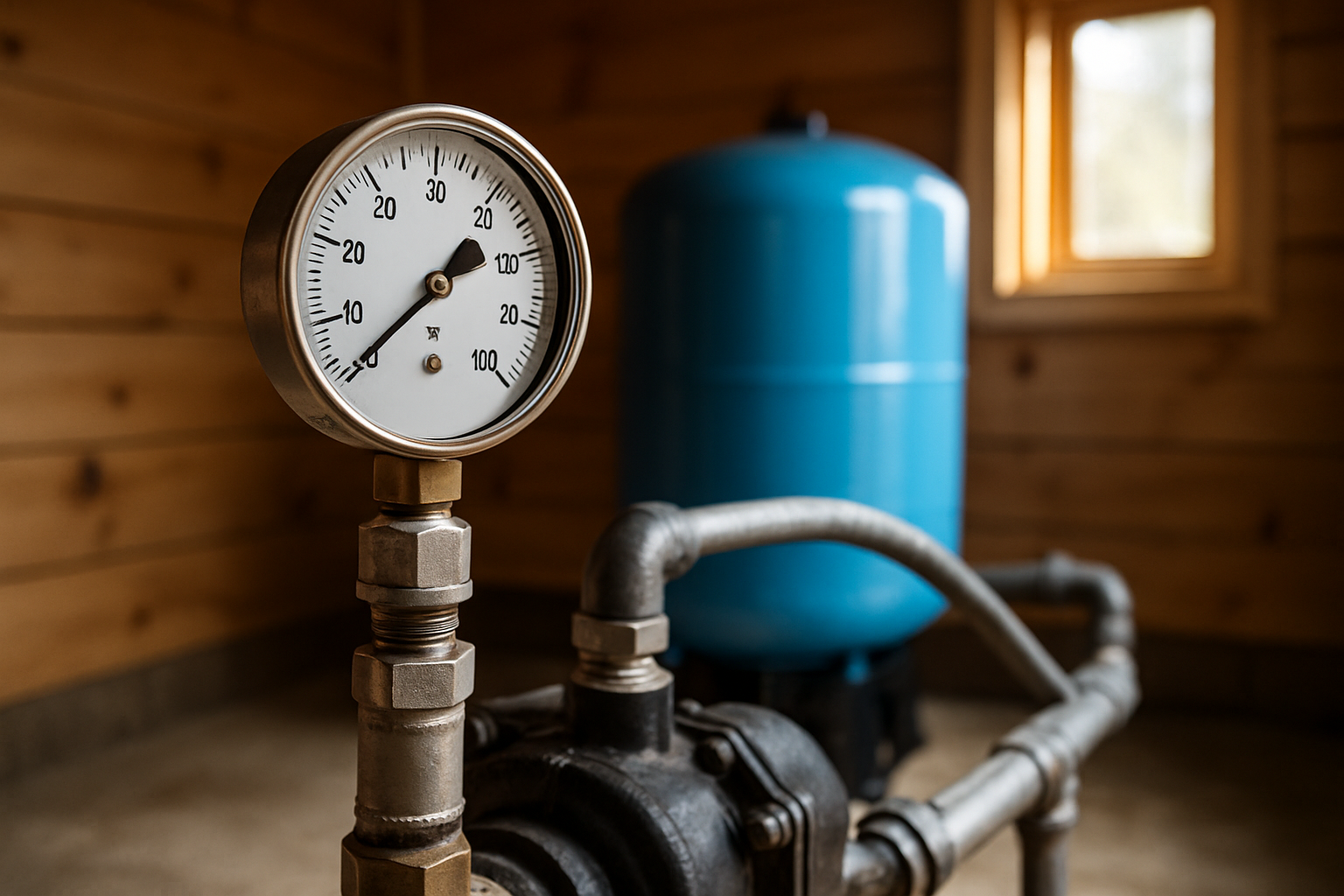
Low Water Pressure From Well
Diagnose and fix pressure problems before they get worse.
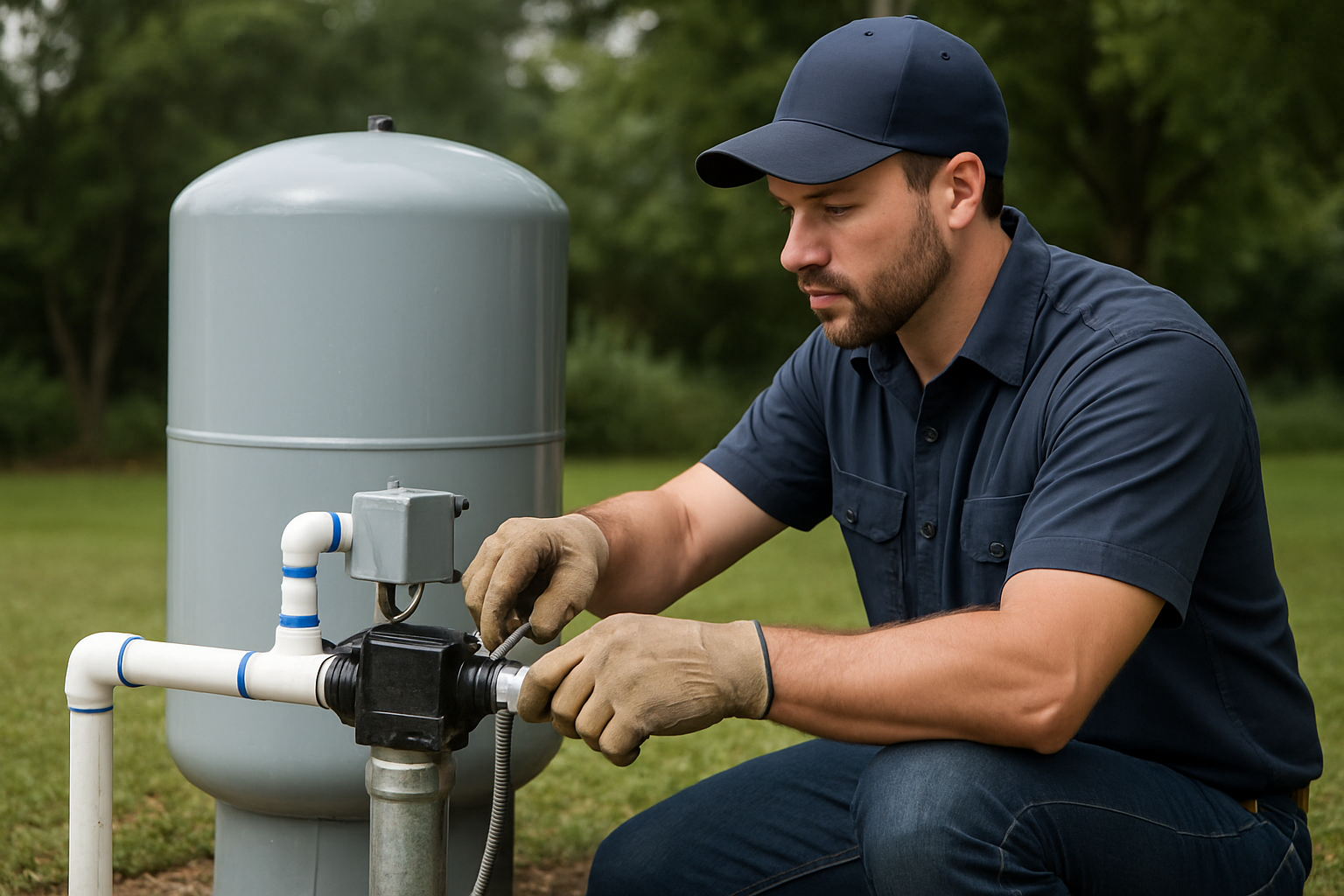
Well Maintenance Guide
Keep your well running smoothly with regular maintenance.
Our Locations
1077 Main St, Ramona, CA 92065
57174 CA-371 (US Hwy 79), Anza, CA 92539
Hydrofracturing for Corona and Temescal Valley Wells
Corona sits at the western edge of Riverside County, where the Santa Ana River canyon, the Temescal Valley, and the slopes of the Santa Ana Mountains and Cleveland National Forest come together. While much of the city proper is on municipal supply, the rural and semi-rural areas around it—Temescal Valley, Coronita, El Cerrito, and the horse properties and groves climbing into the foothills toward Corona's southern fringe—include a meaningful number of private and agricultural wells. These wells tap a mix of alluvial valley fill and fractured granitic and metamorphic bedrock, and when one starts losing yield, hydrofracturing (also written hydrofracking) is usually the most cost-effective way to restore flow without drilling a new well.
Southern California Well Service has worked on wells across Riverside County since 2020. We begin every Corona-area job by understanding the formation feeding your well, because a well drawing from valley alluvium behaves very differently from one completed in the hard rock of the surrounding hills, and each calls for a slightly different rehabilitation approach.
How Hydrofracturing Works
Hydrofracturing restores a well's output using clean, high-pressure water and nothing more. Despite the shared name, it has nothing in common with oil-and-gas fracking: there are no chemicals, no sand proppants, and no additives—only water pressure, applied in a controlled and targeted way.
On site, our crew lowers inflatable packers into the well casing and inflates them to isolate a chosen section of the borehole. We then pump clean water into that sealed interval at pressures usually between 1,500 and 3,000+ PSI. That pressure forces water out into the fractures, joints, and water-bearing seams surrounding the well, flushing out accumulated silt, clay, and mineral scale and widening the natural passages so groundwater moves freely again. Working zone by zone, we then run a flow test to measure exactly how much the yield improved.
For Corona's foothill wells in fractured granite, this is precisely the right tool: a hard-rock well only produces as much water as its fracture network delivers, and reopening clogged fractures is what high-pressure water does best. For valley wells screened in alluvium, the same process clears the screen and gravel pack of the fine material and scale that build up over years of pumping.
Because Corona straddles both kinds of geology, an experienced contractor will not assume one approach fits every property. We adjust packer depth, injection pressure, and the number of treated zones to match how your particular well was drilled and completed. That tailoring is the difference between a treatment that produces lasting results and one that fades within a season.
Why Corona-Area Wells Lose Yield
Around Corona and the Temescal Valley, declining wells tend to share a few causes:
- Clogged fractures in hard-rock wells. Foothill wells rely on a limited network of fractures that gradually seal with mineral deposits and fine sediment.
- Mineral scale and incrustation. Local groundwater often carries dissolved calcium and carbonates that coat the screen and fracture faces, slowly strangling flow.
- Sediment plugging in valley wells. Wells screened in alluvium draw in silt and fine sand that pack the screen and surrounding gravel.
- Drought-driven water-table decline. After long dry stretches, a shallower well can draw down to where it struggles to keep up with summer irrigation.
- Wells that have never been rehabilitated. Many Corona-area wells are decades old and have never been cleaned or developed since installation.
Hydrofracturing addresses clogged fractures, scale, and sediment directly. Where the real problem is a falling regional water table, we will say so plainly and discuss deepening or other options instead of overselling a fracture job that will not hold.
For horse properties and small groves in the Temescal Valley, where a single well may carry the entire irrigation and livestock load, catching a decline early and rehabilitating the well promptly can be the difference between a manageable repair and a summer water emergency.
Signs Your Corona Well May Need Hydrofracturing
Watch for these signs, especially as the dry Inland Empire summer ramps up demand:
- The well produces clearly less water than it did a few years ago.
- It draws down fast and the pump short-cycles or runs dry during heavy use.
- Water pressure to the house, barn, or irrigation system has weakened.
- Recovery is slow—the well takes much longer to refill after pumping.
- You notice more sand, grit, or cloudiness in the water.
- A recently drilled well came in weaker than you expected.
What to Check Before You Call
A little preparation speeds the diagnosis. Note when the decline began and whether it tracks with the seasons. Watch for pump short-cycling. Dig up any records of the well's depth, original yield, or completion report. And be ready to describe your demand—a household, a few irrigated acres, and a horse property each place a very different load on a well.
When to Call a Professional
Hydrofracturing uses high-pressure equipment and downhole packers and demands an accurate understanding of how your well was built—this is not a DIY job. Bring in a licensed C-57 well contractor when yield has dropped enough to affect your use, when a new well disappointed, or whenever you simply want a professional flow test and an honest assessment before spending on a replacement. Southern California Well Service offers same-day emergency response for Corona-area properties that have lost water entirely.
What Hydrofracturing Costs in Corona
For most Corona-area wells, hydrofracturing runs $3,000 to $8,000, depending on depth, the number of zones treated, and access at the site. Drilling a replacement is a far larger commitment—a turnkey new well typically runs $18,000 to $42,000. Because fracturing costs a fraction of replacement, it is almost always the smart first step on a well that is a reasonable candidate, and a successful job can add many more years of service before a new borehole is ever needed.
- Hydrofracturing: $3,000–$8,000
- New well (turnkey): $18,000–$42,000
- Well rehabilitation / deepening: varies by depth and condition
- Pump replacement: $2,500–$5,500
- Pressure tank: $600–$1,500
- Pressure switch: $150–$350
- Diagnostic visit: $125 (credited toward the work if you proceed)
You always receive a clear written estimate before any work begins.
Serving Corona and Riverside County
Southern California Well Service provides hydrofracturing and full well service throughout Corona and the surrounding western Riverside County, including the Temescal Valley, Coronita, El Cerrito, and the foothill and horse properties rising toward the Santa Ana Mountains. As a licensed C-57 water well contractor (CSLB #1086994) with offices in Ramona and Anza, we serve well owners across Riverside County and bring decades of hard-rock and valley well experience to every job. Our CSLB #1086994 reflects since 2020 of restoring wells other companies were ready to give up on.
Frequently Asked Questions
Does hydrofracturing use chemicals like oil-and-gas fracking?
No. Water-well hydrofracturing uses only clean, pressurized water. There are no chemicals, sand proppants, or additives. It is a safe, long-established method for rehabilitating water wells.
Will it work on a Corona-area well?
Often, yes. It is effective both at reopening clogged fractures in the foothill hard-rock wells common around Corona and at clearing scale and sediment from valley wells. We run a flow test and assess your well's construction first to confirm it is a good candidate.
How much can my yield improve?
Results vary by well, but many wells see a meaningful increase in flow once the plugged pathways are reopened. We document before-and-after yield with flow tests so you see the real improvement.
How long does the process take?
A typical job takes about four to eight hours on site, and we usually verify the improved yield with a post-treatment flow test within 24 to 48 hours.
Is it cheaper than drilling a new well?
Almost always. Hydrofracturing typically costs $3,000–$8,000 versus $18,000–$42,000 for a new turnkey well, making it the smart first step before considering replacement.
My well struggles only in summer—can you help?
Often, yes. If your well draws down hard during peak summer demand, reopening the formation can improve both yield and recovery rate. If the cause is a falling regional water table, we will tell you honestly and discuss deepening.
Restore Your Corona Well's Water Today
Don't let a struggling well leave you short during a hot Riverside County summer. Call Southern California Well Service for an honest evaluation and a clear estimate. Phone (760) 440-8520 or text us at (760) 219-5877. We offer same-day emergency service and free estimates throughout Corona and Riverside County.