
Hydrofracturing Well Services in Coronado, CA
Is your well in Coronado producing less water than it used to? Hydrofracturing (also called hydrofracking) could be the solution to restore and even improve your well's water production without the expense of drilling a new well.
📋 In This Guide
- What is Hydrofracturing?
- Signs Your Coronado Well Needs Hydrofracturing
- The Hydrofracturing Process
- Cost vs. New Well Drilling in Coronado
- Why Choose SCWS for Hydrofracturing?
- Related Articles
Southern California Well Service provides professional hydrofracturing services throughout San Diego County to help homeowners and property owners increase their well yield.
What is Hydrofracturing?
Hydrofracturing is a well rehabilitation technique that uses high-pressure water to clean and expand existing fractures in the bedrock surrounding your well. This process:
- Clears mineral deposits and sediment blocking water flow
- Opens new pathways for groundwater to reach your well
- Can increase well yield by 2-10 times in many cases
- Extends the life of your existing well
Unlike oil and gas fracking, well hydrofracturing uses only clean water—no chemicals are involved.
Signs Your Coronado Well Needs Hydrofracturing
- Declining water production over time
- Well runs dry during peak usage
- Slow recovery rate after pumping
- Pump cycling on and off frequently
- Lower water pressure than previous years
The Hydrofracturing Process
- Initial Assessment: We evaluate your well's current yield and condition
- Equipment Setup: Specialized high-pressure equipment is positioned at your well
- Isolation: Packers seal off sections of the well for targeted treatment
- Pressurization: Water is pumped at 500-3,000 PSI to fracture bedrock
- Development: Well is cleaned and tested for improved yield
Cost vs. New Well Drilling in Coronado
In Coronado, drilling a new well can cost $15,000-$50,000+ depending on depth. Hydrofracturing typically costs a fraction of that—often $3,000-$8,000—making it an excellent first option before considering a new well.
Many Coronado wells that appear to be "going dry" can be successfully rehabilitated through hydrofracturing, saving homeowners tens of thousands of dollars.
Why Choose SCWS for Hydrofracturing?
- Founded 2020 · 60+ Years Family Heritage: We've rehabilitated thousands of wells across Southern California
- Licensed C-57 Contractor. CSLB License #1086994. Fully licensed for well drilling and service in California
- Specialized Equipment: Professional-grade hydrofracturing equipment
- Free Estimates: We'll assess your well and provide honest recommendations
Need Help With Your Well in Coronado?
Our expert technicians serve Coronado and all of San Diego County with professional well services.
Related Articles
Continue learning about well maintenance and troubleshooting

Signs Your Well Pump Is Failing
Catch pump problems early before you lose water completely.
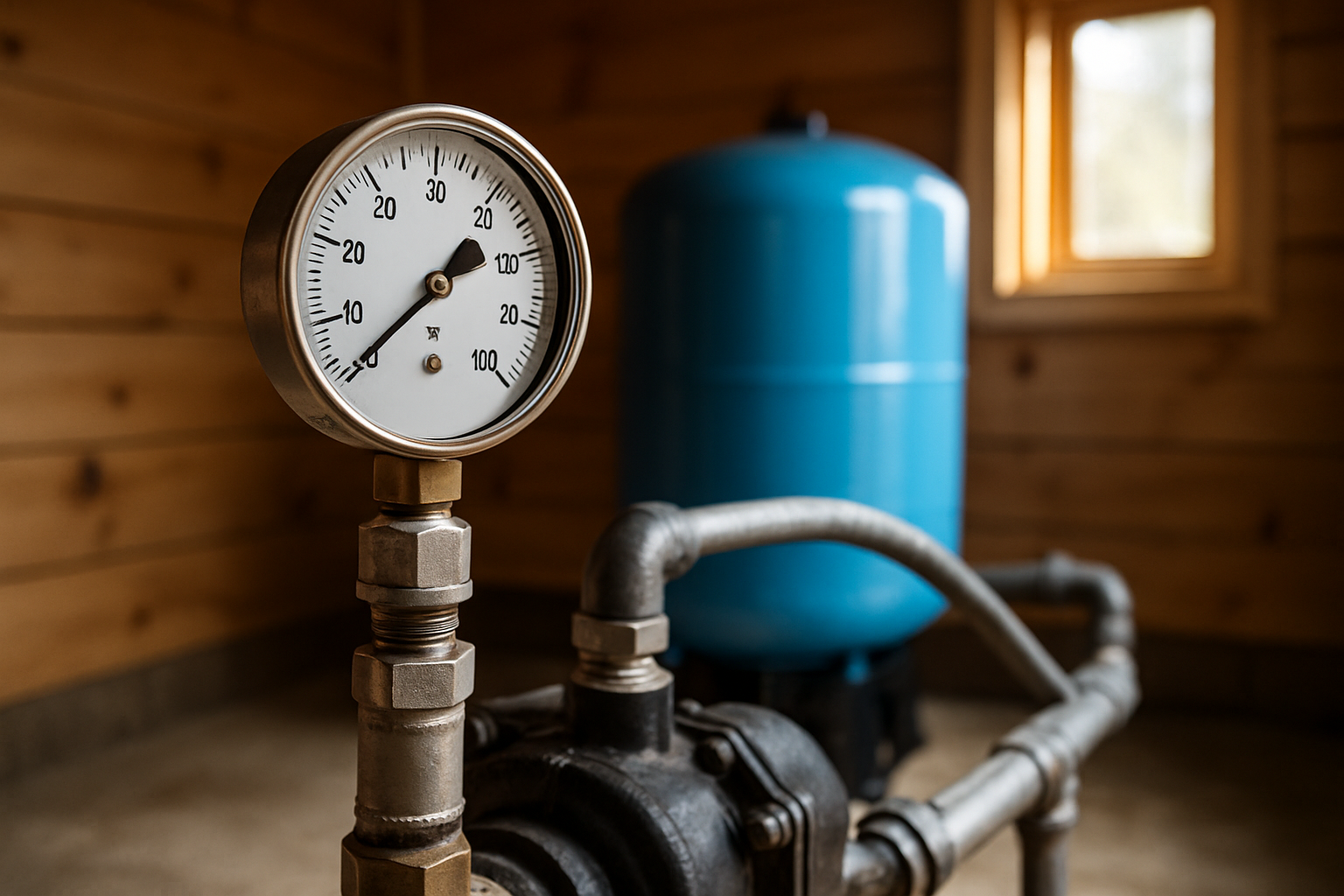
Low Water Pressure From Well
Diagnose and fix pressure problems before they get worse.
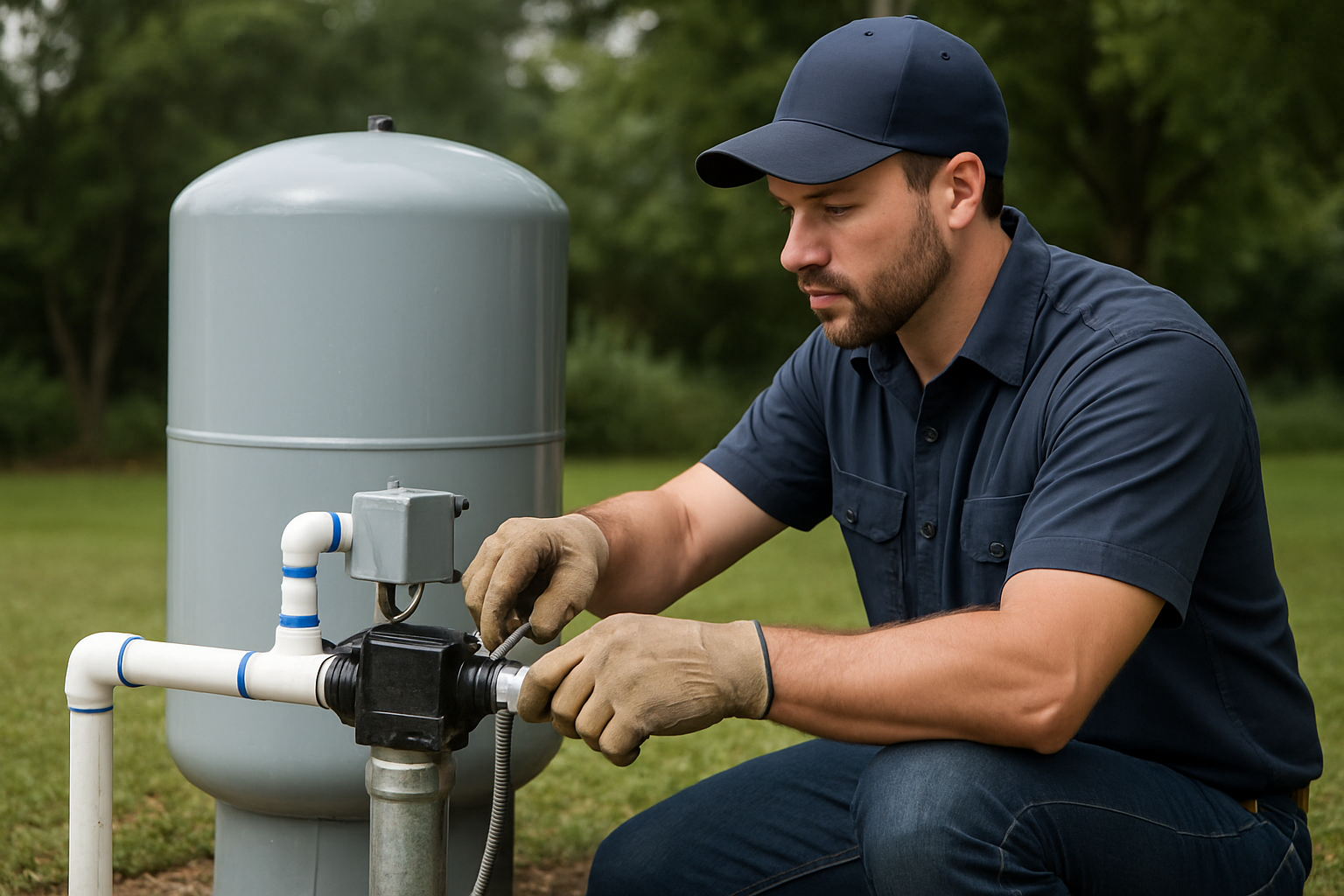
Well Maintenance Guide
Keep your well running smoothly with regular maintenance.
Our Locations
1077 Main St, Ramona, CA 92065
57174 CA-371 (US Hwy 79), Anza, CA 92539
Hydrofracturing and Wells in the Coronado Area
Coronado is a coastal community on San Diego Bay in San Diego County, connected to the mainland by the iconic bridge and the Silver Strand. It is one of the least likely places in the region to find a working private well: the city is built on a low, sandy bay-side peninsula, sits almost entirely on imported and municipal water, and has no foothill bedrock aquifer of the kind that supplies wells across inland San Diego County. We want to be straightforward about that from the start—most Coronado property owners will never need a well contractor, and if you are simply researching how groundwater wells work, this page explains the process honestly.
That said, well water is part of the broader San Diego County picture, and Coronado-area property owners do occasionally have reasons to understand hydrofracturing (also written hydrofracking): a family member or investment property on the inland fringes of the county, a legacy or irrigation well on an older estate parcel, or planning around a property elsewhere in the region. Southern California Well Service has rehabilitated wells across San Diego County since 2020, and we are happy to give an honest assessment to anyone weighing whether a struggling well can be saved.
How Hydrofracturing Works
Hydrofracturing is a well-rehabilitation method that uses clean, high-pressure water—and nothing else—to restore a well's output. Despite the name, it is unrelated to oil-and-gas fracking: there are no chemicals, no sand proppants, and no additives involved.
The process is straightforward. A crew lowers inflatable packers into the well casing and inflates them to seal off a specific section of the borehole. Clean water is then pumped into that isolated interval at pressures typically between 1,500 and 3,000+ PSI. The pressure drives water out into the natural fractures and water-bearing seams around the well, flushing out the silt, clay, and mineral scale that have plugged them and widening the passages so groundwater can flow back into the well. The well is treated one zone at a time, and a flow test afterward measures how much the yield improved.
This technique is most effective in fractured granite and crystalline bedrock, the formation that supplies the great majority of San Diego County's hard-rock wells—found inland and in the foothills, not on the coastal flats of Coronado itself. A hard-rock well produces only as much water as its fracture network can deliver, so reopening clogged fractures is exactly what high-pressure water is suited to do.
It is worth understanding this distinction, because it explains why a coastal location like Coronado is fundamentally different from the well country east of the city. Wells thrive where there is fractured rock or a productive sediment basin to draw from; a sandy bay-side peninsula has neither in a form that supports private water supply. When people in the Coronado area do own wells, those wells are almost always on other property they hold inland, which is exactly where our work is concentrated.
Why a Well Loses Yield
For the legacy and irrigation wells that exist elsewhere in San Diego County, declining yield usually comes down to a few causes:
- Fractures sealed by mineral scale. Dissolved minerals precipitate inside rock fractures and on the screen, gradually closing the pathways that feed the well.
- Sediment and fines packing the well. Fine material works into the joints and gravel around the borehole and chokes flow.
- Marginal fracture connectivity. Some hard-rock wells were always weak producers because they intersected only a few water-bearing fractures.
- Drought-driven water-table decline. Long dry stretches can lower groundwater to where a shallow well struggles to keep up.
- Decades without rehabilitation. Many older wells have simply never been cleaned or redeveloped.
Hydrofracturing directly addresses the first three. Where the real issue is a falling water table, an honest contractor will say so and discuss deepening or other options rather than push a treatment that will not last.
Signs a Well May Need Hydrofracturing
If you own or are evaluating a well anywhere in the county, these are the warning signs to watch for:
- The well produces clearly less water than it did a few years ago.
- It draws down fast and the pump short-cycles or runs dry during heavy use.
- Water pressure to the property has fallen off.
- Recovery after pumping is slow—the well takes much longer to refill.
- You notice more grit, sand, or cloudiness in the water.
- A newly drilled well came in weaker than expected.
What to Check Before You Call
A little information makes diagnosis faster. Note when the decline began and whether it follows the seasons. Watch for pump short-cycling. Locate any records of the well's depth, original yield, or completion report. And be ready to describe the property's water demand, since household use and irrigation place very different loads on a well. The more history you can share about how the well has performed over recent seasons, the more precisely we can target a treatment and the faster we can restore reliable flow.
When to Call a Professional
Hydrofracturing uses high-pressure equipment and downhole packers and requires an accurate read of how a well was built—it is not a DIY project. The right time to bring in a licensed C-57 well contractor is when yield has dropped enough to affect use, when a new well disappointed, or whenever you want a professional flow test and an honest recommendation before spending on a replacement. Southern California Well Service offers same-day emergency response for San Diego County well owners who have lost water entirely.
What Hydrofracturing Costs
For most wells in the San Diego County area, hydrofracturing runs $3,000 to $8,000, depending on depth, the number of zones treated, and site access. Drilling a replacement well is a much larger commitment—a turnkey new well typically runs $18,000 to $42,000. Because fracturing costs a fraction of that, it is almost always the right first step for a well that is a reasonable candidate.
- Hydrofracturing: $3,000–$8,000
- New well (turnkey): $18,000–$42,000
- Well rehabilitation / deepening: varies by depth and condition
- Pump replacement: $2,500–$5,500
- Pressure tank: $600–$1,500
- Pressure switch: $150–$350
- Diagnostic visit: $125 (credited toward the work if you proceed)
You always get a clear written estimate before any work starts.
Serving Coronado and San Diego County
Southern California Well Service serves all of San Diego County, from the coast at Coronado to the inland foothills where the region's wells are concentrated. As a licensed C-57 water well contractor (CSLB #1086994) with offices in Ramona and Anza, we hold CSLB #1086994 built on since 2020 of restoring hard-rock wells that other companies were ready to abandon. If you are a Coronado-area property owner with a well anywhere in the county—or simply want straight answers about your options—we are glad to help.
Frequently Asked Questions
Are there private wells in Coronado?
Very few, if any, active drinking-water wells. Coronado sits on a sandy coastal peninsula and is served by municipal and imported water, without the bedrock aquifer that supplies inland wells. We are candid that most Coronado owners will not need well service, and we serve those who own wells elsewhere in San Diego County.
Does hydrofracturing use chemicals?
No. It uses only clean, pressurized water. There are no chemicals, proppants, or additives. It is a safe, well-established method for rehabilitating water wells.
Where does hydrofracturing work best?
In fractured granite and crystalline bedrock, which is the formation behind most San Diego County hard-rock wells, found inland rather than on the coast. We confirm with a flow test and assessment before recommending it.
How much improvement can I expect?
Results vary by well, but many wells see a meaningful increase in flow once the plugged fractures are reopened. We document before-and-after yield with flow tests.
How long does it take?
A typical job takes about four to eight hours on site, and we usually confirm the improved yield with a post-treatment flow test within 24 to 48 hours.
Is it cheaper than a new well?
Almost always. Hydrofracturing typically costs $3,000–$8,000 versus $18,000–$42,000 for a new turnkey well, so it is the smart first step before considering replacement.
Talk to a Well Professional Today
Whether you have a struggling well elsewhere in San Diego County or simply want honest answers, Southern California Well Service is here to help. Call (760) 440-8520 or text us at (760) 219-5877. We offer same-day emergency service and free estimates throughout San Diego County.