
Hydrofracturing Well Services in Crest, CA
Is your well in Crest producing less water than it used to? Hydrofracturing (also called hydrofracking) could be the solution to restore and even improve your well's water production without the expense of drilling a new well.
In This Guide
- What is Hydrofracturing?
- Signs Your Crest Well Needs Hydrofracturing
- The Hydrofracturing Process
- Cost vs. New Well Drilling in Crest
- Why Choose SCWS for Hydrofracturing?
- Related Articles
Southern California Well Service provides professional hydrofracturing services throughout San Diego County to help homeowners and property owners increase their well yield.
What is Hydrofracturing?
Hydrofracturing is a well rehabilitation technique that uses high-pressure water to clean and expand existing fractures in the bedrock surrounding your well. This process:
- Clears mineral deposits and sediment blocking water flow
- Opens new pathways for groundwater to reach your well
- Can increase well yield by 2-10 times in many cases
- Extends the life of your existing well
Unlike oil and gas fracking, well hydrofracturing uses only clean water—no chemicals are involved.
Signs Your Crest Well Needs Hydrofracturing
- Declining water production over time
- Well runs dry during peak usage
- Slow recovery rate after pumping
- Pump cycling on and off frequently
- Lower water pressure than previous years
The Hydrofracturing Process
- Initial Assessment: We evaluate your well's current yield and condition
- Equipment Setup: Specialized high-pressure equipment is positioned at your well
- Isolation: Packers seal off sections of the well for targeted treatment
- Pressurization: Water is pumped at 500-3,000 PSI to fracture bedrock
- Development: Well is cleaned and tested for improved yield
Cost vs. New Well Drilling in Crest
In Crest, drilling a new well can cost $15,000-$50,000+ depending on depth. Hydrofracturing typically costs a fraction of that—often $3,000-$8,000—making it an excellent first option before considering a new well.
Many Crest wells that appear to be "going dry" can be successfully rehabilitated through hydrofracturing, saving homeowners tens of thousands of dollars.
Why Choose SCWS for Hydrofracturing?
- Founded 2020 · 60+ Years Family Heritage: We've rehabilitated thousands of wells across Southern California
- Licensed C-57 Contractor. CSLB License #1086994. Fully licensed for well drilling and service in California
- Specialized Equipment: Professional-grade hydrofracturing equipment
- Free Estimates: We'll assess your well and provide honest recommendations
Need Help With Your Well in Crest?
Our expert technicians serve Crest and all of San Diego County with professional well services.
Related Articles
Continue learning about well maintenance and troubleshooting

Signs Your Well Pump Is Failing
Catch pump problems early before you lose water completely.
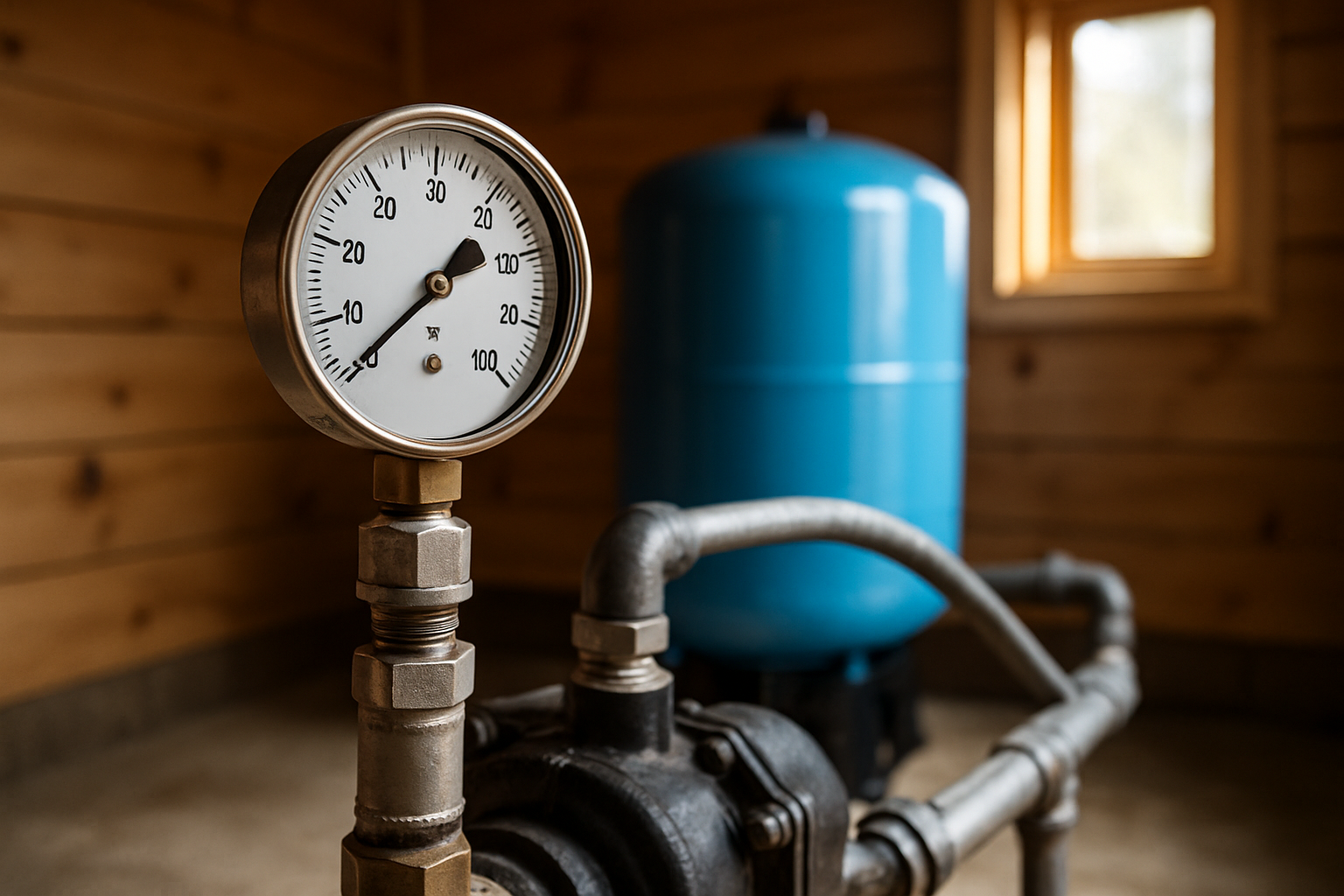
Low Water Pressure From Well
Diagnose and fix pressure problems before they get worse.
Well Maintenance Guide
Keep your well running smoothly with regular maintenance.
Our Locations
1077 Main St, Ramona, CA 92065
57174 CA-371 (US Hwy 79), Anza, CA 92539
Hydrofracturing for Crest Wells in San Diego's East County
Crest sits on a hillside ridge above El Cajon in the East County of San Diego County, a semi-rural community where most homes draw their water from private wells rather than a municipal main. If you live in Crest, or in the neighboring pockets of Harbison Canyon, Granite Hills, Flinn Springs, or up toward Alpine, you already know that life on a ridge has its trade-offs. The views are spectacular and the lots are generous, but the same elevated, rocky terrain that makes the area beautiful is also what your well has to push water through. When a Crest well starts producing less than it used to, hydrofracturing (sometimes spelled hydrofracking) is frequently the most cost-effective way to bring it back to life without the expense and disruption of drilling an entirely new well.
Crest's geology is a textbook case for this kind of work. The community sits on the decomposed granite and fractured granitic bedrock of the Peninsular Ranges. Water in this setting does not sit in a sandy aquifer the way it does in a valley floor; instead, it travels through a network of cracks and fractures in hard crystalline rock. That is exactly the condition where hydrofracturing performs best, because the technique works by opening and cleaning those existing fractures so more groundwater can reach your well bore.
How Hydrofracturing Actually Works
Hydrofracturing is a well-rehabilitation process, not a drilling process. The goal is to take the well you already have and make it produce more water by improving the connection between the well bore and the water-bearing fractures in the surrounding rock.
Here is what happens during a typical job. A technician lowers an inflatable device called a packer into the well casing and inflates it to seal off a target section of the borehole. With that section isolated, clean water is injected under high pressure, generally in the range of 1,500 to 3,000 PSI or more, depending on the depth and the rock. That pressure pushes into the natural fractures around the well, flushing out the silt, fine sediment, and mineral scale that accumulate over years of use and slowly choke off flow. It also widens hairline fractures and can connect the well to water-bearing seams that were previously too tight or too clogged to contribute.
An important point for anyone who has heard about oil-and-gas fracking: well hydrofracturing for a domestic water supply uses only clean water. No chemicals, sand proppants, or industrial additives are pumped into the ground. The entire process for a single residential well usually takes about four to eight hours from setup to the final flow check, so it is a same-day job in most cases.
Signs a Crest Well May Need Hydrofracturing
Wells rarely fail overnight. They tend to decline gradually, and on a ridge community like Crest the warning signs often show up first during the dry season when demand is highest and the water table is lowest. Watch for these patterns:
- Declining yield over time. The well that once kept up with the household now struggles to fill the pressure tank, or you notice the flow dropping year over year.
- Slow recovery after pumping. You run a couple of loads of laundry or fill a tub and the well needs a long time to "catch up" before pressure returns to normal. Slow recovery is one of the clearest indicators that the fractures feeding the well have become restricted.
- Dry-season shortfalls. The well does fine through the wet winter months but sputters or runs short in late summer and fall. In Crest's hillside terrain, where recharge depends on rainfall percolating down through fractured granite, seasonal shortfalls are a common reason homeowners look into hydrofracturing.
- An under-producing new well. You recently had a well drilled into the granite but the yield came in lower than hoped. This is surprisingly common in fractured-rock country, and it is one of the best-case scenarios for hydrofracturing, because the new casing is in good shape and only the fracture network needs to be opened up.
- Frequent pump cycling or air spitting at the taps. These can indicate the well is drawing down faster than it recovers.
If several of these sound familiar, it does not automatically mean your well is finished. On decomposed-granite hills like Crest, a tired well is often a candidate for rehabilitation rather than replacement.
Why Geology Matters So Much Here
Not every well is a good candidate for hydrofracturing, and being honest about that is part of doing the job right. The single biggest factor is what kind of rock or soil your well draws from.
Fractured granite responds well. Crest and the surrounding East County communities sit on hard, fractured granitic bedrock. In this kind of formation, water moves through discrete cracks. When high-pressure water opens and cleans those cracks, the improvement can be dramatic and lasting. This is precisely why Crest is considered strong hydrofracturing territory.
Loose sand and gravel does not. In a well that draws from unconsolidated sand or gravel, there are no rigid fractures to open; the formation simply absorbs the pressure without creating new flow paths, and the technique provides little benefit. Wells in those formations are generally better served by other approaches.
Because most Crest-area private wells run roughly 200 to 450 feet deep into granitic rock, the local odds are favorable. That said, the only way to know for certain is an on-site evaluation that looks at your well's construction, depth, and current behavior before any work is recommended.
Check These Things First (Safety First)
Before you assume the well itself is the problem, it is worth ruling out the simpler and far cheaper culprits. A loss of water at the tap is not always a loss of water in the ground. Here is a safety-first checklist of what to look at first:
- The pump. A worn or failing submersible pump can mimic a low-yield well. If the pump is at the end of its service life, no amount of fracturing will help.
- The pressure tank. A waterlogged tank with a failed bladder causes short cycling and weak pressure that feels like a water-supply problem but is really an equipment problem.
- The pressure switch. A dirty, corroded, or misadjusted switch can cut the pump on and off at the wrong points and choke your effective flow.
- Leaks. A leak in the drop pipe, a pressure line, or even an irrigation zone can quietly drain the system and make a healthy well look weak.
- A flow test. The definitive step is a professional flow test that measures how much water the well actually produces and how quickly it recovers. This separates a true yield problem from an equipment problem.
For your own safety, leave the electrical components, wellhead, and any work down the casing to a qualified professional. Well systems combine high-voltage wiring with water, and a 200-to-450-foot borehole is not a place for guesswork.
When to Call a Licensed Professional
Diagnosing a low-yield well in fractured granite, and deciding whether hydrofracturing is the right answer, calls for a contractor who works on these systems every day. In California, water well work is performed by a licensed C-57 Water Well Drilling Contractor. Southern California Well Service holds that license (CSLB #1086994) and has more than 30 years of experience rehabilitating and drilling wells across the region, with a CSLB #1086994 service reputation and same-day emergency availability.
A proper professional assessment includes a flow test to establish your baseline yield and, in many cases, a downhole video inspection to check the casing and identify the fracture zones worth targeting. That information is what tells you whether your well is a good hydrofracturing candidate or whether your money is better spent elsewhere.
Realistic Costs for Crest Homeowners
One of the main reasons hydrofracturing is so popular in fractured-rock communities is the cost difference compared with drilling a new well. Here is a realistic picture of what the numbers tend to look like:
- Hydrofracturing: approximately $3,000 to $8,000, depending on well depth and the number of zones treated.
- Drilling a new well: roughly $18,000 to $42,000, depending on depth and site conditions.
- Diagnostic / flow test: about $125, and that fee is credited toward the work if you move forward.
- Pump replacement: typically $2,500 to $5,500, if the pump turns out to be the real culprit.
- Pressure tank replacement: usually $600 to $1,500.
Put simply, hydrofracturing often costs a fraction of a new well. For a Crest homeowner facing a declining well, it is the logical first option to explore before committing to a far more expensive replacement. Many wells that appear to be "going dry" can be rehabilitated for a small share of the cost of starting over.
How Successful Is It, Really?
Honest expectations matter. In fractured-rock formations like the granite under Crest, hydrofracturing improves yield in roughly 70 to 80 percent of wells. When it works, the typical gain is on the order of 2 to 5 times the pre-treatment flow rate, which is often the difference between a well that struggles and one that comfortably serves a household.
Results are verified, not assumed. A reputable job includes a documented before-and-after comparison: a flow test before treatment to set the baseline, and a second flow test usually 24 to 48 hours after the work to confirm the improvement. That follow-up window matters, because it gives the well time to settle and the new flow paths time to develop before the final measurement is taken. If your well falls in the minority that does not respond, that diagnostic information still helps you make an informed decision about next steps.
Serving Crest and the Surrounding East County
Southern California Well Service works throughout the East County ridge and canyon communities, including Crest, El Cajon, Harbison Canyon, Granite Hills, Alpine, and Flinn Springs. We understand the decomposed-granite hill terrain in this part of San Diego County and the way local wells behave through the dry season, which means our recommendations are grounded in the conditions right outside your door rather than a one-size-fits-all script.
Frequently Asked Questions
Is hydrofracturing safe for my drinking water well?
Yes. Residential well hydrofracturing uses only clean water under pressure. No chemicals or additives are introduced into the ground, so there is no contamination risk to your drinking water supply.
How long does the process take?
For a typical Crest residential well, the on-site work usually takes about four to eight hours and is completed in a single day. We then recommend a follow-up flow test 24 to 48 hours later to confirm the improvement.
Will hydrofracturing definitely increase my well's yield?
In fractured-granite formations like Crest's, it improves yield in roughly 70 to 80 percent of wells, with typical gains of 2 to 5 times the prior flow rate. It is most effective in hard fractured rock and not effective in loose sand or gravel, which is why we evaluate your well first.
How much does hydrofracturing cost compared with a new well?
Hydrofracturing generally runs about $3,000 to $8,000, while drilling a new well in this area typically costs $18,000 to $42,000. For most homeowners with a declining well, hydrofracturing is the sensible first option to try.
How do I know if my problem is the well or the pump?
Low water at the tap can come from a failing pump, a waterlogged pressure tank, a bad pressure switch, or a leak, not just the well itself. A professional flow test measures actual well yield and recovery, which separates a true low-yield well from an equipment issue.
How deep are most wells in Crest?
Most private wells in the Crest area run roughly 200 to 450 feet deep into granitic bedrock. That depth and rock type make the area a strong candidate for successful hydrofracturing.
Talk to a Crest Well Specialist Today
If your Crest well is producing less than it should, do not wait for it to run dry during the next dry spell. A quick diagnostic and flow test will tell you whether hydrofracturing can restore your yield, and the fee is credited toward the work if you proceed. Call (760) 440-8520 or text us at (760) 219-5877 to schedule an evaluation with a licensed C-57 contractor who knows East County's fractured-granite wells.