
Hydrofracturing Well Services in Cuyamaca, CA
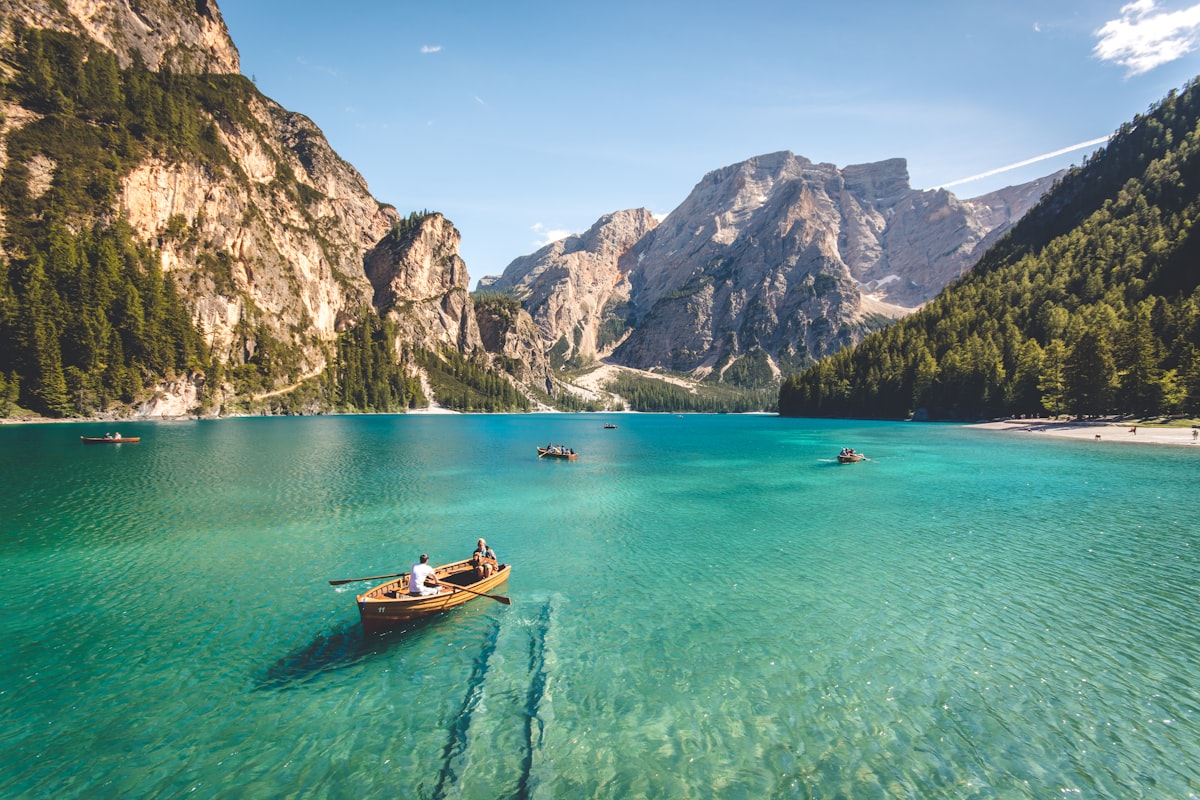
Is your well in Cuyamaca producing less water than it used to? Hydrofracturing (also called hydrofracking) could be the solution to restore and even improve your well's water production without the expense of drilling a new well.
📋 In This Guide
- What is Hydrofracturing?
- Signs Your Cuyamaca Well Needs Hydrofracturing
- The Hydrofracturing Process
- Cost vs. New Well Drilling in Cuyamaca
- Why Choose SCWS for Hydrofracturing?
- Related Articles
Southern California Well Service provides professional hydrofracturing services throughout San Diego County to help homeowners and property owners increase their well yield.
What is Hydrofracturing?
Hydrofracturing is a well rehabilitation technique that uses high-pressure water to clean and expand existing fractures in the bedrock surrounding your well. This process:
- Clears mineral deposits and sediment blocking water flow
- Opens new pathways for groundwater to reach your well
- Can increase well yield by 2-10 times in many cases
- Extends the life of your existing well
Unlike oil and gas fracking, well hydrofracturing uses only clean water—no chemicals are involved.
Signs Your Cuyamaca Well Needs Hydrofracturing
- Declining water production over time
- Well runs dry during peak usage
- Slow recovery rate after pumping
- Pump cycling on and off frequently
- Lower water pressure than previous years
The Hydrofracturing Process
- Initial Assessment: We evaluate your well's current yield and condition
- Equipment Setup: Specialized high-pressure equipment is positioned at your well
- Isolation: Packers seal off sections of the well for targeted treatment
- Pressurization: Water is pumped at 500-3,000 PSI to fracture bedrock
- Development: Well is cleaned and tested for improved yield
Cost vs. New Well Drilling in Cuyamaca
In Cuyamaca, drilling a new well can cost $15,000-$50,000+ depending on depth. Hydrofracturing typically costs a fraction of that—often $3,000-$8,000—making it an excellent first option before considering a new well.
Many Cuyamaca wells that appear to be "going dry" can be successfully rehabilitated through hydrofracturing, saving homeowners tens of thousands of dollars.
Why Choose SCWS for Hydrofracturing?
- Founded 2020 · 60+ Years Family Heritage: We've rehabilitated thousands of wells across Southern California
- Licensed C-57 Contractor. CSLB License #1086994. Fully licensed for well drilling and service in California
- Specialized Equipment: Professional-grade hydrofracturing equipment
- Free Estimates: We'll assess your well and provide honest recommendations
Need Help With Your Well in Cuyamaca?
Our expert technicians serve Cuyamaca and all of San Diego County with professional well services.
Related Articles
Continue learning about well maintenance and troubleshooting

Signs Your Well Pump Is Failing
Catch pump problems early before you lose water completely.
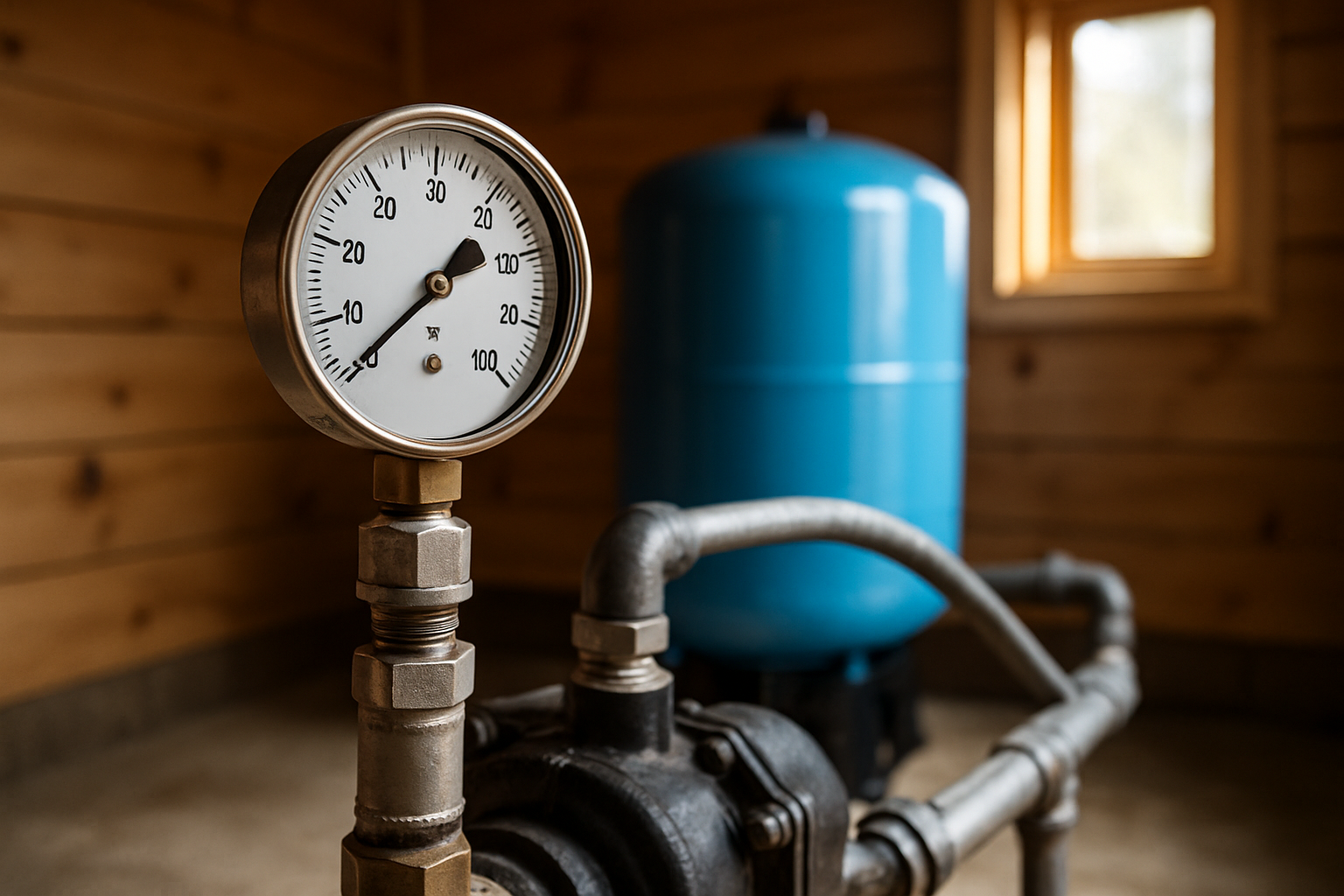
Low Water Pressure From Well
Diagnose and fix pressure problems before they get worse.
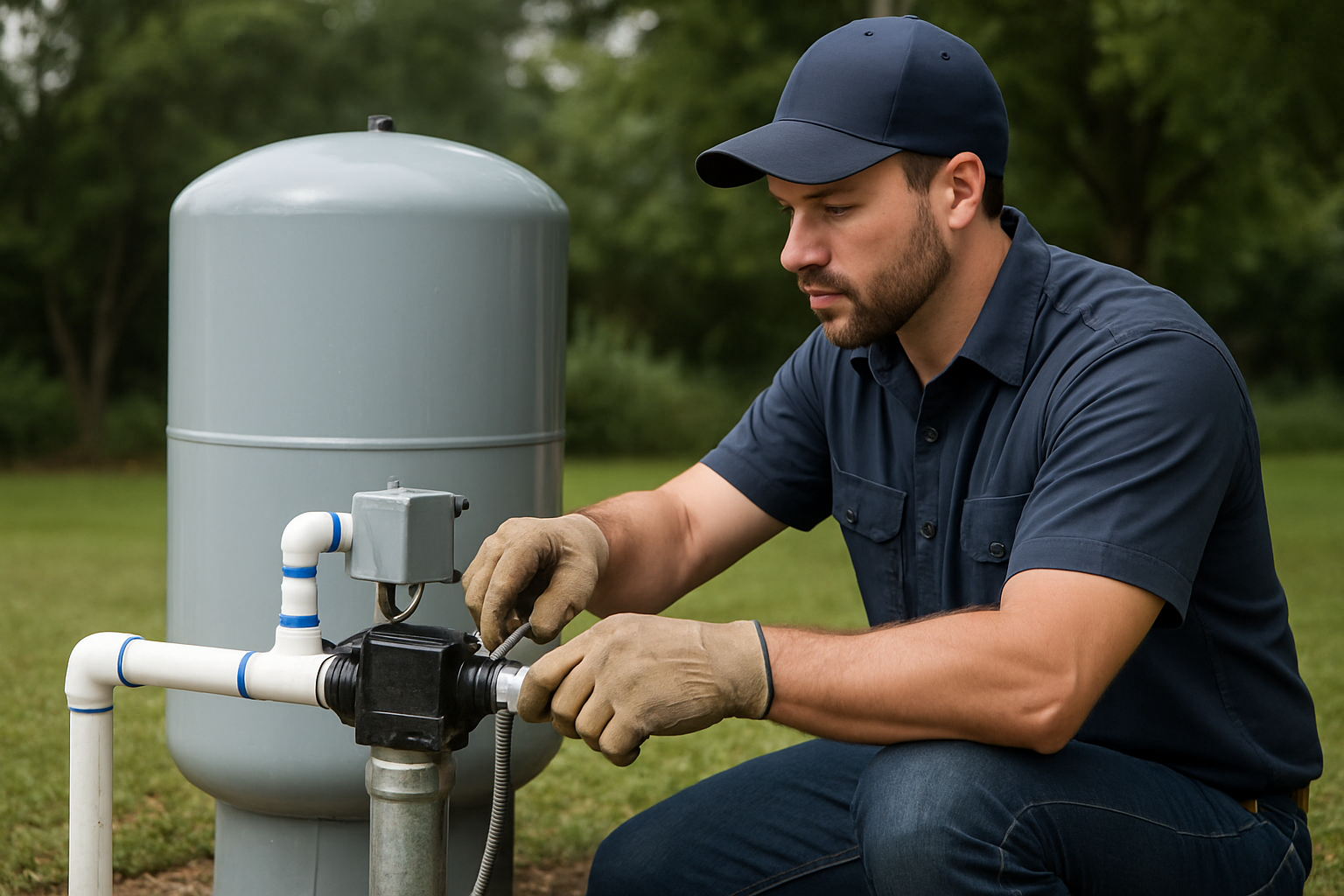
Well Maintenance Guide
Keep your well running smoothly with regular maintenance.
Our Locations
1077 Main St, Ramona, CA 92065
57174 CA-371 (US Hwy 79), Anza, CA 92539
Hydrofracturing for High-Elevation Wells in the Cuyamaca Mountains
Few places in San Diego County feel as far from the coast as Cuyamaca. Tucked into the backcountry around the Cuyamaca Mountains and Lake Cuyamaca, between Julian to the north and Descanso to the south, this is high country sitting near 4,600 feet on the edge of Cuyamaca Rancho State Park. The cabins, ranches, and large mountain parcels scattered through the pine and oak depend almost entirely on private wells, because there is no municipal pipe running up these grades to serve a home on twenty acres of granite. When a Cuyamaca well slows down, the household notices fast, and the question that follows is almost always the same: do we drill a new well, or is there a way to bring the one we have back to life? Hydrofracturing is frequently that second option, and in this rock it works more often than people expect.
What surprises many Cuyamaca property owners is that their corner of the county is, by local standards, fairly wet. The high elevation pulls down more rain and a fair amount of winter snow than the inland valleys below. Yet a wet sky does not guarantee a productive well, and that disconnect is the heart of the matter up here.
Why Rainfall Does Not Equal Yield in Cuyamaca
The mountains around Cuyamaca are built from granitic and metamorphic bedrock. Below a shallow skin of decomposed granite and soil, the water-bearing zone is not a sponge of sand and gravel but a body of hard, largely solid rock. Groundwater does not sit evenly throughout it; it travels along cracks, joints, and fracture planes that thread through the stone. A well in this setting is essentially intercepting a network of those fractures, and its yield is only as good as the fractures it happens to connect with.
That is why a Cuyamaca well can sit in one of the wetter parts of the county and still struggle. The rain and snowmelt are there, soaking into the watershed, but the water has to find a fracture pathway into the borehole. If the cracks near your well are narrow, poorly connected, or have silted closed over the years, the recharge simply cannot reach the casing fast enough to keep up with a household. You end up with a well that recovers slowly after pumping, runs short during a dry summer, or cycles the pump on and off because it keeps drawing down faster than it refills.
Several local factors push wells toward underperformance. Fractures naturally tighten and silt up with mineral scale and fine sediment over decades of use. Seasonal swings are pronounced at this elevation, so a well that is comfortable in March may be gasping by September. And there is a wrinkle specific to this landscape: the 2003 Cedar Fire burned through much of the Cuyamaca high country, and the years of watershed recovery that followed moved a great deal of sediment and ash through the soils. Wells in burned drainages have, in some cases, seen finer material work into the upper fracture zones, contributing to clogging and turbidity. Understanding what is actually limiting your well matters, because hydrofracturing addresses some of these problems beautifully and others not at all.
How Hydrofracturing Actually Works
Hydrofracturing, sometimes written hydrofracking, is a well-rehabilitation method that uses nothing but clean water under pressure. It has no relationship to the chemical fracking used in oil and gas extraction; there are no additives, no proprietary fluids, and nothing introduced into your aquifer but water.
The procedure begins by lowering an inflatable device called a packer into the well below the casing, into the open bedrock section. The packer is expanded to seal off a zone, isolating it so that pressure can be concentrated exactly where it is needed rather than dissipating up the borehole. Clean water is then injected into that isolated zone at high pressure, typically in the range of 1,500 to 3,000 PSI and sometimes higher depending on the rock. That pressure does two things at once: it flushes out the silt, scale, and fine sediment plugging the existing fractures, and it pushes those fractures open wider while extending them outward to connect with other water-bearing cracks farther from the well.
The result, when it succeeds, is a borehole that is suddenly tapped into a far larger and cleaner network of fractures. Crews usually work the well in stages, treating one zone, then repositioning the packer to treat another, so that the full productive interval gets attention. Start to finish, a typical Cuyamaca treatment runs about four to eight hours on site. Because the Cuyamaca mountains are made of exactly the hard, fractured crystalline rock that responds best, this technique is particularly well suited to wells in this area.
Good Candidates, Poor Candidates, and What to Check First
Hydrofracturing is not a universal fix, and an honest contractor will tell you so before any equipment comes off the truck. The strongest candidates are wells drilled into hard, fractured granite or metamorphic rock that are underperforming because their fractures are tight or clogged. That describes the great majority of Cuyamaca and surrounding backcountry wells. The poor candidates are wells producing from loose sand or gravel formations, where there is no solid rock to fracture and high pressure only stirs up sediment. Few wells at Cuyamaca elevations fall into that category, but it is worth confirming.
A proper job starts with diagnosis rather than guesswork. Before treatment, the well is given a pre-test to measure its current yield and recovery, establishing a baseline so improvement can be proven afterward. A downhole video inspection is usually next, sending a camera into the borehole to check the condition of the casing, look for cracked or collapsed sections, and identify which depths show the most promising fracture zones to target. In post-fire drainages around Cuyamaca, this camera survey is especially valuable because it reveals whether sediment loading is the real culprit and whether the casing is sound enough to withstand pressure.
After hydrofracturing, the well is re-tested to confirm the gain, and in many cases some follow-up makes the result last. Where sediment or turbidity has been an issue, owners often pair the treatment with appropriate water treatment or filtration so the cleaner, higher flow stays usable at the tap. A reputable crew documents everything with a before-and-after comparison so you are not taking the improvement on faith.
When to Call a Professional
It is time to bring in a licensed well contractor when the symptoms point to declining capacity rather than a simple equipment failure. Watch for water production that has fallen off year over year, a well that runs dry during peak summer demand, slow recovery after the pump shuts off, frequent pump cycling, or pressure that is noticeably weaker than it was a few seasons ago. Those are the classic signs that the fracture network feeding the well has degraded, which is precisely the situation hydrofracturing is built to reverse.
This is not a do-it-yourself project. The pressures involved are substantial, the packers and pumps are specialized, and an inexperienced operator can damage casing or push sediment in the wrong direction. A licensed C-57 water well contractor brings the equipment, the diagnostic tools, and the judgment to know whether your particular well is a candidate in the first place.
Realistic Costs and the New-Well Comparison
For most Cuyamaca-area wells, hydrofracturing runs in the range of $3,000 to $8,000 depending on well depth, the number of zones treated, and access to the site. That is real money, but it should be weighed against the alternative. Drilling a brand-new well in this rugged mountain terrain typically costs between $18,000 and $42,000 once you account for depth, the difficulty of moving a rig onto a remote parcel, and casing. If the existing well also needs a new pump, a quality submersible runs roughly $2,500 to $5,500 installed.
Put plainly, hydrofracturing usually costs a fraction of a new well, and it carries far less risk and disruption since you are working an existing hole rather than gambling on where the next one might find water. For a great many wells that appear to be going dry, the smart sequence is to rehabilitate first and reserve new drilling as the fallback if rehabilitation does not deliver. We back the assessment with a $125 diagnostic fee that is credited toward the work if you proceed.
Serving Cuyamaca and the San Diego Backcountry
Southern California Well Service has worked since 2020 working wells across the region, and the Cuyamaca high country is squarely in our service area. We cover Cuyamaca and the surrounding San Diego County backcountry, including the Julian and Descanso communities along the Highway 79 corridor, from two offices: 1077 Main St in Ramona and 57174 CA-371 (US Hwy 79) in Anza. That positioning lets us reach mountain parcels quickly, and we offer same-day emergency service for households that have lost water entirely. We hold a California C-57 water well contractor license, carry CSLB #1086994 with the customers we serve, and bring professional-grade hydrofracturing equipment to every job. Reach us at (760) 440-8520 or text us at (760) 219-5877.
Frequently Asked Questions
Can hydrofracturing help a Cuyamaca mountain well?
Yes. Cuyamaca wells draw from fractured granite and metamorphic rock, which respond well to hydrofracturing when fractures are cleaned and reopened. Most underperforming wells in this terrain are good candidates.
Why is my yield low if the area gets good rain and snow?
Rainfall only helps if water can move through bedrock fractures into your well. At Cuyamaca's elevation the recharge is there, but if your fractures are tight or silted closed the water cannot reach the casing. Hydrofracturing improves those flow paths.
What does hydrofracturing cost compared to a new well?
Treatment usually runs $3,000 to $8,000, far less than the $18,000 to $42,000 a new mountain well typically costs. The $125 diagnostic fee is credited toward the job if you move forward.
How long does the treatment take?
Roughly 4 to 8 hours on site, with a post-treatment flow test within a day or two to confirm the improvement. Most homes are back to normal use quickly.
Is it safe, and are any chemicals used?
It is safe and uses no chemicals whatsoever, only clean high-pressure water. It is unrelated to the chemical fracking used in oil and gas.
Do you serve the Julian and Descanso mountains too?
Yes. We cover Cuyamaca and the surrounding San Diego County backcountry, including Julian and Descanso, working from our Ramona and Anza offices, with same-day emergency service available.
Restore Your Cuyamaca Well's Flow
If your mountain well is fading, do not assume the only answer is an expensive new borehole. A diagnostic visit can tell you whether hydrofracturing will bring your existing well back, often for a fraction of the cost. Call Southern California Well Service at (760) 440-8520, text us at (760) 219-5877, or request a free quote to get started. Same-day emergency service is available throughout the Cuyamaca area.