
Hydrofracturing Well Services in Dehesa, CA
Is your well in Dehesa producing less water than it used to? Hydrofracturing (also called hydrofracking) could be the solution to restore and even improve your well's water production without the expense of drilling a new well.
📋 In This Guide
- What is Hydrofracturing?
- Signs Your Dehesa Well Needs Hydrofracturing
- The Hydrofracturing Process
- Cost vs. New Well Drilling in Dehesa
- Why Choose SCWS for Hydrofracturing?
- Related Articles
Southern California Well Service provides professional hydrofracturing services throughout San Diego County to help homeowners and property owners increase their well yield.
What is Hydrofracturing?
Hydrofracturing is a well rehabilitation technique that uses high-pressure water to clean and expand existing fractures in the bedrock surrounding your well. This process:
- Clears mineral deposits and sediment blocking water flow
- Opens new pathways for groundwater to reach your well
- Can increase well yield by 2-10 times in many cases
- Extends the life of your existing well
Unlike oil and gas fracking, well hydrofracturing uses only clean water—no chemicals are involved.
Signs Your Dehesa Well Needs Hydrofracturing
- Declining water production over time
- Well runs dry during peak usage
- Slow recovery rate after pumping
- Pump cycling on and off frequently
- Lower water pressure than previous years
The Hydrofracturing Process
- Initial Assessment: We evaluate your well's current yield and condition
- Equipment Setup: Specialized high-pressure equipment is positioned at your well
- Isolation: Packers seal off sections of the well for targeted treatment
- Pressurization: Water is pumped at 500-3,000 PSI to fracture bedrock
- Development: Well is cleaned and tested for improved yield
Cost vs. New Well Drilling in Dehesa
In Dehesa, drilling a new well can cost $15,000-$50,000+ depending on depth. Hydrofracturing typically costs a fraction of that—often $3,000-$8,000—making it an excellent first option before considering a new well.
Many Dehesa wells that appear to be "going dry" can be successfully rehabilitated through hydrofracturing, saving homeowners tens of thousands of dollars.
Why Choose SCWS for Hydrofracturing?
- Founded 2020 · 60+ Years Family Heritage: We've rehabilitated thousands of wells across Southern California
- Licensed C-57 Contractor. CSLB License #1086994. Fully licensed for well drilling and service in California
- Specialized Equipment: Professional-grade hydrofracturing equipment
- Free Estimates: We'll assess your well and provide honest recommendations
Need Help With Your Well in Dehesa?
Our expert technicians serve Dehesa and all of San Diego County with professional well services.
Related Articles
Continue learning about well maintenance and troubleshooting

Signs Your Well Pump Is Failing
Catch pump problems early before you lose water completely.
Low Water Pressure From Well
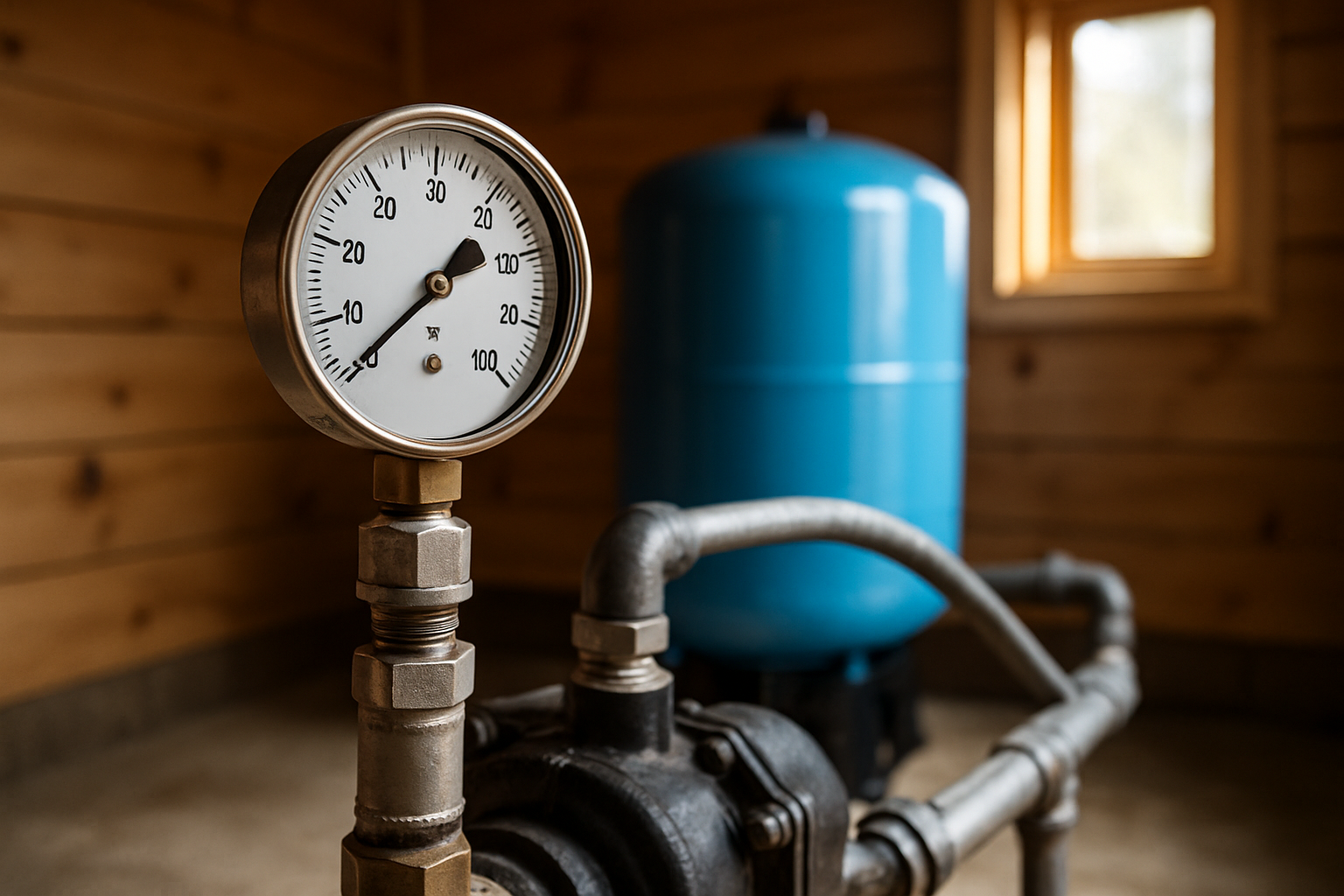
Diagnose and fix pressure problems before they get worse.
Well Maintenance Guide
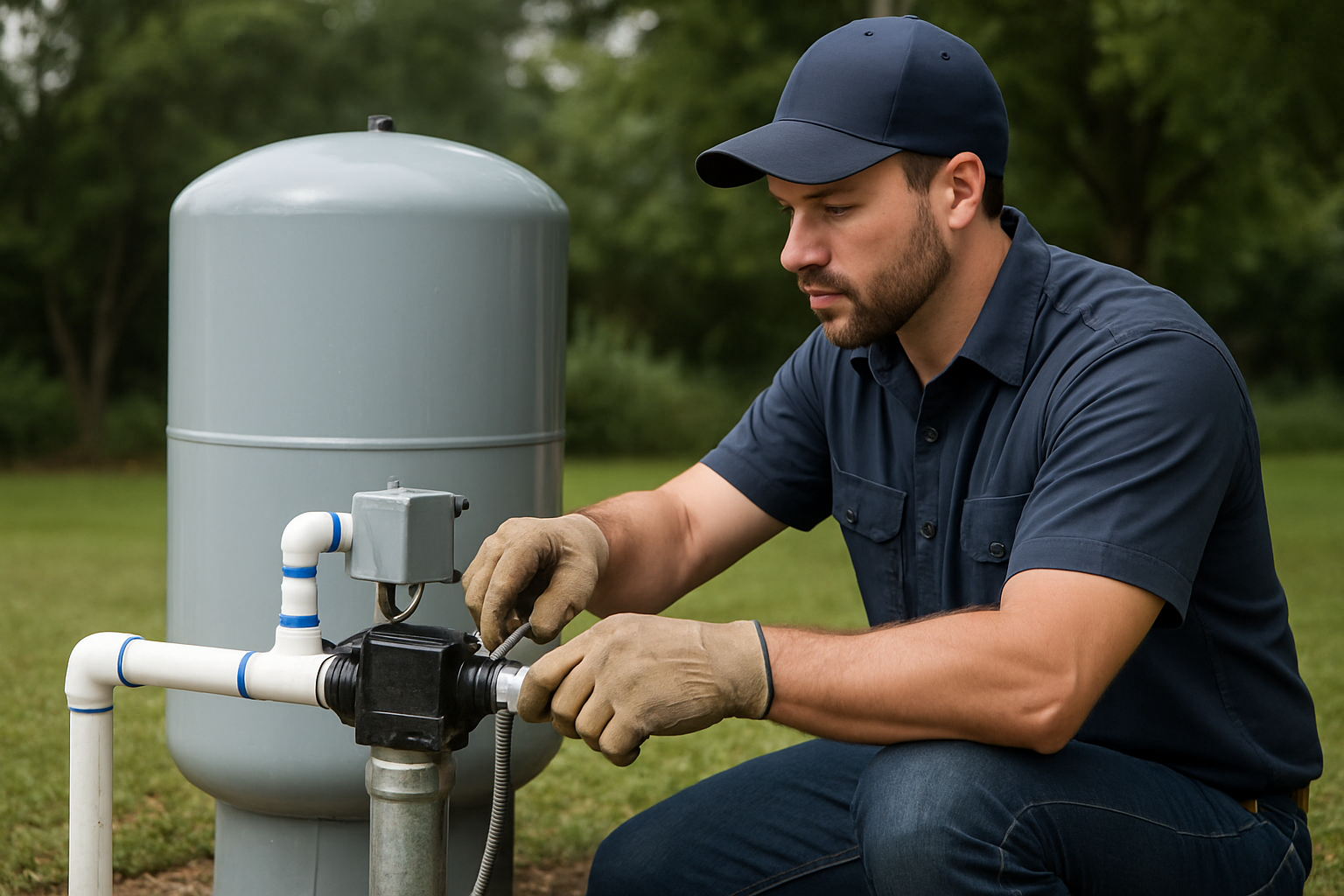
Keep your well running smoothly with regular maintenance.
Our Locations
1077 Main St, Ramona, CA 92065
57174 CA-371 (US Hwy 79), Anza, CA 92539
Improving Low-Yield Wells in the Dehesa Valley
Dehesa is a quiet ranching valley in San Diego County, tucked east of El Cajon along the Sweetwater River between Harbison Canyon, Crest, and the Sycuan foothills. It is classic San Diego backcountry: oak-studded slopes, horse property, and granitic bedrock — weathered granodiorite of the Peninsular Ranges — sitting just beneath a thin skin of decomposed granite and river alluvium. Almost every home out here runs on a private well, and almost every one of those wells pulls water from fractures in that hard rock. When the fractures silt up or scale over, yield falls, and hydrofracturing is the most cost-effective way to bring it back.
Why Dehesa Wells Lose Production
A well in Dehesa does not run on an open underground lake. It depends on a network of cracks in the granite, and those cracks are narrow to begin with. Over years of pumping, iron bacteria, calcium and manganese scale, and fine clay migrate into the fracture faces nearest the borehole and gradually seal them. The well still has water in the formation around it; it simply cannot get that water into the hole fast enough. That is why a Dehesa well can go from comfortable to marginal without the regional water table changing much at all.
The Hydrofracturing Process
We begin by measuring your current yield and running a camera down the well to confirm the casing is intact and to locate the productive fracture zones. We then set an inflatable packer to isolate a section of the open borehole and inject clean water at roughly 1,500 to 3,000 PSI. The pressure scours the clogged fractures and propagates them outward into fresh, water-bearing rock. After treatment we run a second flow test so you can see the before-and-after numbers. The work is clean — only water enters your well — and it is usually finished in one day.
When It Makes Sense in the Backcountry
Hydrofracturing is worth considering when a Dehesa well shows declining output, slow recovery after the pump runs, seasonal shortfalls during the long dry summer, or a low yield on a recently drilled well. Because the valley's homes sit on hard fractured granite, they are generally strong candidates. The exception is a shallow well finished mostly in loose river-bottom sand near the Sweetwater channel, where fracturing has little to grip; we will flag that during the assessment rather than sell you a treatment that will not help.
Cost Versus a New Well
Drilling a replacement well in the Dehesa area typically costs $18,000 to $42,000 by the time casing and a pump are installed, and backcountry access can push that higher. Hydrofracturing an existing well generally runs $3,000 to $8,000, with a $125 diagnostic that we credit toward the job. For most rural owners here, treating the well they already have is the sensible first move.
Local Service Across East County
Southern California Well Service covers Dehesa and the surrounding communities of Harbison Canyon, Crest, Alpine, Jamul, and El Cajon's rural fringe. We know the granitic terrain, the steep driveways, and the San Diego County well rules that come with working out here. Call (760) 440-8520 or text (760) 219-5877, and we will give you an honest read on whether your Dehesa well can be restored.
Telling a Well Problem From a Pump Problem
Not every drop in water means the well itself is failing, and it is worth ruling out the simpler causes first. A failing pump, a waterlogged pressure tank, or a bad pressure switch can all mimic low yield, but they behave differently: those problems tend to cause erratic pressure or air in the lines even when the well is full. A true yield decline in a Dehesa well shows up as a well that pumps fine for a stretch, then draws down and is slow to recover. If you can, time how long your well takes to rebuild the storage tank after a heavy demand and compare it to past years. In the long, dry Dehesa summer, the gap between a healthy well and a struggling one becomes obvious, and that information helps us recommend the right fix.
What to Expect on Treatment Day
Our crew starts with a baseline flow test and a downhole camera survey so we can see your casing, the static water level, and the fracture zones in the open hole. We then set the inflatable packer at the target depth and inject clean water in controlled stages, watching how the granite accepts pressure and opens. Because Dehesa's granodiorite is hard and well-defined, we can usually treat the productive zones methodically over the course of a working day. After treatment we run the well to flush loosened sediment, reinstall the pump, and perform a post-treatment flow test. You see the measured improvement before we leave, and most homes have normal service back the same evening.
Why Dehesa Valley Rock Responds Well
The granodiorite beneath the Dehesa Valley is competent crystalline rock, which is the ideal medium for hydrofracturing because it holds an open fracture instead of sloughing closed. That is why treated wells in this terrain commonly keep their improved yield for many years. It also explains the wide variation you see from one backcountry well to the next: production depends entirely on intersecting a connected fracture network, so neighboring properties can have very different wells. Measuring each well's actual behavior, rather than assuming, is the only reliable way to know whether restoration will work.
Keeping Your Yield Up Over the Long Run
After we restore your yield, routine care protects it. Periodic chlorination keeps iron bacteria in check, an annual flow test flags any slow decline before it becomes a problem, and basic sediment filtration ahead of the pressure tank reduces the scale that gradually re-enters the system. For a horse property or rural home in Dehesa that depends on a single well, that small amount of maintenance is cheap insurance against being caught short during the dry months. We can lay out a simple schedule suited to your property whenever you are ready to talk.
Hydrofracturing Versus Other Fixes
Hydrofracturing addresses one specific problem: a well that can no longer pull water in fast enough because the bedrock fractures have clogged. It is not always the answer, and we will steer you elsewhere when something simpler fits. If your Dehesa well makes enough water but household pressure is weak, the solution may be a new pressure switch ($150-$350), a correctly sized pressure tank ($600-$1,500), or a constant-pressure booster ($2,000-$4,500). If the pump itself has failed, a replacement submersible runs $2,500-$5,500. Hydrofracturing, at $3,000-$8,000, is reserved for genuine yield decline in fractured rock. The $125 diagnostic is how we tell these cases apart before you commit to anything.
What Makes a Treatment Succeed in the Backcountry
The result on a Dehesa well comes down to three factors. Fracture connectivity is the biggest: a borehole that intersects a linked network of cracks responds far better than one tapping isolated fractures, because the pressurized water can travel and open the system. Casing integrity is the second, which our camera confirms so we can isolate and pressurize the open hole cleanly. The third is the depth and yield of the water-bearing zones, which the well log and flow testing reveal. In the competent granodiorite under the Dehesa Valley, these factors often align, which is why so many backcountry wells here respond with a solid two- to five-fold gain.
Work With an East County Specialist
Southern California Well Service has more than thirty years of experience on East County wells, from the ranches along Dehesa Road to the slopes toward Sycuan and Harbison Canyon. We are a licensed C-57 contractor with CSLB #1086994 and same-day emergency response. If your Dehesa well is slipping, call (760) 440-8520 or text (760) 219-5877 and we will give you an honest read on your options.
Frequently Asked Questions
Is my Dehesa property a good candidate for hydrofracturing?
If your well is completed in the granitic bedrock that underlies most of the Dehesa Valley, it usually is. We confirm with a flow test and camera inspection before recommending treatment.
Will hydrofracturing affect my neighbor's well?
It is very unlikely. The treatment works on the fracture network immediately around your borehole. On the spread-out parcels typical of Dehesa, neighboring wells are far enough away that they are not affected.
How much water improvement can I expect?
Most fractured-rock wells in this area gain two to five times their pre-treatment flow. Your result depends on the specific fracturing around your well, which the before-and-after flow tests document.
Does hydrofracturing add chemicals to my water?
No. The process uses clean water only. Many owners actually notice cleaner water afterward because the pressure flushes accumulated sediment and scale out of the well.
How long will the results last?
Hydrofracturing reopens and extends natural fractures, and the improvement commonly lasts many years. Routine well maintenance helps preserve the gains over the long term.
Can you treat a well during the dry summer months?
Yes. Summer is often when low yield becomes obvious, and it is a fine time to treat. We measure your baseline first so the improvement is clear regardless of season.