
Hydrofracturing Well Services in Desert Center, CA
Is your well in Desert Center producing less water than it used to? Hydrofracturing (also called hydrofracking) could be the solution to restore and even improve your well's water production without the expense of drilling a new well.
📋 In This Guide
- What is Hydrofracturing?
- Signs Your Desert Center Well Needs Hydrofracturing
- The Hydrofracturing Process
- Cost vs. New Well Drilling in Desert Center
- Why Choose SCWS for Hydrofracturing?
- Related Articles
Southern California Well Service provides professional hydrofracturing services throughout Riverside County to help homeowners and property owners increase their well yield.
What is Hydrofracturing?
Hydrofracturing is a well rehabilitation technique that uses high-pressure water to clean and expand existing fractures in the bedrock surrounding your well. This process:
- Clears mineral deposits and sediment blocking water flow
- Opens new pathways for groundwater to reach your well
- Can increase well yield by 2-10 times in many cases
- Extends the life of your existing well
Unlike oil and gas fracking, well hydrofracturing uses only clean water—no chemicals are involved.
Signs Your Desert Center Well Needs Hydrofracturing
- Declining water production over time
- Well runs dry during peak usage
- Slow recovery rate after pumping
- Pump cycling on and off frequently
- Lower water pressure than previous years
The Hydrofracturing Process
- Initial Assessment: We evaluate your well's current yield and condition
- Equipment Setup: Specialized high-pressure equipment is positioned at your well
- Isolation: Packers seal off sections of the well for targeted treatment
- Pressurization: Water is pumped at 500-3,000 PSI to fracture bedrock
- Development: Well is cleaned and tested for improved yield
Cost vs. New Well Drilling in Desert Center
In Desert Center, drilling a new well can cost $15,000-$50,000+ depending on depth. Hydrofracturing typically costs a fraction of that—often $3,000-$8,000—making it an excellent first option before considering a new well.
Many Desert Center wells that appear to be "going dry" can be successfully rehabilitated through hydrofracturing, saving homeowners tens of thousands of dollars.
Why Choose SCWS for Hydrofracturing?
- Founded 2020 · 60+ Years Family Heritage: We've rehabilitated thousands of wells across Southern California
- Licensed C-57 Contractor. CSLB License #1086994. Fully licensed for well drilling and service in California
- Specialized Equipment: Professional-grade hydrofracturing equipment
- Free Estimates: We'll assess your well and provide honest recommendations
Need Help With Your Well in Desert Center?
Our expert technicians serve Desert Center and all of Riverside County with professional well services.
Related Articles
Continue learning about well maintenance and troubleshooting

Signs Your Well Pump Is Failing
Catch pump problems early before you lose water completely.
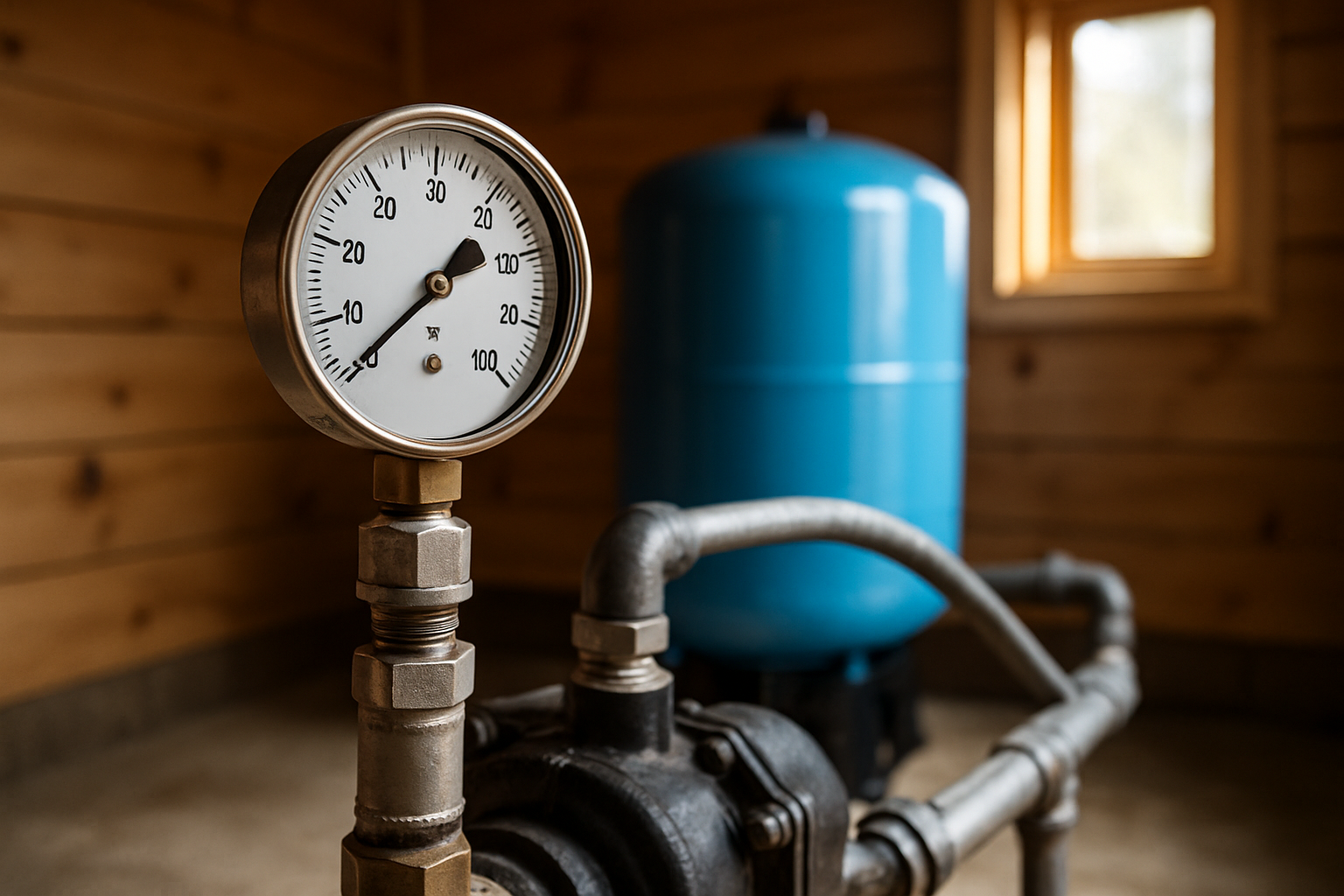
Low Water Pressure From Well
Diagnose and fix pressure problems before they get worse.
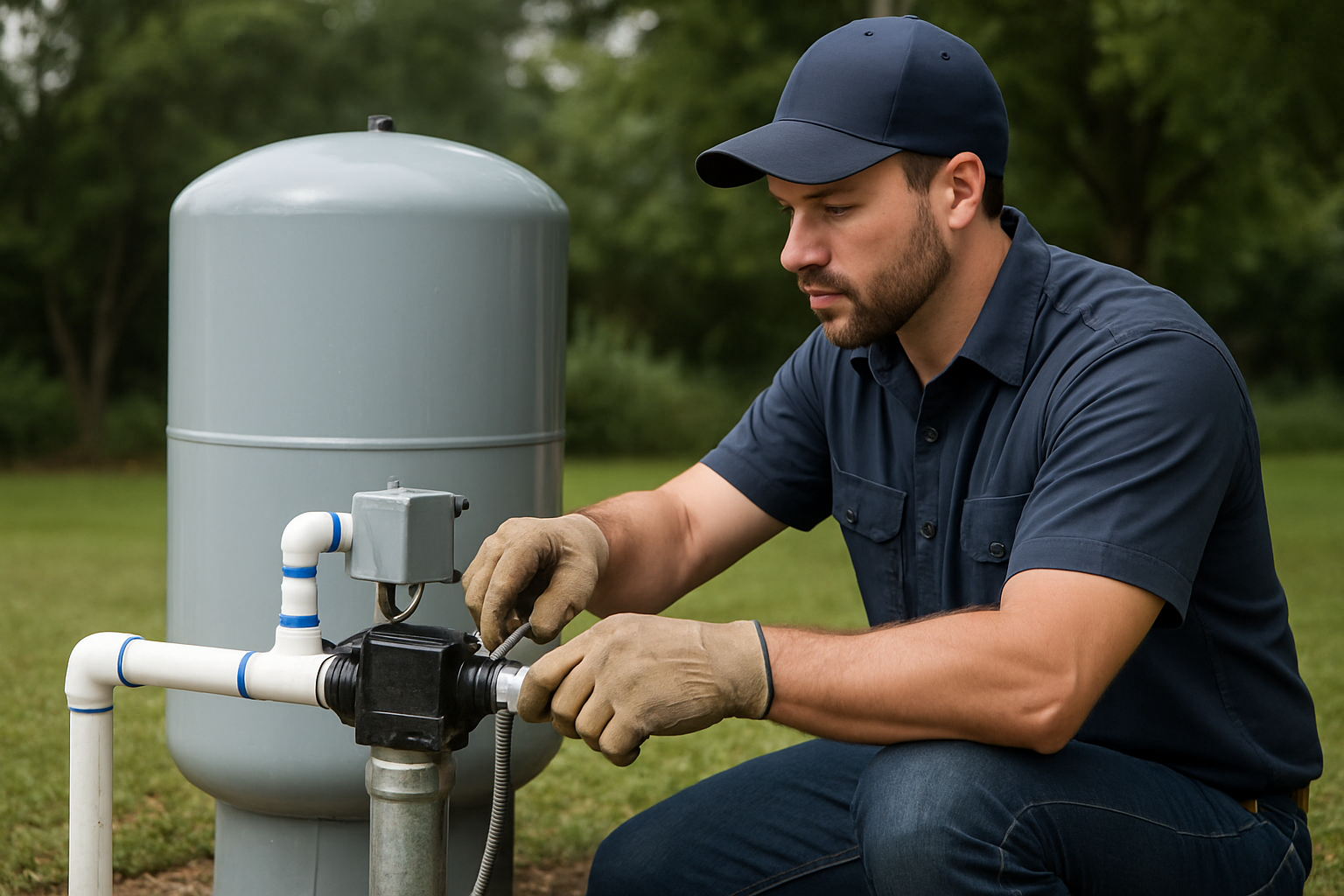
Well Maintenance Guide
Keep your well running smoothly with regular maintenance.
Our Locations
1077 Main St, Ramona, CA 92065
57174 CA-371 (US Hwy 79), Anza, CA 92539
Hydrofracturing for Low-Yield Wells in Desert Center
Out here in the Chuckwalla Valley, water is everything. Desert Center sits in eastern Riverside County at the junction of Interstate 10 and State Route 177, in the transition zone where the Mojave Desert gives way to the Colorado Desert. Properties scattered between Desert Center, Lake Tamarisk, and the stretch toward Eagle Mountain rely almost entirely on private wells, and when one of those wells starts producing less than it used to, the nearest municipal hookup is simply not an option. That is exactly the situation hydrofracturing was built to solve. By using high-pressure water to open and clean the natural fractures feeding your borehole, we can often restore or boost yield for a fraction of what a brand-new well would cost.
Southern California Well Service has worked since 2020 working wells across the remote corners of Riverside County, and we bring the same specialized equipment and same-day responsiveness to Desert Center that we bring to communities closer to our Ramona and Anza offices.
What Hydrofracturing Actually Does
Hydrofracturing (sometimes spelled hydrofracking) is a well-rehabilitation method, not the chemical-laden oil-and-gas process people picture when they hear the word. We use nothing but clean water. A technician lowers an inflatable packer into the well casing, seals off a target zone below it, and then injects water at pressures typically running from 1,500 to over 3,000 PSI. That pressure pushes outward into the rock surrounding your borehole, flushing the fine silt, caliche, and mineral scale that have plugged the small cracks over the years, and nudging existing fractures wider so groundwater has more pathways to reach the well.
The whole procedure usually takes four to eight hours on site. In the right geology, the difference between a well that trickles and a well that flows can come down to clearing and connecting fracture networks that were always there but had quietly silted shut.
Why Desert Center Wells Lose Yield
The Chuckwalla Valley aquifer is largely a basin of alluvial and fanglomerate sediments, but the productive wells around Desert Center frequently draw from coarser gravel layers and from the harder, semi-consolidated formations along the valley margins and near the surrounding ranges. Several local factors conspire to choke yield over time:
- Caliche and fine sediment — the calcium-carbonate hardpan common across the Colorado Desert migrates into and cements the openings around your screen and the rock face.
- A dropping regional water table — sustained pumping and very low natural recharge in this arid basin mean static water levels can sit deep, leaving your intake working in a thinner saturated zone.
- Mineral scale — the hard, mineral-rich groundwater here deposits scale that gradually narrows the very fractures and perforations water needs to enter through.
- Borehole aging — decades of seasonal cycling cause bridging and bio-fouling that no amount of pump replacement will cure, because the problem is in the formation, not the pump.
When Hydrofracturing Makes Sense Here
Hydrofracturing is not a fix for every well, and we will tell you honestly if your situation is a poor candidate. It works best where the borehole intersects fractured or semi-consolidated rock that can hold an open fracture. It is the right call when:
- Your Desert Center well used to keep up with the house and irrigation but no longer does.
- A recently drilled well came in disappointingly low and you want to maximize it before drilling deeper.
- Your well runs short during the brutal summer demand months and recovers slowly overnight.
- You are weighing a new well at $18,000 to $42,000 turnkey and want a lower-cost option first.
Wells set entirely in loose, running sand are generally not good candidates, because a fracture will not stay open in unconsolidated material. During our assessment we determine which category your well falls into before recommending the treatment.
What to Check Before You Call
A few simple observations help us diagnose your well faster and can sometimes point to a cheaper fix than hydrofracturing:
- Track your recovery time. Note how long after the pump shuts off your pressure returns. A slow comeback points to formation yield, not equipment.
- Listen for short-cycling. A pump that snaps on and off every minute or two is often starving for water or fighting a failing pressure tank.
- Check the pressure switch and tank. A waterlogged tank or a worn switch ($150 to $350 to replace) can mimic a low-yield well.
- Look at your power bill. A pump running far longer than it used to may be working against declining yield.
If those basics check out and the well still cannot keep up, the problem is almost certainly in the formation, and that is where hydrofracturing earns its keep.
When to Call a Professional
High-pressure well work is not a do-it-yourself project. The pressures involved are genuinely dangerous, and improper isolation can damage casing or grout. A licensed contractor runs a pre-treatment flow test, inspects the casing with a downhole camera, and confirms the well can safely take the pressure before any water is injected. If you are seeing sand in your water, air spitting at the faucet, or a sudden drop in production, call before the situation forces an emergency. We offer same-day emergency response across Riverside County.
Realistic Cost in Desert Center
Hydrofracturing a Desert Center well typically runs $3,000 to $8,000, depending on depth, the number of zones treated, and access. Compare that with $18,000 to $42,000 for a new turnkey well, and the math is obvious: hydrofracturing is the smart first move. Our diagnostic visit is $125, and we credit that toward any approved work. If your pump turns out to be the real culprit, replacement runs $2,500 to $5,500, a pressure tank $600 to $1,500, and a pressure switch $150 to $350.
Serving Desert Center and Eastern Riverside County
From our offices in Ramona and Anza, we cover the wide-open eastern reaches of Riverside County, including Desert Center, Lake Tamarisk, Chiriaco Summit, Eagle Mountain, and the rural parcels strung along the I-10 corridor toward Blythe. We know the long drives, the deep static levels, and the caliche-heavy formations of this region, and we come prepared to do the job in one trip. With CSLB #1086994 built since 2020, we treat your water supply with the seriousness it deserves.
Desert Center Hydrofracturing FAQ
Will hydrofracturing contaminate my Desert Center well water?
No. Well hydrofracturing uses only clean water under pressure. No chemicals are introduced. After treatment we develop and flush the well, then run a flow test so you draw clean, clear water before we leave the site.
How much can I expect my yield to improve?
In suitable fractured or semi-consolidated rock, improvements of two to five times the pre-treatment flow are common, and some wells do better. Results depend on your specific geology, which is why we baseline your yield before and after.
How long does the treatment take, and is my well usable afterward?
Most jobs take four to eight hours on site. After a short development and settling period, typically 24 to 48 hours, we verify the new flow rate and your well is back in service.
What if hydrofracturing does not improve my well?
A small percentage of wells, especially those in loose sand or with structural casing problems, will not respond. Our upfront assessment is designed to screen those out so you are not paying for a treatment unlikely to help. If we do not think it will work, we will tell you.
Do I need a permit for hydrofracturing in Riverside County?
Well rehabilitation requirements vary, and as a licensed C-57 contractor we handle the proper notifications and work within Riverside County and state groundwater rules. We take care of the regulatory side so you do not have to.
How soon can you get out to Desert Center?
We offer same-day emergency service and schedule standard assessments quickly. Given the distances out to the Chuckwalla Valley, calling early in the day helps us route a technician to you efficiently.
Restore Your Desert Center Well Today
If your Desert Center well is fading, do not assume your only choice is an expensive new borehole. Hydrofracturing has brought countless low-yield wells back to life across Riverside County. Call Southern California Well Service at (760) 440-8520 or text us at (760) 219-5877 for a straight answer and a free estimate. Licensed C-57, founded in 2020, with 60+ years of family heritage same-day emergency service when the water stops.