
Hydrofracturing Well Services in Desert Edge, CA
Is your well in Desert Edge producing less water than it used to? Hydrofracturing (also called hydrofracking) could be the solution to restore and even improve your well's water production without the expense of drilling a new well.
📋 In This Guide
- What is Hydrofracturing?
- Signs Your Desert Edge Well Needs Hydrofracturing
- The Hydrofracturing Process
- Cost vs. New Well Drilling in Desert Edge
- Why Choose SCWS for Hydrofracturing?
- Related Articles
Southern California Well Service provides professional hydrofracturing services throughout Riverside County to help homeowners and property owners increase their well yield.
What is Hydrofracturing?
Hydrofracturing is a well rehabilitation technique that uses high-pressure water to clean and expand existing fractures in the bedrock surrounding your well. This process:
- Clears mineral deposits and sediment blocking water flow
- Opens new pathways for groundwater to reach your well
- Can increase well yield by 2-10 times in many cases
- Extends the life of your existing well
Unlike oil and gas fracking, well hydrofracturing uses only clean water—no chemicals are involved.
Signs Your Desert Edge Well Needs Hydrofracturing
- Declining water production over time
- Well runs dry during peak usage
- Slow recovery rate after pumping
- Pump cycling on and off frequently
- Lower water pressure than previous years
Hydrofracturing for Low-Yield Wells in Desert Edge
Desert Edge sits in the northern Coachella Valley of Riverside County, tucked between Desert Hot Springs and the open desert just minutes from the San Gorgonio Pass. Out here, off Dillon Road and through the quiet streets toward Sky Valley, many homes and small properties rely on private wells rather than a municipal connection. When a Coachella Valley well starts producing less water than it once did, the cause is rarely the pump alone — it is often the formation around the well screen tightening up with fine sediment and mineral scale. Hydrofracturing is the technique that addresses that problem directly, and for a lot of Desert Edge owners it is the difference between keeping a working well and paying for a brand-new one.
This guide walks through how hydrofracturing works, the local conditions that cause low yield in this part of Riverside County, what you can check yourself before calling, realistic costs, and when it makes sense to bring in a licensed contractor.
How Hydrofracturing Restores Well Yield
Hydrofracturing — sometimes written hydrofracking — is the controlled injection of clean water at high pressure into an existing well to widen and clean the natural fractures and water-bearing zones in the surrounding rock. It is not the chemical-laden process used in oil and gas extraction. A water-well hydrofrac uses nothing but water.
The crew lowers an inflatable packer into the borehole to seal off a target zone, then pumps water against that isolated section at pressures that commonly run from 1,000 up to 3,000 PSI or more. That pressure flushes silt and carbonate scale out of the existing cracks and, just as importantly, connects the borehole to fractures that were previously too tight or too clogged to deliver water. Once those pathways open, groundwater that was already present in the formation can finally migrate to the well at a useful rate.
In the Coachella Valley, wells that draw from the harder rock along the valley margins and the fractured granitics near the San Bernardino foothills respond best. Wells set entirely in loose, unconsolidated desert sand are weaker candidates, which is exactly why an honest on-site evaluation comes first.
Common Causes of Low Yield Around Desert Edge
Several patterns show up again and again on Desert Edge service calls:
- Declining production over the years. A well that comfortably filled the tank a decade ago now struggles during summer. Gradual mineral buildup on the screen and in nearby fractures is the usual culprit.
- Seasonal drawdown. The northern Coachella Valley sees long, hot, dry stretches. As the regional water table dips through summer, a marginal well that was always borderline starts running short in July and August.
- A newer well that simply underperformed. Not every freshly drilled borehole hits a generous fracture network. Hydrofracturing a disappointing new well is a routine fix.
- Iron and carbonate scaling. Desert groundwater here can be hard and mineral-rich, and that mineral content plates out on the screen and in the formation over time.
Typical domestic wells in this stretch of Riverside County run roughly 200 to 600 feet deep, depending on where the property sits relative to the valley floor and the surrounding mountains.
What to Check Before You Call
A few simple observations help you describe the problem and can sometimes point to a cheaper fix than hydrofracturing:
- Watch the pressure tank cycle. If the pump kicks on and off rapidly (short-cycling), the issue may be a waterlogged tank or a failing pressure switch rather than the well itself.
- Note when you run short. Running dry only during heavy simultaneous use points to a yield or recovery problem — the well's specialty area for hydrofracturing.
- Listen to the pump. A pump that runs continuously and never builds pressure may be drawing the well down faster than it can recover.
- Check for air spitting at faucets. Air in the lines can mean the water level is dropping to the pump intake during use.
- Review your records. Your original well log lists depth, static level, and the driller's tested yield — invaluable for comparison.
When to Call a Professional
If your well runs dry under normal household demand, if recovery after pumping has slowed noticeably, or if production has dropped well below what your well log shows, it is time for a professional assessment. Hydrofracturing requires specialized high-pressure equipment and experience reading a borehole, so it is not a do-it-yourself project. A licensed contractor will run a pre-treatment flow test, inspect the casing, and tell you honestly whether your Desert Edge well is a good candidate before any work begins.
Cost vs. Drilling a New Well in Desert Edge
The economics are what make hydrofracturing so attractive. A hydrofracturing treatment typically runs $3,000 to $8,000, depending on depth and the number of zones treated. A diagnostic visit is $125, and that fee is credited toward the work if you move forward.
Compare that to a new turnkey well in this area, which generally runs $18,000 to $42,000 once drilling, casing, a pump, and surface equipment are included. Related repairs are far cheaper than a new well too: a replacement pump runs $2,500 to $5,500, a pressure tank $600 to $1,500, and a pressure switch $150 to $350. Because hydrofracturing costs a fraction of a new well and often restores 2 to 5 times the previous flow, most owners try it first.
Serving Desert Edge and All of Riverside County
Southern California Well Service has been rehabilitating wells across Southern California since 2020. We are a licensed C-57 water well contractor with, offices in Ramona and Anza, and same-day emergency availability when a household loses water. From Desert Edge and Sky Valley through Desert Hot Springs and the wider Coachella Valley, our technicians know the local geology and arrive ready to test, evaluate, and treat your well in a single visit when conditions allow.
What to Expect During a Desert Edge Service Visit
When our crew arrives at your Desert Edge property, the visit follows a clear sequence so you always know what is happening. First we run a pre-treatment flow test to measure exactly how much water the well delivers and how quickly it recovers — this becomes the baseline we compare against afterward. Next, a downhole camera survey checks casing condition and identifies the fracture zones worth targeting. Only then do we set the packers and begin the high-pressure injection, working zone by zone over roughly four to eight hours. Finally, a post-treatment flow test confirms the gain, and you receive a documented before-and-after comparison so the improvement is measurable rather than a matter of opinion. Throughout the desert summer, when demand peaks and tempers run short, that kind of transparency matters.
Local Knowledge That Makes a Difference
Working in the northern Coachella Valley year after year, our technicians have learned how Desert Edge wells behave through the seasonal cycle and where the productive fracture zones tend to sit along the valley margins. That experience lets us read a borehole quickly, set realistic expectations before any work begins, and avoid recommending a treatment on a well that will not respond. When hydrofracturing is not the right answer, we say so — and we will lay out the alternatives, whether that is a pump adjustment, a tank or switch replacement, or, in the rare case it is warranted, a new well.
Protecting Your Well After Treatment
Once hydrofracturing restores flow, a few habits help the gain last in the Coachella Valley's demanding climate. Schedule a periodic flow test so you catch any slow decline early rather than during a 110-degree August afternoon. Because Desert Edge groundwater tends to run hard, ask whether light periodic well chlorination or a sediment screen makes sense for your setup. And keep your original and post-treatment flow records together — that paper trail tells the next technician exactly how the well has performed over time and shortens future diagnostics. A treated well that is monitored is a well that keeps delivering through the long desert summers.
Frequently Asked Questions
How much does hydrofracturing cost in Desert Edge?
Most hydrofracturing treatments in the Desert Edge area run between $3,000 and $8,000, depending on well depth and how many zones need treatment. That is a small fraction of the $18,000 to $42,000 cost of drilling a new well, which is why most owners try hydrofracturing first.
Will hydrofracturing work on my Coachella Valley well?
It works best on wells drawing from fractured rock along the valley margins and the granitic foothills. Wells set entirely in loose desert sand are weaker candidates. We run a pre-treatment flow test and inspect the casing before recommending the work, so you only proceed if your well is a good fit.
Does hydrofracturing use chemicals?
No. Water-well hydrofracturing uses only clean water injected at high pressure. It is completely different from oil and gas fracking and introduces no chemicals into your aquifer.
How long does the process take?
A typical hydrofracturing treatment takes about 4 to 8 hours on site. We measure your yield before and after, and improvements are usually verified within 24 to 48 hours.
How much can my well yield improve?
In hard fractured rock, owners commonly see 2 to 5 times their previous flow rate. Results vary with geology, which is why we baseline your current yield first and document the before-and-after numbers.
Is hydrofracturing safe for an older well?
Yes, when the casing is sound. We video-inspect the borehole first to confirm the casing can handle the treatment. If we find a problem, we tell you before doing any pressurized work.
Ready to Restore Your Well?
If your Desert Edge well is producing less than it should, do not wait until it runs dry. Call Southern California Well Service at (760) 440-8520 or text us at (760) 219-5877 to schedule a flow test and honest evaluation. The $125 diagnostic is credited toward your hydrofracturing treatment, and same-day emergency service is available when you have no water.
Need Help With Your Well in Desert Edge?
Our expert technicians serve Desert Edge and all of Riverside County with professional well services.
Related Articles
Continue learning about well maintenance and troubleshooting

Signs Your Well Pump Is Failing
Catch pump problems early before you lose water completely.
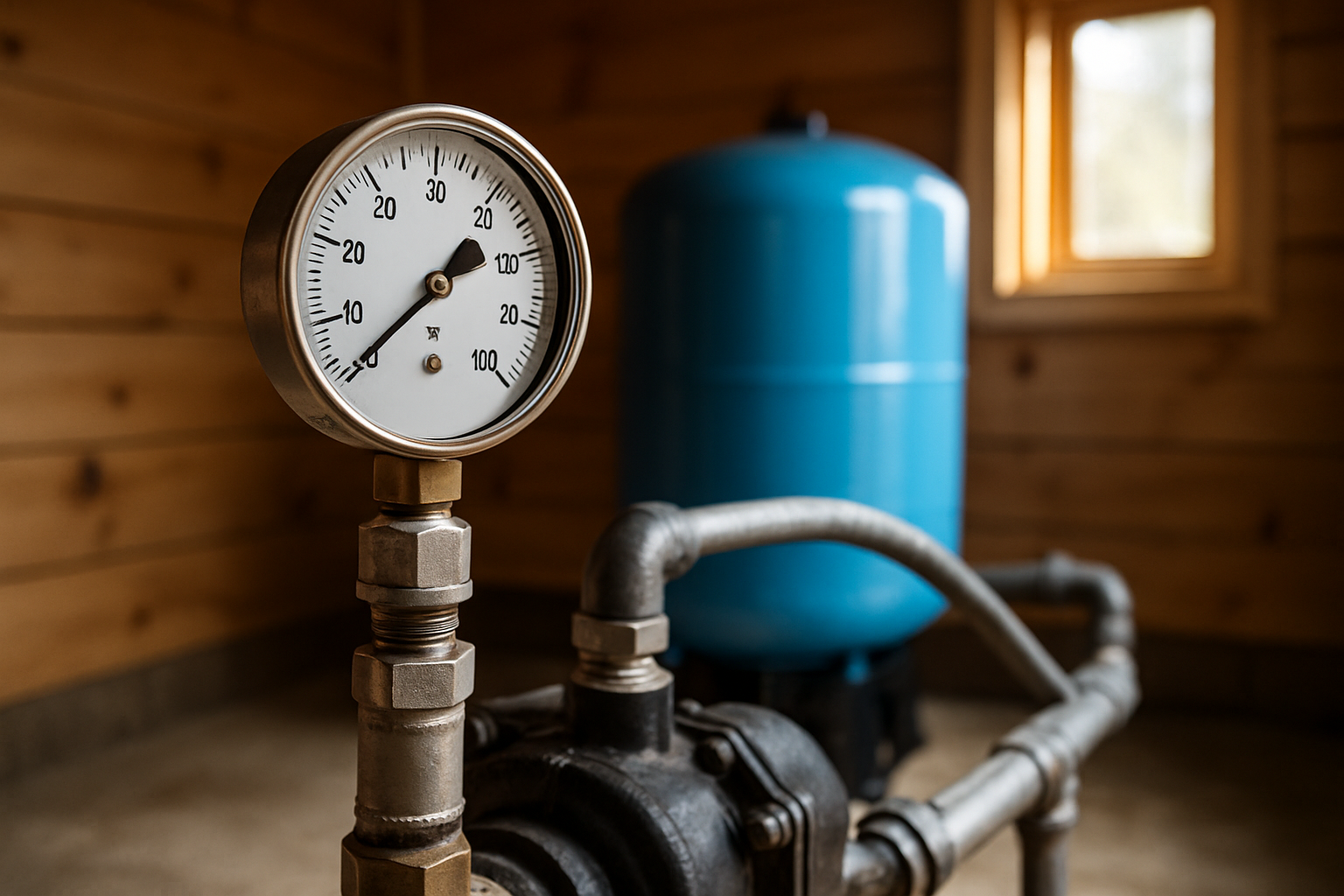
Low Water Pressure From Well
Diagnose and fix pressure problems before they get worse.
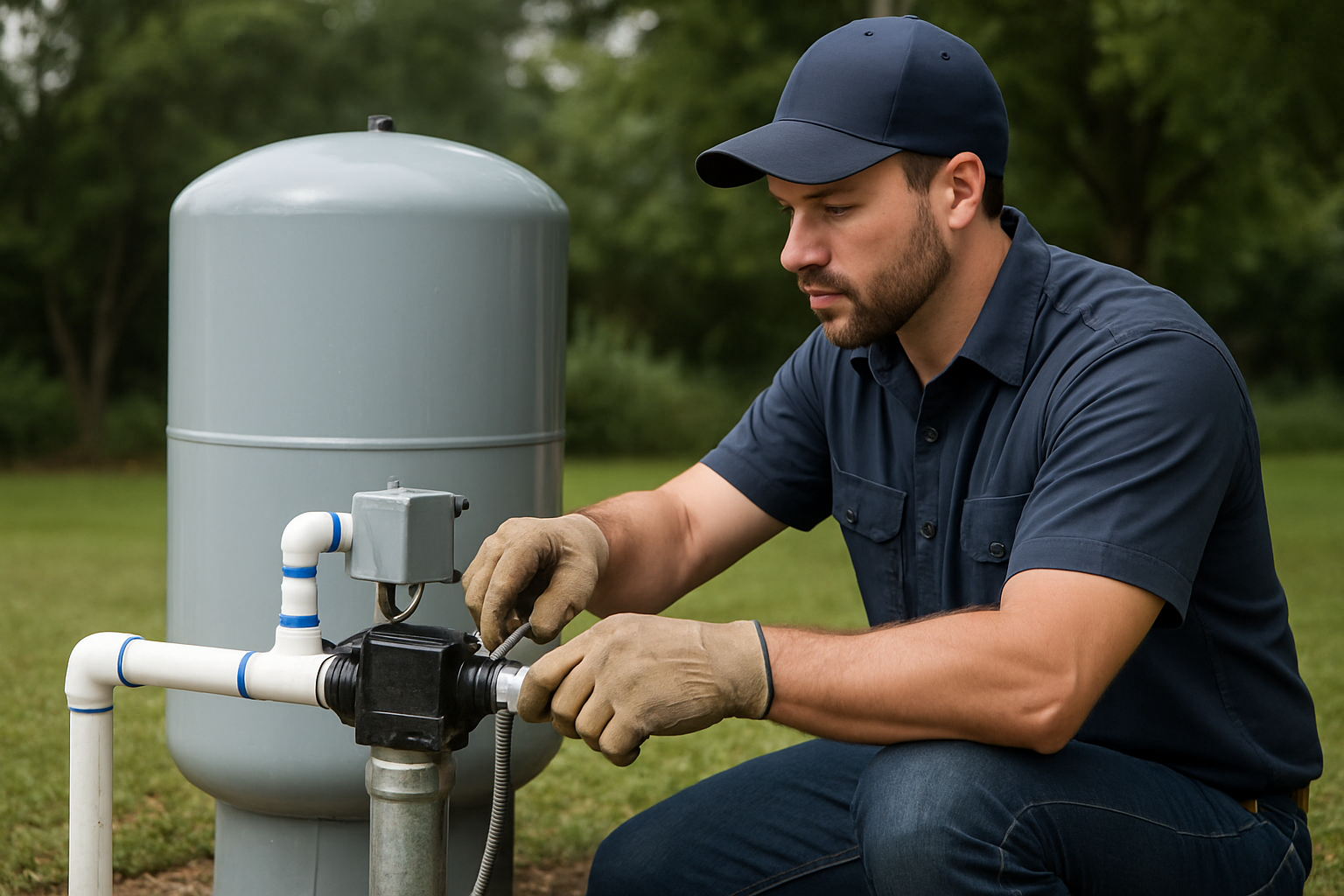
Well Maintenance Guide
Keep your well running smoothly with regular maintenance.
Our Locations
1077 Main St, Ramona, CA 92065
57174 CA-371 (US Hwy 79), Anza, CA 92539