
Hydrofracturing Well Services in Desert Hot Springs, CA
Is your well in Desert Hot Springs producing less water than it used to? Hydrofracturing (also called hydrofracking) could be the solution to restore and even improve your well's water production without the expense of drilling a new well.
📋 In This Guide
- What is Hydrofracturing?
- Signs Your Desert Hot Springs Well Needs Hydrofracturing
- The Hydrofracturing Process
- Cost vs. New Well Drilling in Desert Hot Springs
- Why Choose SCWS for Hydrofracturing?
- Related Articles
Southern California Well Service provides professional hydrofracturing services throughout Riverside County to help homeowners and property owners increase their well yield.
What is Hydrofracturing?
Hydrofracturing is a well rehabilitation technique that uses high-pressure water to clean and expand existing fractures in the bedrock surrounding your well. This process:
- Clears mineral deposits and sediment blocking water flow
- Opens new pathways for groundwater to reach your well
- Can increase well yield by 2-10 times in many cases
- Extends the life of your existing well
Unlike oil and gas fracking, well hydrofracturing uses only clean water—no chemicals are involved.
Signs Your Desert Hot Springs Well Needs Hydrofracturing
- Declining water production over time
- Well runs dry during peak usage
- Slow recovery rate after pumping
- Pump cycling on and off frequently
- Lower water pressure than previous years
The Hydrofracturing Process
- Initial Assessment: We evaluate your well's current yield and condition
- Equipment Setup: Specialized high-pressure equipment is positioned at your well
- Isolation: Packers seal off sections of the well for targeted treatment
- Pressurization: Water is pumped at 500-3,000 PSI to fracture bedrock
- Development: Well is cleaned and tested for improved yield
Cost vs. New Well Drilling in Desert Hot Springs
In Desert Hot Springs, drilling a new well can cost $15,000-$50,000+ depending on depth. Hydrofracturing typically costs a fraction of that—often $3,000-$8,000—making it an excellent first option before considering a new well.
Many Desert Hot Springs wells that appear to be "going dry" can be successfully rehabilitated through hydrofracturing, saving homeowners tens of thousands of dollars.
Why Choose SCWS for Hydrofracturing?
- Founded 2020 · 60+ Years Family Heritage: We've rehabilitated thousands of wells across Southern California
- Licensed C-57 Contractor. CSLB License #1086994. Fully licensed for well drilling and service in California
- Specialized Equipment: Professional-grade hydrofracturing equipment
- Free Estimates: We'll assess your well and provide honest recommendations
Need Help With Your Well in Desert Hot Springs?
Our expert technicians serve Desert Hot Springs and all of Riverside County with professional well services.
Related Articles
Continue learning about well maintenance and troubleshooting

Signs Your Well Pump Is Failing
Catch pump problems early before you lose water completely.
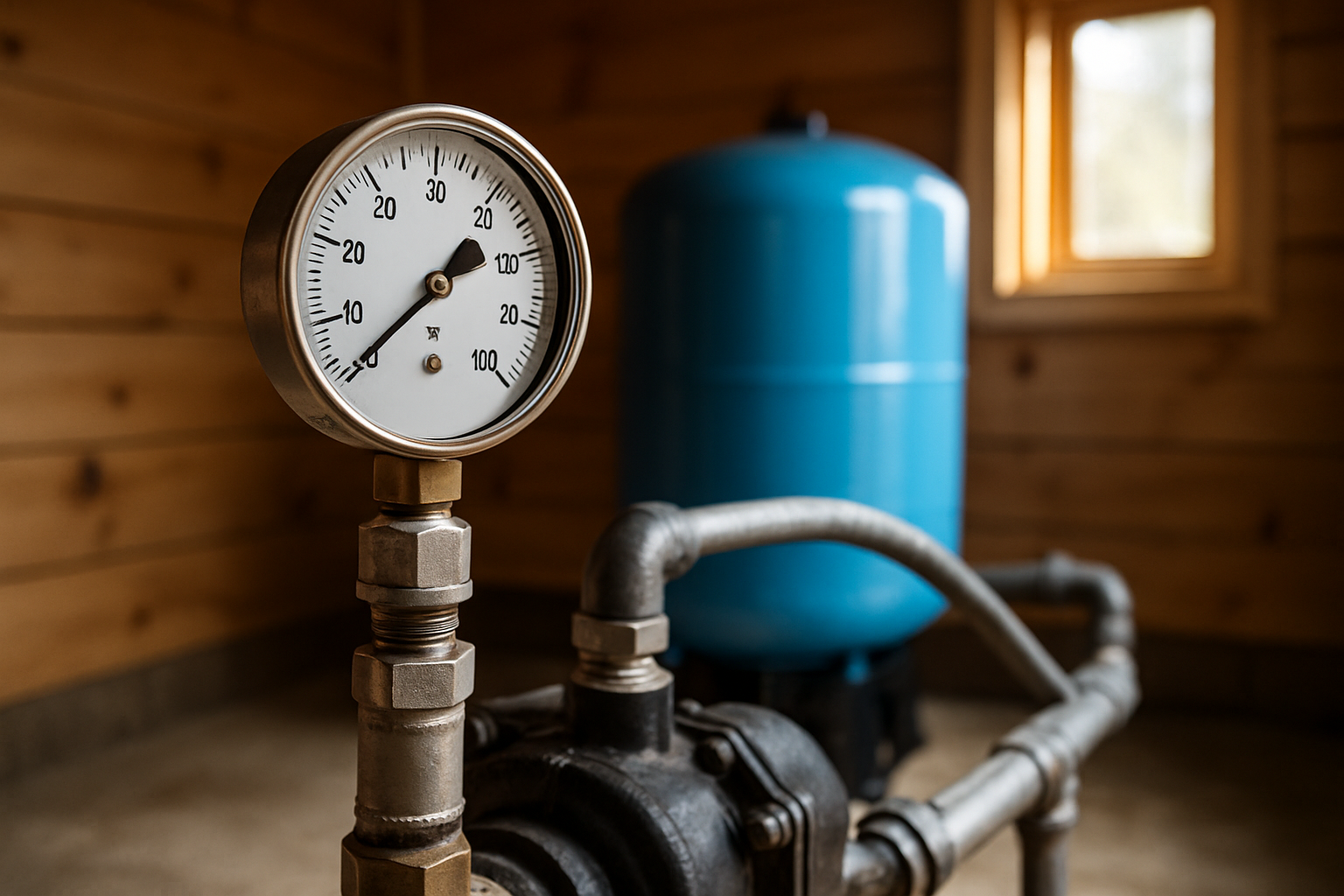
Low Water Pressure From Well
Diagnose and fix pressure problems before they get worse.
Well Maintenance Guide
Keep your well running smoothly with regular maintenance.
Our Locations
1077 Main St, Ramona, CA 92065
57174 CA-371 (US Hwy 79), Anza, CA 92539
Hydrofracturing for Low-Yield Wells in Desert Hot Springs
Desert Hot Springs sits on the northern edge of the Coachella Valley in Riverside County, tucked against the Little San Bernardino Mountains and just north of the Mission Creek and Banning fault zones. The town is famous for its naturally heated mineral aquifer, but plenty of properties on the slopes above the valley floor and out toward Sky Valley and Painted Hills depend on private wells that draw from cooler groundwater and fractured bedrock rather than the hot mineral pocket downtown. When one of those wells starts producing less water than it used to, hydrofracturing (often spelled hydrofracking) is frequently the most cost-effective way to restore flow without committing to a brand-new well.
At Southern California Well Service, we have, since 2020, rehabilitating wells across the high desert and the Coachella Valley. If your well in Desert Hot Springs, Mission Lakes Country Club, Desert Crest, or the rural parcels along Dillon Road is struggling to keep up with household or irrigation demand, this guide explains how hydrofracturing works, when it is the right call, and what it costs.
What Hydrofracturing Actually Does
Hydrofracturing is a well-rehabilitation method that injects clean water under high pressure into the rock formation that surrounds your well bore. The pressure widens and reconnects the natural cracks and fissures in hard rock, flushes out the fine sediment, clay, and mineral scale that have clogged them over the years, and opens fresh pathways for groundwater to migrate toward the well. The result is usually a measurable jump in the rate at which water enters the well and how quickly the well recovers after the pump runs.
It is important to separate this from the oil-and-gas "fracking" that makes headlines. Water-well hydrofracturing uses nothing but clean water. There are no chemicals, no proppants, and no slurry. The technique has been used safely on residential and agricultural wells for decades, and in the fractured granitic terrain that dominates much of the high ground around Desert Hot Springs, it tends to be a strong performer.
How the Process Works on a Desert Hot Springs Well
The job begins by pulling the pump and running a flow test so we know the well's true starting yield in gallons per minute. We then lower an inflatable packer (and often a second packer to bracket a specific zone) into the borehole to seal off the section we want to treat. Clean water is injected through that isolated zone at pressures that typically range from 1,000 to 3,000 PSI, depending on the depth and competence of the rock. The pressure pulse opens the existing fracture network feeding the well. We frequently treat several zones in sequence, working our way up or down the bore, then redevelop and re-test the well to confirm the gain. Most Desert Hot Springs jobs are completed in a single day, generally four to eight hours on site.
Why Wells Lose Yield Around the Coachella Valley
Low production in this part of Riverside County usually traces back to one or more local causes:
- Mineral and scale buildup. The mineral-rich water this region is known for is wonderful for spas, but dissolved minerals precipitate out over time and plug the perforations and the fractures around the bore.
- Tight or "healed" fractures. Wells completed in decomposed granite and crystalline bedrock depend entirely on cracks for flow. Sediment and fines gradually pack those cracks until the well chokes down.
- A declining water table. Years of drought and heavy regional pumping have lowered groundwater levels in parts of the Coachella Valley, leaving the original perforated zone partly above the water line.
- A well that was always marginal. Some newer wells in Sky Valley and the hills above Two Bunch Palms came in weak from day one because they happened to miss the most productive fracture set.
Hydrofracturing addresses the first three directly and can often rescue the fourth by linking the bore to better-connected fractures nearby.
Signs Your Well May Be a Good Candidate
- Your pump short-cycles or runs dry during summer irrigation or when several fixtures run at once.
- Recovery is slow: the well takes hours to refill after heavy use.
- Production has fallen noticeably compared with a few years ago.
- A newly drilled well in fractured rock came in well below the driller's expectation.
- You are weighing the cost of a replacement well and want a lower-cost option first.
What to Check Before You Call
A few quick observations help us diagnose your situation and can save you a service call if the problem is something simpler than yield:
- Confirm it is the well, not the equipment. A waterlogged pressure tank, a failing pressure switch, or a worn pump can mimic low yield. If your pressure switch (a $150-$350 part) is chattering or your tank (typically $600-$1,500) has lost its air charge, that is a much cheaper fix.
- Note when the problem appears. Trouble only during peak afternoon irrigation points toward yield; a steady whole-day pressure drop points more toward equipment.
- Check your well log if you have it. Knowing the total depth, the static water level, and the perforated interval tells us whether your well sits in fractured rock that responds well to hydrofracturing. Many wells in the hills above Desert Hot Springs run from roughly 200 to 600 feet deep.
- Listen and watch. Air spitting at the faucets, sand in the water, or a pump that cycles every couple of minutes are all worth mentioning when you call.
When to Call a Professional
Hydrofracturing is not a do-it-yourself project. It requires high-pressure pumps, packer assemblies, and the experience to read how a specific formation will behave, which is why it should only be performed by a licensed contractor. We start every assessment with a diagnostic visit ($125, credited toward the work if you proceed) so you are not paying for guesswork. If your well turns out to be a poor candidate, for example one finished in loose sand or gravel rather than fractured rock, we will tell you plainly and walk through other options rather than push a treatment that will not help.
Realistic Costs in Desert Hot Springs
Here is how the numbers usually shake out for properties in and around Desert Hot Springs:
- Hydrofracturing: $3,000-$8,000 depending on depth, the number of zones treated, and access.
- New turnkey well: $18,000-$42,000, which is why hydrofracturing is almost always worth trying first.
- Pump replacement: $2,500-$5,500 if a worn pump is part of the picture.
- Pressure switch: $150-$350. Pressure tank: $600-$1,500.
- Diagnostic visit: $125, credited toward any service you book.
In our experience with this region's decomposed granite and fractured crystalline rock, hydrofracturing improves yield in roughly 70-80% of suitable wells, with typical gains of two to five times the pre-treatment flow rate. Wells in hard, fractured rock respond best.
Serving Desert Hot Springs and the Surrounding Area
From our offices in Ramona and Anza we serve Desert Hot Springs and the broader Coachella Valley, including Mission Lakes, Desert Crest, Painted Hills, Sky Valley, Dillon Road, and the rural parcels stretching toward Whitewater and Morongo Valley. Because we are based in the region rather than dispatched from out of the area, we understand the local geology and the realities of high-desert water supply. We also offer same-day emergency response when a household loses water entirely.
Frequently Asked Questions
Is hydrofracturing safe for my Desert Hot Springs well?
Yes. It uses only clean water, no chemicals, and has been used on residential and agricultural wells for decades. It does not contaminate the aquifer and, when done correctly, does not damage a sound well casing.
How much can hydrofracturing improve my well's yield?
Most wells that respond see a two to five times increase in flow rate. Results depend on your rock formation, the well's depth, and what is causing the low yield in the first place.
Will it work on every well?
No. Hydrofracturing works best in fractured hard rock such as the granite common around Desert Hot Springs. Wells finished in loose sand or gravel are poor candidates, and we will tell you up front if yours falls into that category.
How long does the job take?
Most residential treatments are completed in a single day, usually four to eight hours on site. We verify the improvement with a flow test, typically within 24 to 48 hours.
Is hydrofracturing cheaper than drilling a new well?
Almost always. Hydrofracturing runs $3,000-$8,000, while a new turnkey well in this area runs $18,000-$42,000. Trying hydrofracturing first can save you tens of thousands of dollars.
Do you offer free estimates and emergency service?
We provide free estimates on quoted work, and we offer same-day emergency service when you have lost water. Our diagnostic visit is $125 and is credited toward any work you book.
Restore Your Well's Flow in Desert Hot Springs
If your Desert Hot Springs well is running low, do not assume a replacement is your only option. Southern California Well Service is a licensed C-57 contractor (CSLB #1086994), founded in 2020, with 60+ years of family heritage across the region. Call us at (760) 440-8520 or text (760) 219-5877 to schedule an assessment and find out whether hydrofracturing can bring your well back to life.