
Hydrofracturing Well Services in Devore, CA
Is your well in Devore producing less water than it used to? Hydrofracturing (also called hydrofracking) could be the solution to restore and even improve your well's water production without the expense of drilling a new well.
📋 In This Guide
- What is Hydrofracturing?
- Signs Your Devore Well Needs Hydrofracturing
- The Hydrofracturing Process
- Cost vs. New Well Drilling in Devore
- Why Choose SCWS for Hydrofracturing?
- Related Articles
Southern California Well Service provides professional hydrofracturing services throughout San Bernardino County to help homeowners and property owners increase their well yield.
What is Hydrofracturing?
Hydrofracturing is a well rehabilitation technique that uses high-pressure water to clean and expand existing fractures in the bedrock surrounding your well. This process:
- Clears mineral deposits and sediment blocking water flow
- Opens new pathways for groundwater to reach your well
- Can increase well yield by 2-10 times in many cases
- Extends the life of your existing well
Unlike oil and gas fracking, well hydrofracturing uses only clean water—no chemicals are involved.
Signs Your Devore Well Needs Hydrofracturing
- Declining water production over time
- Well runs dry during peak usage
- Slow recovery rate after pumping
- Pump cycling on and off frequently
- Lower water pressure than previous years
The Hydrofracturing Process
- Initial Assessment: We evaluate your well's current yield and condition
- Equipment Setup: Specialized high-pressure equipment is positioned at your well
- Isolation: Packers seal off sections of the well for targeted treatment
- Pressurization: Water is pumped at 500-3,000 PSI to fracture bedrock
- Development: Well is cleaned and tested for improved yield
Cost vs. New Well Drilling in Devore
In Devore, drilling a new well can cost $15,000-$50,000+ depending on depth. Hydrofracturing typically costs a fraction of that—often $3,000-$8,000—making it an excellent first option before considering a new well.
Many Devore wells that appear to be "going dry" can be successfully rehabilitated through hydrofracturing, saving homeowners tens of thousands of dollars.
Why Choose SCWS for Hydrofracturing?
- Founded 2020 · 60+ Years Family Heritage: We've rehabilitated thousands of wells across Southern California
- Licensed C-57 Contractor. CSLB License #1086994. Fully licensed for well drilling and service in California
- Specialized Equipment: Professional-grade hydrofracturing equipment
- Free Estimates: We'll assess your well and provide honest recommendations
Need Help With Your Well in Devore?
Our expert technicians serve Devore and all of San Bernardino County with professional well services.
Related Articles
Continue learning about well maintenance and troubleshooting
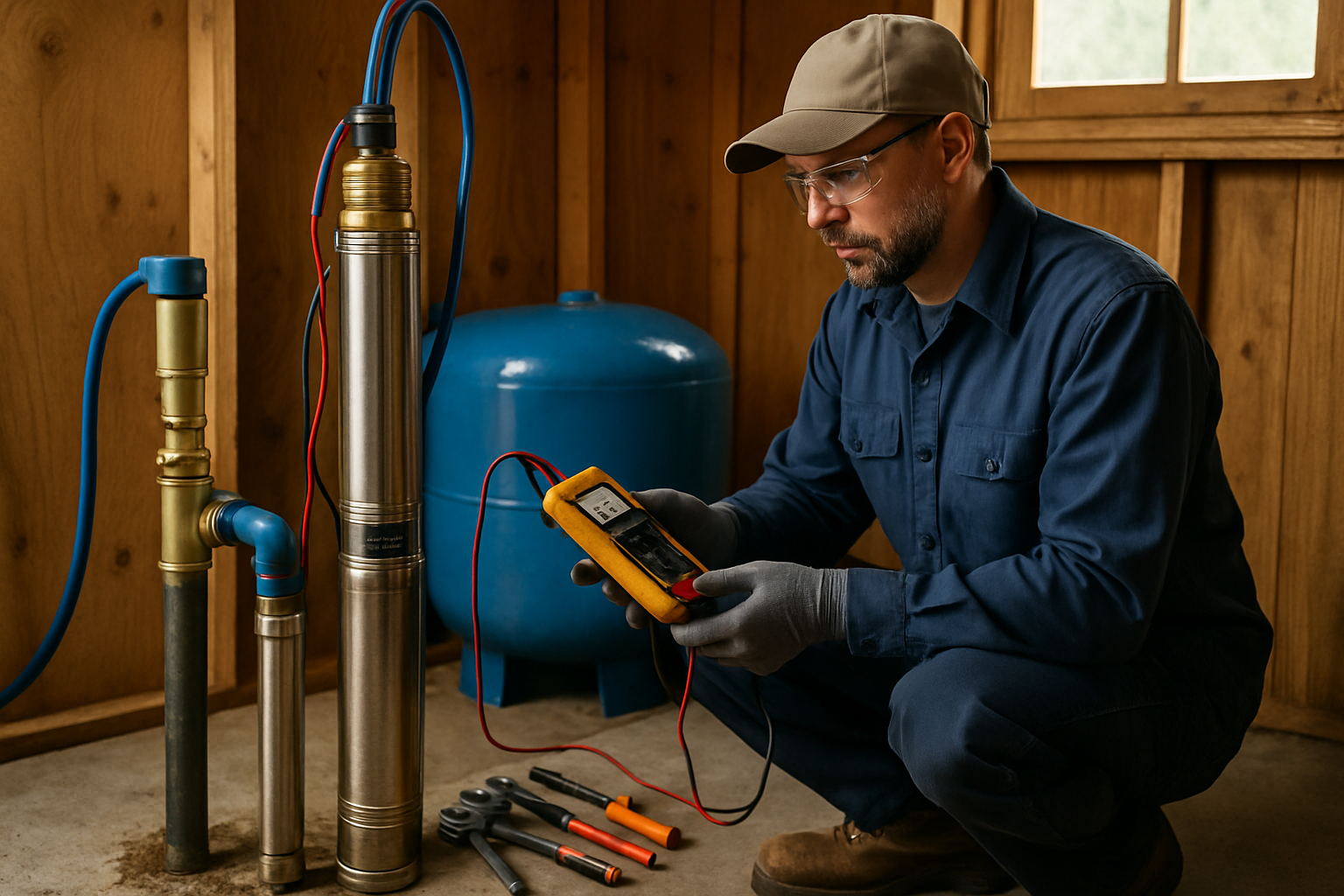
Signs Your Well Pump Is Failing
Catch pump problems early before you lose water completely.
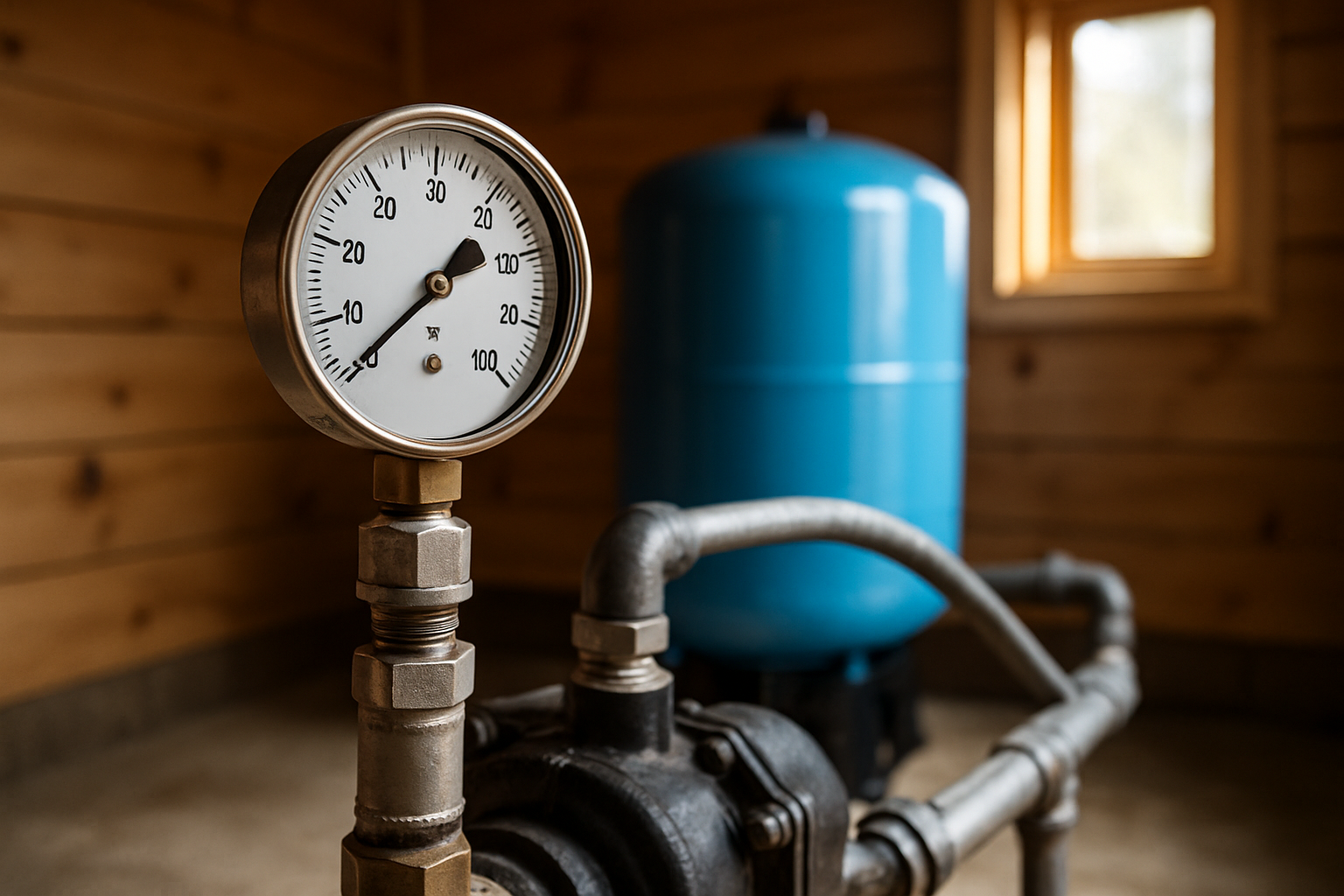
Low Water Pressure From Well
Diagnose and fix pressure problems before they get worse.
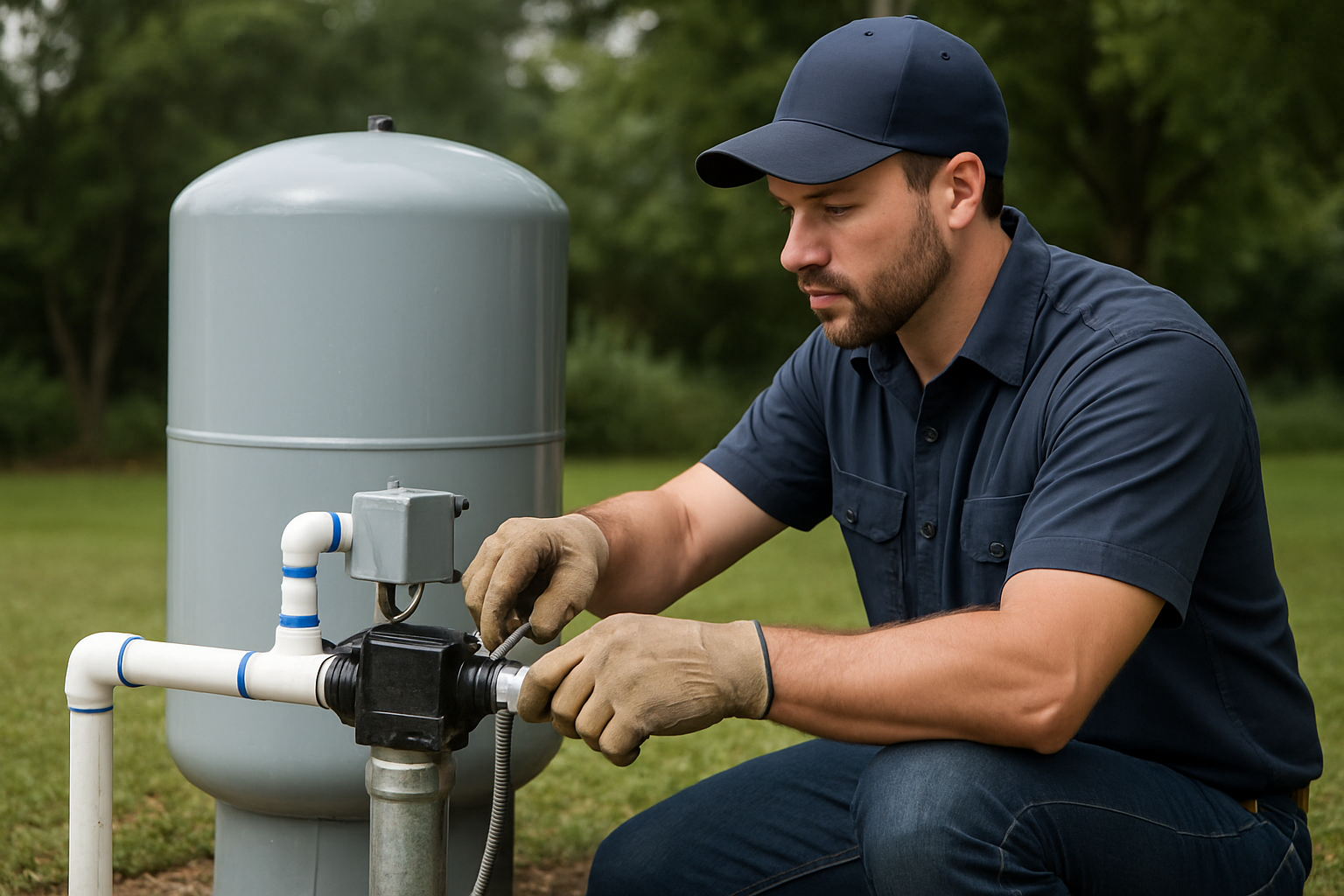
Well Maintenance Guide
Keep your well running smoothly with regular maintenance.
Our Locations
1077 Main St, Ramona, CA 92065
57174 CA-371 (US Hwy 79), Anza, CA 92539
Hydrofracturing for Wells Around Devore and Cajon Pass
Devore sits at the mouth of Cajon Pass in San Bernardino County, around 2,000 feet, where the San Gabriel and San Bernardino mountain ranges come together and the Cajon Wash spills out onto the valley below. It is a semi-rural area of large lots, ranch properties, and homes near Glen Helen, many of them on private wells. The geology here is transitional, which makes an honest assessment essential before any hydrofracturing work. The foothill benches and the rising ground toward the pass are hard, fractured bedrock, while the broad alluvial fan along the wash is sand and gravel. Hydrofracturing helps wells finished in fractured rock and does little for wells set in loose alluvium, so the first thing we establish on any Devore property is which kind of well you actually have.
Why the Formation Determines Everything
A well drilled into the alluvial fan draws water from the spaces between sand and gravel grains; that material already moves water freely, so there is little for high-pressure injection to fracture and the loose material can slough back. Those wells are generally not candidates. A well drilled into the granitic and metamorphic bedrock of the foothills is the opposite case. Water there travels only through fractures, so yield depends on how many water-bearing cracks the borehole intersects, and widening and connecting those cracks with high-pressure water can sharply increase flow. If your Devore well is a few hundred feet into rock on the higher ground, it may be a strong candidate; if it is a shallower well in the wash, it probably is not.
Cajon Pass also shapes recharge. The fracture system in the surrounding rock fills during winter storms and is drawn down through the dry season, so many local bedrock wells are strongest in spring and weakest by late summer. A well that runs short every autumn is often not out of water; it simply cannot move water through its limited fracture network fast enough to keep up. That seasonal pattern is a strong hint that fracturing could help.
Signs a Devore Well Needs Attention
- Year-over-year decline in production from a well you know is in rock
- Slow recovery after heavy household, livestock, or irrigation use
- Seasonal shortages that bite in late summer and ease after winter
- A newer bedrock well that never delivered the expected flow
- A pump that short-cycles or pulls the water level down to the intake
Before any treatment we confirm the formation is the limiting factor and rule out equipment. A pump undersized for a ranch, a waterlogged pressure tank, or a failing pressure switch can all imitate low yield, and we check those inexpensive culprits first.
The Treatment Process
- Baseline flow test to record your current yield as a documented starting point.
- Camera survey to check casing condition and locate the best fracture zones.
- Packer isolation to seal off a section of open borehole for focused treatment.
- High-pressure injection of clean water, typically 1,000 to 3,000 PSI, to clean and extend fractures.
- Development and re-testing to flush loosened material and measure the improvement.
Most Devore jobs finish in a single day. We use only clean water, so there is no chemical risk, and we schedule around livestock and irrigation needs where we can.
What to Check Before You Call
A little history speeds the diagnosis. Find out whether your well is in rock or in the wash alluvium, since that largely determines whether fracturing applies. Note whether your shortage is seasonal, which points to a yield limit. Watch the pressure gauge for rapid cycling, a sign of a waterlogged tank, and listen for a pump that runs long and loses prime, a classic low-yield symptom. If you can share your well's depth, any log, and your storage capacity, we can give you a faster and more accurate answer.
Realistic Results and Cost
Where a Devore well is genuinely in fractured rock, hydrofracturing improves yield in roughly 70 to 80 percent of cases, typically two to five times the prior flow. A new well in this area runs about $18,000 to $42,000 turnkey, while fracturing a suitable existing well usually costs $3,000 to $8,000, with a $125 diagnostic credited toward the job. For a bedrock well that has lost yield, fracturing is the sensible first step before committing to new drilling. We document every result with before-and-after flow testing.
When to Call a Professional
Call us when a known bedrock well has lost production, when recovery is slow, or before you plan a replacement well. If your issue is pressure rather than supply, a booster or constant-pressure system may be the right answer instead. We will be candid if your Devore well is set in alluvium or limited by storage rather than the formation, because honest guidance is what keeps our name good in these communities.
Serving Devore and the Cajon Pass Area
Southern California Well Service has founded in 2020, with 60+ years of family heritage with foothill and ranch wells across San Bernardino County, including Devore, Glen Helen, and the Cajon Pass area where mountain bedrock meets the valley alluvium. We are a licensed C-57 contractor (CSLB #1086994) with CSLB #1086994 and same-day emergency response. Our knowledge of this transitional terrain is exactly what lets us give Devore owners a straight answer about fracturing.
Protecting a Devore Well for the Long Term
Once a Devore well is producing well again, a few habits keep it that way. Periodic flow checks let you catch a gradual decline early, before it becomes an emergency, and a simple log of how your yield behaves across the seasons gives us a head start if treatment is ever needed again. Mineral scale can slowly re-clog fractures over many years, particularly in harder water, so pairing a strong well with appropriate filtration or softening, where your water chemistry warrants it, protects both your plumbing and your well's performance. Adequate storage also smooths out peak demand from a household, livestock, or irrigation, letting the well recharge overnight and deliver during the day. We look at the whole system during your visit, from the borehole to the pressure tank to your storage, so the solution we recommend supports your Devore property reliably for years rather than just solving the symptom of the moment.
Why Devore Owners Trust Southern California Well Service
Working in the transitional terrain at the mouth of Cajon Pass takes local judgment that only comes from decades on the ground. We have evaluated and treated wells throughout the Devore and Glen Helen area, and we know how quickly the geology shifts from the alluvial fan along the wash to the fractured bedrock of the foothills, sometimes within a single large parcel. That experience means we do not guess. We assess your specific well, document its behavior, and recommend the approach with the best odds for your situation, whether that is hydrofracturing, added storage, or, when the numbers favor it, a new well. Our diagnostic fee is credited toward the work, and our recommendations are built around what actually serves your property, not around selling the most expensive option.
Frequently Asked Questions
Is my Devore well in rock or in the Cajon Wash alluvium?
Your well log usually says, and the well's depth, location, and a camera survey tell us the rest. Wells on the foothill benches and higher ground toward the pass are typically in fractured rock, while wells on the alluvial fan tend to be in sand and gravel. We confirm before recommending treatment.
Why doesn't fracturing help an alluvial well?
High-pressure water opens and connects cracks in solid rock. Loose sand and gravel has no fracture network to widen, and the material can collapse back, so the benefit is minimal. We assess the formation first and decline jobs where fracturing can't reasonably succeed.
Does the process use chemicals?
No. Water-well hydrofracturing uses only clean water under pressure, with no chemicals or additives, so it does not contaminate your groundwater. It reopens the natural fractures already feeding your well.
How much improvement is realistic?
On a qualifying Devore bedrock well, successful treatments commonly yield two to five times the prior flow, with a success rate around 70 to 80 percent. We flow-test before and after so you see the documented gain rather than a promise.
Can an older well be treated?
Age alone rarely disqualifies a well. What matters is sound casing and whether the well is finished in rock. We inspect with a camera first; if both conditions are met, an older Devore well can respond as well as a newer one.
What if treatment doesn't deliver enough water?
About one in five wells gains little, which is why we assess candidacy honestly and test before and after. If a treated well still falls short, we discuss options such as added storage, deepening, or a new well, and help you weigh the costs.
Not sure whether your Devore well taps foothill rock or valley alluvium? That is the question to answer before spending money. Call Southern California Well Service at (760) 440-8520 or text (760) 219-5877 for an honest assessment.