
Hydrofracturing Well Services in East Hemet, CA

Is your well in East Hemet producing less water than it used to? Hydrofracturing (also called hydrofracking) could be the solution to restore and even improve your well's water production without the expense of drilling a new well.
📋 In This Guide
- What is Hydrofracturing?
- Signs Your East Hemet Well Needs Hydrofracturing
- The Hydrofracturing Process
- Cost vs. New Well Drilling in East Hemet
- Why Choose SCWS for Hydrofracturing?
- Related Articles
Southern California Well Service provides professional hydrofracturing services throughout Riverside County to help homeowners and property owners increase their well yield.
What is Hydrofracturing?
Hydrofracturing is a well rehabilitation technique that uses high-pressure water to clean and expand existing fractures in the bedrock surrounding your well. This process:
- Clears mineral deposits and sediment blocking water flow
- Opens new pathways for groundwater to reach your well
- Can increase well yield by 2-10 times in many cases
- Extends the life of your existing well
Unlike oil and gas fracking, well hydrofracturing uses only clean water—no chemicals are involved.
Signs Your East Hemet Well Needs Hydrofracturing
- Declining water production over time
- Well runs dry during peak usage
- Slow recovery rate after pumping
- Pump cycling on and off frequently
- Lower water pressure than previous years
The Hydrofracturing Process
- Initial Assessment: We evaluate your well's current yield and condition
- Equipment Setup: Specialized high-pressure equipment is positioned at your well
- Isolation: Packers seal off sections of the well for targeted treatment
- Pressurization: Water is pumped at 500-3,000 PSI to fracture bedrock
- Development: Well is cleaned and tested for improved yield
Cost vs. New Well Drilling in East Hemet
In East Hemet, drilling a new well can cost $15,000-$50,000+ depending on depth. Hydrofracturing typically costs a fraction of that—often $3,000-$8,000—making it an excellent first option before considering a new well.
Many East Hemet wells that appear to be "going dry" can be successfully rehabilitated through hydrofracturing, saving homeowners tens of thousands of dollars.
Why Choose SCWS for Hydrofracturing?
- Founded 2020 · 60+ Years Family Heritage: We've rehabilitated thousands of wells across Southern California
- Licensed C-57 Contractor. CSLB License #1086994. Fully licensed for well drilling and service in California
- Specialized Equipment: Professional-grade hydrofracturing equipment
- Free Estimates: We'll assess your well and provide honest recommendations
Need Help With Your Well in East Hemet?
Our expert technicians serve East Hemet and all of Riverside County with professional well services.
Related Articles
Continue learning about well maintenance and troubleshooting

Signs Your Well Pump Is Failing
Catch pump problems early before you lose water completely.
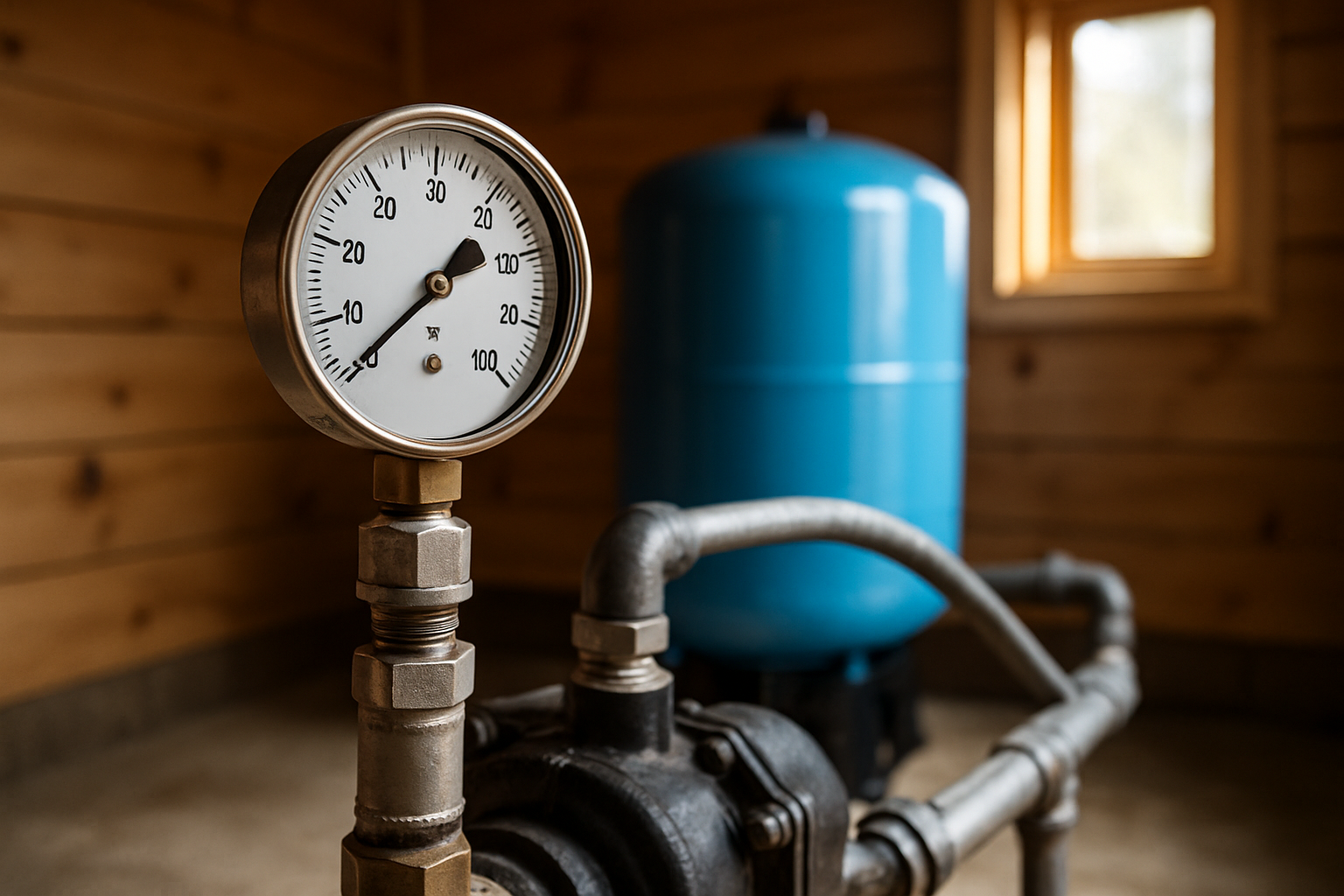
Low Water Pressure From Well
Diagnose and fix pressure problems before they get worse.
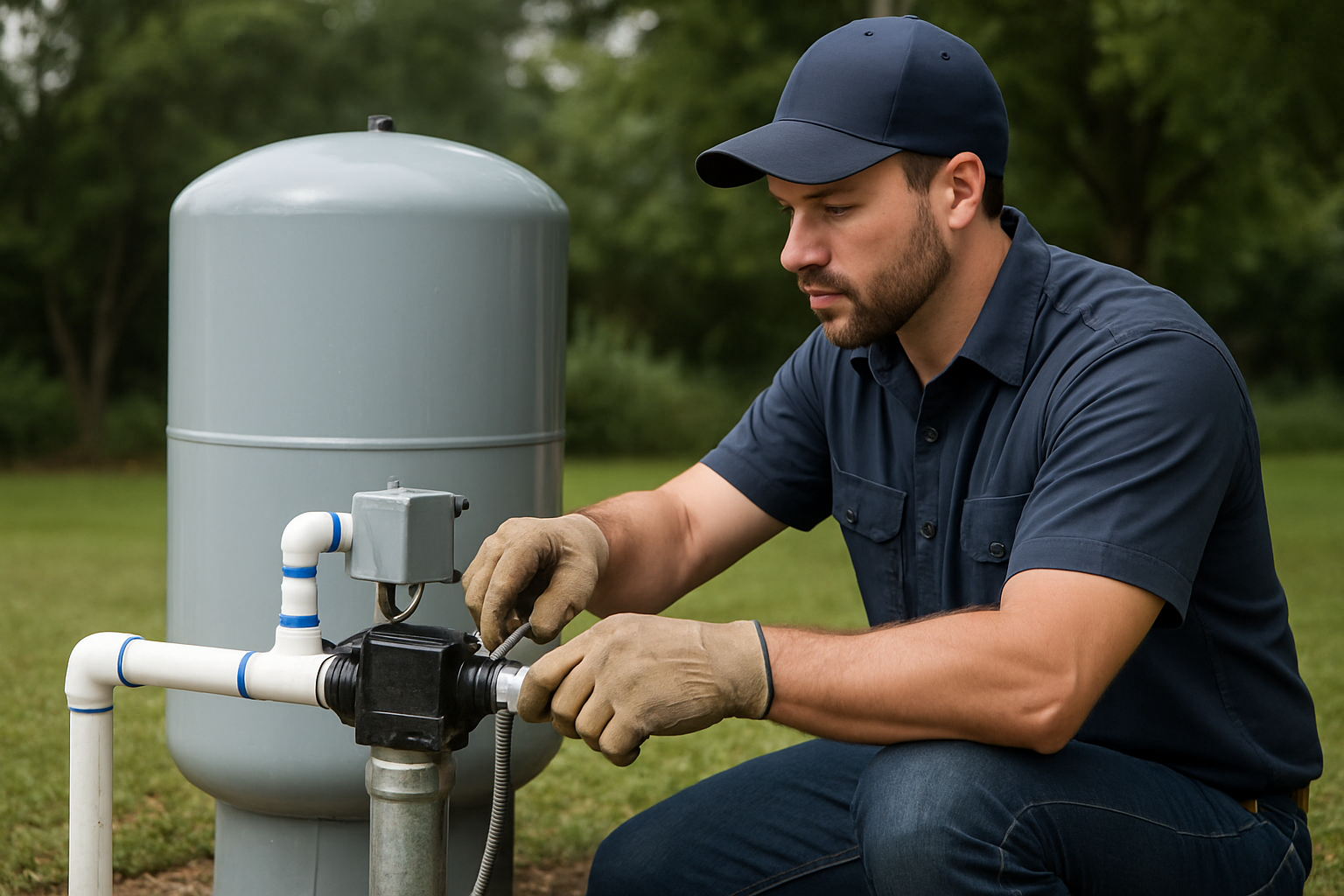
Well Maintenance Guide
Keep your well running smoothly with regular maintenance.
Our Locations
1077 Main St, Ramona, CA 92065
57174 CA-371 (US Hwy 79), Anza, CA 92539
Hydrofracturing for Low-Yield Wells in East Hemet
East Hemet sits on the floor of the San Jacinto Valley in Riverside County, where citrus groves, avocado orchards, horse properties, and older homesteads have relied on private wells for generations. The valley is blessed with thick alluvial deposits and a productive groundwater basin managed by the Hemet-San Jacinto Watermaster, but not every well shares equally in that bounty. Properties nearer the San Jacinto Mountain foothills, on the eastern and southern edges of the community, often draw from harder, fractured rock where yields can be stubbornly low. When an East Hemet well underperforms, hydrofracturing (also called hydrofracking) is frequently the most economical way to boost production without the cost and disruption of a new well. For the many East Hemet families who irrigate orchards, pasture, and large lots, a reliable well is not a convenience but a daily necessity.
How Hydrofracturing Works
Hydrofracturing is a proven well rehabilitation technique. Our crew lowers inflatable packers into your well casing to isolate a target zone, then injects clean water at high pressure, typically between 1,500 and 3,000-plus PSI. That pressure cleans out the silt, fine sand, and mineral scale that have accumulated in the formation and reopens or extends the natural fractures that carry groundwater to your well. The result is a more efficient, freer-flowing well, achieved using only clean water with no chemical additives. Most treatments are completed in a single four-to-eight-hour day.
Why East Hemet Wells Lose Yield
The San Jacinto Valley has two very different well environments, and understanding which one you are in explains a lot:
- Valley-floor alluvial wells (typically 150 to 350 feet deep) usually enjoy good yields, but over decades the perforations and the surrounding sand-and-gravel formation can become clogged with fines and hard-water scale, slowly choking production.
- Foothill and mountain-front wells (often 300 to 500 feet deep) draw from fractured granitic and metamorphic rock. These wells depend on a limited network of fractures, and if those fractures are tight or partially sealed, the well may have always been a weak producer.
- Heavy seasonal irrigation demand. East Hemet's agricultural and equestrian properties draw hard on their wells through the long, hot Inland Empire summers, exposing any well that recovers slowly.
- Aging infrastructure. Many local wells are decades old, and the formation around an older borehole simply works less efficiently than it once did.
Hydrofracturing is especially effective on the foothill fractured-rock wells and on alluvial wells suffering from clogging, because in both cases the problem is restricted flow into the casing rather than a lack of groundwater in the region.
What to Check Before You Call
- Time your recovery. After running water heavily, note how long the well needs to refill. A long recovery is a classic sign of a formation that hydrofracturing can improve.
- Inspect the pressure tank and switch. A waterlogged tank ($600-$1,500) or a worn pressure switch ($150-$350) can mimic a weak well. These are inexpensive fixes worth ruling out first.
- Watch your pump's behavior. Rapid on-off cycling or a pump that loses prime usually means the water level is dropping faster than the well recovers.
- Find your driller's log. The original report tells us your depth and whether you are in valley alluvium or foothill rock, which shapes the treatment plan.
- Note any sand or grit. Sediment in the water changes how we approach the job and whether screen repair is also needed.
When to Call a Professional
If your East Hemet well runs short during summer irrigation, recovers slowly, or has lost production over the years, schedule a professional evaluation. Hydrofracturing uses specialized high-pressure equipment and is not a DIY task. We start with a diagnostic visit ($125, credited toward any work performed), including a flow test and, where appropriate, a downhole camera inspection to confirm the well is a sound candidate. Foothill wells in solid fractured rock respond best; wells finished entirely in loose sand or gravel generally are not good candidates, and we will say so plainly.
Realistic Costs in East Hemet
Hydrofracturing an existing East Hemet well typically costs $3,000 to $8,000, depending on depth, the number of zones treated, and site access. A new turnkey well in the area generally runs $18,000 to $42,000. Because so many local wells respond well to rehabilitation, spending a fraction of the replacement cost to revive an existing well is usually the wise first step. If we find related issues, common companion repairs include pump replacement ($2,500-$5,500), a new pressure switch ($150-$350), and a pressure tank ($600-$1,500). You receive a clear written estimate after the diagnostic so you can weigh rehabilitation against replacement.
Hydrofracturing vs. a New Well
Drilling a new well in East Hemet means permitting, days of drilling, casing, and a new pump installation, all of which add up quickly. Hydrofracturing lets you get more from the borehole you already own. Many East Hemet wells that owners assumed were failing turn out to be plugged or under-developed rather than truly depleted, and a single treatment can add years of reliable service. We recommend a new well only when the evidence shows the existing one cannot be economically saved.
What to Expect During the Process
- Baseline flow test — we measure your current yield so improvement can be verified.
- Camera inspection — a downhole survey checks casing condition and locates the productive fracture zones.
- High-pressure injection — packers isolate each target zone and water is injected to clean and open the formation.
- Post-treatment flow test — we confirm the gain, usually within 24 to 48 hours.
- Written results — you receive documented before-and-after numbers.
Serving East Hemet and the San Jacinto Valley
Southern California Well Service is a licensed C-57 contractor founded in 2020, with 60+ years of family heritage. From our Anza office at 57174 CA-371 (US Hwy 79), Anza, CA 92539, we are well positioned to serve East Hemet, Valle Vista, Winchester, and the surrounding San Jacinto Valley. Whether your property is off Florida Avenue, near Stetson Avenue, or up against the foothills toward Diamond Valley Lake, our crews handle hydrofracturing, pump repair, and complete well diagnostics. Same-day emergency service is available when you have no water.
Local Scenarios We See Across the San Jacinto Valley
One of the most common East Hemet calls comes from owners of older citrus and avocado parcels whose irrigation wells gradually lost the volume they had decades ago. In most of those cases the alluvial formation has clogged with fines, and a cleaning-and-redevelopment hydrofracturing treatment restores much of the lost flow. We also hear from owners along the foothill edges of the valley, toward Valle Vista and the San Jacinto Mountains, whose fractured-rock wells were always weak; these benefit most from opening additional fractures. A third frequent scenario is the equestrian property that runs out of water on hot afternoons even though the well seems fine in the morning, a classic sign of a well that recovers too slowly to match peak demand. Each situation calls for a slightly different treatment plan, which is why our diagnostic matters.
Protecting Your East Hemet Well Over Time
Because the San Jacinto Valley basin is adjudicated and actively managed, getting full value from your existing well is both economical and responsible. After treatment, periodic flow testing helps you catch any renewed decline early. We also encourage East Hemet owners to address hard water and sediment with appropriate conditioning, since untreated scale will eventually re-clog even a freshly rehabilitated well. Keeping the pump correctly sized to the well's improved yield prevents the short-cycling that wears out equipment, and maintaining your pressure tank and switch keeps the whole system reliable. A well that is treated when needed and maintained between treatments can serve an agricultural or residential property for many additional years without the expense of redrilling.
Frequently Asked Questions
My East Hemet well is on the valley floor in sandy soil. Will hydrofracturing help?
If your well is clogged with fines or scale that restricts flow into the casing, hydrofracturing can clear those pathways and restore yield. If the well is finished entirely in loose, unconsolidated sand with no fractures to open, it may not be a good candidate. Our diagnostic determines which applies.
How much improvement is realistic?
For suitable wells in Riverside County's fractured and alluvial formations, yield commonly improves two to five times, with success in roughly 70 to 80 percent of good candidates. We document your flow before and after.
Will this affect my Watermaster-adjudicated rights?
No. Hydrofracturing simply helps your existing well operate more efficiently. It does not create a new water right or change your adjudicated allocation. We work within all applicable local and state requirements.
How long does the treatment take?
The injection itself usually takes four to eight hours, completed in a single visit. We run a post-treatment flow test, and most owners see improved, stabilized flow within 24 to 48 hours.
Is it safe for my water quality?
Yes. The process uses only clean water under pressure with no chemicals. We can also test and advise on water quality if you have noticed hardness or sediment, both common in the valley.
What happens if my well still does not produce enough afterward?
If a treated well underperforms, the diagnostic information we gathered guides the next step, whether that is deeper rehabilitation or a new well. The investigation is never wasted, and we present every option with honest pricing.
Get More Water From Your East Hemet Well
Before you assume you need an expensive new well, let us assess whether hydrofracturing can restore your flow. Call Southern California Well Service at (760) 440-8520 or text us at (760) 219-5877 to book a diagnostic. Same-day emergency service is available, and your diagnostic fee is credited toward any work we do.