
Hydrofracturing Well Services in East Village, CA
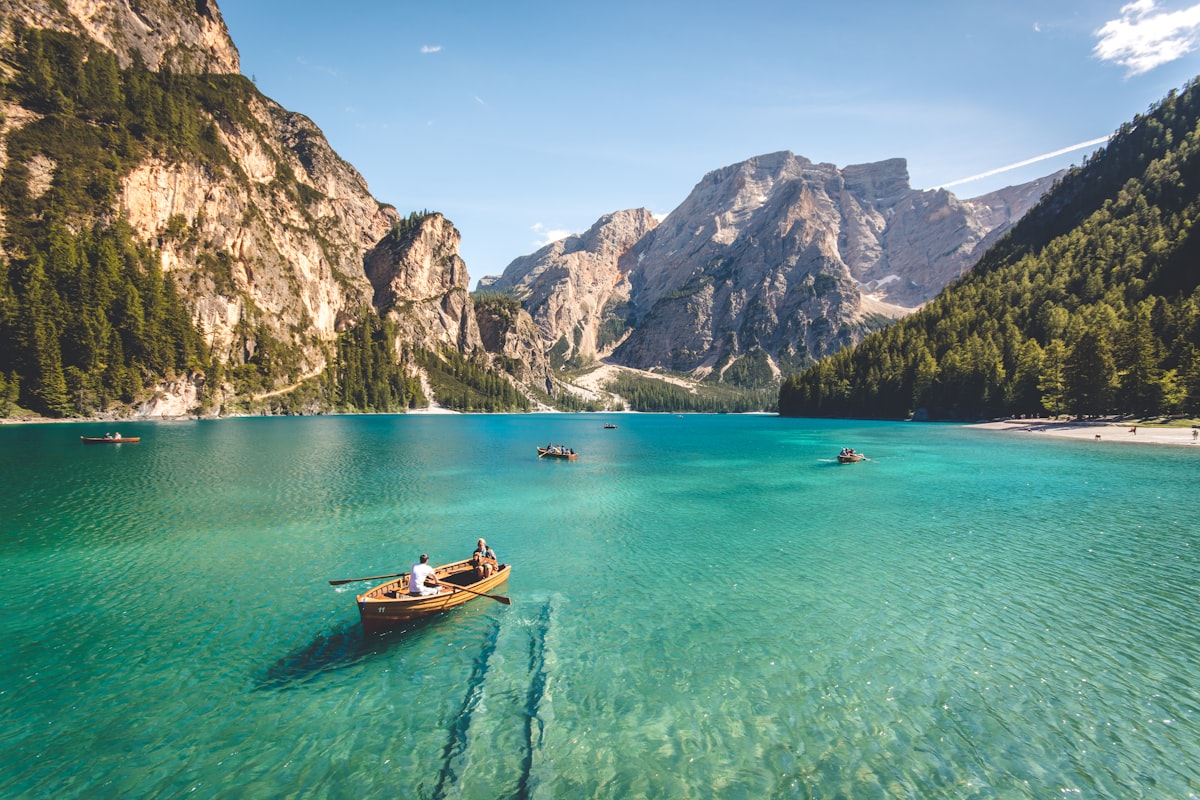
Is your well in East Village producing less water than it used to? Hydrofracturing (also called hydrofracking) could be the solution to restore and even improve your well's water production without the expense of drilling a new well.
📋 In This Guide
- What is Hydrofracturing?
- Signs Your East Village Well Needs Hydrofracturing
- The Hydrofracturing Process
- Cost vs. New Well Drilling in East Village
- Why Choose SCWS for Hydrofracturing?
- Related Articles
Southern California Well Service provides professional hydrofracturing services throughout San Diego County to help homeowners and property owners increase their well yield.
What is Hydrofracturing?
Hydrofracturing is a well rehabilitation technique that uses high-pressure water to clean and expand existing fractures in the bedrock surrounding your well. This process:
- Clears mineral deposits and sediment blocking water flow
- Opens new pathways for groundwater to reach your well
- Can increase well yield by 2-10 times in many cases
- Extends the life of your existing well
Unlike oil and gas fracking, well hydrofracturing uses only clean water—no chemicals are involved.
Signs Your East Village Well Needs Hydrofracturing
- Declining water production over time
- Well runs dry during peak usage
- Slow recovery rate after pumping
- Pump cycling on and off frequently
- Lower water pressure than previous years
The Hydrofracturing Process
- Initial Assessment: We evaluate your well's current yield and condition
- Equipment Setup: Specialized high-pressure equipment is positioned at your well
- Isolation: Packers seal off sections of the well for targeted treatment
- Pressurization: Water is pumped at 500-3,000 PSI to fracture bedrock
- Development: Well is cleaned and tested for improved yield
Cost vs. New Well Drilling in East Village
In East Village, drilling a new well can cost $15,000-$50,000+ depending on depth. Hydrofracturing typically costs a fraction of that—often $3,000-$8,000—making it an excellent first option before considering a new well.
Many East Village wells that appear to be "going dry" can be successfully rehabilitated through hydrofracturing, saving homeowners tens of thousands of dollars.
Why Choose SCWS for Hydrofracturing?
- Founded 2020 · 60+ Years Family Heritage: We've rehabilitated thousands of wells across Southern California
- Licensed C-57 Contractor. CSLB License #1086994. Fully licensed for well drilling and service in California
- Specialized Equipment: Professional-grade hydrofracturing equipment
- Free Estimates: We'll assess your well and provide honest recommendations
Need Help With Your Well in East Village?
Our expert technicians serve East Village and all of San Diego County with professional well services.
Related Articles
Continue learning about well maintenance and troubleshooting

Signs Your Well Pump Is Failing
Catch pump problems early before you lose water completely.
Low Water Pressure From Well
Diagnose and fix pressure problems before they get worse.

Well Maintenance Guide
Keep your well running smoothly with regular maintenance.
Our Locations
1077 Main St, Ramona, CA 92065
57174 CA-371 (US Hwy 79), Anza, CA 92539
Hydrofracturing Near East Village and Across San Diego County
East Village sits at the eastern edge of downtown San Diego, in the heart of San Diego County. While the urban core itself runs on municipal water, East Village is the gateway to the county's vast well country. Drive east along Interstate 8 and within an hour you reach the foothill and backcountry communities, from El Cajon and Lakeside out to Alpine, Ramona, and Julian, where tens of thousands of households depend on private wells drilled into hard rock. When one of those wells starts to fade, hydrofracturing is frequently the most cost-effective way to bring it back, and Southern California Well Service treats East Village as the urban anchor of a service area that stretches deep into San Diego County's granite hills.
With our nearby Ramona office at 1077 Main St and founded in 2020, with 60+ years of family heritage, we are well positioned to respond quickly to well owners throughout the San Diego region.
The San Diego County Geology Behind Low Yields
The backcountry surrounding San Diego is dominated by the Peninsular Ranges batholith, a body of decomposed granite and fractured crystalline rock. Wells here do not draw from a deep sandy aquifer; they pull water from the network of cracks and fissures running through the bedrock. That geology is precisely what makes hydrofracturing so effective in this part of the county. When those fractures silt up, mineralize, or simply never connected well during drilling, a well can be disappointingly weak even though plenty of groundwater sits in the surrounding rock. High-pressure water opens and links those pathways.
It is worth understanding why this matters locally. Unlike a coastal sand aquifer that recharges and yields uniformly, fractured-rock wells are essentially as productive as the cracks they intersect. Two wells drilled a hundred feet apart can have wildly different output simply because one happened to cross a major fracture and the other did not. Hydrofracturing helps level that luck of the draw by extending and connecting the fracture network around an under-producing borehole, often reaching water-bearing cracks the original drilling missed entirely.
How Hydrofracturing Works
The process is straightforward in concept and demanding in execution. A technician lowers an inflatable packer into the casing and seals off the section of the borehole we want to treat. Clean water, with no chemicals of any kind, is then injected at 1,500 to over 3,000 PSI. The pressure travels into the rock face, flushing out the fine sediment and scale clogging the fractures and widening the cracks so groundwater can move toward the well more freely. A typical treatment runs four to eight hours, and we treat one or more zones depending on what the well needs.
Common Reasons San Diego Wells Underperform
- Poorly connected fractures. A borehole may have clipped only a few productive cracks, leaving capacity in the rock untapped.
- Iron and mineral fouling. Over years, scale and bacterial slime coat the fracture faces and the screen, choking flow.
- Drought-driven decline. San Diego County's recurring dry cycles lower static water levels, so a marginal well slips below the level it needs to keep up.
- An aging well. Many backcountry wells were drilled decades ago and have never been rehabilitated.
Is Your Well a Good Candidate?
Hydrofracturing shines in exactly the hard, fractured rock that defines San Diego County's well country. It is the right tool when:
- Your well used to meet household and irrigation demand and no longer does.
- A newly drilled well came in low and you want to maximize it before going deeper.
- You face a quote for a new well and want a lower-cost first step.
- Your well recovers slowly after the pump runs.
It is not the answer for every situation. Wells in unconsolidated sand will not hold an open fracture, and a well with a collapsed or corroded casing needs structural repair first. Our assessment tells you honestly where your well stands.
Depth is another consideration in this region. Many San Diego County backcountry wells run anywhere from 200 to 600 feet or more to reach reliable fracture zones, and deeper wells can develop several distinct producing intervals. Hydrofracturing lets us target and treat those intervals individually, which often produces a better result than simply chasing more depth with a drill rig.
Seasonal timing matters too. Because San Diego County's water tables dip through late summer and fall, a well that limps through August may recover over winter, masking a yield problem that returns every dry season. If your well struggles year after year at the same time, that pattern is a strong signal hydrofracturing could provide lasting relief rather than a temporary patch.
What to Check Before Calling
A little observation goes a long way and occasionally points to a simpler, cheaper fix:
- Time your recovery. Note how long pressure takes to rebuild after heavy use. Slow recovery points to the formation, not the pump.
- Watch the pressure tank and switch. A waterlogged tank or a failing pressure switch can imitate low yield, and those are inexpensive fixes.
- Listen for rapid cycling. A pump kicking on and off every minute usually signals it is starving for water.
- Note any sand or air. Grit or sputtering at the tap is worth reporting, as it shapes our approach.
When to Bring in a Professional
Hydrofracturing involves pressures that can injure people and damage a well if handled improperly. This is not a rental-equipment weekend project. A licensed C-57 contractor runs a baseline flow test, performs a downhole camera inspection to confirm casing integrity, and verifies the well can safely accept the treatment before injecting a drop. If your well has lost significant production or you are out of water entirely, call right away; we offer same-day emergency service across San Diego County.
What It Costs
Hydrofracturing typically runs $3,000 to $8,000, depending on depth, the number of zones, and site access. A new turnkey well in this region runs $18,000 to $42,000, so rehabilitating your existing well is usually the smart first move. Our diagnostic visit is $125 and is credited toward any work you approve. If the real problem turns out to be equipment, a pump replacement runs $2,500 to $5,500, a pressure tank $600 to $1,500, and a pressure switch $150 to $350.
Serving East Village and the San Diego Backcountry
From East Village we extend across San Diego County to the well-served communities of El Cajon, Lakeside, Santee, Alpine, Ramona, Valley Center, Julian, and the rural reaches in between. We understand the decomposed-granite formations, the drought-sensitive water tables, and the access challenges of hillside parcels. Our CSLB #1086994 was earned one restored well at a time, and we bring that same care to every job.
East Village and San Diego County Hydrofracturing FAQ
Do many homes near East Village actually use wells?
East Village itself is on city water, but it is the urban hub of a county where rural and backcountry homes rely heavily on private wells. We serve well owners throughout San Diego County and treat East Village as our central reference point.
Is hydrofracturing safe for my drinking water?
Yes. The process uses only clean water under pressure, with no chemicals added. After treatment we develop and flush the well and run a flow test so the water is clear before we leave.
How much improvement is realistic?
In San Diego County's fractured granite, two to five times the pre-treatment flow is a common result, and some wells improve more. We baseline your yield before and after so the gain is documented.
Could my problem just be the pump?
Sometimes, yes. Short-cycling, a waterlogged tank, or a worn pressure switch can mimic low yield. Our diagnostic visit identifies whether the issue is the equipment or the formation before you commit to hydrofracturing.
How long until I can use the well again?
Treatment takes four to eight hours, and after a short development and settling window, usually 24 to 48 hours, we confirm the new flow rate and return the well to service.
Are you licensed and insured for this work?
Yes. We are a licensed C-57 California well contractor founded in 2020, with 60+ years of family heritage, fully insured, and we handle the required notifications and county requirements.
Bring Your San Diego County Well Back to Life
If your well is fading anywhere in the San Diego region, hydrofracturing may restore it for a fraction of the cost of drilling new. Call Southern California Well Service at (760) 440-8520 or text us at (760) 219-5877 for an honest assessment and a free estimate. Licensed C-57 (CSLB #1086994), founded 2020 serving San Diego County, same-day emergency service available.