
Hydrofracturing Well Services in El Mirage, CA
Is your well in El Mirage producing less water than it used to? Hydrofracturing (also called hydrofracking) could be the solution to restore and even improve your well's water production without the expense of drilling a new well.
📋 In This Guide
- What is Hydrofracturing?
- Signs Your El Mirage Well Needs Hydrofracturing
- The Hydrofracturing Process
- Cost vs. New Well Drilling in El Mirage
- Why Choose SCWS for Hydrofracturing?
- Related Articles
Southern California Well Service provides professional hydrofracturing services throughout San Bernardino County to help homeowners and property owners increase their well yield.
What is Hydrofracturing?
Hydrofracturing is a well rehabilitation technique that uses high-pressure water to clean and expand existing fractures in the bedrock surrounding your well. This process:
- Clears mineral deposits and sediment blocking water flow
- Opens new pathways for groundwater to reach your well
- Can increase well yield by 2-10 times in many cases
- Extends the life of your existing well
Unlike oil and gas fracking, well hydrofracturing uses only clean water—no chemicals are involved.
Signs Your El Mirage Well Needs Hydrofracturing
- Declining water production over time
- Well runs dry during peak usage
- Slow recovery rate after pumping
- Pump cycling on and off frequently
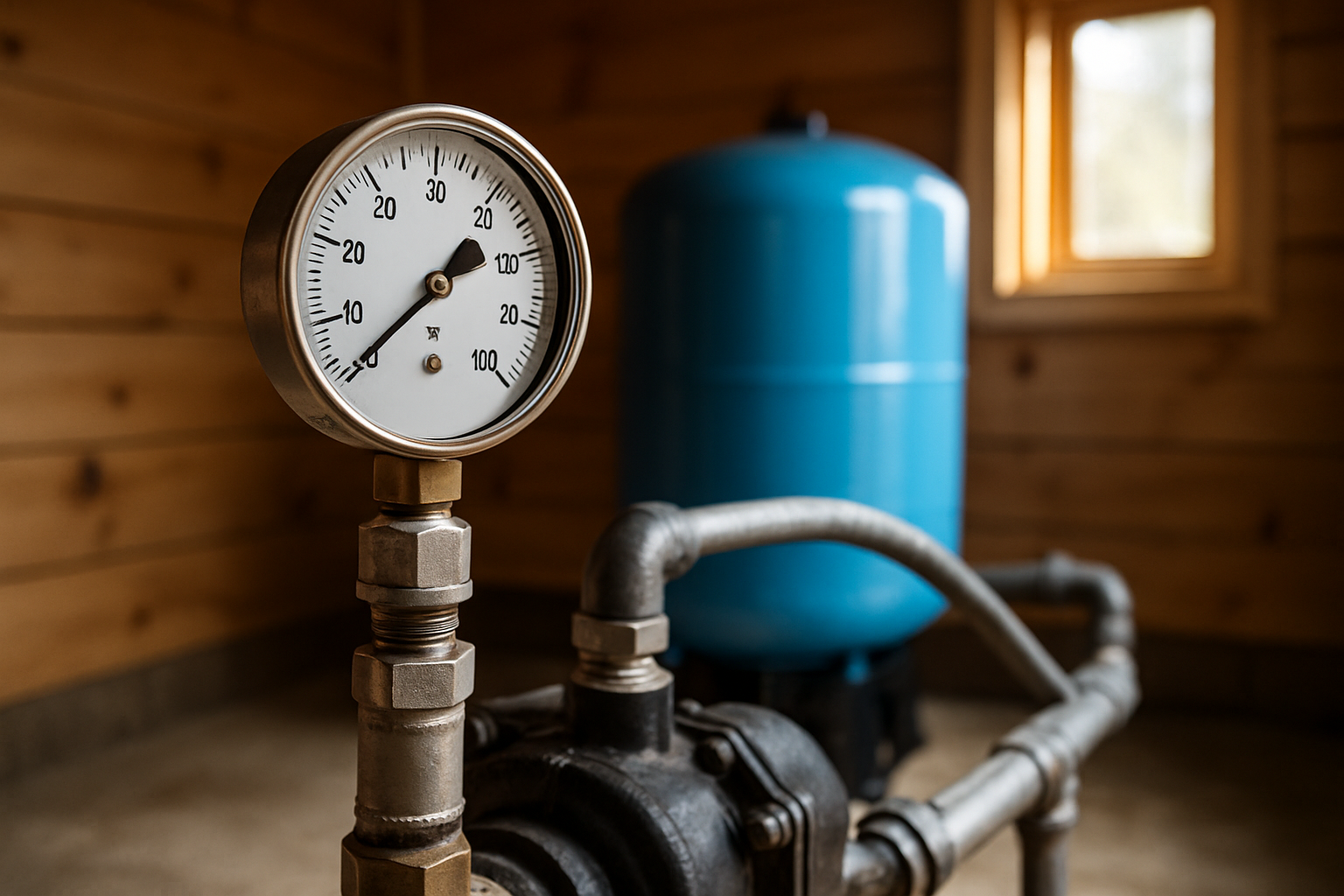
- Lower water pressure than previous years
The Hydrofracturing Process
- Initial Assessment: We evaluate your well's current yield and condition
- Equipment Setup: Specialized high-pressure equipment is positioned at your well
- Isolation: Packers seal off sections of the well for targeted treatment
- Pressurization: Water is pumped at 500-3,000 PSI to fracture bedrock
- Development: Well is cleaned and tested for improved yield
Cost vs. New Well Drilling in El Mirage
In El Mirage, drilling a new well can cost $15,000-$50,000+ depending on depth. Hydrofracturing typically costs a fraction of that—often $3,000-$8,000—making it an excellent first option before considering a new well.
Many El Mirage wells that appear to be "going dry" can be successfully rehabilitated through hydrofracturing, saving homeowners tens of thousands of dollars.
Why Choose SCWS for Hydrofracturing?
- Founded 2020 · 60+ Years Family Heritage: We've rehabilitated thousands of wells across Southern California
- Licensed C-57 Contractor. CSLB License #1086994. Fully licensed for well drilling and service in California
- Specialized Equipment: Professional-grade hydrofracturing equipment
- Free Estimates: We'll assess your well and provide honest recommendations
Need Help With Your Well in El Mirage?
Our expert technicians serve El Mirage and all of San Bernardino County with professional well services.
Related Articles
Continue learning about well maintenance and troubleshooting

Signs Your Well Pump Is Failing
Catch pump problems early before you lose water completely.
Low Water Pressure From Well
Diagnose and fix pressure problems before they get worse.
Well Maintenance Guide
Keep your well running smoothly with regular maintenance.
Our Locations
1077 Main St, Ramona, CA 92065
57174 CA-371 (US Hwy 79), Anza, CA 92539
Hydrofracturing for El Mirage Wells in the High Desert
El Mirage sits in the western Mojave Desert of San Bernardino County, a wide-open high-desert community spread across the alluvial flats around El Mirage Dry Lake, north of Adelanto and Victorville. Out here there is no city water main to fall back on. Homesteads, ranches, and off-grid properties from El Mirage toward Llano and the edge of the Antelope Valley draw every drop from private wells. When a well's output drops, the stakes are high, and hydrofracturing is often the most affordable path to restoring a dependable supply without the major expense of drilling a replacement well.
Southern California Well Service has founded in 2020, with 60+ years of family heritage rehabilitating wells across the deserts and mountains of Southern California, and we bring specialized high-pressure equipment and same-day emergency response to El Mirage and the surrounding High Desert.
What Makes El Mirage Wells Different
The hydrogeology around El Mirage is its own challenge. The basin is filled with deep alluvial deposits, gravels and sands derived from the granitic Shadow Mountains, and depth to water can range widely, with documented static levels anywhere from roughly 60 feet to nearly 200 feet across the valley. The deeper, semi-consolidated and harder formations, along with the fractured granitic basement near the basin margins, are where hydrofracturing can make a real difference. The dissolved-mineral content of High Desert groundwater is also high, which means scale build-up is a constant enemy of well productivity.
There is a practical upside to this geology. Because the productive water in the El Mirage area often lives in the harder formations and fractured granitic rock rather than in clean, uniform sand, a well that seems to be failing is frequently not out of water at all. It is simply cut off from the cracks that feed it. That is the classic scenario hydrofracturing is built to reverse, and it is why so many High Desert wells written off as dry have been brought back to useful production.
How the Hydrofracturing Process Works
We begin by isolating a section of the borehole with an inflatable packer, then inject clean water, never chemicals, at pressures from 1,500 to over 3,000 PSI. That pressure scours fine sediment and mineral scale from the fractures and perforations and pushes existing cracks open wider, creating fresh routes for groundwater to reach the well. Most treatments take four to eight hours on site. Because El Mirage wells are often deep, we may treat multiple intervals to address the full producing zone.
Why High Desert Wells Lose Production
- Mineral scale. The hard, high-TDS groundwater common around El Mirage Dry Lake leaves deposits that gradually narrow the openings water flows through.
- Fine-sediment plugging. Silt and clay migrate into the screen and the formation, throttling flow over the years.
- Declining water levels. Heavy reliance on groundwater with little natural recharge in this arid basin can lower static levels, leaving a well working in a thinner column of water.
- Old or under-developed wells. Many desert wells were never properly developed at completion and have lost capacity ever since.
Many longtime El Mirage residents are surprised to learn how much a well can change over its life. Pumping draws fines toward the borehole, scale accumulates slowly, and a basin's water level shifts with the years, so the well that performed well at completion may be quietly choked decades later. Periodic rehabilitation, with hydrofracturing as one of the most powerful tools, is simply part of responsible well ownership in the desert.
When Hydrofracturing Is the Right Call
Hydrofracturing works best where a well draws from fractured or semi-consolidated rock that can hold an open fracture. Consider it when:
- Your El Mirage well used to supply the house and livestock but now runs short.
- A new well came in weaker than hoped and you want to develop it fully.
- Your well runs low through the long, hot summer and recovers slowly overnight.
- You are facing the cost of a new well and want a lower-cost first option.
Honesty matters: a well screened entirely in loose, running desert sand is generally not a strong candidate, because a fracture will not stay open in unconsolidated material. We evaluate your specific well and tell you plainly whether the treatment is likely to pay off.
Water demand in El Mirage is also unusually peaky. A property running irrigation, a few head of livestock, and household use on a hot July afternoon can draw far more than the same well handles comfortably in winter. A well that is borderline will fail first under that summer load, which is exactly when help is hardest to reach and most urgently needed. Boosting yield ahead of the dry season is far less stressful than scrambling for an emergency fix in the heat.
What to Check Before You Call Us
- Measure recovery time. Time how long it takes for pressure to rebuild after a heavy draw. A slow rebound points to formation yield.
- Inspect the pressure tank and switch. A waterlogged tank or a failing switch ($150 to $350) can imitate a low-yield well at a fraction of the cost to fix.
- Listen to the pump. Rapid on-off cycling usually means the pump is outrunning the well.
- Check for sediment. Sand or cloudiness in the water is useful information for our technicians.
When to Call a Pro
The pressures used in hydrofracturing are dangerous and can damage casing if applied incorrectly, so this is firmly professional work. A licensed contractor runs a pre-treatment flow test, inspects the casing with a downhole camera, and confirms the well can take the pressure before injecting. Given El Mirage's remoteness, a well failure can leave a household without water fast, so call at the first sign of trouble. We provide same-day emergency service across the High Desert.
One more local note: because El Mirage parcels are spread out and access roads can be rough, our technicians plan equipment staging carefully. Clear access to the wellhead, a known well log if you have one, and a sense of your well's depth and age all help us work faster and keep costs down on the day of treatment.
Realistic Costs for El Mirage Well Owners
Hydrofracturing generally runs $3,000 to $8,000, depending on well depth, the number of zones treated, and access for our equipment. A new turnkey well costs $18,000 to $42,000, so treating your existing well first is almost always the economical choice. Our diagnostic visit is $125, credited toward approved work. Should the issue prove mechanical, a pump replacement runs $2,500 to $5,500, a pressure tank $600 to $1,500, and a pressure switch $150 to $350.
Serving El Mirage and the San Bernardino County High Desert
We serve El Mirage, Adelanto, Victorville, Phelan, Pinon Hills, Oak Hills, and the scattered homesteads across the western Mojave. We know the deep static levels, the mineral-heavy water, and the long drives that come with High Desert well work, and we arrive ready to complete the job efficiently. Our CSLB #1086994 reflects since 2020 of treating each desert well like the lifeline it is.
El Mirage Hydrofracturing FAQ
Will hydrofracturing add chemicals to my well?
No. Only clean water is used. After treatment we develop and flush the well and verify clean flow before we leave the property.
My El Mirage well is very deep. Can it still be treated?
Yes. Deep wells are common here, and we can isolate and treat individual producing intervals, which often yields a better result than treating the whole borehole at once.
How much more water might I get?
In suitable fractured or semi-consolidated formations, two to five times the pre-treatment flow is a realistic range, with some wells exceeding it. Your geology determines the outcome, which is why we measure before and after.
What if my well is in loose sand?
Wells in unconsolidated sand are poor candidates because fractures will not stay open. Our assessment screens for this so you do not pay for an unlikely fix.
Does the hard High Desert water affect results?
High mineral content causes the scale that clogs many wells, and clearing that scale is part of what hydrofracturing accomplishes. We can also advise on water treatment to slow future build-up.
How fast can you reach El Mirage?
We offer same-day emergency service and schedule assessments promptly. Calling early in the day helps us route a technician across the High Desert to you efficiently.
Restore Your El Mirage Well
Do not assume a fading El Mirage well means an expensive new borehole. Hydrofracturing has revived countless High Desert wells. Call Southern California Well Service at (760) 440-8520 or text us at (760) 219-5877 for a straight answer and a free estimate. Licensed C-57, founded in 2020, with 60+ years of family heritage, same-day emergency service when you need it.