
Hydrofracturing Well Services in Escondido, CA
Is your well in Escondido producing less water than it used to? Hydrofracturing (also called hydrofracking) could be the solution to restore and even improve your well's water production without the expense of drilling a new well.
📋 In This Guide
- What is Hydrofracturing?
- Signs Your Escondido Well Needs Hydrofracturing
- The Hydrofracturing Process
- Cost vs. New Well Drilling in Escondido
- Why Choose SCWS for Hydrofracturing?
- Related Articles
Southern California Well Service provides professional hydrofracturing services throughout San Diego County to help homeowners and property owners increase their well yield.
What is Hydrofracturing?
Hydrofracturing is a well rehabilitation technique that uses high-pressure water to clean and expand existing fractures in the bedrock surrounding your well. This process:
- Clears mineral deposits and sediment blocking water flow
- Opens new pathways for groundwater to reach your well
- Can increase well yield by 2-10 times in many cases
- Extends the life of your existing well
Unlike oil and gas fracking, well hydrofracturing uses only clean water—no chemicals are involved.
Signs Your Escondido Well Needs Hydrofracturing
- Declining water production over time
- Well runs dry during peak usage
- Slow recovery rate after pumping
- Pump cycling on and off frequently
- Lower water pressure than previous years
The Hydrofracturing Process
- Initial Assessment: We evaluate your well's current yield and condition
- Equipment Setup: Specialized high-pressure equipment is positioned at your well
- Isolation: Packers seal off sections of the well for targeted treatment
- Pressurization: Water is pumped at 500-3,000 PSI to fracture bedrock
- Development: Well is cleaned and tested for improved yield
Cost vs. New Well Drilling in Escondido
In Escondido, drilling a new well can cost $15,000-$50,000+ depending on depth. Hydrofracturing typically costs a fraction of that—often $3,000-$8,000—making it an excellent first option before considering a new well.
Many Escondido wells that appear to be "going dry" can be successfully rehabilitated through hydrofracturing, saving homeowners tens of thousands of dollars.
Why Choose SCWS for Hydrofracturing?
- Founded 2020 · 60+ Years Family Heritage: We've rehabilitated thousands of wells across Southern California
- Licensed C-57 Contractor. CSLB License #1086994. Fully licensed for well drilling and service in California
- Specialized Equipment: Professional-grade hydrofracturing equipment
- Free Estimates: We'll assess your well and provide honest recommendations
Need Help With Your Well in Escondido?
Our expert technicians serve Escondido and all of San Diego County with professional well services.
Related Articles
Continue learning about well maintenance and troubleshooting

Signs Your Well Pump Is Failing
Catch pump problems early before you lose water completely.
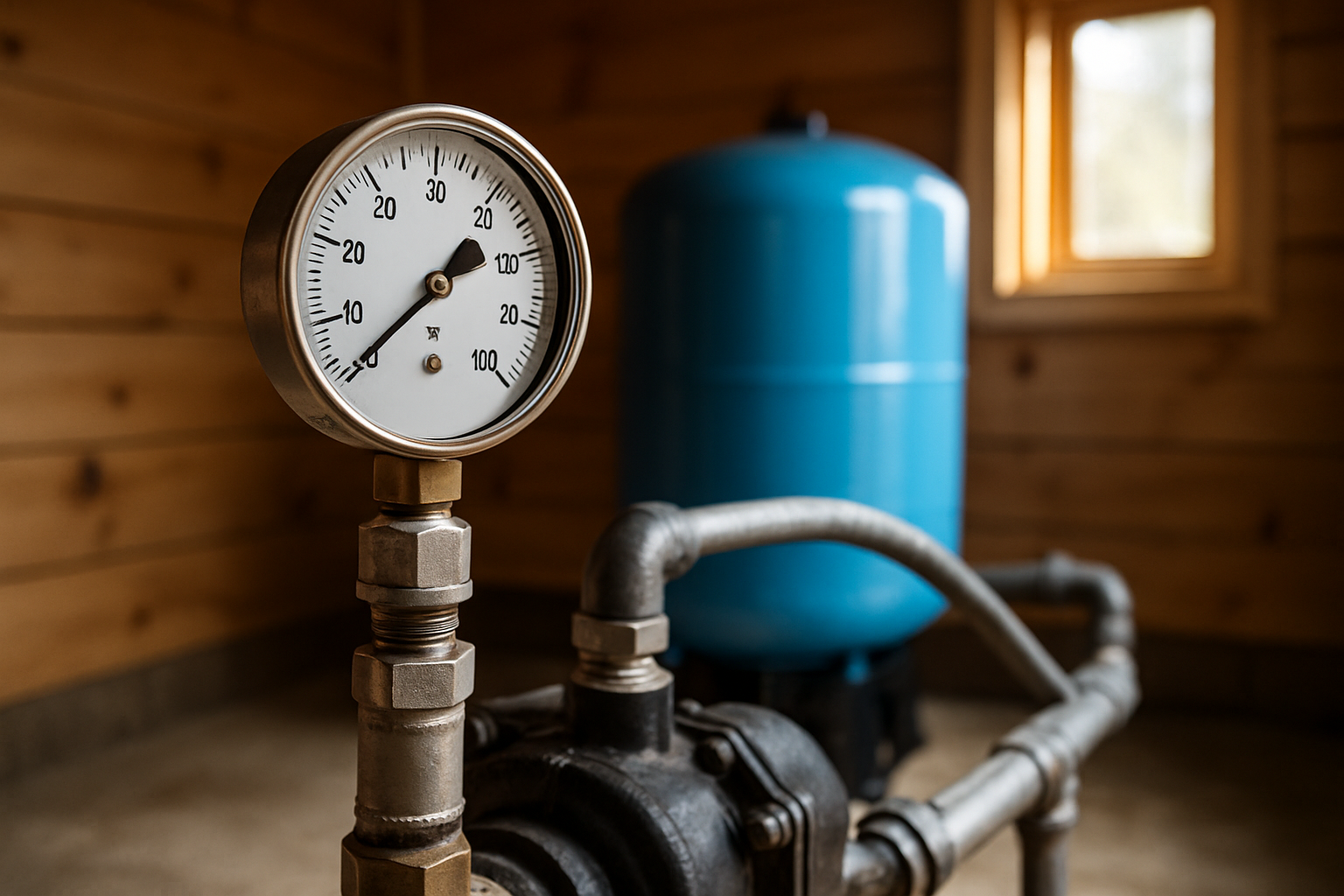
Low Water Pressure From Well
Diagnose and fix pressure problems before they get worse.
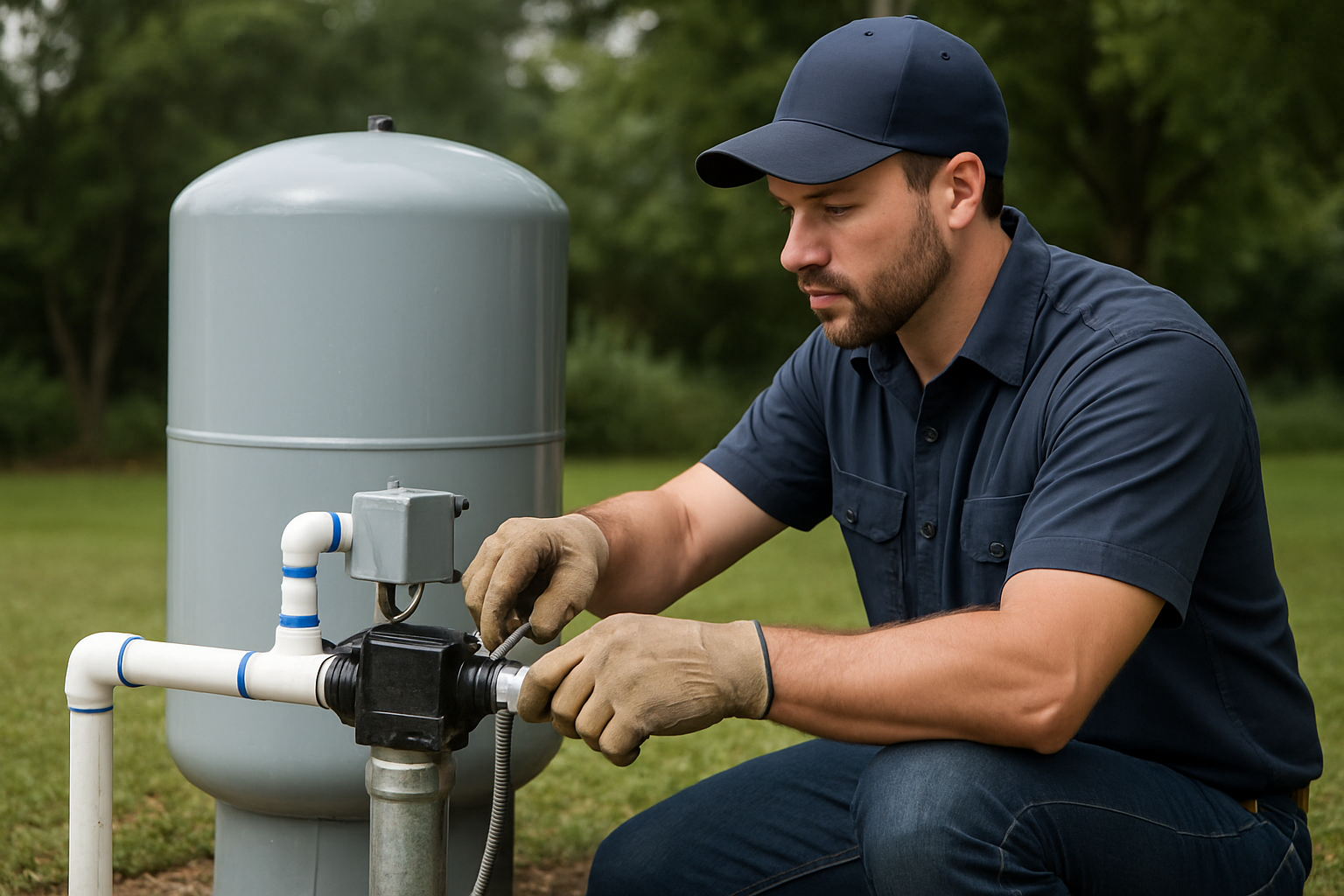
Well Maintenance Guide
Keep your well running smoothly with regular maintenance.
Our Locations
1077 Main St, Ramona, CA 92065
57174 CA-371 (US Hwy 79), Anza, CA 92539
Hydrofracturing Escondido Wells in the Granite Valley Country
Escondido sits in a broad inland valley ringed by granite hills, where the soft chaparral slopes give way to hard, fractured tonalite and decomposed granite just a few feet below the surface. If you own a parcel out toward east Escondido, up in Jesmond Dene, along the edge of San Pasqual Valley, or out on the rural fringe toward Hidden Meadows, your water almost certainly does not come from a deep sand aquifer. It comes from groundwater that has worked its way into cracks and seams in the bedrock. When those seams clog with fine sediment and mineral scale, or when the water table drops during a dry stretch, your well can slow to a frustrating trickle. Hydrofracturing (often spelled hydrofracking) is one of the most cost-effective ways to bring that flow back.
Southern California Well Service has worked since 2020 working the granitic terrain that defines north San Diego County. We know how Escondido wells behave because we have rehabilitated hundreds of them, from properties near Daley Ranch and Dixon Lake to homes scattered through the hills east of town.
What Hydrofracturing Actually Does
Hydrofracturing is a well-rehabilitation method, not a drilling method. Instead of boring a brand-new hole, we use your existing well casing and apply controlled high-pressure water to reopen and extend the natural fracture network in the surrounding rock. In Escondido's tonalite and decomposed granite, water travels through a web of hairline fractures. Over years of pumping, those fractures get partially plugged by silt, iron and manganese deposits, and rock flour. Hydrofracturing flushes them clean and pushes them open a little wider, reconnecting your borehole to water-bearing seams that had effectively been sealed off.
The work uses clean water only. There are no chemicals, no proppant sand, and nothing introduced that you would not want in your drinking water. This is a completely different process from the oil-and-gas fracking you may have read about, and the comparison is misleading. We are simply using pressurized water to clean and widen fractures that already exist in the granite under your property.
How the Process Works Step by Step
We begin by lowering inflatable packers into the well and inflating them to seal off a target zone. Once that section is isolated, we inject clean water at roughly 1,500 to 3,000-plus PSI. The pressure builds until it overcomes the friction holding the fractures partly closed, and the seams open and clear. We then move the packers and repeat the process at other promising depths identified during inspection. A typical Escondido job runs four to eight hours on site.
Is Your Escondido Well a Good Candidate?
This is the honest part. Hydrofracturing works extremely well in hard, fractured crystalline bedrock and decomposed granite precisely the formations under most of Escondido. It does not work in loose sand, alluvium, or gravel, because there are no rock fractures to open; in those formations the pressure simply dissipates. Most wells in the valley floor and the surrounding hills are drilled into granite, which is why this region responds so well. During our assessment we confirm your well is completed in rock before recommending the treatment.
- Declining yield a well that used to fill the tank quickly but now struggles
- A new well that disappointed drilled into granite but never produced the gallons-per-minute you hoped for
- Seasonal drop-off a well that goes weak every late summer when the surrounding hills dry out
- Sediment and slow recovery the pump draws the well down and then takes a long time to bounce back
Real Escondido Scenarios
Picture a home on a couple of acres east of town, above the reservoir. The original driller hit water in fractured tonalite at 280 feet, and for fifteen years the well kept up with the household and a small orchard. Lately the pressure tank short-cycles every afternoon and the irrigation timer trips the low-water cutoff. A camera survey shows the producing fractures coated in iron-manganese scale. After hydrofracturing two zones, recovery improves and the afternoon shortages stop. That is a textbook north-county granite job and it is the kind of work we do across Escondido every season.
What to Check and What to Expect
Before you call anyone, note when your problems appear. Is the well weakest in September, or all year? Does the pump run constantly, or short-cycle? Has water turned cloudy or rusty? These clues help us target the right zones. On our side, here is the sequence we follow:
- Baseline flow test we measure your current yield so improvement can be proven, not guessed
- Downhole camera inspection we confirm the well is in rock, check casing integrity, and locate fracture zones
- Hydrofracturing isolated, high-pressure injection at the target depths
- Post-treatment flow test we re-measure yield, usually within 24 to 48 hours
- Written before-and-after report documented numbers, not promises
In our experience across San Diego County's granite, hydrofracturing improves yield in roughly 70 to 80 percent of suitable wells, with typical gains of two to five times the starting flow. No reputable contractor can promise a result, and we will tell you up front if your well is a poor candidate.
When to Call a Professional
Hydrofracturing requires pressurized equipment, packers, and a licensed operator who understands well construction. It is not a do-it-yourself project, and improper pressure can damage casing or grout seals. If your Escondido well shows the warning signs above and a camera survey confirms it is completed in fractured rock, it is time to bring in a licensed C-57 contractor. The same goes for any well where you are weighing the cost of rehabilitation against drilling a replacement.
Cost: Hydrofracturing vs. a New Well
This is where the math usually favors hydrofracturing. In Escondido, drilling and completing a brand-new turnkey well typically runs $18,000 to $42,000 depending on depth, casing, and pump. Hydrofracturing an existing well generally costs $3,000 to $8,000. We charge a $125 diagnostic fee for the assessment and flow test, and that fee is credited toward the work if you proceed. For most homeowners, spending a few thousand dollars to revive a granite well is far smarter than abandoning a serviceable borehole and starting over.
Serving Escondido and North San Diego County
Southern California Well Service serves all of Escondido and the surrounding rural communities including San Pasqual Valley, Jesmond Dene, the Hidden Meadows fringe, Valley Center, Rancho Bernardo, and the hill parcels east of town all in San Diego County. Our Ramona office on Main Street is a short drive away, which means same-day emergency response when your well quits. We are licensed C-57 well contractors (CSLB #1086994) with CSLB #1086994 and 60+ years of family heritage.
Ready to Restore Your Well's Flow?
If your Escondido well is fading, do not assume it is finished. Call us at (760) 440-8520 or text (760) 219-5877 to schedule a diagnostic. We will assess your well honestly and tell you whether hydrofracturing makes sense for your property before you spend a dime on a replacement.
Protecting Your Investment in an Escondido Well
A private well is a major asset, and in Escondido's granite country it is often the only practical water source for a rural parcel. Replacing one is expensive and disruptive, so it makes sense to get the longest possible service life from the well you already have. Hydrofracturing is part of a broader rehabilitation toolkit. Sometimes a slow well is caused by a tired pump or a waterlogged pressure tank rather than the formation, and our diagnostic is designed to tell the difference before you spend money on the wrong fix.
When we evaluate an Escondido well, we look at the whole system. A failing pressure switch (typically $150 to $350 to replace) or a worn pressure tank ($600 to $1,500) can mimic the symptoms of a low-yield well. A submersible pump nearing the end of its life ($2,500 to $5,500) can also cause weak, inconsistent delivery. We rule these out so that if we do recommend hydrofracturing, you can be confident the problem is genuinely in the fractures, not in the equipment above them. This honest, full-system approach is part of why property owners across north county have trusted us for since 2020.
If your water quality has also changed sandy grit, rusty staining, or hard scale on fixtures we can address those alongside a yield problem. Sediment filtration runs roughly $300 to $900, and a water softener for the hard mineral water common in Escondido granite typically runs $1,500 to $3,500. Bringing the well back to strong production and clean delivery often takes a combination of measures, and we will lay out the options so you can decide what fits your budget and your property.
Escondido Hydrofracturing FAQ
Will hydrofracturing work on my well near San Pasqual Valley?
If your well is drilled into the fractured tonalite or decomposed granite that underlies most of the Escondido area, it is very likely a good candidate. We confirm with a downhole camera before recommending treatment. Wells finished in loose sand or alluvium are not suitable.
How much does hydrofracturing cost in Escondido?
Most jobs run $3,000 to $8,000, compared with $18,000 to $42,000 for a new turnkey well. The $125 diagnostic fee is credited toward the work if you move forward.
Are any chemicals injected into my Escondido well?
No. We use clean water only. There are no chemicals and no sand proppant, so your drinking water stays safe.
How long does the work take and will I lose water service?
The on-site work typically takes four to eight hours in a single day. We re-test your yield within 24 to 48 hours, so disruption is brief.
How much more water will my well produce afterward?
Across San Diego County granite, suitable wells improve in roughly 70 to 80 percent of cases, with typical gains of two to five times the starting flow. Results vary, so we measure before and after and give you a written comparison.
Is hydrofracturing the same as oil-and-gas fracking?
No. Water-well hydrofracturing uses only pressurized clean water to clean and reopen existing fractures. It does not use the chemicals or proppants associated with petroleum fracking.