
Hydrofracturing Well Services in Fletcher Hills, CA
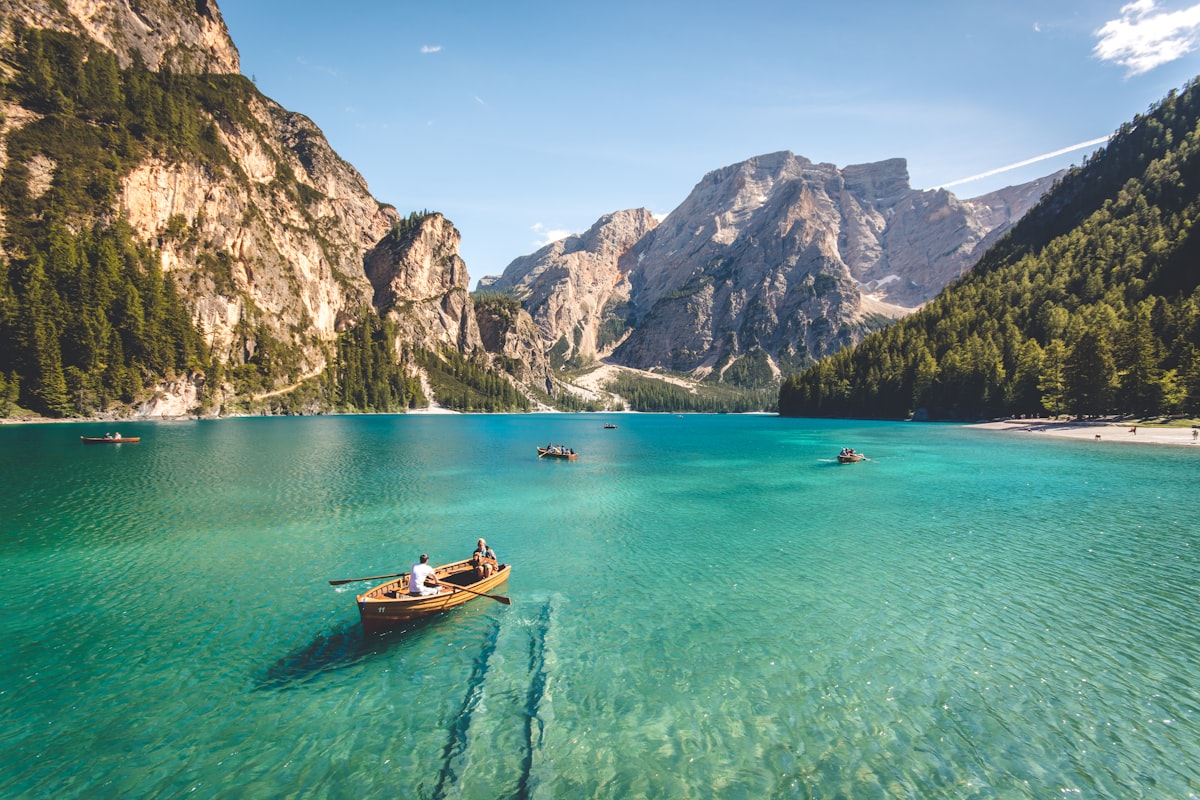
Is your well in Fletcher Hills producing less water than it used to? Hydrofracturing (also called hydrofracking) could be the solution to restore and even improve your well's water production without the expense of drilling a new well.
📋 In This Guide
- What is Hydrofracturing?
- Signs Your Fletcher Hills Well Needs Hydrofracturing
- The Hydrofracturing Process
- Cost vs. New Well Drilling in Fletcher Hills
- Why Choose SCWS for Hydrofracturing?
- Related Articles
Southern California Well Service provides professional hydrofracturing services throughout San Diego County to help homeowners and property owners increase their well yield.
What is Hydrofracturing?
Hydrofracturing is a well rehabilitation technique that uses high-pressure water to clean and expand existing fractures in the bedrock surrounding your well. This process:
- Clears mineral deposits and sediment blocking water flow
- Opens new pathways for groundwater to reach your well
- Can increase well yield by 2-10 times in many cases
- Extends the life of your existing well
Unlike oil and gas fracking, well hydrofracturing uses only clean water—no chemicals are involved.
Signs Your Fletcher Hills Well Needs Hydrofracturing
- Declining water production over time
- Well runs dry during peak usage
- Slow recovery rate after pumping
- Pump cycling on and off frequently
- Lower water pressure than previous years
The Hydrofracturing Process
- Initial Assessment: We evaluate your well's current yield and condition
- Equipment Setup: Specialized high-pressure equipment is positioned at your well
- Isolation: Packers seal off sections of the well for targeted treatment
- Pressurization: Water is pumped at 500-3,000 PSI to fracture bedrock
- Development: Well is cleaned and tested for improved yield
Cost vs. New Well Drilling in Fletcher Hills
In Fletcher Hills, drilling a new well can cost $15,000-$50,000+ depending on depth. Hydrofracturing typically costs a fraction of that—often $3,000-$8,000—making it an excellent first option before considering a new well.
Many Fletcher Hills wells that appear to be "going dry" can be successfully rehabilitated through hydrofracturing, saving homeowners tens of thousands of dollars.
Why Choose SCWS for Hydrofracturing?
- Founded 2020 · 60+ Years Family Heritage: We've rehabilitated thousands of wells across Southern California
- Licensed C-57 Contractor. CSLB License #1086994. Fully licensed for well drilling and service in California
- Specialized Equipment: Professional-grade hydrofracturing equipment
- Free Estimates: We'll assess your well and provide honest recommendations
Need Help With Your Well in Fletcher Hills?
Our expert technicians serve Fletcher Hills and all of San Diego County with professional well services.
Related Articles
Continue learning about well maintenance and troubleshooting

Signs Your Well Pump Is Failing
Catch pump problems early before you lose water completely.
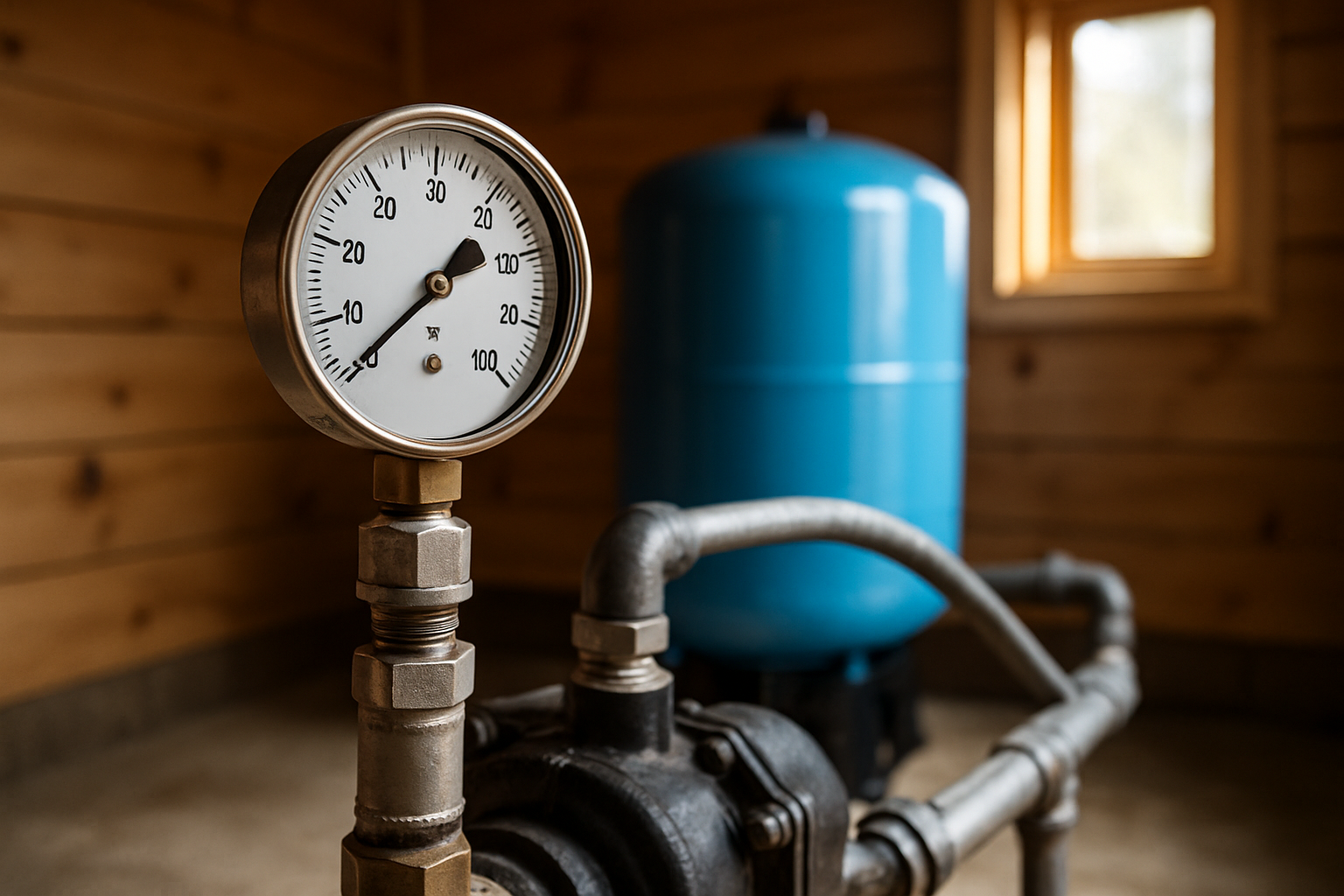
Low Water Pressure From Well
Diagnose and fix pressure problems before they get worse.
Well Maintenance Guide
Keep your well running smoothly with regular maintenance.
Our Locations
1077 Main St, Ramona, CA 92065
57174 CA-371 (US Hwy 79), Anza, CA 92539
Hydrofracturing for Wells Around Fletcher Hills
Fletcher Hills is a well-established hillside neighborhood on the western edge of El Cajon, in the foothills of inland San Diego County. The terrain that gives the area its name, rolling granite hills rising above the El Cajon Valley, is the same terrain that shapes how wells behave here. While much of Fletcher Hills proper is on municipal water, the surrounding foothill and rural-residential areas of El Cajon, La Mesa, Spring Valley, and toward Crest and Dehesa include many properties on private wells drilled into hard rock. When those wells weaken, hydrofracturing is frequently the most economical way to restore yield, and Southern California Well Service has worked since 2020 doing exactly that across inland San Diego County.
Why Fractured-Rock Wells Fade
The foothills around Fletcher Hills sit within the Peninsular Ranges, where wells draw from fractures and joints running through decomposed granite and crystalline bedrock rather than from a deep sandy aquifer. A well in this setting is only as strong as the cracks it intersects, and those cracks do not stay clear forever. Fine sediment migrates in, mineral scale and iron fouling coat the fracture faces, and during San Diego County's recurring droughts the static water level drops, pushing a marginal well below the threshold it needs. The result is a well that produces a fraction of what it once did, even though water still saturates the surrounding rock.
It helps to picture what is actually happening underground. When a driller bores into Fletcher Hills bedrock, the well only produces where it crosses open, water-bearing fractures. If the borehole happens to clip just a couple of minor cracks, the well can be weak from day one, while a neighbor's well a short distance away hits a major fracture and flows generously. Hydrofracturing narrows that gap by extending and connecting the fracture network around your borehole, frequently reaching productive zones the original drilling never touched.
How Hydrofracturing Restores Yield
Hydrofracturing tackles that problem directly. We seal off a target section of the borehole with an inflatable packer and inject clean water, no chemicals, at 1,500 to over 3,000 PSI. The pressure flushes sediment and scale out of the fractures and widens existing cracks, opening new pathways for groundwater to reach the well. A single treatment usually takes four to eight hours. In deeper foothill wells with more than one producing zone, we can isolate and treat each interval for the best overall result.
Signs Your Well May Need Treatment
- Steadily declining production compared with past years.
- Slow recovery after the pump runs, especially during summer.
- The pump short-cycling on and off as it outruns the well.
- Seasonal shortfalls that return every dry season.
- A disappointing new well that came in below expectations.
Fletcher Hills wells also tend to be older. This is a mature, long-settled neighborhood, and many of the private wells in the surrounding rural pockets were drilled decades ago and have never been rehabilitated. Over that span, slow scale build-up and sediment infiltration steadily reduce output. A well that comfortably met a family's needs in its first years can quietly lose half its capacity or more, and the owner often attributes the decline to the drought or an aging pump rather than to a treatable formation problem.
Good Candidates and Honest Limits
The hard, fractured granite that underlies the Fletcher Hills area is close to ideal for hydrofracturing, which is why success rates in this kind of geology are high. It is the right call when your well used to keep up and no longer does, when a new well underperformed, or when you want a lower-cost alternative before committing to a new borehole. That said, we will be candid with you. Wells in unconsolidated sand will not hold a fracture, and a well with a corroded or collapsed casing needs structural repair before any treatment makes sense. Our assessment determines which situation you are in.
Another point specific to this area is water hardness. Inland San Diego County groundwater carries significant dissolved minerals, and that hardness accelerates the scaling that chokes fractures and perforations. Clearing accumulated scale is part of what a hydrofracturing treatment accomplishes, and we are glad to discuss water-treatment options that slow how quickly it returns, protecting both your well's yield and your plumbing and appliances.
What You Can Check First
Before you call, a few quick observations help, and occasionally reveal a cheaper fix:
- Time the recovery. A slow rebuild of pressure after heavy use points to the formation rather than the equipment.
- Check the pressure tank and switch. A waterlogged tank or a worn pressure switch ($150 to $350) can imitate low yield inexpensively.
- Notice cycling. A pump turning on and off every minute is often starving for water.
- Watch for sand or air at the tap, which helps shape our approach.
Timing your decision well can save money and stress. Because foothill water tables dip through the late-summer and autumn dry stretch, the smartest moment to address a marginal well is before peak demand, not in the middle of an August shortage. Scheduling an assessment in spring or early summer gives you time to plan, gives us flexibility in routing a crew, and gets your well to full strength before the heaviest draw of the year arrives.
When to Call a Professional
The pressures involved in hydrofracturing can injure people and damage a well in untrained hands, so this is professional-only work. A licensed C-57 contractor runs a baseline flow test, inspects the casing with a downhole camera, and confirms the well can safely take the treatment before any water is injected. If your well has lost meaningful production or stopped delivering altogether, call promptly; we offer same-day emergency service throughout San Diego County.
What It Costs Around Fletcher Hills
Hydrofracturing typically runs $3,000 to $8,000, depending on depth, the number of zones, and access to the wellhead, which on hillside parcels can affect staging. A new turnkey well runs $18,000 to $42,000, so rehabilitating the well you have is usually the smart first step. Our diagnostic visit is $125 and is credited toward approved work. If the trouble turns out to be mechanical, a pump replacement runs $2,500 to $5,500, a pressure tank $600 to $1,500, and a pressure switch $150 to $350.
Serving Fletcher Hills and Inland San Diego County
From our nearby Ramona office, we serve Fletcher Hills, El Cajon, La Mesa, Spring Valley, Crest, Dehesa, Lakeside, and the surrounding inland communities. We know the decomposed-granite foothills, the drought-sensitive water tables, and the access realities of hillside lots. Our CSLB #1086994 comes from treating each well, and each homeowner, with straightforward, experienced care.
Fletcher Hills Hydrofracturing FAQ
Is hydrofracturing safe for household water?
Yes. It uses only clean water under pressure, with no chemicals. We develop and flush the well after treatment and run a flow test so the water is clear before we leave.
How effective is it in the Fletcher Hills foothills?
Very. The fractured granite under this area responds well, and two to five times the pre-treatment flow is a common improvement. We document yield before and after so you can see the gain.
Could the problem be my pump instead of the well?
It can be. A waterlogged tank, a failing pressure switch, or a worn pump can mimic low yield. Our diagnostic visit pinpoints the cause before you commit to anything.
Does the hillside location complicate the work?
It can affect how we stage equipment, but our crews routinely work hillside parcels in this part of the county. We assess access during the estimate so there are no surprises.
How soon can I use the well after treatment?
Treatment runs four to eight hours, and after a short development and settling period, usually 24 to 48 hours, we verify the new flow rate and return the well to service.
Are you properly licensed?
Yes. We are a licensed C-57 California well contractor founded in 2020, with 60+ years of family heritage, fully insured, and we handle the required notifications.
Restore Your Fletcher Hills Well
If your well in or around Fletcher Hills is producing less than it should, hydrofracturing may bring it back for a fraction of the cost of drilling new. Call Southern California Well Service at (760) 440-8520 or text us at (760) 219-5877 for an honest assessment and a free estimate. Licensed C-57 (CSLB #1086994), founded 2020 across San Diego County, same-day emergency service available.