
Hydrofracturing Well Services in Garnet, CA
Is your well in Garnet producing less water than it used to? Hydrofracturing (also called hydrofracking) could be the solution to restore and even improve your well's water production without the expense of drilling a new well.
📋 In This Guide
- What is Hydrofracturing?
- Signs Your Garnet Well Needs Hydrofracturing
- The Hydrofracturing Process
- Cost vs. New Well Drilling in Garnet
- Why Choose SCWS for Hydrofracturing?
- Related Articles
Southern California Well Service provides professional hydrofracturing services throughout Riverside County to help homeowners and property owners increase their well yield.
What is Hydrofracturing?
Hydrofracturing is a well rehabilitation technique that uses high-pressure water to clean and expand existing fractures in the bedrock surrounding your well. This process:
- Clears mineral deposits and sediment blocking water flow
- Opens new pathways for groundwater to reach your well
- Can increase well yield by 2-10 times in many cases
- Extends the life of your existing well
Unlike oil and gas fracking, well hydrofracturing uses only clean water—no chemicals are involved.
Signs Your Garnet Well Needs Hydrofracturing
- Declining water production over time
- Well runs dry during peak usage
- Slow recovery rate after pumping
- Pump cycling on and off frequently
- Lower water pressure than previous years
The Hydrofracturing Process
- Initial Assessment: We evaluate your well's current yield and condition
- Equipment Setup: Specialized high-pressure equipment is positioned at your well
- Isolation: Packers seal off sections of the well for targeted treatment
- Pressurization: Water is pumped at 500-3,000 PSI to fracture bedrock
- Development: Well is cleaned and tested for improved yield
Cost vs. New Well Drilling in Garnet
In Garnet, drilling a new well can cost $15,000-$50,000+ depending on depth. Hydrofracturing typically costs a fraction of that—often $3,000-$8,000—making it an excellent first option before considering a new well.
Many Garnet wells that appear to be "going dry" can be successfully rehabilitated through hydrofracturing, saving homeowners tens of thousands of dollars.
Why Choose SCWS for Hydrofracturing?
- Founded 2020 · 60+ Years Family Heritage: We've rehabilitated thousands of wells across Southern California
- Licensed C-57 Contractor. CSLB License #1086994. Fully licensed for well drilling and service in California
- Specialized Equipment: Professional-grade hydrofracturing equipment
- Free Estimates: We'll assess your well and provide honest recommendations
Need Help With Your Well in Garnet?
Our expert technicians serve Garnet and all of Riverside County with professional well services.
Related Articles
Continue learning about well maintenance and troubleshooting

Signs Your Well Pump Is Failing
Catch pump problems early before you lose water completely.
Low Water Pressure From Well
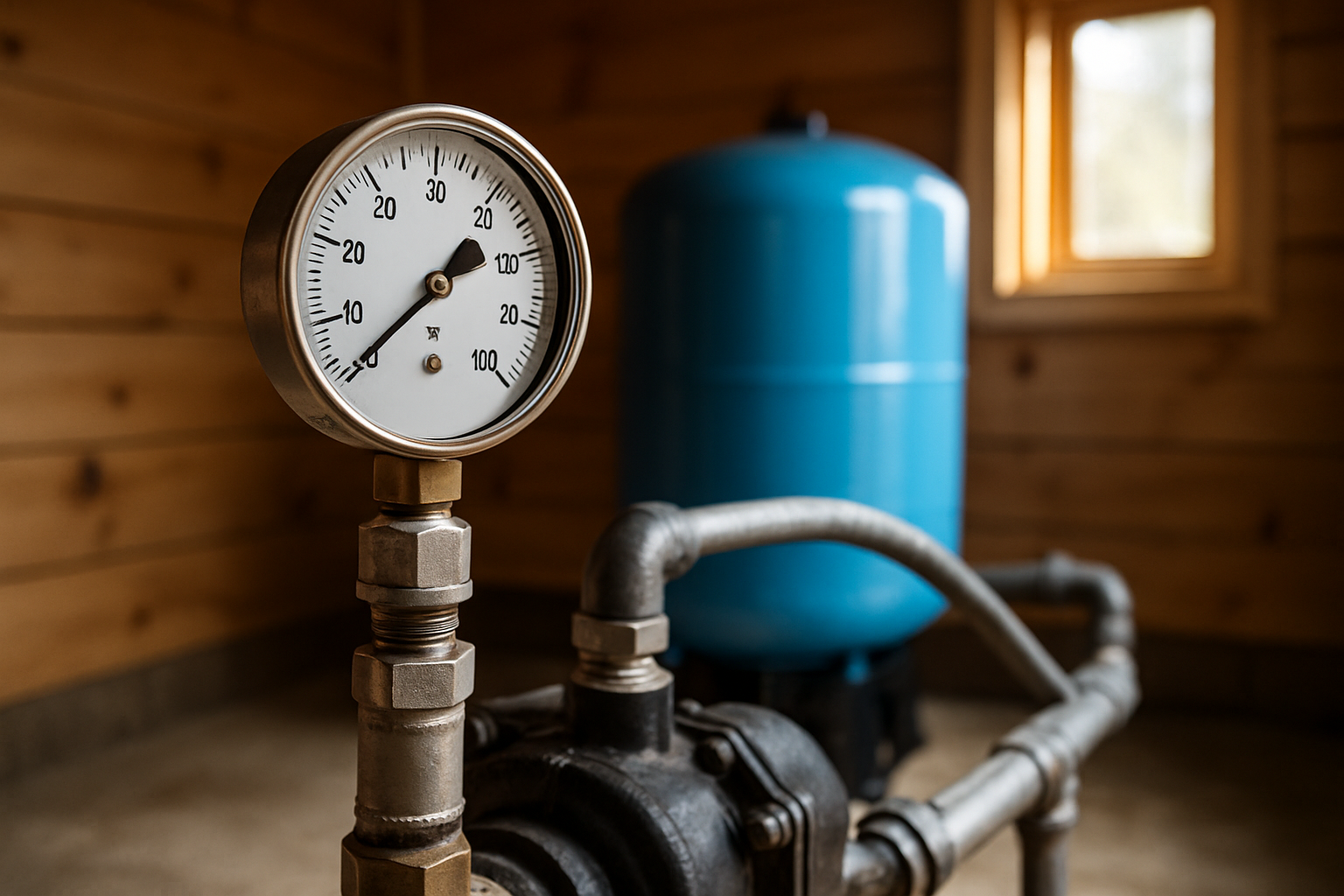
Diagnose and fix pressure problems before they get worse.
Well Maintenance Guide
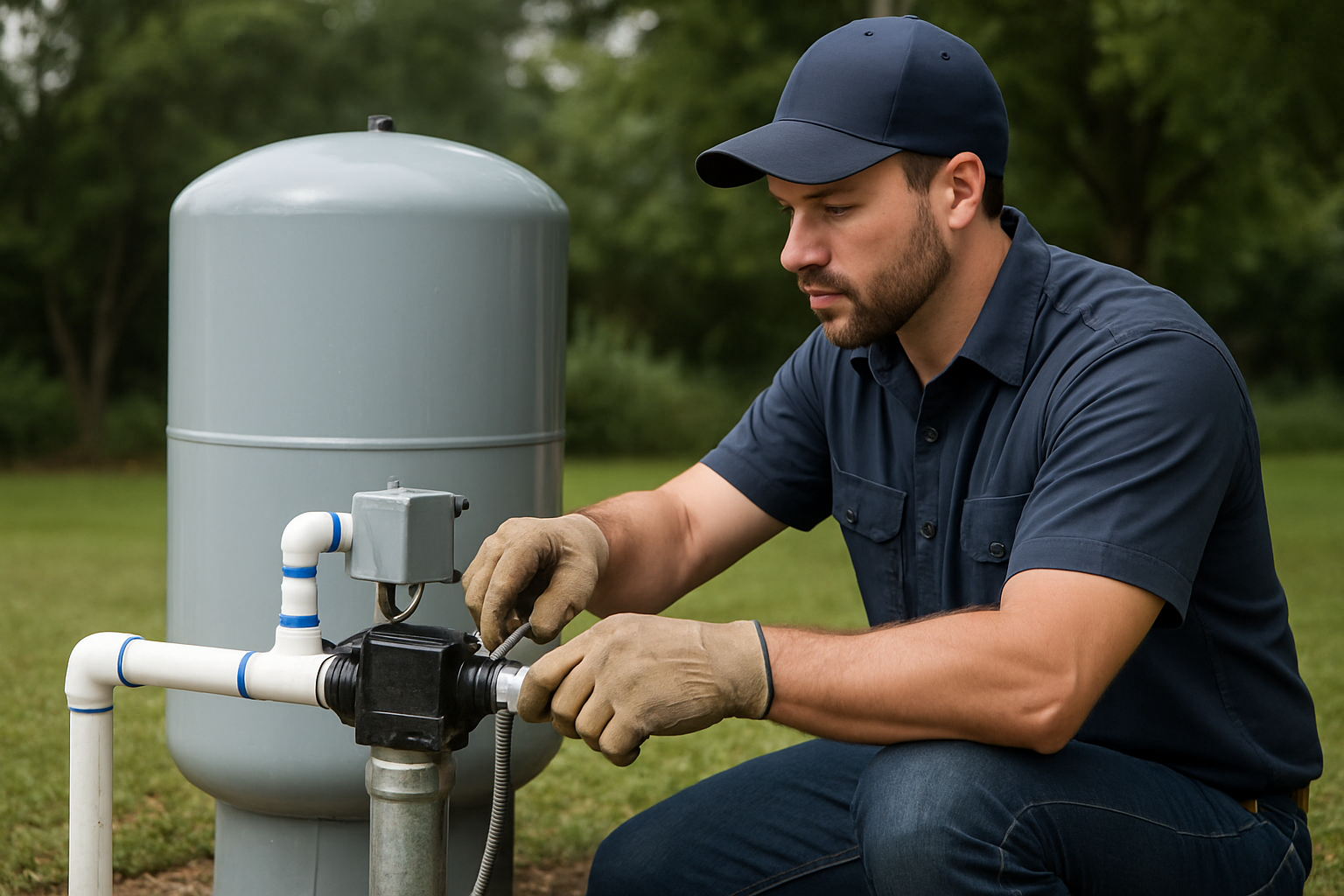
Keep your well running smoothly with regular maintenance.
Our Locations
1077 Main St, Ramona, CA 92065
57174 CA-371 (US Hwy 79), Anza, CA 92539
Hydrofracturing for Low-Yield Wells in Garnet
Garnet is an unincorporated community in Riverside County near North Palm Springs, spread across the windswept floor of the San Gorgonio Pass where Interstate 10 meets the famous San Gorgonio Pass wind farm. This is rugged, geologically active country: the Garnet Hill fault, the southernmost segment of the San Andreas Fault Zone in the area, runs along the base of Whitewater Hill, and the terrain is a mix of deep alluvial fans washing out of the surrounding mountains and harder, fractured bedrock along the canyon margins. Many properties out here rely on private wells, and in this desert-pass environment a low-yield well is a serious problem. Hydrofracturing (also called hydrofracking) is frequently the most economical way to increase a Garnet well's output without the cost of drilling a new one.
How Hydrofracturing Works
Hydrofracturing rehabilitates an existing well using clean water under high pressure. We lower inflatable packers into the casing to isolate a target zone, then inject water at roughly 1,500 to 3,000-plus PSI. That pressure flushes silt, fine sand, and mineral scale out of the formation and reopens or extends the natural fractures that carry groundwater to your well. In Garnet's mix of alluvial fan and fractured rock, this cleaning and re-development can significantly improve a struggling well. The process uses no chemicals and is usually completed in four to eight hours.
Why Garnet Wells Lose Yield
The San Gorgonio Pass environment creates several distinct challenges:
- Fractured-rock wells along the canyon margins. Properties near Whitewater Canyon and the fault-zone bedrock depend on a limited fracture network. Tight or partially sealed fractures mean low yield from the start.
- Sediment clogging in alluvial-fan wells. The coarse-to-fine fan deposits washing out of the mountains carry abundant sediment that packs into the formation and well perforations over time.
- Desert recharge limits. This is a dry pass with strong winds and limited rainfall, so a well that captures water inefficiently feels every bit of that scarcity.
- Aging and hard-water-scaled wells. Mineral-rich groundwater leaves scale that compounds clogging, especially in older boreholes.
Because these are flow-restriction problems rather than a total absence of groundwater, hydrofracturing is well suited to many Garnet wells, particularly those in fractured rock.
What to Check Before You Call
- Time your recovery. Note how long the well takes to refill after heavy use; a slow recovery suggests restricted inflow that treatment can improve.
- Rule out the simple parts. A waterlogged pressure tank ($600-$1,500) or a worn pressure switch ($150-$350) can mimic a weak well and is inexpensive to replace.
- Observe the pump. Short-cycling or loss of prime usually means the water level is dropping faster than the well recovers.
- Locate your driller's log. It tells us your depth and whether you are in alluvial fan or fractured rock, guiding the treatment.
- Note sediment and scaling. Sand, grit, or heavy mineral deposits shape the plan and any follow-up conditioning.
When to Call a Professional
If your Garnet well runs short under normal demand, recovers slowly, or has lost output over the years, schedule a professional evaluation. Hydrofracturing uses specialized high-pressure equipment and an understanding of desert-pass geology, so it is not a do-it-yourself job. We start with a diagnostic visit ($125, credited toward any work performed), including a flow test and, when warranted, a downhole camera inspection to confirm the well is a sound candidate. Wells in solid fractured rock respond best; wells finished entirely in loose sand or gravel are usually not candidates, and we will say so honestly.
Realistic Costs in Garnet
Hydrofracturing an existing Garnet well typically runs $3,000 to $8,000, depending on depth, the number of zones treated, and access across the property. A new turnkey well in this terrain generally runs $18,000 to $42,000. Given the cost of drilling in the pass, rehabilitation is almost always the wise first option. Companion repairs we often handle include pump replacement ($2,500-$5,500), a new pressure switch ($150-$350), and a pressure tank ($600-$1,500). After the diagnostic you receive a clear written estimate.
Hydrofracturing vs. a New Well
Drilling a replacement well in the San Gorgonio Pass is expensive and offers no guarantee that a new bore will find a better fracture network than your existing one. Hydrofracturing improves the well you already own, often lifting a marginal producer to a dependable supply. Many Garnet owners who feared their well was failing discover it was simply clogged or under-developed, and one treatment buys years of reliable water.
An Honest Assessment Every Time
Out in the pass, where every gallon counts, it is worth confirming the true cause of a water problem before spending on well work. Sometimes a low-flow complaint traces to a struggling pump, a failing pressure switch, or a waterlogged tank rather than the well, and those repairs are inexpensive by comparison. If a well cannot be improved or its casing is compromised, we will say so honestly and explain the alternatives. Because the $125 diagnostic fee is credited toward any work we perform, the assessment effectively pays for itself when hydrofracturing is the answer, and you always receive a written estimate of every option we find.
Serving Garnet and the San Gorgonio Pass
Southern California Well Service is a licensed C-57 contractor founded in 2020, with 60+ years of family heritage. We serve Garnet, North Palm Springs, Whitewater, and the wider San Gorgonio Pass area of Riverside County. Whether your property sits near Indian Avenue, along the I-10 corridor, or out toward Whitewater Canyon, our crews handle hydrofracturing, pump repair, and complete well diagnostics. Same-day emergency service is available when you have no water.
Local Scenarios We See in the San Gorgonio Pass
Out in Garnet, a common hydrofracturing candidate is a property near Whitewater Canyon whose well draws from fault-zone fractured rock and has always produced modestly; opening additional fractures can substantially raise its yield. We also work with wells set in the alluvial fans spilling out of the surrounding mountains, where coarse-to-fine sediment gradually packs the formation and chokes flow, a problem that responds well to cleaning and re-development. A third scenario, common in this dry, wind-scoured pass, is the well that simply cannot capture enough water to keep up with a property's needs during the hottest, driest stretches; improving the well's inflow efficiency makes the most of the limited recharge available. Because the pass combines two very different well environments, our diagnostic is key to matching the treatment to the well.
Protecting Your Garnet Well in a Desert Environment
In the arid San Gorgonio Pass, where recharge is limited and demand can be high, getting full value from your existing well is essential. After a hydrofracturing treatment, periodic flow testing helps you catch any renewed decline before it becomes an emergency. Addressing the area's hard, mineral-rich groundwater with appropriate conditioning slows the return of scale that would re-seal fractures and clog fixtures. Pairing the well with adequate storage lets you bank water during the well's strongest recovery periods for use during peak demand, reducing stress on the formation. Sizing the pump to the well's improved yield prevents short-cycling, and maintaining the pressure tank and switch keeps delivery steady. With sound maintenance, a treated Garnet well can remain a dependable desert water source for years.
Frequently Asked Questions
Will the area's faults and seismic activity affect my well or the treatment?
Hydrofracturing is a controlled, low-volume process confined to your well and the immediate formation around it. It is unrelated to seismic activity and does not affect faults. We treat each zone within safe pressure limits after inspecting the casing.
Is my Garnet well a good candidate?
Wells drawing from fractured rock along the canyon margins are excellent candidates, and clogged alluvial-fan wells often respond well too. Wells finished entirely in loose sand are generally not suitable. Our diagnostic determines which applies before any work begins.
How much can my yield improve?
For suitable wells in Riverside County's fractured and alluvial formations, yield commonly improves two to five times, with success in roughly 70 to 80 percent of good candidates. We document your flow before and after.
Does the process use chemicals?
No. It uses only clean water under high pressure, with no additives, which matters in a desert environment.
How long does the treatment take?
The injection usually takes four to eight hours in a single visit. We run a post-treatment flow test, and most owners see improved, stabilized flow within 24 to 48 hours.
What if hydrofracturing does not produce enough improvement?
If a treated well underperforms, the diagnostic data guides the next step, whether deeper rehabilitation or a new well. The investigation is never wasted, and we present every option with honest pricing.
Increase Your Garnet Well's Output
If your Garnet well is producing less than your property needs, let us assess whether hydrofracturing can restore it. Call Southern California Well Service at (760) 440-8520 or text us at (760) 219-5877 to schedule a diagnostic. Same-day emergency service is available, and your diagnostic fee is credited toward any work performed.