
Hydrofracturing Well Services in Glen Avon, CA
Is your well in Glen Avon producing less water than it used to? Hydrofracturing (also called hydrofracking) could be the solution to restore and even improve your well's water production without the expense of drilling a new well.
📋 In This Guide
- What is Hydrofracturing?
- Signs Your Glen Avon Well Needs Hydrofracturing
- The Hydrofracturing Process
- Cost vs. New Well Drilling in Glen Avon
- Why Choose SCWS for Hydrofracturing?
- Related Articles
Southern California Well Service provides professional hydrofracturing services throughout Riverside County to help homeowners and property owners increase their well yield.
What is Hydrofracturing?
Hydrofracturing is a well rehabilitation technique that uses high-pressure water to clean and expand existing fractures in the bedrock surrounding your well. This process:
- Clears mineral deposits and sediment blocking water flow
- Opens new pathways for groundwater to reach your well
- Can increase well yield by 2-10 times in many cases
- Extends the life of your existing well
Unlike oil and gas fracking, well hydrofracturing uses only clean water—no chemicals are involved.
Signs Your Glen Avon Well Needs Hydrofracturing
- Declining water production over time
- Well runs dry during peak usage
- Slow recovery rate after pumping
- Pump cycling on and off frequently
- Lower water pressure than previous years
The Hydrofracturing Process
- Initial Assessment: We evaluate your well's current yield and condition
- Equipment Setup: Specialized high-pressure equipment is positioned at your well
- Isolation: Packers seal off sections of the well for targeted treatment
- Pressurization: Water is pumped at 500-3,000 PSI to fracture bedrock
- Development: Well is cleaned and tested for improved yield
Cost vs. New Well Drilling in Glen Avon
In Glen Avon, drilling a new well can cost $15,000-$50,000+ depending on depth. Hydrofracturing typically costs a fraction of that—often $3,000-$8,000—making it an excellent first option before considering a new well.
Many Glen Avon wells that appear to be "going dry" can be successfully rehabilitated through hydrofracturing, saving homeowners tens of thousands of dollars.
Why Choose SCWS for Hydrofracturing?
- Founded 2020 · 60+ Years Family Heritage: We've rehabilitated thousands of wells across Southern California
- Licensed C-57 Contractor. CSLB License #1086994. Fully licensed for well drilling and service in California
- Specialized Equipment: Professional-grade hydrofracturing equipment
- Free Estimates: We'll assess your well and provide honest recommendations
Need Help With Your Well in Glen Avon?
Our expert technicians serve Glen Avon and all of Riverside County with professional well services.
Related Articles
Continue learning about well maintenance and troubleshooting

Signs Your Well Pump Is Failing
Catch pump problems early before you lose water completely.
Low Water Pressure From Well
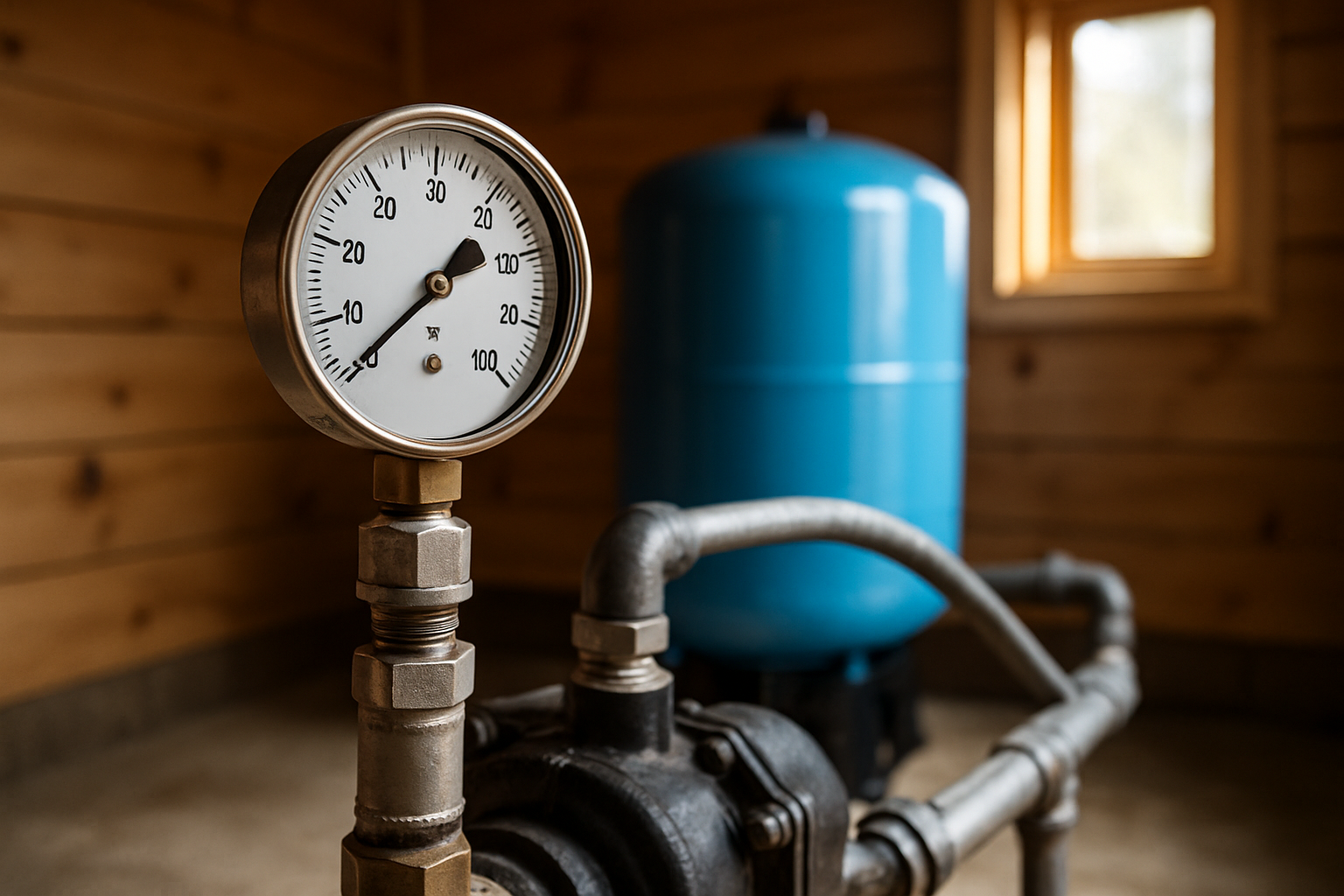
Diagnose and fix pressure problems before they get worse.
Well Maintenance Guide
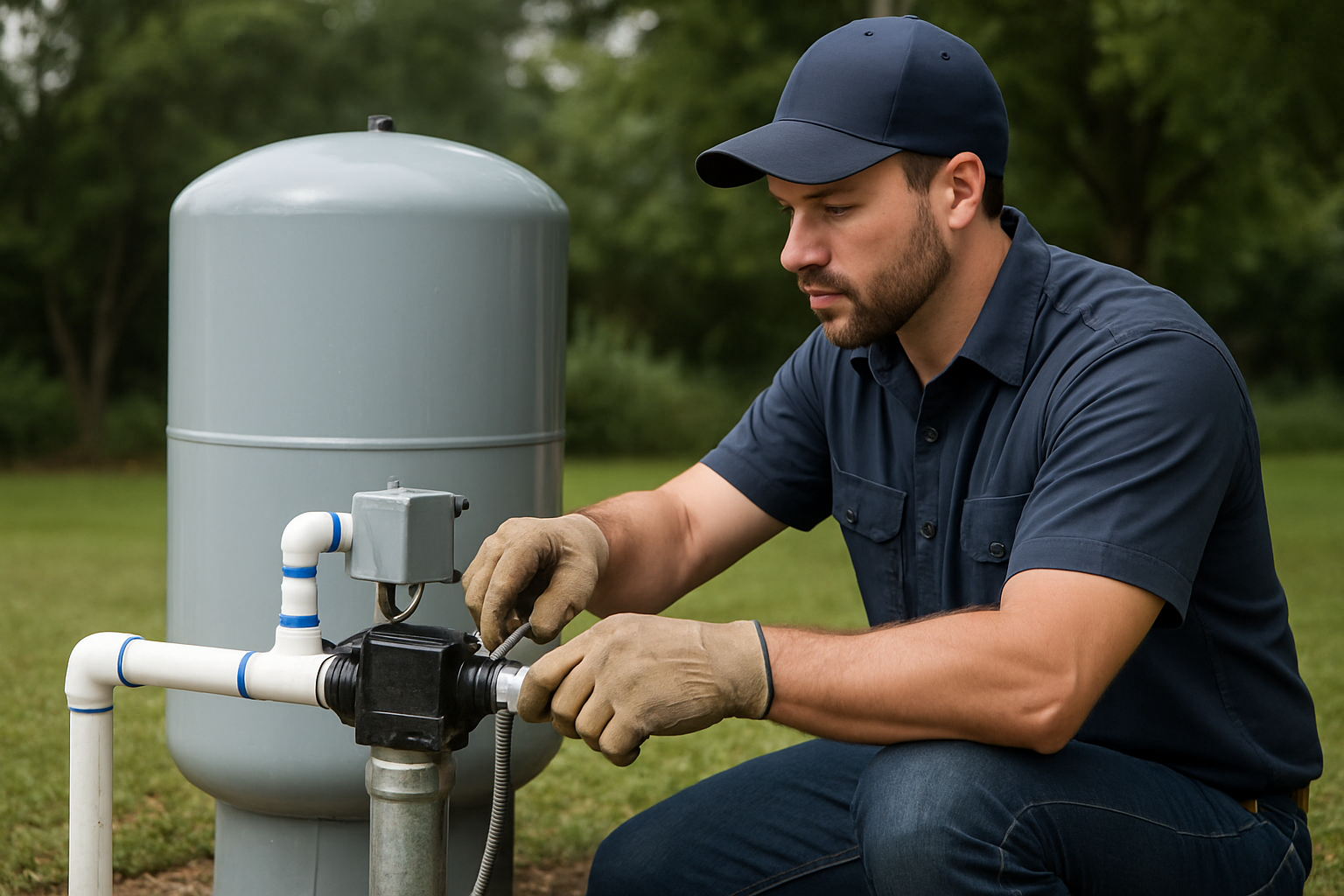
Keep your well running smoothly with regular maintenance.
Our Locations
1077 Main St, Ramona, CA 92065
57174 CA-371 (US Hwy 79), Anza, CA 92539
Hydrofracturing for Low-Yield Wells in Glen Avon
Glen Avon is a community within Jurupa Valley in Riverside County, tucked against the base of the Jurupa Mountains roughly 50 miles east of Los Angeles. The ground here tells a clear story for well owners: surface alluvium of silts, sands, and clayey sands gives way to weathered and decomposed granite, and then to deeper, unweathered fractured granitic bedrock that extends well past 150 feet in the old buried channels beneath the valley. Mesozoic metamorphic rock of the Jurupa series is also present in the area. Groundwater here moves through three zones — the alluvium, the weathered bedrock, and the fractures of the hard bedrock — and it's that fractured-rock flow that hydrofracturing is built to improve.
When a Glen Avon well slows to a disappointing trickle, drilling a new well should be the last option you consider, not the first. Hydrofracturing reopens and connects the natural fractures feeding a bedrock well and can multiply its output for a fraction of the cost. Southern California Well Service has worked Riverside County's decomposed-granite country since 2020. Here's how it works and when to call.
How Hydrofracturing Works
Hydrofracturing uses clean water under high pressure and nothing else — no chemicals. We seal a target zone in the open bedrock borehole with an inflatable packer and inject water at roughly 1,000 to 3,000 PSI. That pressure flushes the clay, silt, and mineral scale plugging the rock's fractures and widens and links those cracks so groundwater flows more freely into your well.
This is especially relevant in Glen Avon's geology. Decomposed granite and the clayey transition above the hard bedrock are prone to migrating fines that seal fractures over time. A well that produced fine when new can choke down as those fractures plug. Re-pressurizing the zone clears them and often recovers much of the lost yield. The on-site work usually takes four to eight hours.
Why Glen Avon Wells Lose Yield
- Fines migration: Clayey sands and decomposed granite shed fine particles that seal fractures in the bedrock below.
- Marginal fracture connection: A borehole into the hard granite may catch only a sparse fracture network.
- Sediment buildup: Sand and silt accumulate at the bottom of the well, reducing effective depth and inflow.
- Basin drawdown: In dry years the Jurupa Valley water table falls and marginal wells run short under summer demand.
Signs Your Glen Avon Well Needs Hydrofracturing
- Production has fallen noticeably over recent years.
- The pump short-cycles or runs for unusually long stretches.
- You get air, sputtering, or sediment at the taps during heavy use.
- Recovery after pumping has slowed from minutes to hours.
- You've been quoted a new well and want a cheaper option first.
Hydrofracturing is for wells finished in hard, fractured rock. A shallow well drawing only from loose alluvium near the surface usually needs redevelopment or pump work instead. The diagnostic tells us which kind of well you have before any pressure equipment comes out.
What to Check Before You Call
- Find your well log — total depth, casing depth, and static water level. Riverside County and the state DWR keep records if you can't locate the driller's report.
- Rule out the cheap fixes — a failed pressure switch ($150–$350) or a waterlogged tank ($600–$1,500) can imitate a dying well.
- Time the recovery — run the well hard, shut it down, and note how long pressure takes to return.
- Track the history — gradual decline implicates the formation; a sudden drop usually means equipment.
When to Call a Professional
Hydrofracturing requires pressure rigs, packers, and the experience to read a well's response — it isn't a DIY job. Call us when yield has clearly declined, when a new well has been recommended, or when you want a straight answer about your options. Our $125 diagnostic is credited toward any work we perform.
Realistic Costs in Glen Avon
- Hydrofracturing: $3,000–$8,000 by depth and number of zones treated.
- New turnkey well: $18,000–$42,000.
- Pump replacement: $2,500–$5,500.
- Pressure switch: $150–$350. Tank: $600–$1,500.
- Diagnostic: $125, credited toward the job.
In the decomposed-granite and fractured bedrock of Riverside County, hydrofracturing improves yield in roughly 70–80% of treated wells, with two-to-five-times gains being typical.
Serving Glen Avon and Jurupa Valley
From our Anza office at 57174 CA-371 (US Hwy 79), we serve Glen Avon and the surrounding Riverside County communities — Jurupa Valley, Mira Loma, Rubidoux, Pedley, and the foothills along the Jurupa Mountains. We're a C-57 licensed contractor with same-day emergency response. If your Glen Avon well is fading, we'll assess it and tell you honestly whether hydrofracturing can bring it back.
Decomposed Granite and the Case for Rehabilitation
Glen Avon's signature geology — decomposed granite grading down into hard fractured bedrock — is some of the most common well-bearing ground in inland Southern California, and we've spent decades learning how it behaves. The weathered upper zone is loose and gritty; the deeper rock is where the durable, fracture-fed water lives. A well that draws from that deeper fractured zone is an excellent rehabilitation candidate, because hydrofracturing targets precisely the fractures that decomposed-granite settings tend to clog with migrating fines.
For Jurupa Valley owners, the math is compelling. A new well in this country can run $18,000 to $42,000 turnkey, and it will be drilled into the same kind of rock as the existing one — with the same uncertainty about which fracture set it catches. Hydrofracturing at $3,000 to $8,000 improves the well you already have. We routinely see Glen Avon-area wells regain multiples of their reduced output after treatment, which buys years of reliable service for a fraction of replacement cost.
Many wells out here are older domestic and small-agricultural wells on larger parcels. Those are exactly the wells that benefit most, because they've had the longest time to accumulate the fracture plugging that fracturing reverses.
Frequently Asked Questions
Does hydrofracturing affect groundwater quality near the Stringfellow cleanup area?
Hydrofracturing is highly localized to your own borehole and uses only clean water. It does not mobilize regional contamination. If you have any water-quality concern, we recommend testing after treatment, which we can help arrange.
Will it work in decomposed granite?
Yes, where the well reaches the fractured hard rock below the weathered zone. We confirm the well is finished in suitable rock with a camera survey before treating.
Are any chemicals used?
None. Only clean water under pressure. We disinfect the well afterward.
How fast will I see results?
We baseline your flow first and re-test within 24–48 hours, giving you a documented before-and-after.
How long do the results last?
Often many years, depending on the rock and pumping demand. Some wells stay improved for a decade or more.
What if my well doesn't respond?
We identify poor candidates before treating. If a treated well underperforms, we'll explain the next options, including whether a new well is justified.
Get Your Glen Avon Well Evaluated
Before paying for a new well, explore the cheaper route. Call Southern California Well Service at (760) 440-8520 or text (760) 219-5877. We'll assess your Glen Avon well and tell you honestly whether hydrofracturing can restore its yield.