
Hydrofracturing Well Services in Good Hope, CA
Is your well in Good Hope producing less water than it used to? Hydrofracturing (also called hydrofracking) could be the solution to restore and even improve your well's water production without the expense of drilling a new well.
📋 In This Guide
- What is Hydrofracturing?
- Signs Your Good Hope Well Needs Hydrofracturing
- The Hydrofracturing Process
- Cost vs. New Well Drilling in Good Hope
- Why Choose SCWS for Hydrofracturing?
- Related Articles
Southern California Well Service provides professional hydrofracturing services throughout Riverside County to help homeowners and property owners increase their well yield.
What is Hydrofracturing?
Hydrofracturing is a well rehabilitation technique that uses high-pressure water to clean and expand existing fractures in the bedrock surrounding your well. This process:
- Clears mineral deposits and sediment blocking water flow
- Opens new pathways for groundwater to reach your well
- Can increase well yield by 2-10 times in many cases
- Extends the life of your existing well
Unlike oil and gas fracking, well hydrofracturing uses only clean water—no chemicals are involved.
Signs Your Good Hope Well Needs Hydrofracturing
- Declining water production over time
- Well runs dry during peak usage
- Slow recovery rate after pumping
- Pump cycling on and off frequently
- Lower water pressure than previous years
Hydrofracturing for Good Hope's Hard-Rock Wells
Good Hope is a quiet, rural community in Riverside County, just southwest of Perris and a short drive from Menifee. It is country living — spacious lots off Cajalco Road, agricultural roots, and a long history tied to the granitic rock of the Perris block, where the old Good Hope Mine once pulled gold and silver from the same hard formations that hold today's groundwater. That granitic, fracture-controlled geology is precisely the kind of ground where hydrofracturing shines. When a Good Hope well slows down, reopening its fracture network is often all it takes to bring production back.
This guide explains how hydrofracturing works, why wells in the Perris-Good Hope area lose yield, what to check before calling, and what to expect on cost.
How a Hydrofrac Restores Flow
Hydrofracturing injects clean water at high pressure into your existing well to clean and widen the natural fractures in the surrounding rock. The crew isolates a target zone with an inflatable packer, then pumps water against it — commonly between 1,500 and 3,000 PSI. That pressure clears silt and mineral buildup from the existing cracks and links the borehole to fractures that were too tight to produce. In the hard granitics underlying Good Hope, where essentially all the water moves through fractures, this is the single most effective way to raise yield.
It is a clean-water process from start to finish — no chemicals, nothing added to the aquifer.
Why Good Hope Wells Lose Capacity
In this granitic country southwest of Perris, declining yield usually comes down to:
- Fracture plugging from weathered granite. Decomposed granite sheds fine, clay-like grit that drifts into the fractures and screen, steadily choking flow.
- Drought-driven drawdown. Western Riverside County rides through dry multi-year cycles; as the water table falls, a marginal well runs short during summer demand.
- A new well that under-delivered. Even in good fracture country, a borehole can miss the best fissures. Hydrofracturing such a well is routine.
- Mineral scale over time. Years of hard-water deposits narrow the flow paths until the household outpaces the well.
Domestic wells around Good Hope commonly run 250 to 700 feet deep, depending on where the property sits over the granitic basement.
What to Check Before You Call
- Note when shortages hit. Running dry only under several fixtures at once points to a yield issue — what hydrofracturing addresses.
- Watch the pump cycle. Fast on-off cycling usually signals a waterlogged tank or worn pressure switch, both inexpensive.
- Watch for a pump that never stops. Continuous running without building pressure may mean the well is drawn down faster than it recovers.
- Listen for air in the lines. Sputtering faucets indicate the level is dropping to the pump intake during use.
- Dig out your well log. The driller's depth, static level, and tested yield are your baseline for comparison.
When to Call a Professional
If recovery has slowed, your well runs dry under normal demand, or production has fallen well below the original log, it is time for a professional flow test. Hydrofracturing requires specialized high-pressure gear and an experienced operator, so it is not a do-it-yourself fix. A licensed contractor baselines your yield, inspects the casing with a camera, and confirms your Good Hope well is a candidate before any pressure is applied.
Cost vs. Drilling a New Well in Good Hope
A hydrofracturing treatment typically runs $3,000 to $8,000, with the $125 diagnostic credited toward the job if you proceed. A new turnkey well in this part of Riverside County generally costs $18,000 to $42,000 once drilling, casing, pump, and surface equipment are included.
Should the issue prove to be equipment instead, the repairs are far cheaper: $2,500 to $5,500 for a pump, $600 to $1,500 for a tank, and $150 to $350 for a pressure switch. Because Good Hope's granitic wells respond so well to fracturing and the cost is a fraction of a new well, hydrofracturing is almost always the right first move.
Serving Good Hope and All of Riverside County
Southern California Well Service brings founded in 2020 of hands-on well rehabilitation to every call. We hold a C-57 license, carry, run offices in Ramona and Anza, and provide same-day emergency service when a home loses water. From Good Hope and the lots off Cajalco Road through Perris, Menifee, and the wider region, our technicians know the granitic geology and arrive ready to test and treat in one trip whenever the well allows.
What to Expect During a Good Hope Service Visit
A service call in Good Hope follows a clear, repeatable sequence. We start with a pre-treatment flow test to record exactly how much water your well produces and how fast it recovers. A downhole camera survey then checks the casing and maps the fracture zones in the granite worth targeting. With the packers set, the high-pressure injection runs zone by zone over roughly four to eight hours, and a post-treatment flow test confirms the improvement. You leave with documented before-and-after numbers.
Local Knowledge in the Perris Granite Country
Years of work over the granitic rock of the Perris block have taught our technicians how Good Hope wells behave and where the most productive fractures tend to run. Because this is genuinely good ground for hydrofracturing, success rates here are strong — but we still evaluate each well honestly and tell you plainly if yours is the rare case that will not respond, along with the alternatives worth considering.
Protecting Your Well After Treatment
Granite wells around Good Hope tend to hold their gains well after hydrofracturing, but a little maintenance still pays off. A periodic flow test catches slow decline before it becomes a summer shortage on a rural property. Since weathered granite can keep shedding fine grit, ask whether a sediment screen or routine servicing suits your well. And keep your original and post-treatment flow numbers on file — that record gives any future technician an instant picture of how the well has performed and shortens the next diagnostic visit.
Frequently Asked Questions
Is Good Hope good ground for hydrofracturing?
Yes. Good Hope sits over the granitic rock of the Perris block, where groundwater moves almost entirely through fractures. That fracture-controlled geology is ideal for hydrofracturing, which cleans and opens those fractures to raise yield.
How much does hydrofracturing cost here?
Most treatments run $3,000 to $8,000 depending on depth and zones. That is far below the $18,000 to $42,000 cost of a new well, and the $125 diagnostic is credited toward the work.
Why did my granite well slow down?
Usually because weathered granite sheds fine grit that plugs the fractures, mineral scale builds up over the years, or the water table drops during drought. Hydrofracturing reopens the plugged fractures and often restores flow.
Could it just be my pump?
Possibly. Rapid cycling or pressure loss can mean a waterlogged tank, a failing switch, or a worn pump. We diagnose the whole system so you do not pay for hydrofracturing if a cheaper repair solves it.
How much can yield improve?
In hard fractured granite, owners commonly see 2 to 5 times their previous flow. We baseline your yield first and document the before-and-after numbers.
Is the treatment safe for my well?
Yes, when the casing is sound. We video-inspect the borehole before any pressurized work and tell you immediately if we find a problem.
Ready to Restore Your Well?
If your Good Hope well is producing less than it should, do not wait until it runs dry. Call Southern California Well Service at (760) 440-8520 or text us at (760) 219-5877 to schedule a flow test and honest evaluation. The $125 diagnostic is credited toward your hydrofracturing treatment, and same-day emergency service is available when you have no water.
Need Help With Your Well in Good Hope?
Our expert technicians serve Good Hope and all of Riverside County with professional well services.
Related Articles
Continue learning about well maintenance and troubleshooting

Signs Your Well Pump Is Failing
Catch pump problems early before you lose water completely.
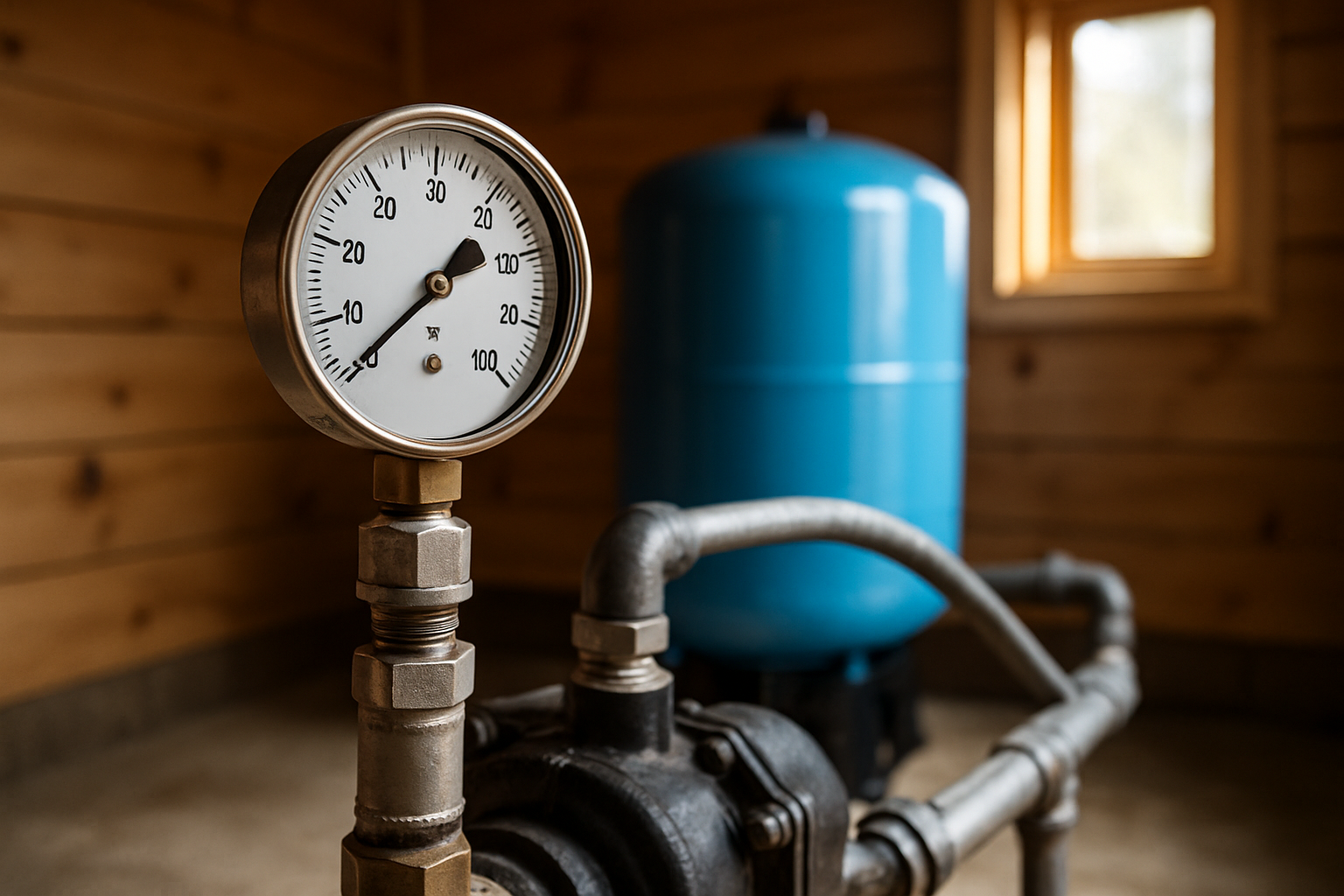
Low Water Pressure From Well
Diagnose and fix pressure problems before they get worse.
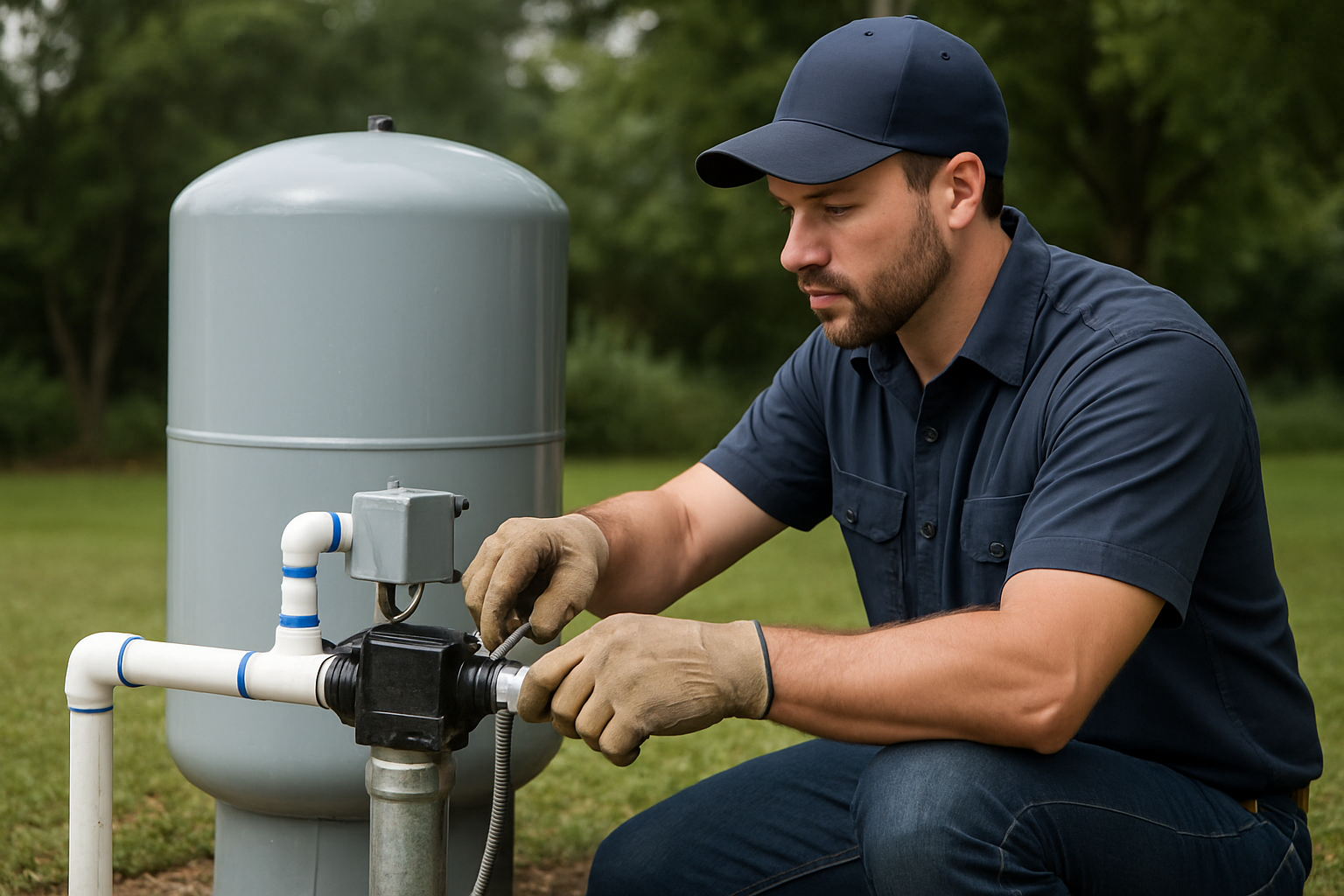
Well Maintenance Guide
Keep your well running smoothly with regular maintenance.
Our Locations
1077 Main St, Ramona, CA 92065
57174 CA-371 (US Hwy 79), Anza, CA 92539