
Hydrofracturing Well Services in Granite Hills, CA
Is your well in Granite Hills producing less water than it used to? Hydrofracturing (also called hydrofracking) could be the solution to restore and even improve your well's water production without the expense of drilling a new well.
📋 In This Guide
- What is Hydrofracturing?
- Signs Your Granite Hills Well Needs Hydrofracturing
- The Hydrofracturing Process
- Cost vs. New Well Drilling in Granite Hills
- Why Choose SCWS for Hydrofracturing?
- Related Articles
Southern California Well Service provides professional hydrofracturing services throughout San Diego County to help homeowners and property owners increase their well yield.
What is Hydrofracturing?
Hydrofracturing is a well rehabilitation technique that uses high-pressure water to clean and expand existing fractures in the bedrock surrounding your well. This process:
- Clears mineral deposits and sediment blocking water flow
- Opens new pathways for groundwater to reach your well
- Can increase well yield by 2-10 times in many cases
- Extends the life of your existing well
Unlike oil and gas fracking, well hydrofracturing uses only clean water—no chemicals are involved.
Signs Your Granite Hills Well Needs Hydrofracturing
- Declining water production over time
- Well runs dry during peak usage
- Slow recovery rate after pumping
- Pump cycling on and off frequently
- Lower water pressure than previous years
The Hydrofracturing Process
- Initial Assessment: We evaluate your well's current yield and condition
- Equipment Setup: Specialized high-pressure equipment is positioned at your well
- Isolation: Packers seal off sections of the well for targeted treatment
- Pressurization: Water is pumped at 500-3,000 PSI to fracture bedrock
- Development: Well is cleaned and tested for improved yield
Cost vs. New Well Drilling in Granite Hills
In Granite Hills, drilling a new well can cost $15,000-$50,000+ depending on depth. Hydrofracturing typically costs a fraction of that—often $3,000-$8,000—making it an excellent first option before considering a new well.
Many Granite Hills wells that appear to be "going dry" can be successfully rehabilitated through hydrofracturing, saving homeowners tens of thousands of dollars.
Why Choose SCWS for Hydrofracturing?
- Founded 2020 · 60+ Years Family Heritage: We've rehabilitated thousands of wells across Southern California
- Licensed C-57 Contractor. CSLB License #1086994. Fully licensed for well drilling and service in California
- Specialized Equipment: Professional-grade hydrofracturing equipment
- Free Estimates: We'll assess your well and provide honest recommendations
Need Help With Your Well in Granite Hills?
Our expert technicians serve Granite Hills and all of San Diego County with professional well services.
Related Articles
Continue learning about well maintenance and troubleshooting

Signs Your Well Pump Is Failing
Catch pump problems early before you lose water completely.
Low Water Pressure From Well
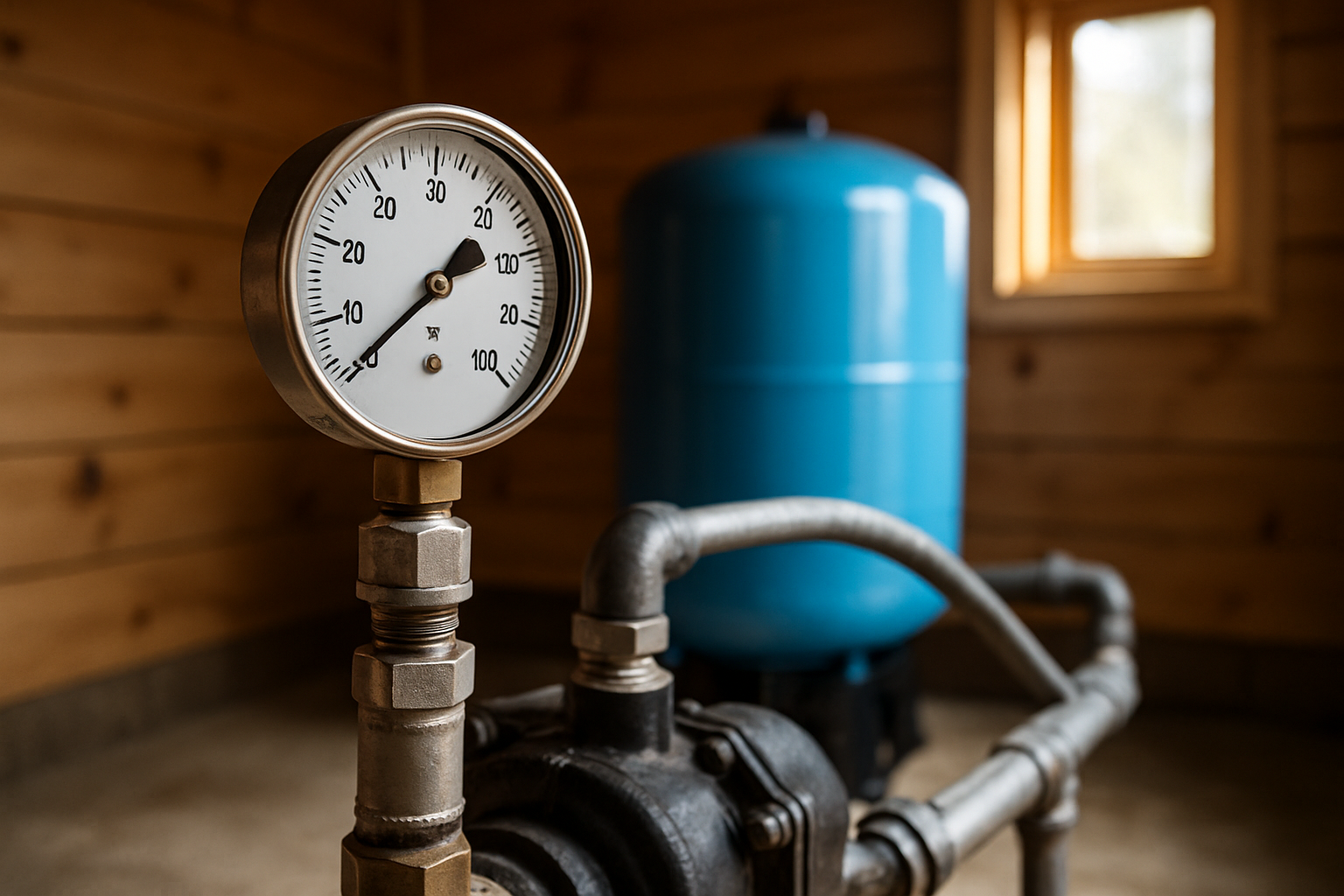
Diagnose and fix pressure problems before they get worse.
Well Maintenance Guide
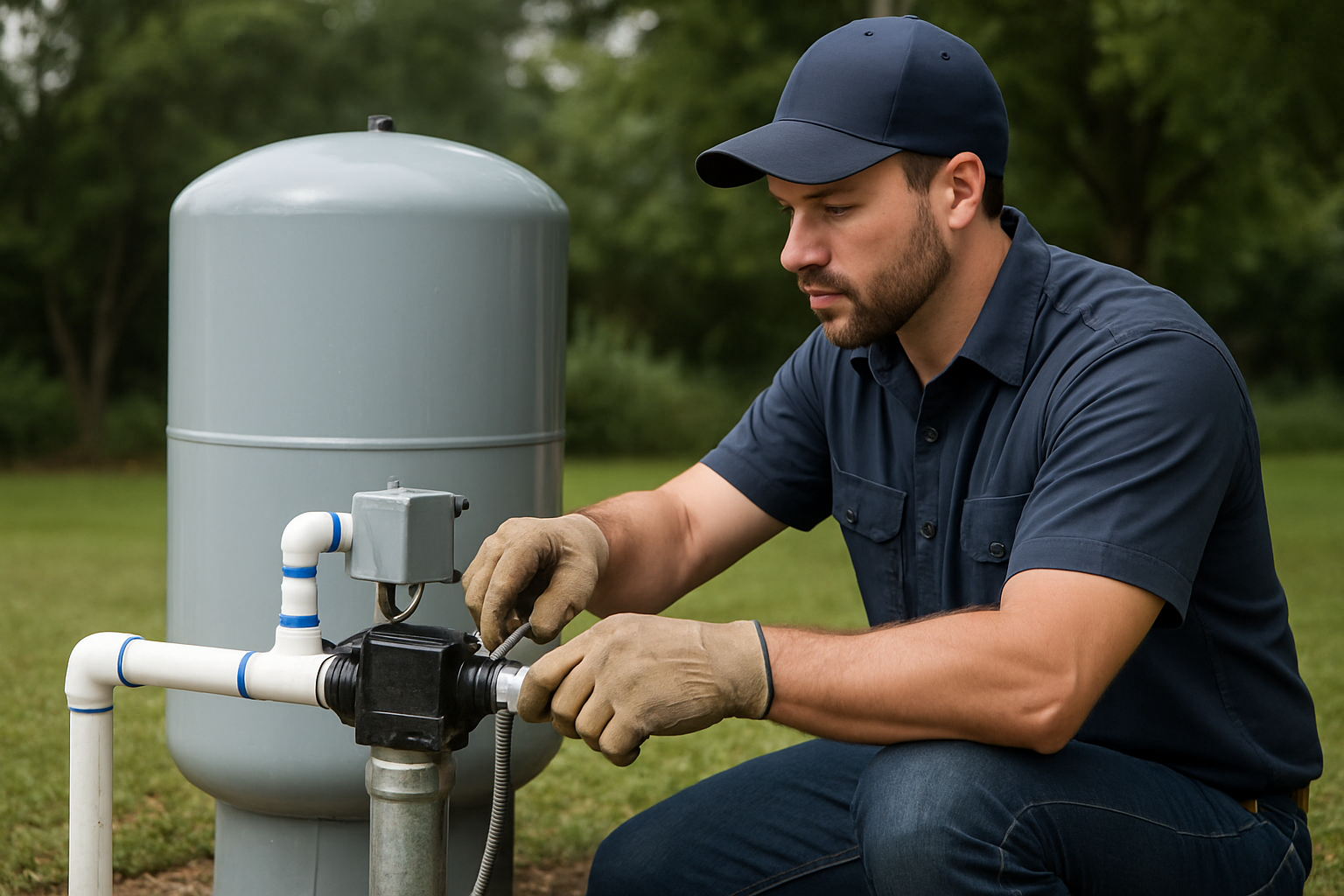
Keep your well running smoothly with regular maintenance.
Our Locations
1077 Main St, Ramona, CA 92065
57174 CA-371 (US Hwy 79), Anza, CA 92539
Hydrofracturing for Low-Yield Wells in Granite Hills
Granite Hills lives up to its name. Perched in the foothills just east of El Cajon in San Diego County, this custom-ranch community of large, equestrian-friendly lots sits on decomposed granite and hard crystalline bedrock. Many properties here rely on private wells, and because flow in granite depends entirely on the rock's fracture network, low yield is a common frustration, especially during the area's hot summers when temperatures climb past 100 degrees and demand for landscape and livestock water peaks. Hydrofracturing (also called hydrofracking) is one of the most effective tools available for Granite Hills wells, because the very geology that limits these wells is exactly the kind that responds best to high-pressure treatment. For homeowners maintaining gardens, pastures, and animals on these larger parcels, a well that keeps up through the summer is essential, not optional.
How Hydrofracturing Works
Hydrofracturing reopens and cleans the water-bearing fractures around your well using only clean water. We lower inflatable packers into the casing to isolate a section, then inject water at high pressure, typically 1,500 to 3,000-plus PSI. That pressure flushes mineral scale and rock fines out of the existing fractures and extends them, widening the network of cracks that carry groundwater into your well. In hard granite like that beneath Granite Hills, where a well may tap only a handful of productive fractures, opening even a few additional pathways can multiply yield. Because the rock itself stores almost no water, the difference between a poor well and a good one here often comes down to how many fractures the borehole can reach. The process is chemical-free and usually completed in four to eight hours.
Why Granite Hills Wells Run Low
The decomposed-granite environment creates a distinctive set of well problems:
- Limited fracture flow. Granite is not porous like sand; water moves only through cracks. A well that intersected only a few fractures, or fractures that have since tightened, may produce well below what a multi-acre property needs.
- Hard-water scaling. Mineral-rich granite groundwater leaves heavy calcium scale that plugs perforations and seals fractures over time.
- Hot-summer demand spikes. With summer highs of 100 to 110 degrees and large lots to irrigate, even a moderate well can be overwhelmed, leaving the tank drawn down by afternoon.
- Aging foothill wells. Many Granite Hills wells are decades old, and the fracture faces around the borehole gradually clog, reducing the well's effective reach.
Each of these is a flow-restriction problem rather than a regional water shortage, which is precisely what hydrofracturing is designed to fix.
What to Check Before You Call
- Time your recovery. After heavy use, note how long the well needs to refill; slow recovery indicates restricted inflow through the fractures.
- Check the easy parts first. A waterlogged pressure tank ($600-$1,500) or a failing pressure switch ($150-$350) can imitate a weak well and is inexpensive to replace.
- Watch the pump. Short-cycling or loss of prime usually means the well is drawing down faster than it recovers.
- Pull your well log. It shows your depth and confirms the granite formation, helping us target the treatment.
- Note scaling and sediment. Heavy mineral deposits or grit in the water shape the treatment and any follow-up conditioning.
When to Call a Professional
If your Granite Hills well struggles to keep up with summer irrigation, recovers slowly, or has lost output over the years, a professional evaluation is in order. Hydrofracturing uses specialized high-pressure equipment and is not a do-it-yourself task. We begin with a diagnostic visit ($125, credited toward any work performed), including a flow test and, when warranted, a downhole camera inspection. Wells in solid fractured granite, which describes nearly every Granite Hills well, respond best to treatment.
Realistic Costs in Granite Hills
Hydrofracturing an existing Granite Hills well typically costs $3,000 to $8,000, depending on depth, the number of zones treated, and access on your lot. A new turnkey well in this granite terrain generally runs $18,000 to $42,000. Given how well local granite wells respond to treatment, rehabilitation is almost always the smart first step. Companion repairs we frequently handle include pump replacement ($2,500-$5,500), a new pressure switch ($150-$350), and a pressure tank ($600-$1,500). You receive a clear written estimate after the diagnostic.
Hydrofracturing vs. a New Well
Drilling a new well through Granite Hills bedrock is slow, costly, and uncertain; a fresh bore might intersect no better a fracture network than your current one. Hydrofracturing improves the well you already own, often turning a marginal producer into one that comfortably supplies a multi-acre, horse-friendly property. Many owners who assumed their well was finished find it was only under-developed, and a single treatment delivers years of reliable water.
An Honest Assessment Every Time
While Granite Hills wells are excellent hydrofracturing candidates, we still verify that the treatment is the right call before recommending it. A weak-water complaint on a hot summer day can sometimes trace to an undersized or failing pump, a worn pressure switch, or a tank that has lost its air charge, all of which cost far less than well work. If the well genuinely cannot be improved, we will say so plainly rather than treat a lost cause. The $125 diagnostic fee is credited toward any work we perform, so the assessment pays for itself when treatment makes sense, and you receive a written estimate covering every option we identify.
Serving Granite Hills and East County San Diego
Southern California Well Service is a licensed C-57 contractor founded in 2020, with 60+ years of family heritage. We serve Granite Hills and the surrounding East County, including the foothills around El Cajon, Alpine, and Crest. Whether your ranch sits along Granite Hills Drive or on an outlying canyon-edge parcel, our crews handle hydrofracturing, pump service, and full well diagnostics. Same-day emergency service is available when you have no water.
Local Scenarios We See in Granite Hills
Most Granite Hills hydrofracturing candidates are custom-ranch properties on half-acre to multi-acre lots whose granite wells cannot keep up with summer irrigation and livestock demand. A frequent pattern is a well that performs adequately in winter but draws the storage tank down every hot afternoon, because the fracture network simply cannot recharge fast enough; opening additional fractures relieves that bottleneck. We also see older foothill wells whose productive fractures have scaled over from mineral-heavy granite groundwater, and equestrian properties where rising demand has outgrown an originally modest well. Because Granite Hills geology is so consistently fracture-dependent, these wells rank among the strongest hydrofracturing candidates in San Diego County, and the improvement after treatment is often substantial.
Protecting Your Granite Hills Well Investment
Granite groundwater is hard, and the heat of the East County foothills only intensifies demand on your well, so protecting your investment is worthwhile. After a hydrofracturing treatment, we recommend water testing and conditioning to manage the calcium scale that would gradually re-seal the fractures and plug fixtures. Periodic flow testing helps you spot any renewed decline early, and pairing the well with adequate storage lets you bank water during cooler recovery periods for use during hot-afternoon peaks. Matching the pump to the well's improved yield prevents short-cycling that wears out equipment, and keeping the pressure tank and switch in good order keeps the system dependable. With sound maintenance, a treated Granite Hills well can serve a large property reliably for many years.
Frequently Asked Questions
Is decomposed granite a good formation for hydrofracturing?
It is one of the best. Because granite wells depend entirely on fractures for flow, opening and cleaning that fracture network with high-pressure water often produces dramatic gains. Granite Hills wells are textbook candidates.
How much more water can I expect?
For suitable granite wells in San Diego County, yield commonly improves two to five times, with success in roughly 70 to 80 percent of good candidates. We document your flow before and after the treatment.
Will hydrofracturing damage my well casing?
No. We inspect the casing first, isolate each zone with packers, and apply pressure within the well's safe limits. Protecting your existing investment is part of the job.
Can you treat a well on a steep or hard-to-reach lot?
Usually, yes. We assess access during the diagnostic. Many Granite Hills lots are large and sloped, and our crews are experienced working on equestrian and canyon-edge properties.
How long does the process take?
The injection takes four to eight hours and is done in a single visit. We run a post-treatment flow test, and most owners see improved, stabilized flow within 24 to 48 hours.
What about my hard water?
Hydrofracturing improves flow and clears scale from the formation, but the underlying hardness is a water-quality matter. We can test your water and recommend conditioning to protect your plumbing and fixtures.
Boost Your Granite Hills Well's Yield
If your Granite Hills well cannot keep up, hydrofracturing is often the most cost-effective fix. Call Southern California Well Service at (760) 440-8520 or text us at (760) 219-5877 to schedule a diagnostic. Same-day emergency service is available, and your diagnostic fee is credited toward any work performed.