
Hydrofracturing Well Services in Green Acres, CA
Is your well in Green Acres producing less water than it used to? Hydrofracturing (also called hydrofracking) could be the solution to restore and even improve your well's water production without the expense of drilling a new well.
📋 In This Guide
- What is Hydrofracturing?
- Signs Your Green Acres Well Needs Hydrofracturing
- The Hydrofracturing Process
- Cost vs. New Well Drilling in Green Acres
- Why Choose SCWS for Hydrofracturing?
- Related Articles
Southern California Well Service provides professional hydrofracturing services throughout Riverside County to help homeowners and property owners increase their well yield.
What is Hydrofracturing?
Hydrofracturing is a well rehabilitation technique that uses high-pressure water to clean and expand existing fractures in the bedrock surrounding your well. This process:
- Clears mineral deposits and sediment blocking water flow
- Opens new pathways for groundwater to reach your well
- Can increase well yield by 2-10 times in many cases
- Extends the life of your existing well
Unlike oil and gas fracking, well hydrofracturing uses only clean water—no chemicals are involved.
Signs Your Green Acres Well Needs Hydrofracturing
- Declining water production over time
- Well runs dry during peak usage
- Slow recovery rate after pumping
- Pump cycling on and off frequently
- Lower water pressure than previous years
The Hydrofracturing Process
- Initial Assessment: We evaluate your well's current yield and condition
- Equipment Setup: Specialized high-pressure equipment is positioned at your well
- Isolation: Packers seal off sections of the well for targeted treatment
- Pressurization: Water is pumped at 500-3,000 PSI to fracture bedrock
- Development: Well is cleaned and tested for improved yield
Cost vs. New Well Drilling in Green Acres
In Green Acres, drilling a new well can cost $15,000-$50,000+ depending on depth. Hydrofracturing typically costs a fraction of that—often $3,000-$8,000—making it an excellent first option before considering a new well.
Many Green Acres wells that appear to be "going dry" can be successfully rehabilitated through hydrofracturing, saving homeowners tens of thousands of dollars.
Why Choose SCWS for Hydrofracturing?
- Founded 2020 · 60+ Years Family Heritage: We've rehabilitated thousands of wells across Southern California
- Licensed C-57 Contractor. CSLB License #1086994. Fully licensed for well drilling and service in California
- Specialized Equipment: Professional-grade hydrofracturing equipment
- Free Estimates: We'll assess your well and provide honest recommendations
Need Help With Your Well in Green Acres?
Our expert technicians serve Green Acres and all of Riverside County with professional well services.
Related Articles
Continue learning about well maintenance and troubleshooting

Signs Your Well Pump Is Failing
Catch pump problems early before you lose water completely.
Low Water Pressure From Well
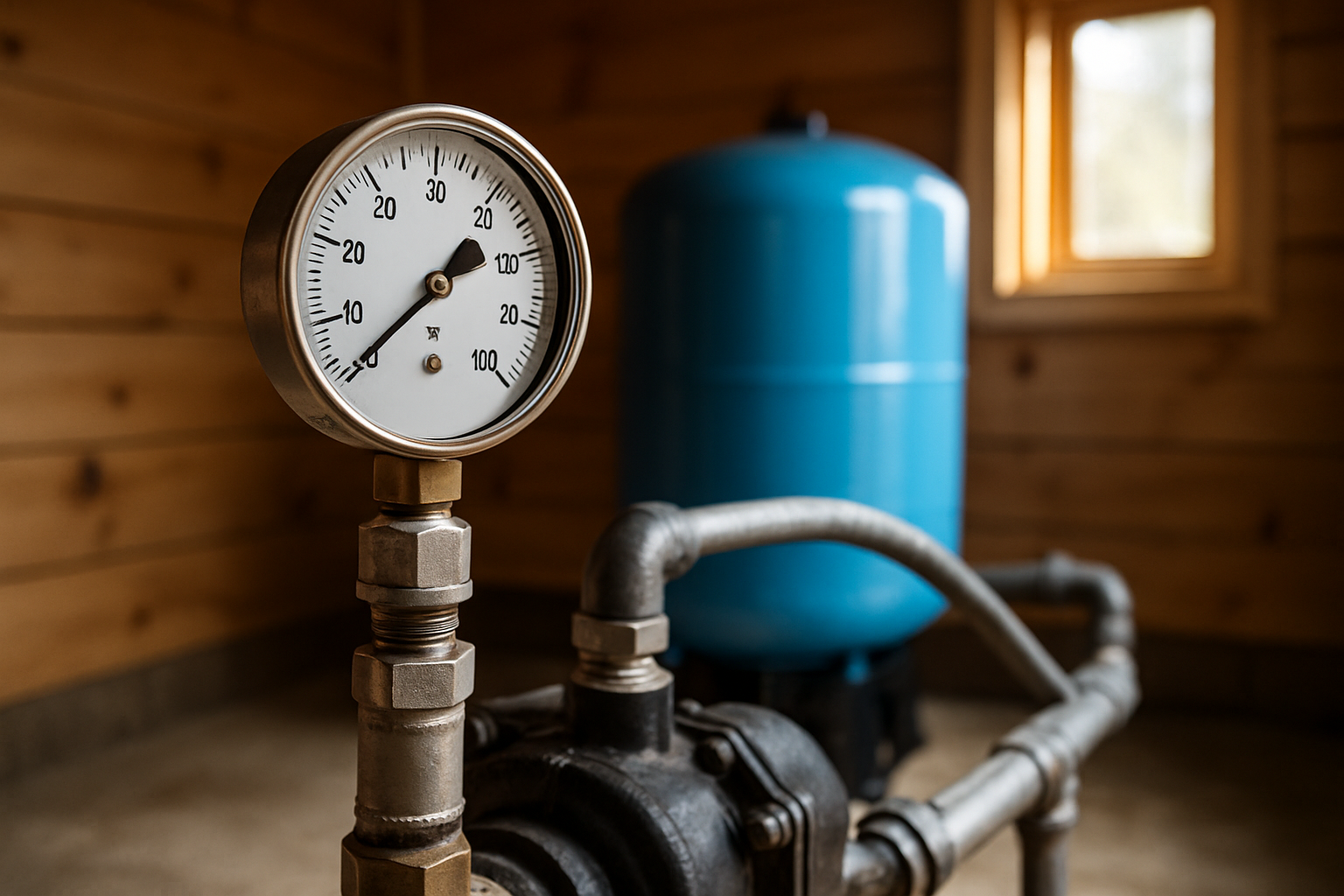
Diagnose and fix pressure problems before they get worse.
Well Maintenance Guide
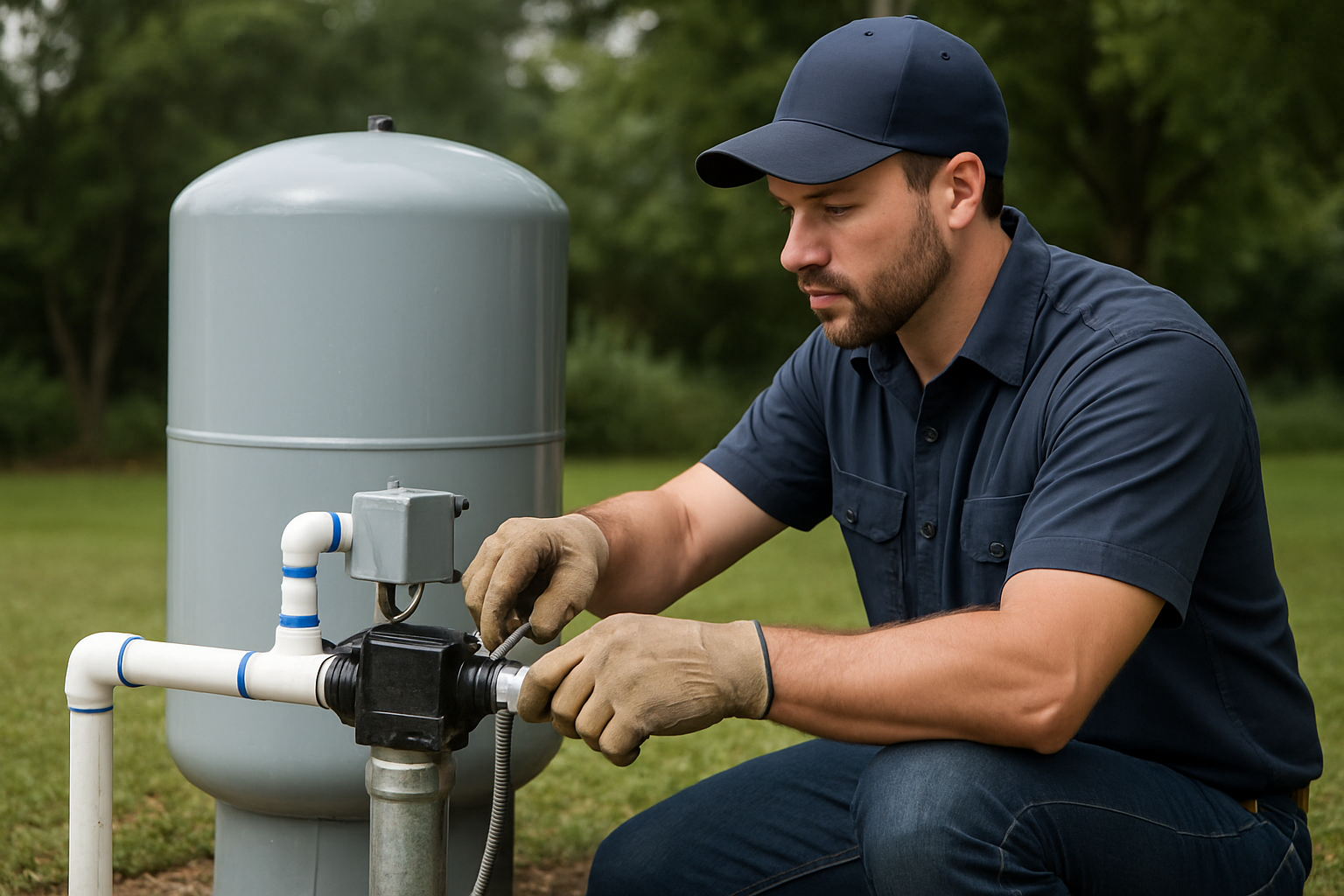
Keep your well running smoothly with regular maintenance.
Our Locations
1077 Main St, Ramona, CA 92065
57174 CA-371 (US Hwy 79), Anza, CA 92539
Hydrofracturing for Green Acres Wells West of Hemet
Green Acres is a rural community west of Hemet in the San Jacinto Valley of Riverside County, a mix of older manufactured homes, newer residences, and small ranches spread between Hemet, Homeland, Winchester, and the growing edge of Menifee. Many properties out here run on private wells rather than a municipal main, and water is a daily practical concern, not an abstraction. When a Green Acres well starts producing less, hydrofracturing is often the most affordable way to restore a dependable supply without the heavy cost of a new well. Southern California Well Service, with offices in Ramona and Anza and founded in 2020 of Riverside County experience, helps local well owners get the most out of the wells they already have.
Well Conditions in the San Jacinto Valley
The Green Acres area sits in a basin shaped by the San Jacinto fault system and fed by alluvial sediments washed down from the surrounding ranges, with harder and fractured rock at the basin margins and at depth. Local wells draw from a mix of these formations, and that variety means no two wells behave quite alike. What they share is vulnerability to the same pressures: heavy agricultural and residential pumping across the valley, sustained dry cycles that lower the water table, and the mineral-rich groundwater common to inland Riverside County that leaves scale behind. Together these slowly choke a well's output.
The San Jacinto Valley's water situation is worth understanding in plain terms. This is a basin under real demand: decades of agriculture, a growing residential population spilling out from Hemet and Menifee, and a series of dry years have all drawn on the same groundwater. For an individual well owner, the effect shows up gradually, as a well that once kept up begins to fall behind during the months when everyone is pumping hardest. Hydrofracturing cannot raise the regional water table, but it can dramatically improve how efficiently your particular well captures the water that is available to it.
How Hydrofracturing Works
We isolate a section of the borehole with an inflatable packer and inject clean water, with no chemicals whatsoever, at 1,500 to over 3,000 PSI. The pressure flushes accumulated sediment and scale from the fractures and perforations and widens existing cracks, opening fresh pathways for groundwater to reach the well. Most treatments take four to eight hours. Where a well taps more than one producing zone, we can treat each interval to get the best total result.
Why Green Acres Wells Lose Yield
- Falling water tables. Intensive valley-wide pumping and drought lower static levels, leaving marginal wells working in a shorter water column.
- Mineral scale. Hard inland groundwater deposits scale that narrows the openings water moves through.
- Sediment infiltration. Fine silt and clay migrate into the screen and formation over the years.
- Aging wells. Many older Green Acres and Hemet-area wells have never been rehabilitated since they were drilled.
Planning ahead pays off in this valley. The worst time to discover a weak well is mid-summer, when irrigation and household demand peak and every well contractor in the region is busy. Scheduling an assessment in the cooler months gives you room to address a marginal well before it fails under load, and it lets us bring a crew out on a predictable timeline rather than as an emergency.
When Hydrofracturing Makes Sense
Hydrofracturing works best where a well draws from fractured or semi-consolidated rock that can hold an open fracture. It is the right move when:
- Your well used to supply the home, garden, or livestock and now falls short.
- A newly drilled well came in low and you want to develop it fully.
- Your well runs low through the hot San Jacinto Valley summers and recovers slowly.
- You want a lower-cost option before committing to a new well.
We are honest about the limits. A well screened entirely in loose, unconsolidated sand is a poor candidate because fractures will not stay open, and a corroded or collapsed casing must be addressed first. Our assessment tells you where your well stands before you spend a dollar on treatment.
For the many small ranches and hobby farms around Green Acres, well capacity is tied directly to what the land can support. A weak well limits how much you can irrigate, how many animals you can water, and how comfortably the household runs in summer. Restoring yield is not just about convenience; it can be the difference between letting pasture and trees go dry and keeping a working property productive through the season. That is why we take the time to understand your actual demand before recommending a course of action.
What to Check Before You Call
- Time your recovery. A slow rebuild of pressure after heavy use points to the formation rather than the pump.
- Check the pressure tank and switch. A waterlogged tank or worn pressure switch ($150 to $350) can imitate low yield at low cost.
- Listen for cycling. A pump turning on and off rapidly is usually starving for water.
- Note any sand or sputtering at the tap, which helps us diagnose the well.
Hard water deserves a special mention here. Inland Riverside County groundwater carries heavy mineral content, and that hardness is the engine behind much of the scaling that clogs fractures, perforations, and pump components alike. Clearing that scale is part of what hydrofracturing accomplishes, and we can recommend water-treatment approaches that slow how fast it rebuilds, protecting both your restored yield and the plumbing and appliances throughout your property.
When to Call a Professional
Hydrofracturing involves pressures that can injure people and damage a well if mishandled, so it is strictly professional work. A licensed C-57 contractor runs a baseline flow test, inspects the casing with a downhole camera, and confirms the well can safely take the treatment before any injection. If your Green Acres well has lost significant production or stopped, call promptly; we offer same-day emergency service across Riverside County.
Realistic Costs for Green Acres Well Owners
Hydrofracturing typically runs $3,000 to $8,000, depending on depth, the number of zones treated, and access for our rig. A new turnkey well runs $18,000 to $42,000, so treating your existing well first is almost always the smart financial move. Our diagnostic visit is $125, credited toward any approved work. If the problem proves mechanical, a pump replacement runs $2,500 to $5,500, a pressure tank $600 to $1,500, and a pressure switch $150 to $350.
Serving Green Acres and the Hemet Area
We serve Green Acres, Hemet, San Jacinto, Homeland, Winchester, Menifee, and the surrounding Riverside County communities. We understand the valley's stressed water tables, the hard groundwater, and the practical realities of ranch and manufactured-home properties. Our CSLB #1086994 reflects since 2020 of straightforward, experienced service to well owners across the region.
Green Acres Hydrofracturing FAQ
Will hydrofracturing affect my water quality?
It uses only clean water under pressure, with no chemicals. After treatment we develop and flush the well and run a flow test so the water is clear before we leave.
How much improvement can I expect?
In suitable fractured or semi-consolidated formations, two to five times the pre-treatment flow is a common result, with some wells doing better. We measure before and after so the gain is documented.
My well is on a ranch with heavy irrigation. Can it keep up after treatment?
Often, yes. Many agricultural and ranch wells around Green Acres regain enough capacity to handle peak irrigation and household demand once their fractures are cleared and opened. We baseline your usage needs as part of the assessment.
What if the real issue is my pump or tank?
That is common, and it is good news because it is cheaper to fix. Our diagnostic visit determines whether the cause is equipment or the formation before you commit to hydrofracturing.
How soon can I use the well again?
Treatment runs four to eight hours, and after a short development and settling period, usually 24 to 48 hours, we verify the new flow rate and return the well to service.
Are you licensed in Riverside County?
Yes. We are a licensed C-57 California well contractor founded in 2020, with 60+ years of family heritage, fully insured, and we handle the required notifications and county requirements.
Restore Your Green Acres Well
A fading Green Acres well does not have to mean an expensive new borehole. Hydrofracturing has revived many wells across the Hemet area and Riverside County. Call Southern California Well Service at (760) 440-8520 or text us at (760) 219-5877 for an honest assessment and a free estimate. Licensed C-57 (CSLB #1086994), founded 2020 in Riverside County, same-day emergency service available.