
Hydrofracturing Well Services in Guatay, CA
Is your well in Guatay producing less water than it used to? Hydrofracturing (also called hydrofracking) could be the solution to restore and even improve your well's water production without the expense of drilling a new well.
📋 In This Guide
- What is Hydrofracturing?
- Signs Your Guatay Well Needs Hydrofracturing
- The Hydrofracturing Process
- Cost vs. New Well Drilling in Guatay
- Why Choose SCWS for Hydrofracturing?
- Related Articles
Southern California Well Service provides professional hydrofracturing services throughout San Diego County to help homeowners and property owners increase their well yield.
What is Hydrofracturing?
Hydrofracturing is a well rehabilitation technique that uses high-pressure water to clean and expand existing fractures in the bedrock surrounding your well. This process:
- Clears mineral deposits and sediment blocking water flow
- Opens new pathways for groundwater to reach your well
- Can increase well yield by 2-10 times in many cases
- Extends the life of your existing well
Unlike oil and gas fracking, well hydrofracturing uses only clean water—no chemicals are involved.
Signs Your Guatay Well Needs Hydrofracturing
- Declining water production over time
- Well runs dry during peak usage
- Slow recovery rate after pumping
- Pump cycling on and off frequently
- Lower water pressure than previous years
The Hydrofracturing Process
- Initial Assessment: We evaluate your well's current yield and condition
- Equipment Setup: Specialized high-pressure equipment is positioned at your well
- Isolation: Packers seal off sections of the well for targeted treatment
- Pressurization: Water is pumped at 500-3,000 PSI to fracture bedrock
- Development: Well is cleaned and tested for improved yield
Cost vs. New Well Drilling in Guatay
In Guatay, drilling a new well can cost $15,000-$50,000+ depending on depth. Hydrofracturing typically costs a fraction of that—often $3,000-$8,000—making it an excellent first option before considering a new well.
Many Guatay wells that appear to be "going dry" can be successfully rehabilitated through hydrofracturing, saving homeowners tens of thousands of dollars.
Why Choose SCWS for Hydrofracturing?
- Founded 2020 · 60+ Years Family Heritage: We've rehabilitated thousands of wells across Southern California
- Licensed C-57 Contractor. CSLB License #1086994. Fully licensed for well drilling and service in California
- Specialized Equipment: Professional-grade hydrofracturing equipment
- Free Estimates: We'll assess your well and provide honest recommendations
Need Help With Your Well in Guatay?
Our expert technicians serve Guatay and all of San Diego County with professional well services.
Related Articles
Continue learning about well maintenance and troubleshooting

Signs Your Well Pump Is Failing
Catch pump problems early before you lose water completely.
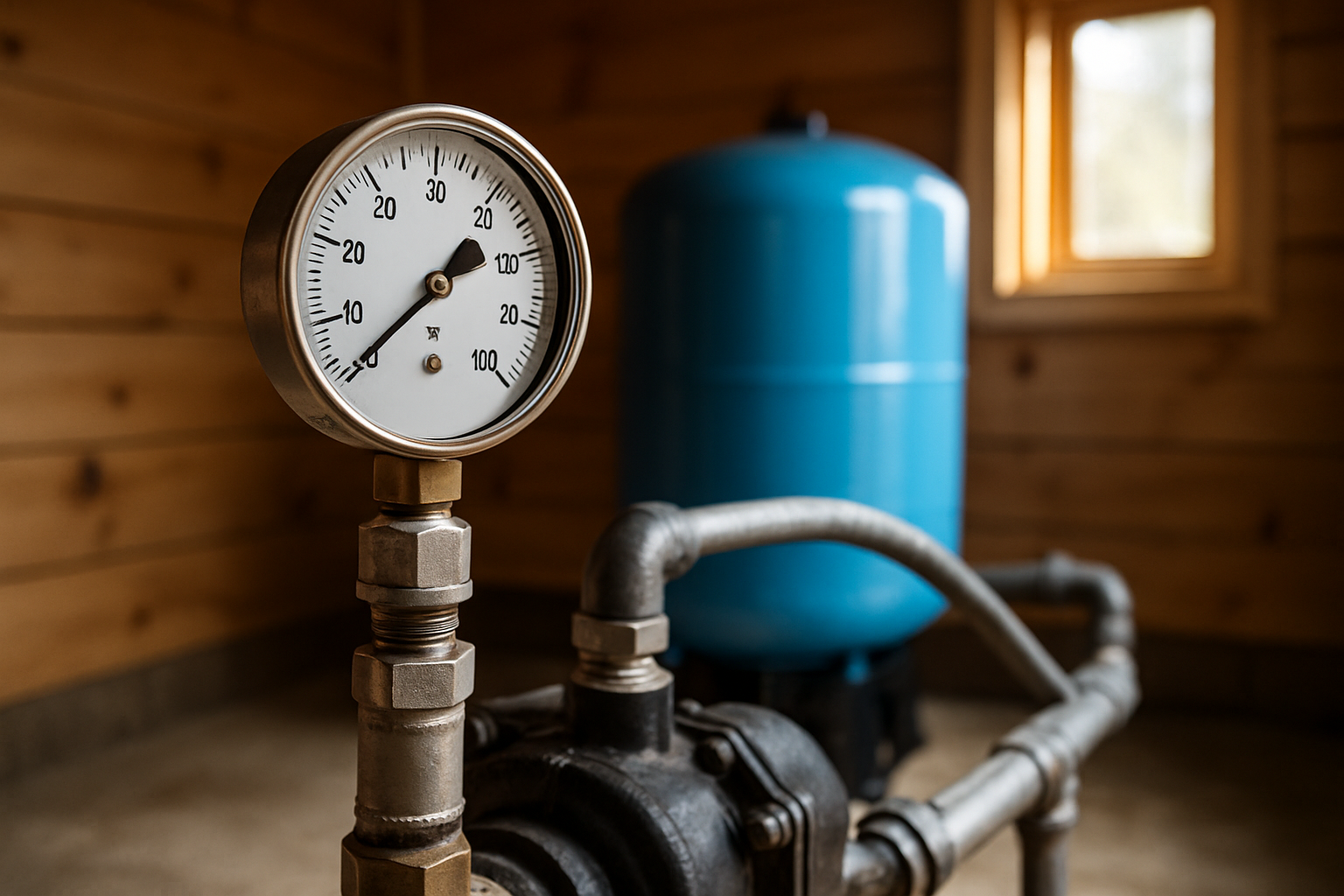
Low Water Pressure From Well
Diagnose and fix pressure problems before they get worse.
Well Maintenance Guide
Keep your well running smoothly with regular maintenance.
Our Locations
1077 Main St, Ramona, CA 92065
57174 CA-371 (US Hwy 79), Anza, CA 92539
Hydrofracturing for Mountain Wells in Guatay
Guatay sits high in the backcountry of San Diego County, a small unincorporated community strung along Old Highway 80 near State Route 79, tucked between Pine Valley and Descanso and wrapped on nearly every side by the Cleveland National Forest. At roughly 4,000 feet, beneath the slopes of Guatay Mountain and its mix of Jeffrey pine and black oak, this is true mountain country: cool, wet winters that sometimes bring snow, and long, dry summers that test every household water supply. Almost every parcel up here is a small rural residential lot served by its own private domestic well, drilled into the granitic and fractured crystalline bedrock that forms the spine of these mountains. That geology is exactly why hydrofracturing matters so much in Guatay.
When a well is completed in fractured granite rather than a deep sand-and-gravel aquifer, the water it produces does not seep evenly through porous ground. Instead, it arrives through a network of cracks, seams, and joints in otherwise solid rock. A single property might depend on just a handful of productive fractures. When those fractures silt up, tighten, or stop connecting to the larger groundwater system, the well's yield can drop sharply even though the well itself is structurally sound. Hydrofracturing is the technique built precisely for this situation, and for the one-well-per-home reality of Guatay it is often the difference between keeping a limited supply usable and facing a far more expensive alternative.
How Hydrofracturing Works
Hydrofracturing, sometimes called hydrofracking in the well-service world, has nothing to do with the chemical-laden fracking used in oil and gas extraction. For a domestic water well, the process uses nothing but clean water under controlled pressure. The goal is simple: reopen and clean the natural fractures in the bedrock so groundwater can move more freely into the borehole.
The work begins by lowering an inflatable device called a packer into the well casing. The packer seals off a chosen section of the well so pressure can be concentrated exactly where it will do the most good. Once the zone is isolated, our crew injects clean water at high pressure, commonly in the range of 1,500 to 3,000 PSI and sometimes higher when the formation demands it. That pressure flushes out the fine sediment, mineral scale, and drill cuttings that have settled into the cracks over the years, and it nudges existing fractures open a little wider, occasionally extending them far enough to intersect a water-bearing seam the well never tapped before.
By repositioning the packer, we can treat the well in stages from top to bottom, targeting the depths most likely to carry water. The whole operation on a typical Guatay well runs about four to eight hours. No chemicals go down the hole at any point. When the work is done, the only thing that has changed is the rock's ability to deliver water, which is the entire point.
Why Guatay Wells Lose Yield
If your Guatay well produces less than it used to, you are not imagining it, and you are not alone. Several forces work against fracture-fed mountain wells over time, and they tend to stack on top of one another.
The first is fracture silting and closure. Every time water moves through a crack in granite, it carries fine particles. Those particles gradually pack into the narrow openings, and dissolved minerals precipitate out and coat the fracture walls. The pathways that once fed your well slowly choke down until only a trickle gets through.
The second is drought. Guatay depends on winter rain and snowmelt to recharge the rock fractures. After a string of dry years, the regional water table drops, the static water level in the well falls, and fractures that used to sit comfortably below the water surface may end up partly drained for months at a time. A well that was marginal becomes inadequate.
The third is deeper static levels and seasonal stress. Even in a healthy year, summer demand in a mountain household, with irrigation, livestock, or simply more people home, can pull the water level down faster than the slow-feeding fractures can refill it. The pump runs, the well draws down, and recovery lags. Hydrofracturing addresses all three problems at once by cleaning the existing pathways and opening new ones, giving the same rock formation a better chance to deliver water when you need it.
What to Check and What to Expect
A good outcome starts with an honest assessment, not a sales pitch. Before we ever pressurize a well, we want to understand what we are working with.
Pre-treatment flow test. We measure your well's current yield and watch how quickly it draws down and recovers. This baseline tells us whether hydrofracturing is likely to help and gives us a number to compare against afterward.
Video inspection. A downhole camera survey lets us see the condition of the casing and, just as important, identify the fracture zones in the open rock below the casing. In Guatay's crystalline bedrock, those visible seams are where the treatment is aimed.
The treatment itself. With packers set and target zones chosen, we inject clean water at high pressure for the four to eight hours the formation requires, working in stages.
Post-treatment flow test. Within a day or two we run the well again and compare the new yield to the baseline, so you can see the result in real numbers rather than promises.
Just as important is knowing which wells make good candidates. Wells completed in hard, fractured granite, which describes the overwhelming majority of Guatay wells, respond best, because there are real fractures to open and clean. Wells finished in loose sand or gravel, by contrast, respond poorly: high pressure simply pushes the loose material around rather than opening durable pathways, and can even cause the borehole to collapse. This is why the assessment comes first. If your well is not a good candidate, we will tell you so before any work begins.
When to Call a Professional
Some warning signs are worth acting on before your only source of water gives out entirely. If your pump short-cycles, kicking on and off rapidly, that often means the well is drawing down to the pump intake and recovering slowly, a classic low-yield symptom. If pressure fades in late summer, if the tap sputters air, if recovery after heavy use takes hours instead of minutes, or if you have simply watched production decline year over year, those are the moments to bring in a licensed contractor.
Hydrofracturing is not a do-it-yourself project. It requires specialized high-pressure pumps, properly rated packers, and the experience to read a fractured formation and apply pressure safely. Done wrong, high pressure can damage casing or worsen a borehole. Done right by an experienced crew, it is one of the most cost-effective tools available to a mountain homeowner. When you only have one well between you and a dry tap, getting the diagnosis and the work right the first time matters.
Realistic Costs and Cost vs. a New Well
For most Guatay properties, hydrofracturing runs between $3,000 and $8,000, depending on well depth, the number of zones treated, and access to the site. That is a meaningful sum, but it is modest next to the alternative. Drilling an entirely new well in San Diego County's backcountry typically costs $18,000 to $42,000, and that figure does not always include a new pump. If your existing submersible pump also needs replacing, budget another $2,500 to $5,500 for that work.
Put plainly: rehabilitating the well you already have is usually a fraction of the cost of starting over, and it does not require finding a new drill site, permitting a new borehole, or hoping the next hole hits better rock than the first one did. For a fracture-fed Guatay well where a few good fractures make all the difference, hydrofracturing is almost always the first option worth trying before committing tens of thousands of dollars to a replacement. We back our diagnostic visit with a $125 charge that is credited toward the work if you move forward, so the assessment that tells you whether the technique will help is essentially built into the job.
Serving Guatay and the Surrounding Mountains
Southern California Well Service has worked since 2020 working on wells exactly like the ones in Guatay. We serve Guatay along with the broader Pine Valley and Descanso area of San Diego County's backcountry, and we know the granitic, fracture-fed formations of these mountains firsthand. As a licensed C-57 well contractor with, we work out of two offices that keep us close to the high country: 1077 Main St, Ramona, CA 92065, and 57174 CA-371 (US Hwy 79), Anza, CA 92539. When a household up here loses its water, waiting is not an option, which is why we offer same-day emergency service across the region.
Frequently Asked Questions
Does hydrofracturing work on Guatay mountain wells?
Yes. Guatay wells are completed in fractured granite, the formation hydrofracturing is designed for. Reopening and cleaning fractures commonly improves yield.
How much does it cost?
Generally $3,000–$8,000 versus $18,000–$42,000 for a new well. A $125 diagnostic is credited toward the work.
How long does it take?
About 4–8 hours on site, with a follow-up flow test within a day or two.
Any chemicals involved?
No — only clean high-pressure water to open natural fractures.
My household well runs low in late summer. Good candidate?
Often yes; seasonal low yield in fractured rock is a classic case for hydrofracturing.
Do you serve the Pine Valley–Descanso area?
Yes, we cover Guatay and the surrounding San Diego County mountains from our Ramona and Anza offices, with same-day emergency service.
Protect Your Mountain Water Supply
A single domestic well carries the whole household in Guatay, so a declining yield is not something to put off. If your well is producing less than it should, the most cost-effective next step is usually a professional assessment followed by hydrofracturing, not a new borehole. Call Southern California Well Service today at (760) 440-8520, or text us at (760) 219-5877 to schedule a diagnostic visit. Same-day emergency service is available, your $125 diagnostic is credited toward the work, and you can also request a free estimate online. Let us help you get more water out of the well you already have.