
Hydrofracturing Well Services in Highgrove, CA

Is your well in Highgrove producing less water than it used to? Hydrofracturing (also called hydrofracking) could be the solution to restore and even improve your well's water production without the expense of drilling a new well.
📋 In This Guide
- What is Hydrofracturing?
- Signs Your Highgrove Well Needs Hydrofracturing
- The Hydrofracturing Process
- Cost vs. New Well Drilling in Highgrove
- Why Choose SCWS for Hydrofracturing?
- Related Articles
Southern California Well Service provides professional hydrofracturing services throughout Riverside County to help homeowners and property owners increase their well yield.
What is Hydrofracturing?
Hydrofracturing is a well rehabilitation technique that uses high-pressure water to clean and expand existing fractures in the bedrock surrounding your well. This process:
- Clears mineral deposits and sediment blocking water flow
- Opens new pathways for groundwater to reach your well
- Can increase well yield by 2-10 times in many cases
- Extends the life of your existing well
Unlike oil and gas fracking, well hydrofracturing uses only clean water—no chemicals are involved.
Signs Your Highgrove Well Needs Hydrofracturing
- Declining water production over time
- Well runs dry during peak usage
- Slow recovery rate after pumping
- Pump cycling on and off frequently
- Lower water pressure than previous years
The Hydrofracturing Process
- Initial Assessment: We evaluate your well's current yield and condition
- Equipment Setup: Specialized high-pressure equipment is positioned at your well
- Isolation: Packers seal off sections of the well for targeted treatment
- Pressurization: Water is pumped at 500-3,000 PSI to fracture bedrock
- Development: Well is cleaned and tested for improved yield
Cost vs. New Well Drilling in Highgrove
In Highgrove, drilling a new well can cost $15,000-$50,000+ depending on depth. Hydrofracturing typically costs a fraction of that—often $3,000-$8,000—making it an excellent first option before considering a new well.
Many Highgrove wells that appear to be "going dry" can be successfully rehabilitated through hydrofracturing, saving homeowners tens of thousands of dollars.
Why Choose SCWS for Hydrofracturing?
- Founded 2020 · 60+ Years Family Heritage: We've rehabilitated thousands of wells across Southern California
- Licensed C-57 Contractor. CSLB License #1086994. Fully licensed for well drilling and service in California
- Specialized Equipment: Professional-grade hydrofracturing equipment
- Free Estimates: We'll assess your well and provide honest recommendations
Need Help With Your Well in Highgrove?
Our expert technicians serve Highgrove and all of Riverside County with professional well services.
Related Articles
Continue learning about well maintenance and troubleshooting

Signs Your Well Pump Is Failing
Catch pump problems early before you lose water completely.
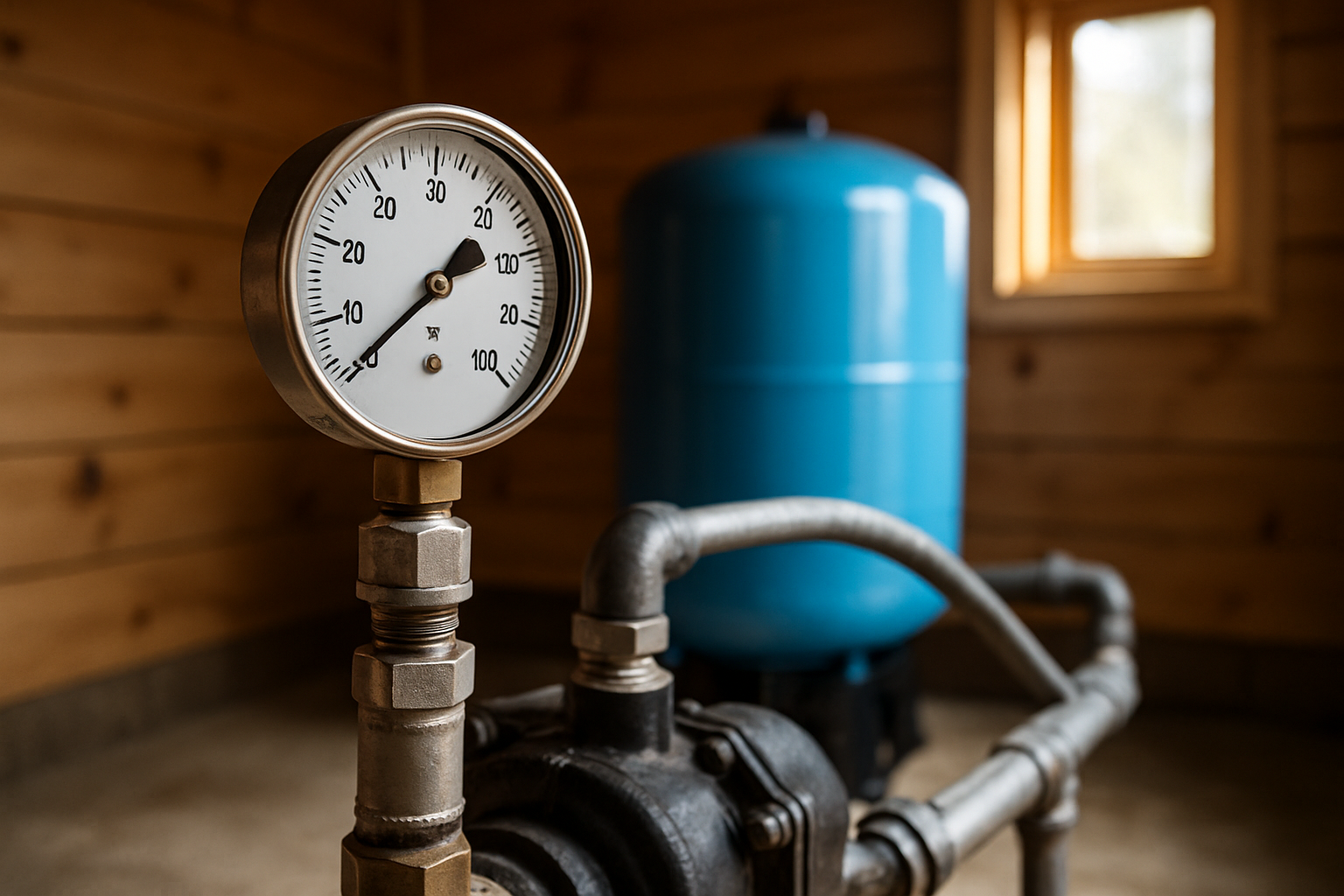
Low Water Pressure From Well
Diagnose and fix pressure problems before they get worse.
Well Maintenance Guide
Keep your well running smoothly with regular maintenance.
Our Locations
1077 Main St, Ramona, CA 92065
57174 CA-371 (US Hwy 79), Anza, CA 92539
Hydrofracturing for Low-Yield Wells in Highgrove
Highgrove is an unincorporated community in Riverside County, nestled between the city of Riverside and Grand Terrace, north of the UC Riverside campus and within the Santa Ana River watershed. Its history as a community of citrus groves and small ranches lives on in the older homesteads and agricultural parcels along Iowa Avenue, Main Street, and the areas south of Center Street, many of which still depend on private wells drilled decades ago. The ground beneath Highgrove is made of alluvial deposits, sand, gravel, silt, and clay that form part of the Bunker Hill Basin aquifer system. These formations generally hold good water, but aging wells and clogged formations leave many Highgrove owners with disappointing yield and pressure. Hydrofracturing (also called hydrofracking) is often the most economical way to bring an underperforming Highgrove well back to life. For the older homesteads that have watered families and small groves here for generations, restoring an existing well is far less disruptive than starting over.
How Hydrofracturing Works
Hydrofracturing uses high-pressure clean water to clean and reopen the water-bearing zones around your well. We seal off a target section of the casing with inflatable packers, then inject water at roughly 1,500 to 3,000-plus PSI. That pressure flushes out the silt, fine sand, and mineral scale that gradually pack into the formation and the well perforations, and it reopens the pathways that carry groundwater into the well. In Highgrove's alluvial deposits, where decades of fine sediment can choke an older well, this cleaning and re-development is frequently exactly what is needed. The water is usually there in the Bunker Hill Basin formations; the challenge is simply getting it to flow into the casing efficiently again. The process involves no chemicals and is usually finished in four to eight hours.
Why Highgrove Wells Lose Yield
Most Highgrove well problems trace back to the same handful of causes:
- Formation clogging. The valley's sand, silt, and clay produce abundant fines that, over decades, seal the perforations and the surrounding formation, restricting flow even where water remains plentiful.
- Aging boreholes. Many wells here date to the citrus era. An old well loses efficiency as its screen and the formation around it gradually plug.
- Shallow depths. Local wells are commonly 100 to 300 feet deep. Shallower wells are more sensitive to seasonal water-table fluctuations and to any loss of inflow efficiency.
- Hard-water scaling. Mineral-rich Santa Ana watershed groundwater deposits scale that compounds the clogging problem.
Because these are flow-restriction and development problems rather than a lack of regional groundwater, they respond well to hydrofracturing.
What to Check Before You Call
- Time your recovery. Note how long the well takes to refill after heavy use; a slow recovery indicates a clogged or under-developed formation.
- Rule out the simple parts. A waterlogged pressure tank ($600-$1,500) or a worn pressure switch ($150-$350) often masquerades as a weak well and is inexpensive to fix.
- Observe the pump. Short-cycling or loss of prime points to the well drawing down faster than it recovers.
- Find your driller's log. It confirms your depth and the alluvial formations, which guides the treatment.
- Note sediment. Sand or cloudiness in the water signals clogging or screen wear and shapes the plan.
When to Call a Professional
If your Highgrove well delivers weak pressure, recovers slowly, or has lost production over the years, schedule a professional evaluation. Hydrofracturing requires specialized high-pressure equipment and is not a DIY job. We start with a diagnostic visit ($125, credited toward any work performed), including a flow test and, when appropriate, a downhole camera inspection to confirm the well is a sound candidate and to check casing condition on these older boreholes.
Realistic Costs in Highgrove
Hydrofracturing an existing Highgrove well typically costs $3,000 to $8,000, depending on depth, the number of zones treated, and access. A new turnkey well runs $18,000 to $42,000. Because so many Highgrove wells respond well to cleaning and re-development, rehabilitation is almost always the smart first step. Common companion repairs include pump replacement ($2,500-$5,500), a new pressure switch ($150-$350), and a pressure tank ($600-$1,500). After the diagnostic you receive a clear written estimate so you can compare your real options.
Hydrofracturing vs. a New Well
Drilling a new well means permitting, days of work, casing, and a new pump, all adding up fast. For an older Highgrove homestead, hydrofracturing lets you get far more from the borehole you already own, frequently restoring the pressure and volume the property had years ago. Many wells owners feared were failing turn out to be clogged rather than depleted, and a single treatment can add years of reliable service.
An Honest Assessment Every Time
On older Highgrove wells especially, it pays to confirm the real source of the problem before committing to any work. A weak-pressure complaint can come from a tired pump, a failing pressure switch, or a waterlogged tank rather than the well, and those repairs are inexpensive by comparison. If a downhole inspection reveals casing damage or a well truly past saving, we will tell you honestly and walk you through the alternatives. Because the $125 diagnostic fee is credited toward any work we perform, the assessment effectively pays for itself when hydrofracturing is warranted, and you always leave with a written estimate of your real options.
Serving Highgrove and Western Riverside County
Southern California Well Service is a licensed C-57 contractor founded in 2020, with 60+ years of family heritage. We serve Highgrove, Grand Terrace, and the surrounding western Riverside County communities along the Santa Ana River corridor. Whether your property is off Iowa Avenue, near Main Street, or on a parcel south of Center Street, our crews handle hydrofracturing, pump repair, and complete well diagnostics. Same-day emergency service is available when you have no water.
Local Scenarios We See in Highgrove
A typical Highgrove call comes from the owner of an older homestead along Iowa Avenue or south of Center Street whose well still reaches plenty of water but delivers weak pressure and volume compared with years past. In most of these cases, decades of fine sediment have packed into the perforations and formation, and a cleaning-and-redevelopment hydrofracturing treatment restores much of the lost flow. We also work with small agricultural parcels, remnants of the citrus era, whose irrigation wells gradually clogged, and with residential owners whose shallow alluvial wells became more sensitive to seasonal water-table swings as efficiency dropped. Because Highgrove's Bunker Hill Basin formations generally hold good water, the limiting factor is usually the well's condition, not the aquifer, which makes rehabilitation especially effective here.
Protecting Your Highgrove Well for the Long Term
On older Highgrove wells, protecting your investment starts with knowing the casing's condition, which is why our downhole camera inspection is part of the diagnostic. After a hydrofracturing treatment, periodic flow testing helps you catch any renewed clogging before it becomes a no-water problem. Addressing the hard, mineral-rich Santa Ana watershed groundwater with appropriate conditioning slows the return of scale that would otherwise re-clog the formation. Matching the pump to the well's restored yield prevents the short-cycling that prematurely wears out equipment, and keeping the pressure tank and switch maintained keeps your water pressure steady. With sensible upkeep between treatments, a rehabilitated Highgrove well can serve a property reliably for many additional years.
Frequently Asked Questions
My Highgrove well has good water but weak pressure. Will hydrofracturing help?
Often, yes, if the weak pressure stems from restricted inflow into the well. We first confirm the problem is the well and not the pump, tank, or pressure switch, then hydrofracturing can clean the clogged formation and restore flow. The diagnostic pinpoints the true cause.
Will it work on a shallow alluvial well?
If the well is clogged with fines or scale, hydrofracturing can clear those pathways and restore yield. Wells finished entirely in loose, fracture-free sand are less ideal candidates, which our diagnostic determines before any work begins.
Is my old well casing strong enough for the treatment?
We inspect the casing with a downhole camera first. On older Highgrove wells this step is especially important, and it lets us apply pressure safely within the well's limits.
How much improvement is realistic?
For suitable wells, yield commonly improves two to five times, with success in roughly 70 to 80 percent of good candidates. We document your flow before and after.
How long does the job take?
The injection usually takes four to eight hours in a single visit. We run a post-treatment flow test, and most owners see improved, stabilized flow within 24 to 48 hours.
What if the treatment does not solve the problem?
If a treated well still underperforms, the diagnostic data guides the next step, whether deeper rehabilitation or a new well. The investigation is never wasted, and we present every option with honest pricing.
Revive Your Highgrove Well
If your Highgrove well has lost the pressure and volume it once had, hydrofracturing may be the affordable answer. Call Southern California Well Service at (760) 440-8520 or text us at (760) 219-5877 to schedule a diagnostic. Same-day emergency service is available, and your diagnostic fee is credited toward any work performed.