
Hydrofracturing Well Services in Imperial Beach, CA
Is your well in Imperial Beach producing less water than it used to? Hydrofracturing (also called hydrofracking) could be the solution to restore and even improve your well's water production without the expense of drilling a new well.
📋 In This Guide
- What is Hydrofracturing?
- Signs Your Imperial Beach Well Needs Hydrofracturing
- The Hydrofracturing Process
- Cost vs. New Well Drilling in Imperial Beach
- Why Choose SCWS for Hydrofracturing?
- Related Articles
Southern California Well Service provides professional hydrofracturing services throughout San Diego County to help homeowners and property owners increase their well yield.
What is Hydrofracturing?
Hydrofracturing is a well rehabilitation technique that uses high-pressure water to clean and expand existing fractures in the bedrock surrounding your well. This process:
- Clears mineral deposits and sediment blocking water flow
- Opens new pathways for groundwater to reach your well
- Can increase well yield by 2-10 times in many cases
- Extends the life of your existing well
Unlike oil and gas fracking, well hydrofracturing uses only clean water—no chemicals are involved.
Signs Your Imperial Beach Well Needs Hydrofracturing
- Declining water production over time
- Well runs dry during peak usage
- Slow recovery rate after pumping
- Pump cycling on and off frequently
- Lower water pressure than previous years
The Hydrofracturing Process
- Initial Assessment: We evaluate your well's current yield and condition
- Equipment Setup: Specialized high-pressure equipment is positioned at your well
- Isolation: Packers seal off sections of the well for targeted treatment
- Pressurization: Water is pumped at 500-3,000 PSI to fracture bedrock
- Development: Well is cleaned and tested for improved yield
Cost vs. New Well Drilling in Imperial Beach
In Imperial Beach, drilling a new well can cost $15,000-$50,000+ depending on depth. Hydrofracturing typically costs a fraction of that—often $3,000-$8,000—making it an excellent first option before considering a new well.
Many Imperial Beach wells that appear to be "going dry" can be successfully rehabilitated through hydrofracturing, saving homeowners tens of thousands of dollars.
Why Choose SCWS for Hydrofracturing?
- Founded 2020 · 60+ Years Family Heritage: We've rehabilitated thousands of wells across Southern California
- Licensed C-57 Contractor. CSLB License #1086994. Fully licensed for well drilling and service in California
- Specialized Equipment: Professional-grade hydrofracturing equipment
- Free Estimates: We'll assess your well and provide honest recommendations
Need Help With Your Well in Imperial Beach?
Our expert technicians serve Imperial Beach and all of San Diego County with professional well services.
Related Articles
Continue learning about well maintenance and troubleshooting
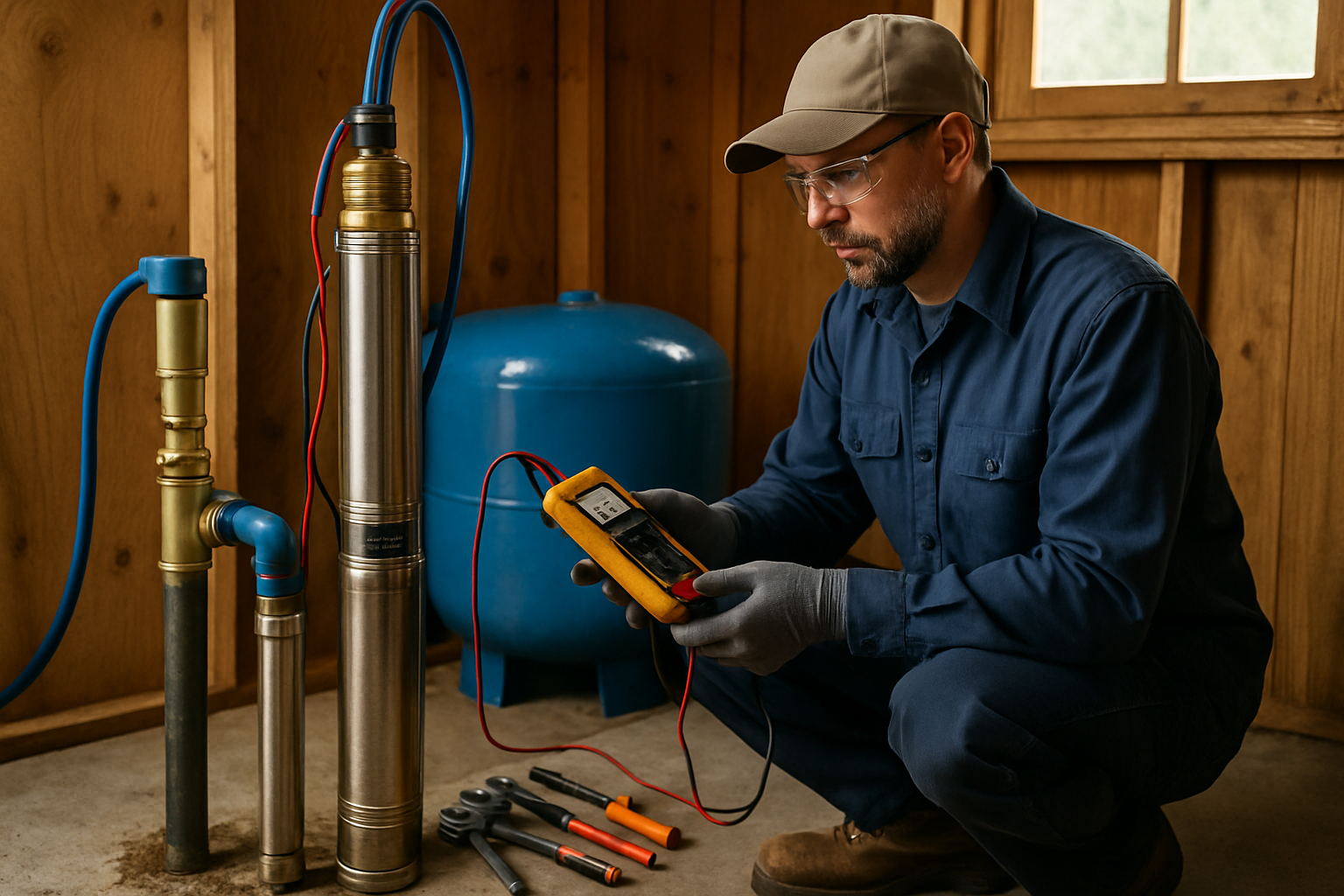
Signs Your Well Pump Is Failing
Catch pump problems early before you lose water completely.
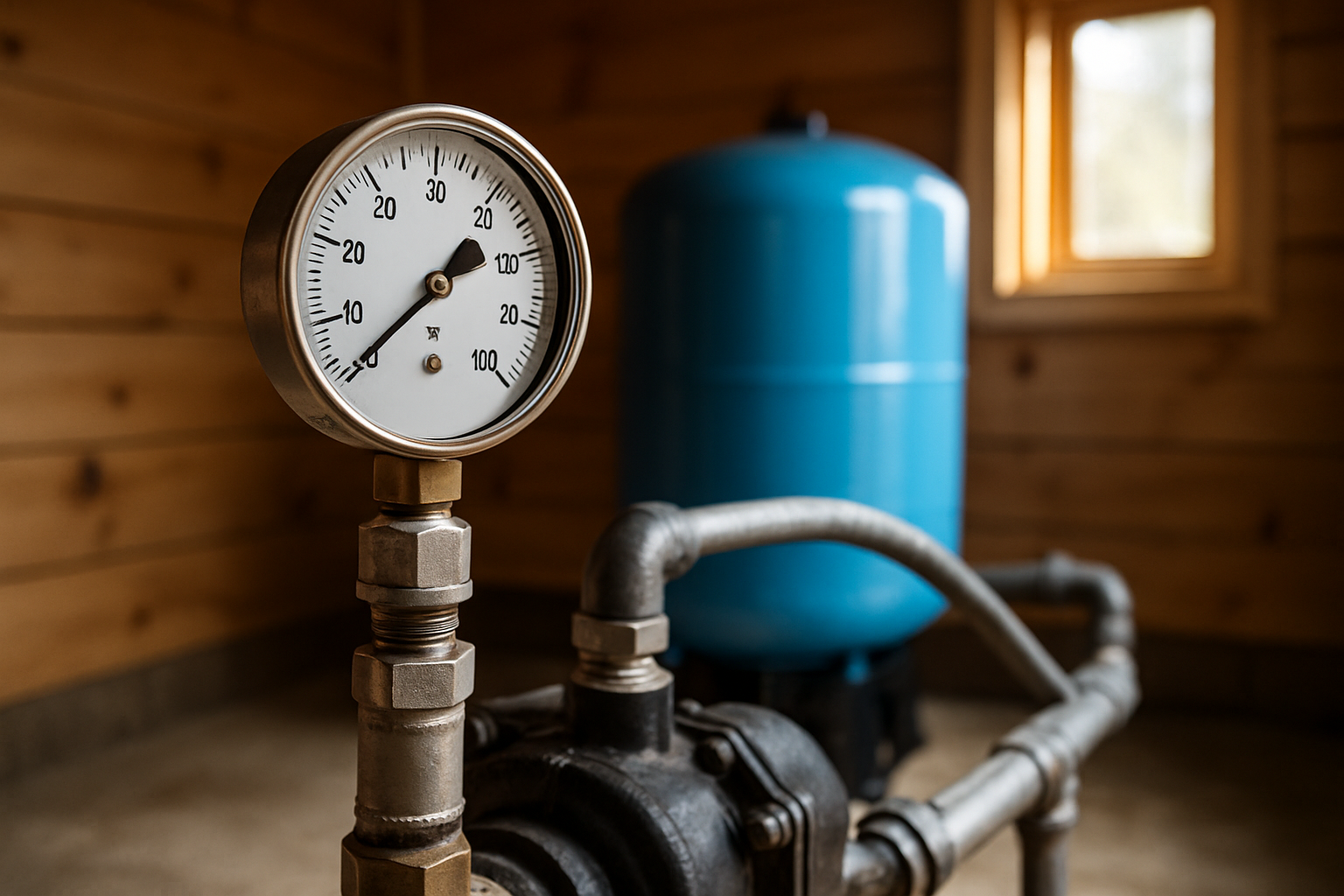
Low Water Pressure From Well
Diagnose and fix pressure problems before they get worse.
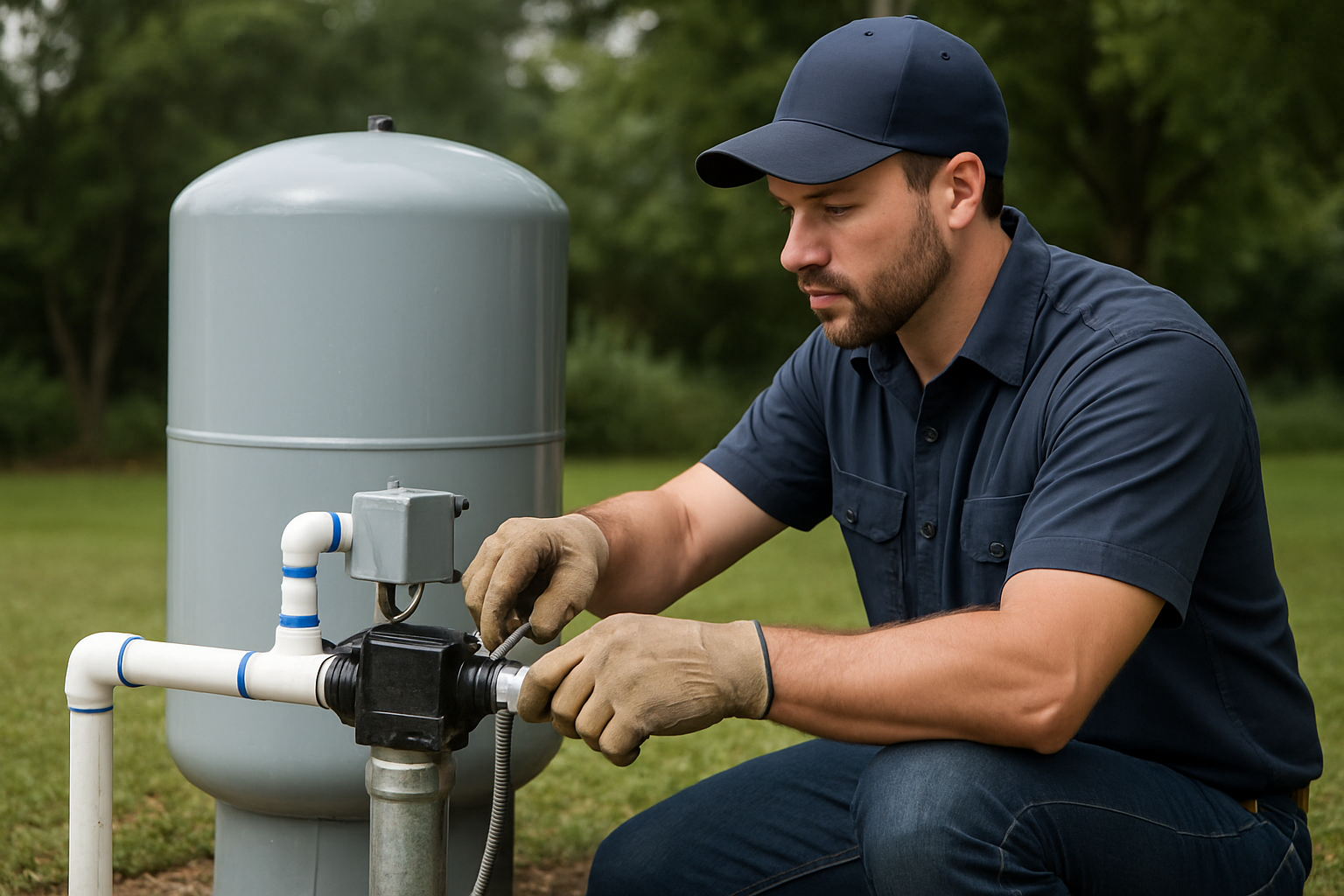
Well Maintenance Guide
Keep your well running smoothly with regular maintenance.
Our Locations
1077 Main St, Ramona, CA 92065
57174 CA-371 (US Hwy 79), Anza, CA 92539
Hydrofracturing for Low-Yield Wells in Imperial Beach
Imperial Beach is the southwesternmost beach city in San Diego County and the continental United States, sitting in the South Bay about 14 miles south of downtown San Diego, between the Pacific and the Tijuana River Valley. The ground here is largely young coastal sediment — nearshore marine, beach, estuarine, lagoonal, and dune deposits laid over the older San Diego Formation, a Pliocene conglomerate and sandstone unit that forms a large aquifer beneath Imperial Beach, Chula Vista, National City, and southern San Diego. Inland and toward the South Bay uplands, that bedrock and the surrounding fractured rock of the broader Peninsular Ranges come closer to the surface, and that is where private wells and hydrofracturing intersect.
Imperial Beach itself is mostly on municipal water, but property owners on its inland edges, the Tijuana River Valley fringe, and the surrounding South County rural parcels do rely on private wells — and when one of those wells underperforms, hydrofracturing is usually the most economical fix. Southern California Well Service has serviced San Diego County wells since 2020. Here's how the process works and when it makes sense.
How Hydrofracturing Works
Hydrofracturing uses clean water under high pressure — and nothing else, no chemicals. We seal a target zone in the open bedrock borehole with an inflatable packer and inject water at roughly 1,000 to 3,000 PSI. That pressure clears the silt, scale, and fine debris plugging the rock's natural fractures and opens and links those cracks to a larger water-bearing zone, so more groundwater reaches the well.
In the fractured rock that underlies the South Bay uplands, water moves through fractures rather than solid stone. A well that intersected a poorly connected fracture set can be dramatically improved by connecting it to a richer one — exactly what fracturing accomplishes. The treatment generally takes four to eight hours on site, with the well back to normal within a day or two.
Why South Bay Wells Lose Yield
- Fracture plugging: Mineral buildup and sediment seal the fractures feeding a bedrock well over time.
- Sediment infiltration: Wells set near the coastal and valley sediments can take on fine sand and silt that reduce inflow.
- Marginal completion: Some wells caught only a thin fracture set from the start and were modest producers from day one.
- Coastal drawdown risk: Over-pumping a low-yield well near the coast can pull in poorer-quality water; restoring proper yield reduces that temptation.
Signs Your Imperial Beach-Area Well Needs Hydrofracturing
- Output has fallen off compared with past years.
- The pump short-cycles or runs much longer than it used to.
- Air, sputtering, or sediment shows up at the taps under heavy use.
- The well recovers slowly after a long draw.
- You've received a new-well quote and want a cheaper fix to try first.
Fracturing is for wells finished in hard, fractured rock. A shallow well set entirely in loose coastal or valley sediment responds better to redevelopment or pump service. Our diagnostic determines which applies to your well before any pressure equipment is used.
What to Check Before You Call
- Find the well log — depth, casing, static water level. San Diego County and the state DWR keep records if you don't have the driller's report.
- Rule out cheap failures — a pressure switch ($150–$350) or a waterlogged tank ($600–$1,500) can mimic a failing well.
- Watch the pump — rapid cycling means the well is drawn down faster than it refills.
- Note the timeline — gradual decline points to the formation; a sudden loss to equipment.
When to Call a Professional
Hydrofracturing requires specialized pressure equipment, packers, and experienced judgment — not a homeowner project. Call when yield is clearly down, when a new well has been recommended, or when you want a straight answer about your options. The $125 diagnostic is credited toward any work we do for you.
Realistic Costs in the Imperial Beach Area
- Hydrofracturing: $3,000–$8,000 by depth and zones treated.
- New turnkey well: $18,000–$42,000.
- Pump replacement: $2,500–$5,500.
- Pressure switch: $150–$350. Tank: $600–$1,500.
- Diagnostic: $125, credited toward the job.
Across San Diego County's fractured bedrock, hydrofracturing improves yield in roughly 70–80% of treated wells, with two-to-five-times gains being typical.
Serving Imperial Beach and South County
From our Ramona office at 1077 Main St, we serve the Imperial Beach area and the surrounding South County communities — the Tijuana River Valley, Nestor, Palm City, San Ysidro, Chula Vista, and the rural parcels inland. We're a C-57 licensed contractor with same-day emergency response. If your well is underperforming, we'll assess it and tell you honestly whether hydrofracturing is the right move.
South Bay Geology and Private Wells
The South Bay around Imperial Beach is a layered coastal landscape: young beach, dune, and estuarine sediments near the shore and the Tijuana River Valley, sitting over the older San Diego Formation, with the fractured rock of the Peninsular Ranges rising beneath the inland uplands. For a private-well owner, the question that matters is which of these layers the well draws from. Wells set in the loose coastal and valley sediments behave very differently from wells that reach the fractured rock — and only the latter are true hydrofracturing candidates.
That distinction is why our diagnostic always starts with the well log and a downhole camera. If your well bottoms in fractured rock and has lost output to plugging, a high-pressure flush can reopen the fractures and restore much of the flow. If it draws from sediment, we'll recommend redevelopment or pump work instead — the honest answer rather than a treatment that wouldn't help.
There's a coastal wrinkle worth noting: near the shore, chronically over-pumping a weak well can draw in lower-quality water. Restoring a well's natural yield through fracturing lets it produce comfortably without being pushed past its limit, which protects water quality as well as supply. With a new well in this area running $18,000 to $42,000 turnkey versus $3,000 to $8,000 for rehabilitation, trying the cheaper, less invasive option first usually makes good sense.
Frequently Asked Questions
Are there private wells in the Imperial Beach area?
While the city itself is largely on municipal water, properties on the inland edges, along the Tijuana River Valley, and in the surrounding South County rural areas do use private wells — and we service wells throughout that region.
Can fracturing help a well near the coast?
Yes, when the well reaches fractured bedrock. We confirm suitable rock with a camera survey before treating. Restoring yield also reduces the over-pumping that can draw in poorer-quality water.
Are chemicals used?
None — only clean water under pressure. We disinfect the well afterward and you can have the water tested.
How soon will I know if it worked?
We measure flow before treatment and again within 24–48 hours, so you get a documented comparison.
How long do results last?
Often many years, depending on the rock and how hard the well is pumped.
What if my well isn't a good candidate?
We'll tell you before treating. Wells in loose sediment respond better to redevelopment or pump work, which we also handle.
Get Your Imperial Beach-Area Well Evaluated
Before paying for a new well, explore the cheaper option. Call Southern California Well Service at (760) 440-8520 or text (760) 219-5877. We'll assess your well and tell you honestly whether hydrofracturing can restore its yield.