
Hydrofracturing Well Services in Jacumba Hot Springs, CA
Is your well in Jacumba Hot Springs producing less water than it used to? Hydrofracturing (also called hydrofracking) could be the solution to restore and even improve your well's water production without the expense of drilling a new well.
📋 In This Guide
- What is Hydrofracturing?
- Signs Your Jacumba Hot Springs Well Needs Hydrofracturing
- The Hydrofracturing Process
- Cost vs. New Well Drilling in Jacumba Hot Springs
- Why Choose SCWS for Hydrofracturing?
- Related Articles
Southern California Well Service provides professional hydrofracturing services throughout San Diego County to help homeowners and property owners increase their well yield.
What is Hydrofracturing?
Hydrofracturing is a well rehabilitation technique that uses high-pressure water to clean and expand existing fractures in the bedrock surrounding your well. This process:
- Clears mineral deposits and sediment blocking water flow
- Opens new pathways for groundwater to reach your well
- Can increase well yield by 2-10 times in many cases
- Extends the life of your existing well
Unlike oil and gas fracking, well hydrofracturing uses only clean water—no chemicals are involved.
Signs Your Jacumba Hot Springs Well Needs Hydrofracturing
- Declining water production over time
- Well runs dry during peak usage
- Slow recovery rate after pumping
- Pump cycling on and off frequently
- Lower water pressure than previous years
The Hydrofracturing Process
- Initial Assessment: We evaluate your well's current yield and condition
- Equipment Setup: Specialized high-pressure equipment is positioned at your well
- Isolation: Packers seal off sections of the well for targeted treatment
- Pressurization: Water is pumped at 500-3,000 PSI to fracture bedrock
- Development: Well is cleaned and tested for improved yield
Cost vs. New Well Drilling in Jacumba Hot Springs
In Jacumba Hot Springs, drilling a new well can cost $15,000-$50,000+ depending on depth. Hydrofracturing typically costs a fraction of that—often $3,000-$8,000—making it an excellent first option before considering a new well.
Many Jacumba Hot Springs wells that appear to be "going dry" can be successfully rehabilitated through hydrofracturing, saving homeowners tens of thousands of dollars.
Why Choose SCWS for Hydrofracturing?
- Founded 2020 · 60+ Years Family Heritage: We've rehabilitated thousands of wells across Southern California
- Licensed C-57 Contractor. CSLB License #1086994. Fully licensed for well drilling and service in California
- Specialized Equipment: Professional-grade hydrofracturing equipment
- Free Estimates: We'll assess your well and provide honest recommendations
Need Help With Your Well in Jacumba Hot Springs?
Our expert technicians serve Jacumba Hot Springs and all of San Diego County with professional well services.
Related Articles
Continue learning about well maintenance and troubleshooting

Signs Your Well Pump Is Failing
Catch pump problems early before you lose water completely.
Low Water Pressure From Well
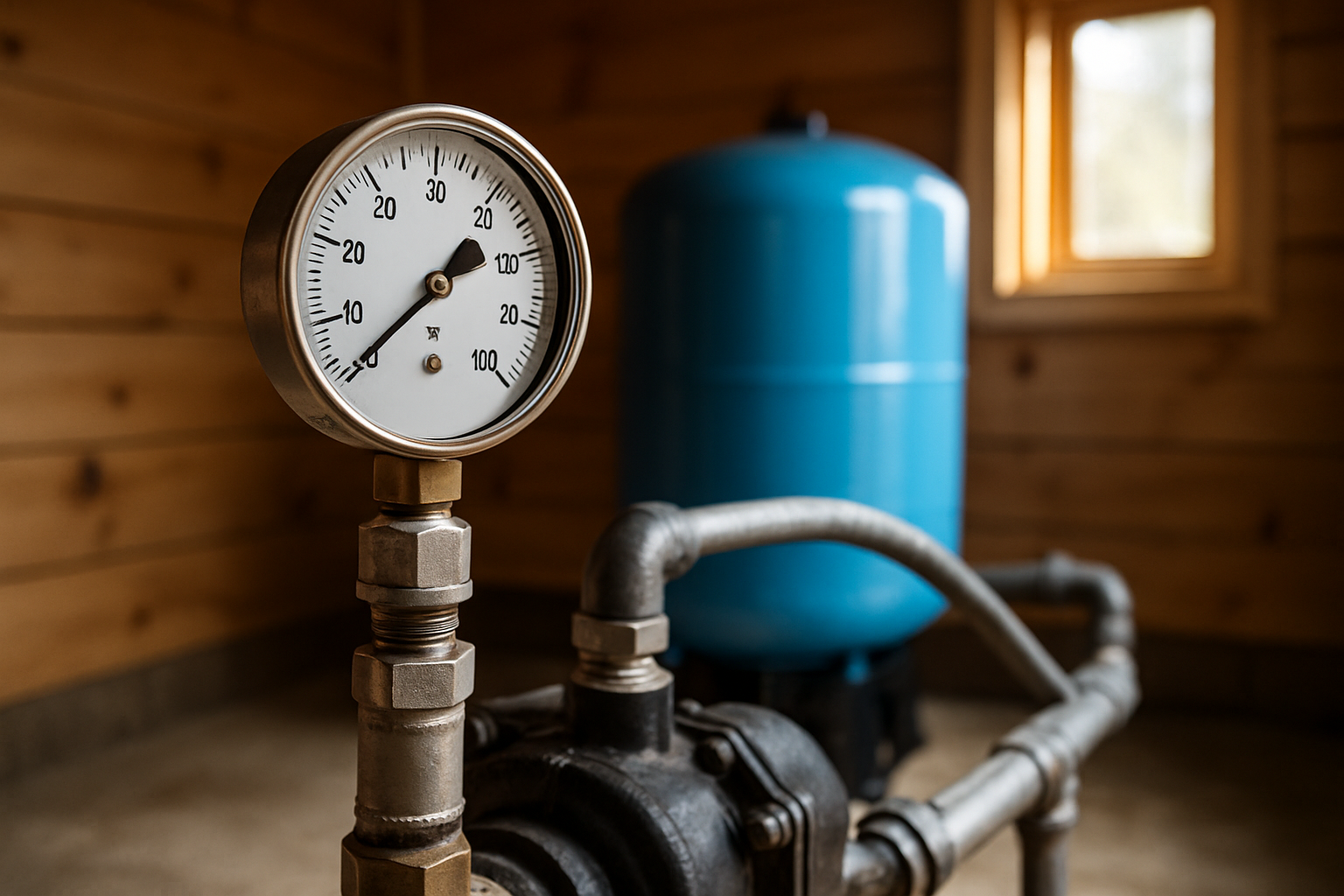
Diagnose and fix pressure problems before they get worse.
Well Maintenance Guide
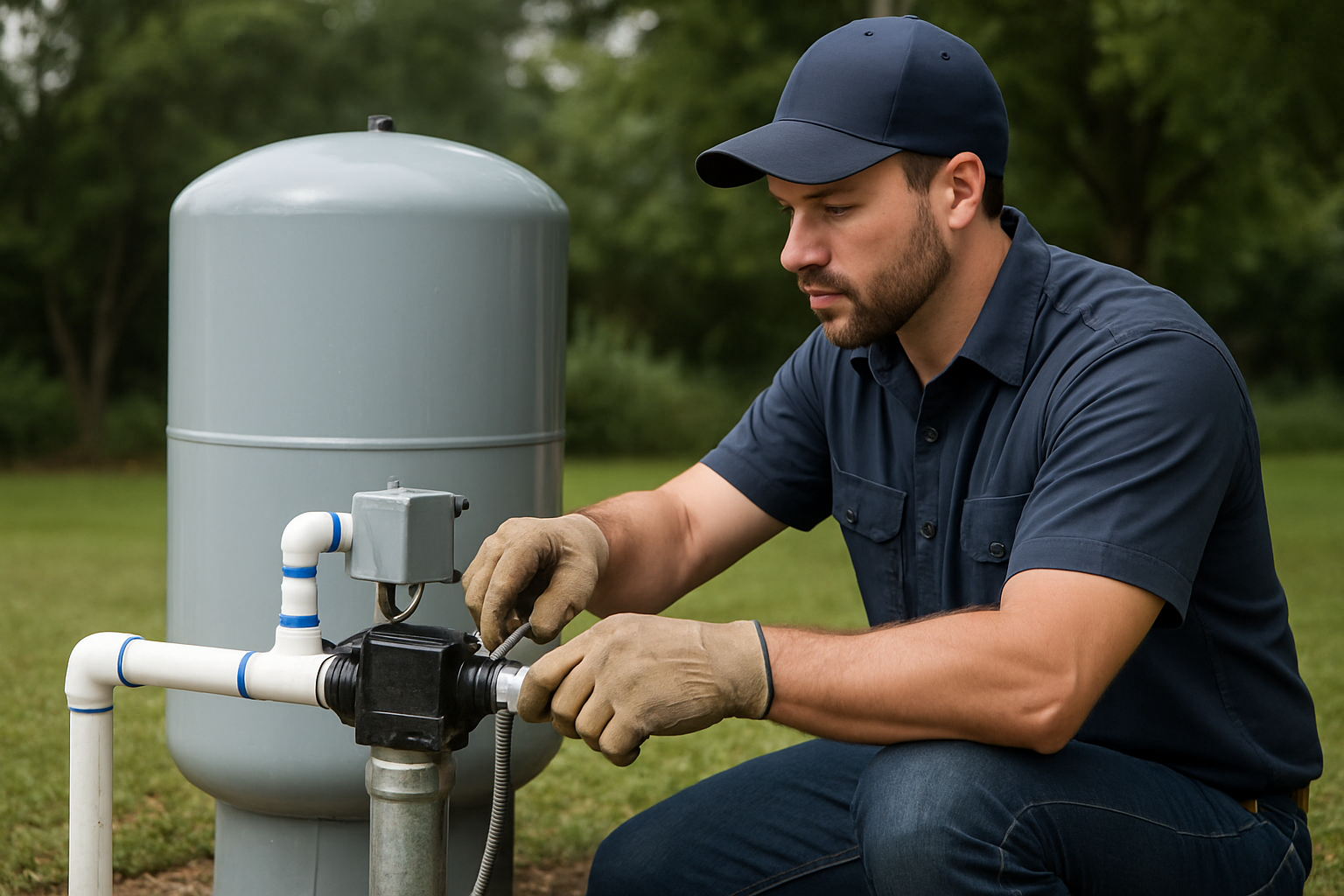
Keep your well running smoothly with regular maintenance.
Our Locations
1077 Main St, Ramona, CA 92065
57174 CA-371 (US Hwy 79), Anza, CA 92539
Boosting Desert Well Yield in Jacumba Hot Springs
Jacumba Hot Springs sits at about 2,800 feet in the far southeastern corner of San Diego County, in the Mountain Empire region right against the Mexican border and the In-Ko-Pah Mountains. The landscape here is dramatic: piles of weathered monzogranite boulders, sparse high-desert vegetation, and the geothermal springs that gave the town its name. Water is precious in this part of the county, and the wells that supply outlying homes around Old Highway 80, Carrizo Gorge Road, and the parcels toward Boulevard almost all draw from fractures in that hard granitic rock. When yield falls off, hydrofracturing is one of the few tools that can meaningfully restore it without drilling a deep, expensive new well in difficult terrain.
Why Yield Is a Constant Concern Out Here
In a desert granite setting like Jacumba, a well's output is governed entirely by how well-connected the fractures around the borehole are. Recharge is slow, so any narrowing of those fracture pathways — from mineral scale, from fine windblown sediment, or simply from a well that was marginal from day one — shows up quickly as a well that runs low during peak use and recovers slowly afterward. Hydrofracturing addresses the bottleneck directly by reopening and extending the cracks so the limited groundwater that is present can actually reach your pump.
What the Treatment Involves
After a baseline flow test and a downhole camera survey to confirm casing integrity and locate fracture zones, we isolate a section of the open borehole with inflatable packers and inject clean water at roughly 1,500 to 3,000 PSI. That pressure clears the obstructed fractures and drives new connections into surrounding water-bearing rock. The job uses only water, takes about a day on a typical residential well, and ends with a second flow test that documents the gain.
Good Candidates and Honest Limits
Wells finished in Jacumba's hard fractured granite tend to be solid candidates, and the technique is especially valuable here because the alternative — a new well in remote, rocky, high-desert ground — is costly and uncertain. That said, hydrofracturing improves yield by widening existing fracture connections; it cannot create groundwater where the formation is genuinely dry. We measure first and tell you honestly what the well can realistically do.
Cost in a Hard-to-Drill Area
Because of access and the hard rock, a new well in the Jacumba area can land at the upper end of the $18,000-$42,000 range or beyond. Hydrofracturing generally runs $3,000 to $8,000, with a $125 diagnostic credited toward the work. For most owners in the Mountain Empire, that makes treating the existing well the clear first option.
Serving the Mountain Empire
Southern California Well Service works throughout Jacumba Hot Springs and the surrounding backcountry communities of Boulevard, Campo, Tierra del Sol, and Ocotillo just over the Imperial County line. We understand the desert granite, the remote access, and San Diego County's well requirements. Call (760) 440-8520 or text (760) 219-5877 for a candid assessment of your well.
Ruling Out the Simple Causes First
When water gets scarce, it is worth confirming the well is truly the issue before planning a treatment. A worn pump, a waterlogged pressure tank, or a failing pressure switch can all imitate low yield, but they usually produce erratic pressure or air in the lines rather than the steady draw-down of a fading well. In Jacumba, where every gallon matters and recharge is slow, the clearest sign of a yield problem is a well that runs strong for a while, then drops off and takes a long time to recover. Timing how long your storage tank takes to refill after heavy use, and comparing it to prior seasons, gives us a solid starting point for the assessment.
How a High-Desert Treatment Day Unfolds
Working at 2,800 feet in remote terrain, our crew plans the visit carefully. We begin with a baseline flow test and a downhole camera survey to read the casing, the static level, and the fracture zones. We then set the inflatable packer and inject clean water in stages, monitoring the pressure response as the monzogranite accepts water and the fractures open. Desert granite is hard, so treatment proceeds zone by zone across the working day. Afterward we run the well to flush sediment, reinstall the pump, and finish with a post-treatment flow test that documents the gain. Even on off-grid Jacumba properties, most jobs wrap up in a single day.
Why Desert Granite Holds Its Gains
Jacumba's monzogranite is hard, competent rock, and that works in your favor: once we open and clean a fracture, it tends to stay open rather than collapse, so the improved yield commonly lasts for years. The trade-off in any desert granite setting is that wells are inherently fracture-limited, and recharge is slow, so the realistic goal is to maximize the well's connection to the water that is present rather than to expect valley-floor flow rates. Measuring before and after keeps expectations grounded in what your specific well can actually deliver.
Stretching a Desert Well's Capacity
In a place where water is precious, getting the most from a restored well means pairing the treatment with smart storage and maintenance. Many Jacumba homes rely on a storage tank that buffers the well's output across the day, and a restored well fills that tank far more comfortably. Periodic chlorination controls iron bacteria, an annual flow check catches decline early, and sediment filtration protects the system from re-clogging. We can help you size storage and set a maintenance routine that makes a high-desert well as dependable as possible. Reach us any time for a candid look at your options.
When Hydrofracturing Is and Is Not the Answer
Hydrofracturing solves a specific problem: a well that cannot draw water in quickly enough because its fractures have clogged. In Jacumba, where drilling anew is costly, it is often the best tool — but not always. If your well makes enough water yet pressure in the house is weak, the fix may be a pressure switch ($150-$350), a right-sized pressure tank ($600-$1,500), or a constant-pressure booster ($2,000-$4,500). A failed pump means a replacement submersible at $2,500-$5,500. Hydrofracturing runs $3,000-$8,000 and is for true yield decline in fractured rock. Our $125 diagnostic sorts out which situation you are facing before any money is spent.
What Drives Success in Desert Granite
Three factors govern the outcome on a Jacumba well. The first is fracture connectivity: a borehole that crosses a linked fracture network responds far better than one in isolated cracks, because the high-pressure water can propagate the treatment. The second is casing condition, which our camera verifies so we can isolate the open hole cleanly. The third is the available water in the surrounding formation, which sets the ceiling on what any treatment can deliver in a recharge-limited desert setting. When connectivity and water are both present in the hard monzogranite here, the typical two- to five-fold gain is realistic; we measure first so expectations stay honest.
Call a Mountain Empire Well Team
Southern California Well Service has worked the Mountain Empire for over thirty years, from Jacumba Hot Springs out to Boulevard and Campo. We are a licensed C-57 contractor with CSLB #1086994 and same-day emergency service. If your high-desert well is struggling, call (760) 440-8520 or text (760) 219-5877 for a candid assessment.
Frequently Asked Questions
Does hydrofracturing work in Jacumba's desert conditions?
Yes, when the well is completed in fractured granite, which most Jacumba-area wells are. The process reopens the fracture network so the available groundwater can reach the well more freely.
Can hydrofracturing create water in a dry well?
No. It improves the connection between your well and the water-bearing fractures already in the rock. If the surrounding formation holds water, treatment can substantially increase yield; it cannot manufacture groundwater that is not there.
Is the high-desert hard rock harder to treat?
Hard fractured granite actually holds an open fracture well, which makes it a good medium for hydrofracturing. We confirm each well's suitability with a camera inspection and flow test first.
How does the cost compare to a new desert well?
A new well in remote, rocky terrain near Jacumba is expensive and uncertain. At roughly $3,000 to $8,000, hydrofracturing is usually the most economical first step by a wide margin.
Will treatment disturb the local hot springs?
No. Residential hydrofracturing is a localized treatment of an individual well's fracture network and has no effect on the regional geothermal system.
How soon will I see improved flow?
We run a post-treatment flow test within the same visit, and recovery typically continues to stabilize over the following day or two as the well settles.