
Hydrofracturing Well Services in Jamul, CA
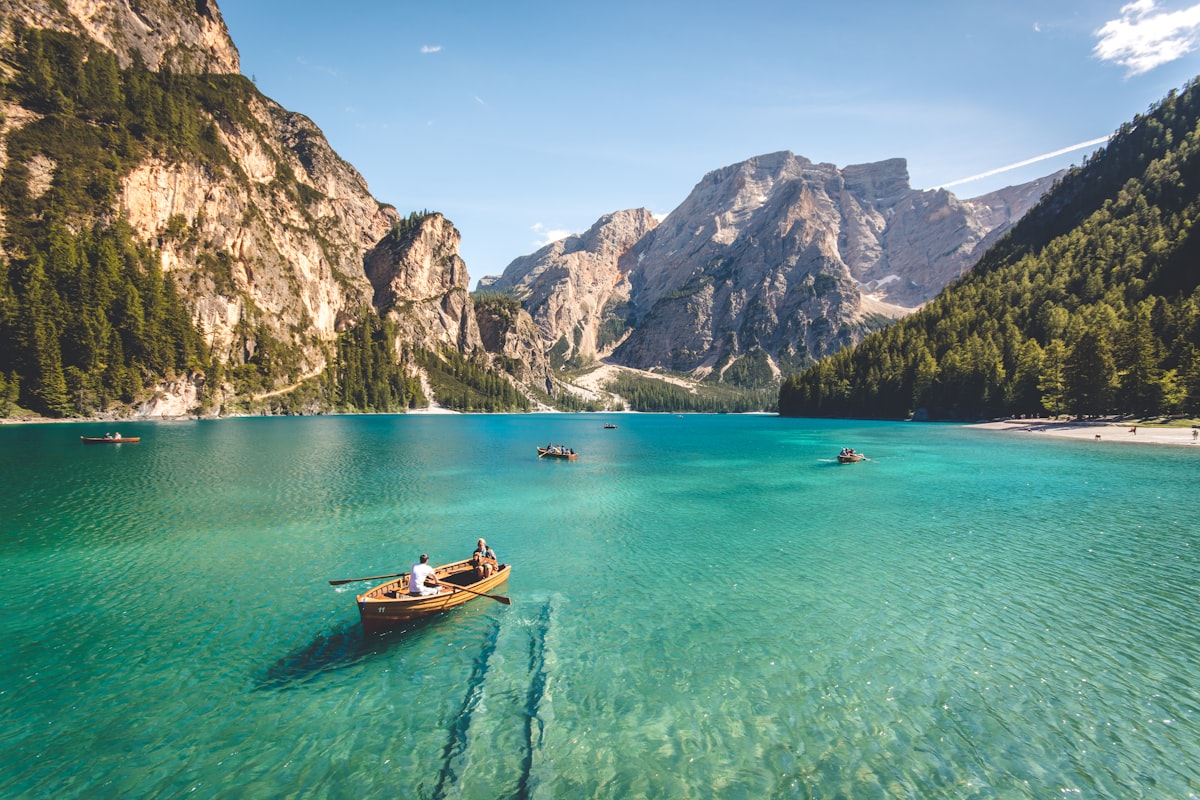
Is your well in Jamul producing less water than it used to? Hydrofracturing (also called hydrofracking) could be the solution to restore and even improve your well's water production without the expense of drilling a new well.
📋 In This Guide
- What is Hydrofracturing?
- Signs Your Jamul Well Needs Hydrofracturing
- The Hydrofracturing Process
- Cost vs. New Well Drilling in Jamul
- Why Choose SCWS for Hydrofracturing?
- Related Articles
Southern California Well Service provides professional hydrofracturing services throughout San Diego County to help homeowners and property owners increase their well yield.
What is Hydrofracturing?
Hydrofracturing is a well rehabilitation technique that uses high-pressure water to clean and expand existing fractures in the bedrock surrounding your well. This process:
- Clears mineral deposits and sediment blocking water flow
- Opens new pathways for groundwater to reach your well
- Can increase well yield by 2-10 times in many cases
- Extends the life of your existing well
Unlike oil and gas fracking, well hydrofracturing uses only clean water—no chemicals are involved.
Signs Your Jamul Well Needs Hydrofracturing
- Declining water production over time
- Well runs dry during peak usage
- Slow recovery rate after pumping
- Pump cycling on and off frequently
- Lower water pressure than previous years
The Hydrofracturing Process
- Initial Assessment: We evaluate your well's current yield and condition
- Equipment Setup: Specialized high-pressure equipment is positioned at your well
- Isolation: Packers seal off sections of the well for targeted treatment
- Pressurization: Water is pumped at 500-3,000 PSI to fracture bedrock
- Development: Well is cleaned and tested for improved yield
Cost vs. New Well Drilling in Jamul
In Jamul, drilling a new well can cost $15,000-$50,000+ depending on depth. Hydrofracturing typically costs a fraction of that—often $3,000-$8,000—making it an excellent first option before considering a new well.
Many Jamul wells that appear to be "going dry" can be successfully rehabilitated through hydrofracturing, saving homeowners tens of thousands of dollars.
Why Choose SCWS for Hydrofracturing?
- Founded 2020 · 60+ Years Family Heritage: We've rehabilitated thousands of wells across Southern California
- Licensed C-57 Contractor. CSLB License #1086994. Fully licensed for well drilling and service in California
- Specialized Equipment: Professional-grade hydrofracturing equipment
- Free Estimates: We'll assess your well and provide honest recommendations
Need Help With Your Well in Jamul?
Our expert technicians serve Jamul and all of San Diego County with professional well services.
Related Articles
Continue learning about well maintenance and troubleshooting

Signs Your Well Pump Is Failing
Catch pump problems early before you lose water completely.
Low Water Pressure From Well
Diagnose and fix pressure problems before they get worse.
Well Maintenance Guide
Keep your well running smoothly with regular maintenance.
Our Locations
1077 Main St, Ramona, CA 92065
57174 CA-371 (US Hwy 79), Anza, CA 92539
Hydrofracturing for Jamul Wells: Granite, Oaks, and Back-Country Water
Jamul lies in the rugged back country southeast of the city of San Diego, where granite hills and oak woodland define the landscape across Jamul Valley, Lyons Valley, and Deerhorn Valley, with Dulzura just beyond. This is rural San Diego County in the truest sense: scattered homesteads, ranches, and large parcels well outside any municipal water main, where households depend almost entirely on private wells. Those wells are drilled into fractured granite, the same hard crystalline bedrock that gives the region its boulder-strewn ridges, and they produce water by tapping the cracks and seams that run through that rock. When a Jamul well slows down, the issue is usually the fractures, not the disappearance of groundwater, which makes hydrofracturing a natural fit for this terrain.
Groundwater in Jamul travels through fissures in the granite rather than collecting in a sandy reservoir. A well's productivity therefore hinges on how thoroughly its borehole connects to that fracture system. Hydrofracturing reopens clogged fractures, extends them deeper into the formation, and links the well to nearby water-bearing seams, often restoring a struggling well to strong production without the cost of drilling a new one.
How the Hydrofracturing Process Works
The technique uses clean water and pressure, nothing more. We lower inflatable packers into the well casing and inflate them to isolate a specific length of the borehole. Clean water is then pumped into that sealed zone at high pressure, typically somewhere between 1,500 and 3,000-plus PSI. That pressure penetrates the granite's natural fractures, flushing out the accumulated grit and mineral deposits that restrict water movement and opening the cracks wider and farther from the well.
A typical Jamul treatment lasts four to eight hours. Because productive fractures in granite can sit at several depths, often anywhere from roughly 200 to 600 feet in this area, we frequently reposition the packers and treat multiple zones during a single visit. At no stage are chemicals introduced; the process uses only clean water. This is well rehabilitation, and it bears no relation to the chemical fracking associated with oil and gas extraction.
When Hydrofracturing Is and Isn't the Right Call
Straight talk about geology saves everyone time and money. Jamul's fractured granite is well matched to hydrofracturing, but the method only works where there is rock to fracture.
- Good fit: wells finished in the fractured granite that underlies Jamul, Lyons, and Deerhorn Valleys, including older wells that have declined and newer wells that came in weaker than expected.
- Poor fit: wells that bottom out in loose soil, sand, or unconsolidated material with no solid rock to treat. In those rare cases, pressurizing the bore will not add yield and can do more harm than good.
We confirm the formation and inspect the casing before recommending treatment. If hydrofracturing is not appropriate for your well, we will tell you plainly and point you toward a better option.
Common Reasons Jamul Wells Decline
Several scenarios show up again and again in this part of the county. Many Jamul properties are ranches and rural homes with horses, gardens, and significant outdoor water needs, so demand can outpace a well that was only ever marginal. The granite hills steadily shed fine sediment that works its way into fractures and gradually seals them off. And on the steep, boulder-laden slopes around Lyons and Deerhorn Valley, a well may have intersected only a narrow band of productive fracturing, leaving it short from the start. Each of these is a strong case for reopening fractures rather than abandoning a well that still has water nearby.
The boulder-strewn granite that makes Jamul so scenic also makes its hydrogeology unforgiving. Because the rock stores water in cracks rather than in pore space, a well is only as productive as the fracture network it happens to intersect, and that network can be patchy from one ridge to the next. Drought years compound the problem: as the regional water table dips, the upper fractures that a shallower well relies on can stop delivering, even though deeper or better-connected seams still hold water. Hydrofracturing addresses this directly by extending the well's existing fractures and opening new connections to those nearby seams, which is why a Jamul well that appears to be failing during a dry stretch can frequently be brought back to dependable year-round production.
What to Check First, and What to Expect
Before assuming your well is finished, gather a few observations. Is the shortage seasonal, peaking in the dry summer months, or constant year-round? How long does the well take to recover after heavy use? Did pressure fade slowly over seasons, or drop off suddenly? A sudden loss often points to a pump or pressure-switch failure rather than the well, so those are worth checking first. When a true yield problem is confirmed, here is how our process unfolds:
- Pre-treatment flow test to record your current production as a baseline.
- Video camera inspection to check casing integrity and identify fracture zones.
- Hydrofracturing of the target zones over four to eight hours.
- Post-treatment flow test, typically within 24 to 48 hours, to confirm the gain.
- Results report with a clear before-and-after comparison.
When to Call a Professional
Hydrofracturing involves high-pressure equipment and genuine expertise in well construction and local geology, so it is not a project to attempt yourself. If you notice falling production, a short-cycling pump, air or sputtering at the faucet, or sediment in your water, call a licensed contractor for a diagnosis. The professional's real job is to determine the actual cause, whether it is a fracture-connection problem that hydrofracturing solves, a mechanical pump issue, casing damage, or a regional decline in the water table, since each calls for a different remedy.
Cost: Hydrofracturing Compared to a New Well
For most Jamul homeowners the cost comparison is decisive. A new turnkey well in this back-country terrain generally runs between $18,000 and $42,000, reflecting the depth, casing, and pump involved. Hydrofracturing an existing well typically costs $3,000 to $8,000. We charge a $125 diagnostic fee that is credited toward the work if you proceed. Spending a few thousand dollars to potentially multiply the yield of a well you already own is, in nearly every case, the wiser first move before committing to a new bore.
Serving Jamul and All of San Diego County
Southern California Well Service provides hydrofracturing and full well services throughout Jamul and the surrounding San Diego County back country, including Jamul Valley, Lyons Valley, Deerhorn Valley, and Dulzura. Our Ramona office anchors our coverage of the county, and our Anza office offers additional crew support, allowing us to reach even the remote ranches of this region promptly. We are a licensed C-57 contractor, CSLB #1086994, founded in 2020, with 60+ years of family heritage same-day emergency service when a well runs dry.
Talk to Us About Your Jamul Well
If your Jamul well is not keeping up with your household or ranch, let us evaluate it before you consider drilling new. Call (760) 440-8520 or text (760) 219-5877 to schedule a diagnostic. We will assess your well honestly and recommend only what truly makes sense.
Jamul Hydrofracturing FAQ
Will hydrofracturing work on my Jamul ranch well?
In most cases, yes. The fractured granite throughout Jamul, Lyons Valley, and Deerhorn Valley is ideal for hydrofracturing. Ranch and rural-home wells that fall short under heavy outdoor demand are among the most common candidates we treat successfully in the area.
How much additional water can I expect?
Across San Diego County's granite formations, hydrofracturing improves yield in roughly 70 to 80 percent of wells, with typical gains of two to five times the prior flow rate. Because results depend on the rock, we measure your well before and after every treatment.
Is the process safe for my well water?
Yes. Hydrofracturing uses only clean water under pressure and adds no chemicals. It cleans and opens the natural fractures feeding your well, which can even reduce sediment over time rather than contaminating your supply.
How deep are wells in the Jamul area?
Many Jamul wells are finished in the 200-to-600-foot range. Depth itself is not an obstacle; what matters is that the well is in fractured granite. We can target productive zones at various depths by repositioning the packers during treatment.
What does it cost compared with drilling a new well in Jamul?
Hydrofracturing typically runs $3,000 to $8,000, while a new turnkey well in Jamul's back country generally costs $18,000 to $42,000. With the $125 diagnostic credited toward the work, it is a low-risk first step.
My well went nearly dry over the summer. Can it be saved?
Often it can. Seasonal shortages in fractured-granite wells frequently respond well to hydrofracturing, which reopens clogged feeder fractures and connects the well to additional water-bearing seams. We will confirm with a diagnostic before recommending the treatment.