
Hydrofracturing Well Services in Julian, CA
Is your well in Julian producing less water than it used to? Hydrofracturing (also called hydrofracking) could be the solution to restore and even improve your well's water production without the expense of drilling a new well.
📋 In This Guide
- What is Hydrofracturing?
- Signs Your Julian Well Needs Hydrofracturing
- The Hydrofracturing Process
- Cost vs. New Well Drilling in Julian
- Why Choose SCWS for Hydrofracturing?
- Related Articles
Southern California Well Service provides professional hydrofracturing services throughout San Diego County to help homeowners and property owners increase their well yield.
What is Hydrofracturing?
Hydrofracturing is a well rehabilitation technique that uses high-pressure water to clean and expand existing fractures in the bedrock surrounding your well. This process:
- Clears mineral deposits and sediment blocking water flow
- Opens new pathways for groundwater to reach your well
- Can increase well yield by 2-10 times in many cases
- Extends the life of your existing well
Unlike oil and gas fracking, well hydrofracturing uses only clean water—no chemicals are involved.
Signs Your Julian Well Needs Hydrofracturing
- Declining water production over time
- Well runs dry during peak usage
- Slow recovery rate after pumping
- Pump cycling on and off frequently
- Lower water pressure than previous years
The Hydrofracturing Process
- Initial Assessment: We evaluate your well's current yield and condition
- Equipment Setup: Specialized high-pressure equipment is positioned at your well
- Isolation: Packers seal off sections of the well for targeted treatment
- Pressurization: Water is pumped at 500-3,000 PSI to fracture bedrock
- Development: Well is cleaned and tested for improved yield
Cost vs. New Well Drilling in Julian
In Julian, drilling a new well can cost $15,000-$50,000+ depending on depth. Hydrofracturing typically costs a fraction of that—often $3,000-$8,000—making it an excellent first option before considering a new well.
Many Julian wells that appear to be "going dry" can be successfully rehabilitated through hydrofracturing, saving homeowners tens of thousands of dollars.
Why Choose SCWS for Hydrofracturing?
- Founded 2020 · 60+ Years Family Heritage: We've rehabilitated thousands of wells across Southern California
- Licensed C-57 Contractor. CSLB License #1086994. Fully licensed for well drilling and service in California
- Specialized Equipment: Professional-grade hydrofracturing equipment
- Free Estimates: We'll assess your well and provide honest recommendations
Need Help With Your Well in Julian?
Our expert technicians serve Julian and all of San Diego County with professional well services.
Related Articles
Continue learning about well maintenance and troubleshooting

Signs Your Well Pump Is Failing
Catch pump problems early before you lose water completely.
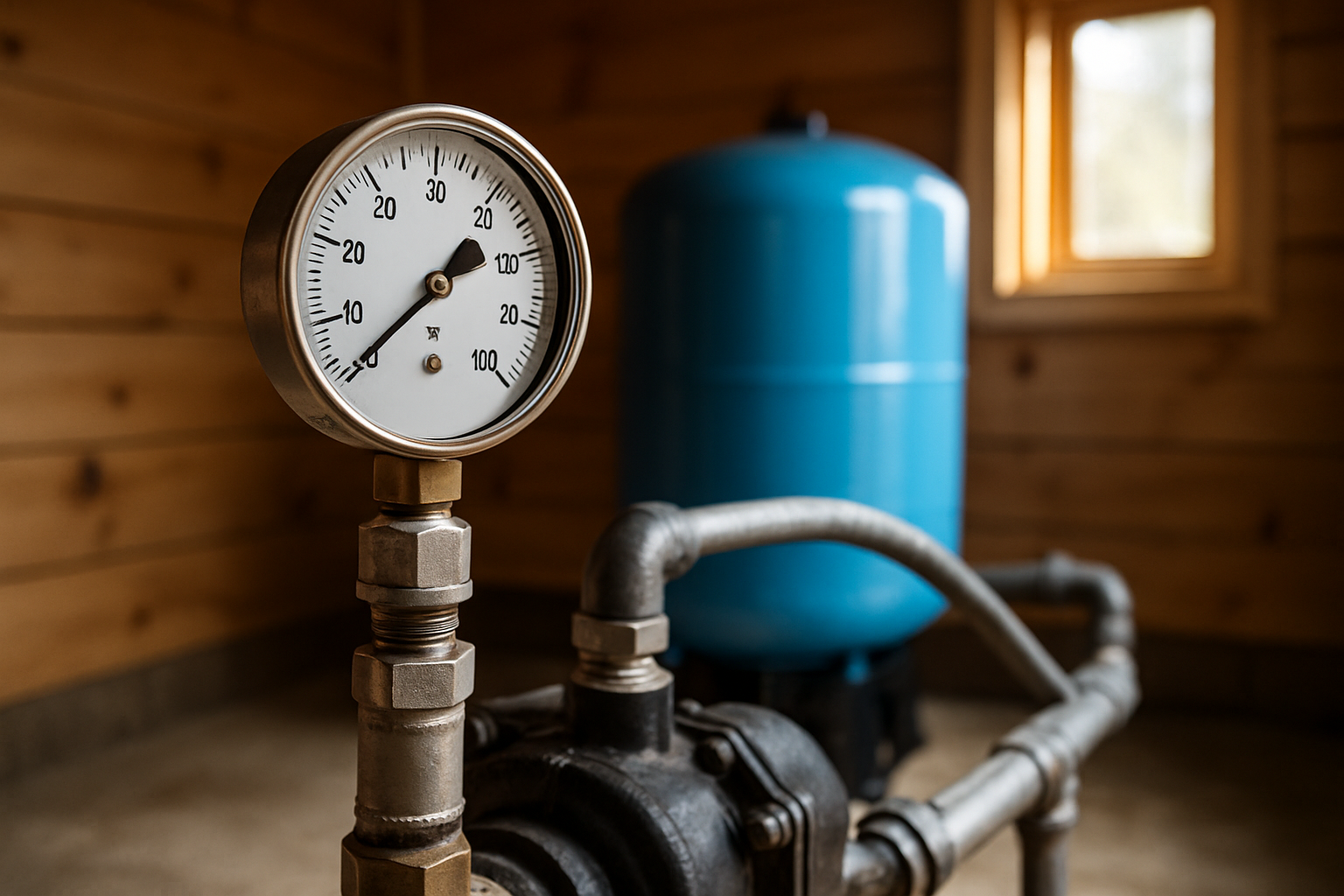
Low Water Pressure From Well
Diagnose and fix pressure problems before they get worse.
Well Maintenance Guide
Keep your well running smoothly with regular maintenance.
Our Locations
1077 Main St, Ramona, CA 92065
57174 CA-371 (US Hwy 79), Anza, CA 92539
Hydrofracturing in Julian: Restoring Mountain Wells in San Diego's Backcountry
Julian sits high in the Volcan and Cuyamaca Mountains of San Diego County, roughly 4,200 feet above sea level. It is one of Southern California's most distinctive mountain towns — a place defined by its 1870s gold rush, its rolling apple orchards, and a way of life that depends almost entirely on private water wells. Out here, away from the pipelines that serve the coast, the well in your yard is your water utility. When it falters, everyday life changes overnight. That is why hydrofracturing — a proven, water-only well rehabilitation method — matters so much to the families and property owners of Julian, Santa Ysabel, Wynola, Pine Hills, and the surrounding backcountry.
What makes Julian remarkable is the very same thing that made it a mining town: its geology. The ridges around Julian are built from fractured metamorphic and granitic bedrock — the Julian Schist and granodiorite formations that once held the gold veins prospectors chased through the hills. Mountain wells here do not draw from a deep, sandy aquifer the way valley wells do. Instead, they live and die by the network of natural cracks, joints, and fractures running through hard rock. Water moves through those fractures, and your well only produces as much as those fractures can deliver. This is precisely the condition under which hydrofracturing performs best, which is why Julian is one of the best candidate areas in the region for the technique.
How Hydrofracturing Works
Hydrofracturing (sometimes called hydrofracking) is a well-development process that uses clean water under high pressure to open and clean the natural fractures already present in the rock around your well. It is fundamentally different from the oil-and-gas fracking you may have read about: there are no chemicals, no sand proppants, and no toxic fluids involved. Just water.
The process begins by lowering an inflatable device called a packer into the well casing or open borehole. The packer seals off a specific section of the well so that pressure can be concentrated exactly where it is needed rather than dissipating up the whole shaft. Once the zone is isolated, our equipment injects clean water at pressures typically ranging from about 1,500 to 3,000+ PSI. That pressure pushes into the existing fractures in the metamorphic and granitic rock, flushing out the fine silt, clay, and mineral scale that accumulate over years and slowly choke off flow. At the same time, the pressure extends and reconnects the fracture network, opening new pathways for groundwater to migrate toward the borehole.
A typical hydrofracturing job in the Julian area takes about four to eight hours on site, depending on the depth of the well and how many zones we treat. Private wells in this terrain commonly run between 200 and 600 feet deep, and we often treat more than one fracture zone in a single visit to maximize the improvement. The work is contained, relatively quiet, and leaves your wellhead exactly as it was when we finish.
Signs Your Julian Well May Need Hydrofracturing
Because Julian wells depend on fracture flow rather than a generous sand aquifer, they tend to show stress in recognizable ways. If you notice any of the following, hydrofracturing is worth investigating:
- Declining yield over time. Your well once kept up with the house and garden, but now you notice it producing noticeably less than it did a few years ago. In fractured rock, mineral scale and sediment gradually seal off the cracks that feed the well.
- Slow recovery after pumping. You run the shower or fill a tank, the well draws down, and it takes a long time to come back. Slow recovery is a classic signal that the fractures feeding the well are partially blocked or poorly connected.
- Dry-season and drought shortfalls. Many Julian wells get by in winter and spring but struggle through the long dry summer and fall, especially in drought years. When the regional water table drops, a well that relies on just a few marginal fractures is the first to feel it.
- A new well that under-produces. Sometimes a freshly drilled well in this hard-rock terrain simply does not hit a productive fracture, and the flow is disappointing from day one. Hydrofracturing can connect that borehole to nearby water-bearing fractures it narrowly missed.
All of these symptoms trace back to the same root cause: the fractured metamorphic and granitic rock beneath Julian only yields as much water as its fracture network allows. Improve the fracture connectivity, and you improve the well.
Why Julian's Geology Makes It an Ideal Candidate Area
Not every well is a good fit for hydrofracturing — and that is exactly why Julian stands out. The technique works by opening and extending fractures in hard, competent rock. Wells set in loose sand or gravel formations have nothing to fracture and generally do not respond. But Julian's wells are drilled into hard, fractured crystalline bedrock, the Julian Schist and granodiorite that geologists prize and that prospectors once mined. In this setting, mountain wells genuinely live or die by fracture connectivity, and that is the precise condition hydrofracturing was designed to improve.
In our decades of work across San Diego County's hard-rock backcountry, fractured-rock wells like those around Julian respond very well to treatment. The pressure finds existing micro-fractures, clears them, and links them into the larger network — turning a marginal well into a dependable one. It is no exaggeration to say Julian is among the strongest candidate areas we serve.
Safety First: What to Check Before You Call
Before assuming the well itself is the problem, it is worth ruling out simpler, less expensive issues. A drop in water at the tap does not always mean the well is failing. We always encourage homeowners to check a few basics first — carefully and without entering the well or handling live electrical components:
- The pump. A failing or aging submersible pump can mimic a low-yield well. If the pump short-cycles or struggles, the well may be fine.
- The pressure tank. A waterlogged or failed pressure tank causes pressure swings and rapid pump cycling that feel like a water shortage.
- The pressure switch. A miscalibrated or worn switch can cut the pump off early, starving the system.
- Leaks. A hidden leak in the line, a stuck float, or a running fixture can drain a perfectly healthy well.
The most reliable way to separate a true low-yield problem from an equipment problem is a professional flow test, which measures exactly how much water your well produces and how quickly it recovers. That single measurement tells us whether hydrofracturing is the right answer or whether a simpler repair will solve it.
When to Call a Professional
Hydrofracturing is not a do-it-yourself project. It involves high-pressure equipment, downhole tools, and a working knowledge of well construction and local geology. In California, water well work must be performed by a properly licensed contractor. Southern California Well Service holds a C-57 Water Well Drilling license (CSLB #1086994) and brings more than 30 years of experience to wells throughout the Julian backcountry. If your flow test confirms a low-yield well in fractured rock, that is the moment to bring in a licensed professional who can treat it safely and effectively.
Realistic Costs for Julian Homeowners
One of the biggest reasons hydrofracturing is so attractive in Julian is cost. Drilling a brand-new well in this rocky mountain terrain is a major investment. Here is a realistic picture of what to expect:
- Hydrofracturing: roughly $3,000 to $8,000, depending on well depth and the number of zones treated.
- A new well, turnkey: roughly $18,000 to $42,000 when you account for drilling, casing, pump, and connection in hard rock.
- Diagnostic / flow test: $125, credited toward the cost of service if you proceed.
- Submersible pump replacement: roughly $2,500 to $5,500 if testing shows the pump is the real issue.
- Pressure tank replacement: roughly $600 to $1,500.
For most Julian property owners, hydrofracturing an existing well is a fraction of the cost of drilling new — and because the borehole already exists, it is far less disruptive. It is almost always worth trying before committing to a new well.
Realistic Results: What You Can Expect
We believe in setting honest expectations. In fractured-rock terrain like Julian's, hydrofracturing improves yield in approximately 70 to 80 percent of wells. When it works — which is most of the time in hard rock — the typical improvement is on the order of two to five times the pre-treatment flow rate. We document everything: we run a flow test before treatment to establish a baseline, perform the hydrofracturing, then re-test, usually within 24 to 48 hours, so you can see the before-and-after numbers for yourself. There is no guesswork and no vague promises — just measured results.
Serving Julian and the Surrounding Backcountry
Southern California Well Service proudly serves Julian, Santa Ysabel, Wynola, Pine Hills, Lake Cuyamaca, Ramona, and the wider San Diego County mountain region. We know this terrain intimately — the granodiorite ridges, the schist outcrops near the old mines, and the seasonal swings that test every mountain well. With offices in Ramona (1077 Main St, Ramona, CA 92065) and Anza (57174 CA-371 (US Hwy 79), Anza, CA 92539), we are close enough to respond quickly, including same-day emergency service when you are out of water. Our CSLB #1086994 is built on honest assessments and dependable work.
Frequently Asked Questions
Is hydrofracturing safe for my drinking water well?
Yes. Well hydrofracturing uses only clean water under pressure — no chemicals, no sand, and no additives of any kind. It is completely different from oil-and-gas fracking. The process cleans and opens the natural fractures already feeding your well, so your water stays safe to drink.
How long does the process take?
A typical hydrofracturing job in the Julian area takes about four to eight hours on site, depending on well depth and how many fracture zones we treat. We can usually measure improved flow within 24 to 48 hours of finishing.
Will hydrofracturing definitely increase my well's yield?
In fractured-rock terrain like Julian's, roughly 70 to 80 percent of wells see improvement, with typical gains of two to five times the original flow. Because results are not guaranteed, we run a flow test before and after so you can verify the difference with real numbers.
Is my Julian well a good candidate?
Very likely. Julian wells are drilled into hard, fractured metamorphic and granitic rock — exactly the conditions where hydrofracturing performs best. Wells in loose sand or gravel are poor candidates, but those formations are rare in the Julian mountains.
How much does it cost compared to a new well?
Hydrofracturing typically runs about $3,000 to $8,000, while a new turnkey well in this hard-rock terrain runs roughly $18,000 to $42,000. For most homeowners, hydrofracturing is well worth trying before considering a new well.
What if it turns out my pump is the real problem?
That is exactly why we start with a diagnostic flow test ($125, credited toward service). If testing shows a failing pump or pressure tank rather than a low-yield well, we will tell you honestly and recommend the right repair instead.
Ready to Restore Your Julian Well?
If your well is producing less than it should, do not assume the worst. In Julian's fractured hard-rock country, hydrofracturing restores and often dramatically improves yield at a fraction of the cost of drilling new — and it starts with a simple, honest flow test. Call Southern California Well Service today at (760) 440-8520 or text us at (760) 219-5877 to schedule your assessment. With founded in 2020, with 60+ years of family heritage, a C-57 license, and same-day emergency service, we will help you get the water you need.