
Hydrofracturing Well Services in Jurupa Valley, CA
Is your well in Jurupa Valley producing less water than it used to? Hydrofracturing (also called hydrofracking) could be the solution to restore and even improve your well's water production without the expense of drilling a new well.
📋 In This Guide
- What is Hydrofracturing?
- Signs Your Jurupa Valley Well Needs Hydrofracturing
- The Hydrofracturing Process
- Cost vs. New Well Drilling in Jurupa Valley
- Why Choose SCWS for Hydrofracturing?
- Related Articles
Southern California Well Service provides professional hydrofracturing services throughout Riverside County to help homeowners and property owners increase their well yield.
What is Hydrofracturing?
Hydrofracturing is a well rehabilitation technique that uses high-pressure water to clean and expand existing fractures in the bedrock surrounding your well. This process:
- Clears mineral deposits and sediment blocking water flow
- Opens new pathways for groundwater to reach your well
- Can increase well yield by 2-10 times in many cases
- Extends the life of your existing well
Unlike oil and gas fracking, well hydrofracturing uses only clean water—no chemicals are involved.
Signs Your Jurupa Valley Well Needs Hydrofracturing
- Declining water production over time
- Well runs dry during peak usage
- Slow recovery rate after pumping
- Pump cycling on and off frequently
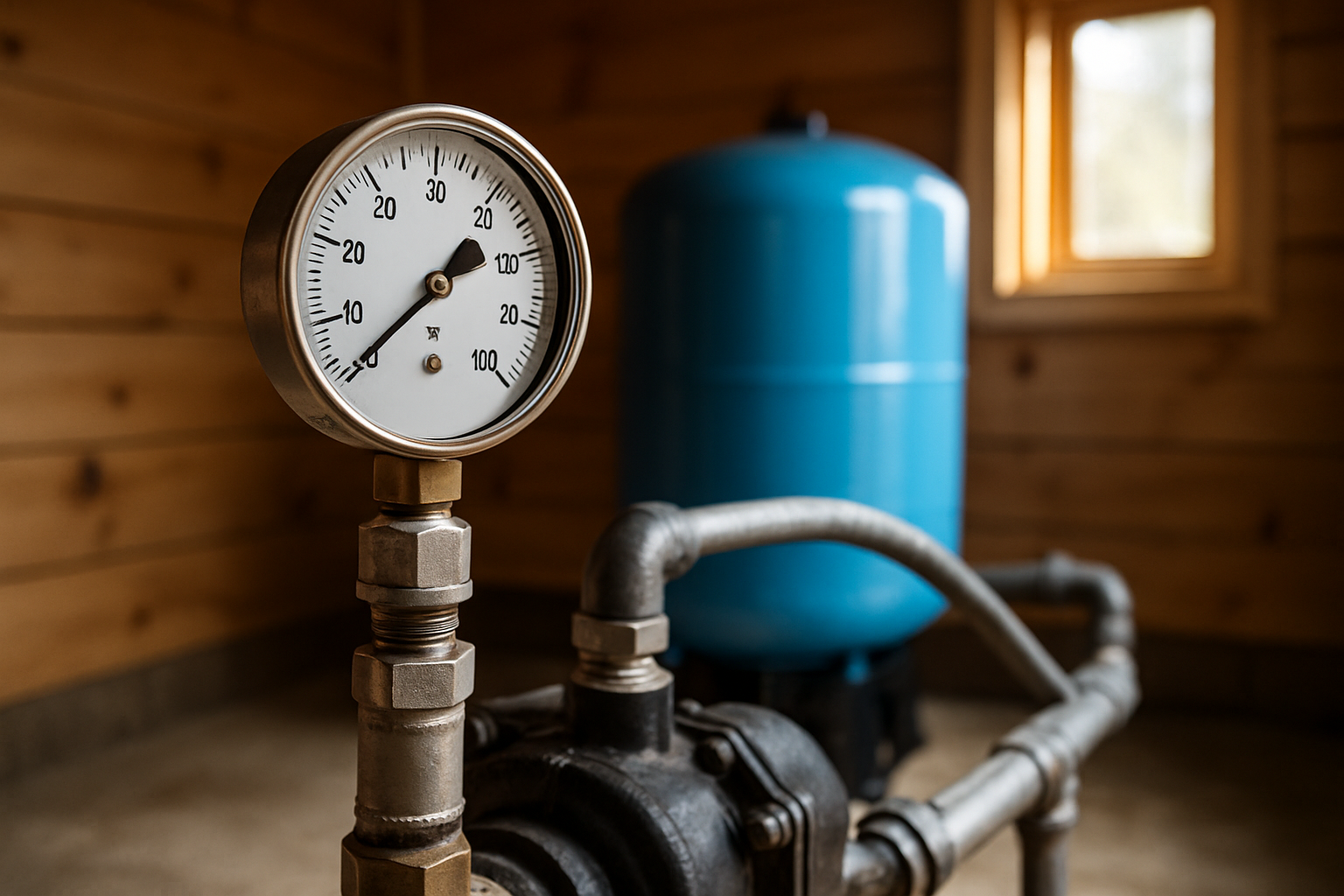
- Lower water pressure than previous years
Hydrofracturing for Low-Yield Wells in Jurupa Valley
Jurupa Valley is a young city in Riverside County, stretching across roughly 44 square miles north and west of the Santa Ana River and made up of long-standing communities like Mira Loma, Glen Avon, Rubidoux, and Pedley. The landscape mixes flat alluvial plains in the west with rolling foothills and the rugged Jurupa Mountains rising to the north. While much of the city is on municipal supply, the rural and large-lot properties — particularly toward the Jurupa Mountains and the older Mira Loma and Glen Avon parcels — still include private wells. Where those wells reach into the fractured rock of the foothills, hydrofracturing can restore yield for a fraction of the cost of a new well.
Here we cover how hydrofracturing works, why Jurupa Valley wells lose capacity, what to inspect before calling, and the real numbers.
How Hydrofracturing Boosts Yield
Hydrofracturing injects clean water at high pressure into your existing well to clean and widen the natural fractures in the surrounding rock. A technician isolates a section of the borehole with an inflatable packer and pumps water against it, often between 1,500 and 3,000 PSI. The pressure clears silt and mineral scale from the existing cracks and connects the well to fractures that had grown too tight to deliver water. In the fractured rock of the Jurupa Mountains and the consolidated material along the foothills, opening those pathways is what lifts the flow rate.
The process uses only clean water. No chemicals are involved, keeping it entirely separate from oil-field fracking.
Why Jurupa Valley Wells Decline
On the rural edges of Jurupa Valley, low yield usually comes from:
- Sediment and grit infiltration. Fine material from the alluvial plains and weathered foothill rock works into the screen and fractures, gradually restricting flow.
- Drought drawdown. Western Riverside County rides through dry multi-year cycles, and as the regional water table falls a marginal well runs short in summer.
- An underperforming new well. Drilling toward the foothills can miss the best fracture zones; hydrofracturing such a well is a routine remedy.
- Mineral scaling. Hard local groundwater leaves deposits that slowly narrow the flow paths over the years.
Domestic wells in the foothill areas around Jurupa Valley commonly run 250 to 700 feet deep, deeper as the ground rises toward the Jurupa Mountains.
What to Check Before You Call
- Note when you run short. Shortages only during heavy simultaneous use indicate a yield-and-recovery problem — hydrofracturing's specialty.
- Watch the pressure tank. Quick on-off cycling usually means a waterlogged tank or a failing pressure switch, both cheap repairs.
- Notice a pump that never stops. Continuous running without building pressure can mean the well is drawn down faster than it recovers.
- Check the taps for air. Sputtering faucets suggest the water level is reaching the pump intake during use.
- Locate your well log. Depth, static level, and the original tested yield give you a baseline against today's performance.
When to Call a Professional
If recovery has slowed, the well runs dry under normal demand, or output has fallen well below the original log, schedule a professional flow test. Hydrofracturing requires specialized high-pressure equipment and an experienced operator, so it is not a homeowner project. A licensed contractor baselines your yield, inspects the casing with a camera, and confirms your Jurupa Valley well is a candidate before any pressurized work begins.
Cost vs. New Well Drilling in Jurupa Valley
A hydrofracturing treatment typically costs $3,000 to $8,000, depending on depth and the number of zones, with the $125 diagnostic credited toward the job if you proceed. A new turnkey well in this part of Riverside County generally runs $18,000 to $42,000 with drilling, casing, pump, and surface equipment included.
If the issue turns out to be equipment, the repairs are far cheaper: $2,500 to $5,500 for a pump, $600 to $1,500 for a tank, and $150 to $350 for a pressure switch. Because hydrofracturing costs a fraction of a new well and often restores 2 to 5 times the prior flow, most Jurupa Valley owners try it first.
Serving Jurupa Valley and All of Riverside County
Southern California Well Service has founded in 2020 of well rehabilitation behind it. We are a licensed C-57 contractor with, offices in Ramona and Anza, and same-day emergency service when a property loses water. From Mira Loma and Glen Avon to Rubidoux, Pedley, and the slopes of the Jurupa Mountains, our technicians know the local foothill and alluvial geology and arrive ready to test and treat in one visit whenever the well permits.
What to Expect During a Jurupa Valley Service Visit
When we arrive at your Jurupa Valley property, the work follows a clear order. A pre-treatment flow test records exactly how much water the well delivers and how quickly it recovers, establishing the baseline. A downhole camera then surveys the casing and identifies the fracture zones in the foothill rock worth targeting. With packers set, the high-pressure injection runs zone by zone over about four to eight hours, and a post-treatment flow test confirms the improvement. You receive a documented before-and-after comparison.
Local Knowledge Across Jurupa Valley
From Mira Loma and Glen Avon up into the Jurupa Mountains, our technicians have learned how local wells behave across the city's mix of alluvial plain and fractured foothill rock. That experience lets us read a borehole quickly, set realistic expectations, and avoid recommending treatment on a well that will not respond. When hydrofracturing is not the right answer, we say so and lay out the alternatives clearly.
Protecting Your Well After Treatment
When hydrofracturing restores yield on a Jurupa Valley well, simple upkeep makes the gain last. Schedule a flow test every couple of years so any gradual decline appears early rather than during peak summer demand. Wells drawing from foothill and alluvial ground can take on fine sediment over time, so ask whether a sediment screen or periodic servicing fits your property. Keep your before-and-after flow records together; they give the next technician an instant read on the well's history and keep follow-up visits quick and affordable.
Frequently Asked Questions
Are there still well-water homes in Jurupa Valley?
Yes. Much of the city is on municipal water, but rural and large-lot properties — especially toward the Jurupa Mountains and the older Mira Loma and Glen Avon parcels — still rely on private wells. Wells reaching into the fractured foothill rock benefit most from hydrofracturing.
How much does hydrofracturing cost in Jurupa Valley?
Most treatments run $3,000 to $8,000 depending on depth and zones treated, far below the $18,000 to $42,000 cost of a new well. The $125 diagnostic is credited toward the work.
Will it work on a foothill well?
Wells drawing from fractured rock near the Jurupa Mountains respond best. Wells set in loose alluvium are weaker candidates, so we run a flow test and inspect the casing before recommending the work.
Does the process use chemicals?
No. It injects only clean water at high pressure and adds nothing to your aquifer. It shares a name with oil-field fracking but is a completely different, chemical-free process.
How long does it take?
A typical treatment takes 4 to 8 hours on site, and we usually verify the improvement within 24 to 48 hours by re-testing the well's flow.
How much can my yield improve?
In good fractured rock, owners commonly see 2 to 5 times their previous flow. We measure your yield before and after so the improvement is documented rather than guessed.
Ready to Restore Your Well?
If your Jurupa Valley well is producing less than it should, do not wait until it runs dry. Call Southern California Well Service at (760) 440-8520 or text us at (760) 219-5877 to schedule a flow test and honest evaluation. The $125 diagnostic is credited toward your hydrofracturing treatment, and same-day emergency service is available when you have no water.
Need Help With Your Well in Jurupa Valley?
Our expert technicians serve Jurupa Valley and all of Riverside County with professional well services.
Related Articles
Continue learning about well maintenance and troubleshooting

Signs Your Well Pump Is Failing
Catch pump problems early before you lose water completely.
Low Water Pressure From Well
Diagnose and fix pressure problems before they get worse.
Well Maintenance Guide
Keep your well running smoothly with regular maintenance.
Our Locations
1077 Main St, Ramona, CA 92065
57174 CA-371 (US Hwy 79), Anza, CA 92539