
Hydrofracturing Well Services in Kensington, CA
Is your well in Kensington producing less water than it used to? Hydrofracturing (also called hydrofracking) could be the solution to restore and even improve your well's water production without the expense of drilling a new well.
📋 In This Guide
- What is Hydrofracturing?
- Signs Your Kensington Well Needs Hydrofracturing
- The Hydrofracturing Process
- Cost vs. New Well Drilling in Kensington
- Why Choose SCWS for Hydrofracturing?
- Related Articles
Southern California Well Service provides professional hydrofracturing services throughout San Diego County to help homeowners and property owners increase their well yield.
What is Hydrofracturing?
Hydrofracturing is a well rehabilitation technique that uses high-pressure water to clean and expand existing fractures in the bedrock surrounding your well. This process:
- Clears mineral deposits and sediment blocking water flow
- Opens new pathways for groundwater to reach your well
- Can increase well yield by 2-10 times in many cases
- Extends the life of your existing well
Unlike oil and gas fracking, well hydrofracturing uses only clean water—no chemicals are involved.
Signs Your Kensington Well Needs Hydrofracturing
- Declining water production over time
- Well runs dry during peak usage
- Slow recovery rate after pumping
- Pump cycling on and off frequently
- Lower water pressure than previous years
The Hydrofracturing Process
- Initial Assessment: We evaluate your well's current yield and condition
- Equipment Setup: Specialized high-pressure equipment is positioned at your well
- Isolation: Packers seal off sections of the well for targeted treatment
- Pressurization: Water is pumped at 500-3,000 PSI to fracture bedrock
- Development: Well is cleaned and tested for improved yield
Cost vs. New Well Drilling in Kensington
In Kensington, drilling a new well can cost $15,000-$50,000+ depending on depth. Hydrofracturing typically costs a fraction of that—often $3,000-$8,000—making it an excellent first option before considering a new well.
Many Kensington wells that appear to be "going dry" can be successfully rehabilitated through hydrofracturing, saving homeowners tens of thousands of dollars.
Why Choose SCWS for Hydrofracturing?
- Founded 2020 · 60+ Years Family Heritage: We've rehabilitated thousands of wells across Southern California
- Licensed C-57 Contractor. CSLB License #1086994. Fully licensed for well drilling and service in California
- Specialized Equipment: Professional-grade hydrofracturing equipment
- Free Estimates: We'll assess your well and provide honest recommendations
Need Help With Your Well in Kensington?
Our expert technicians serve Kensington and all of San Diego County with professional well services.
Related Articles
Continue learning about well maintenance and troubleshooting

Signs Your Well Pump Is Failing
Catch pump problems early before you lose water completely.
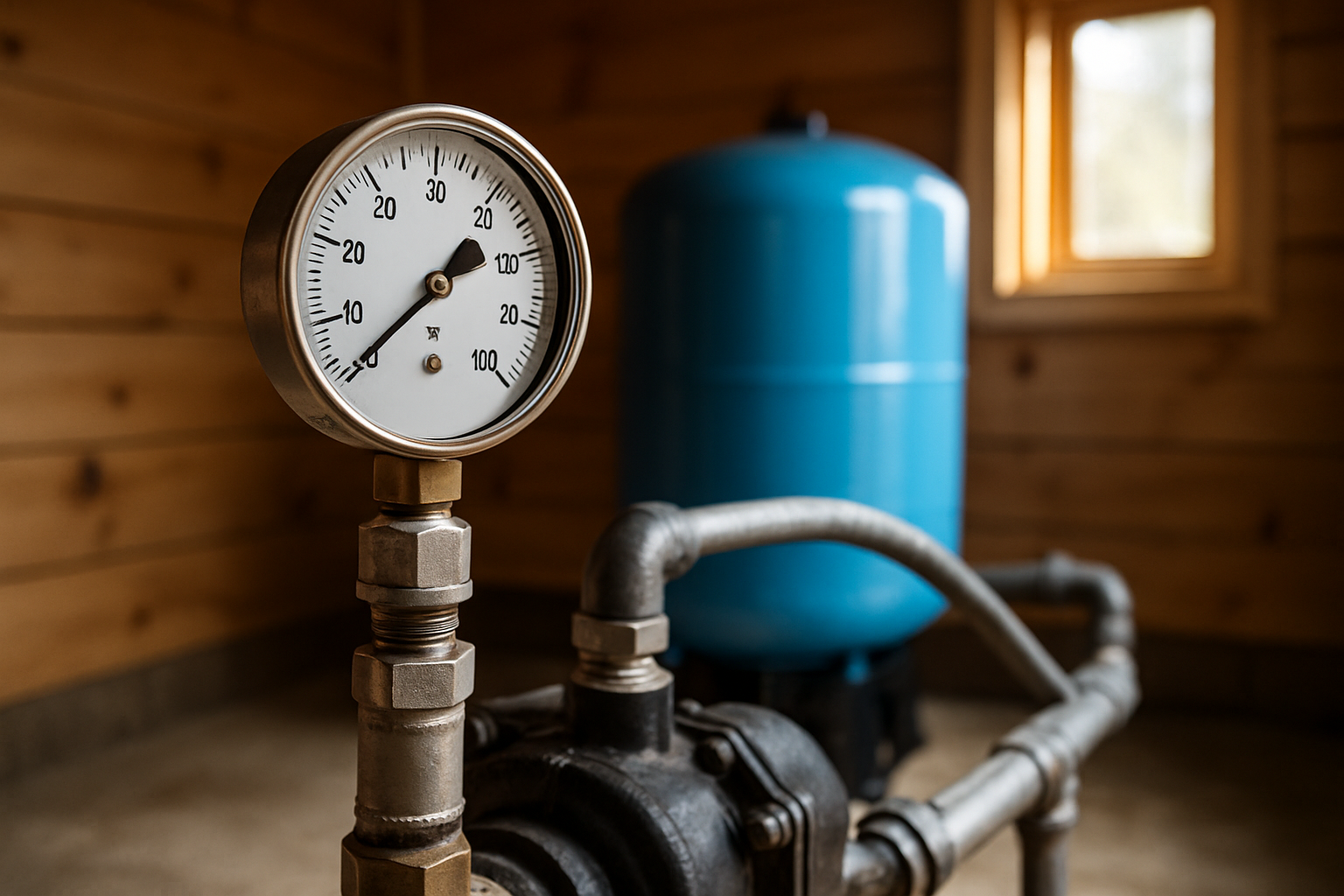
Low Water Pressure From Well
Diagnose and fix pressure problems before they get worse.
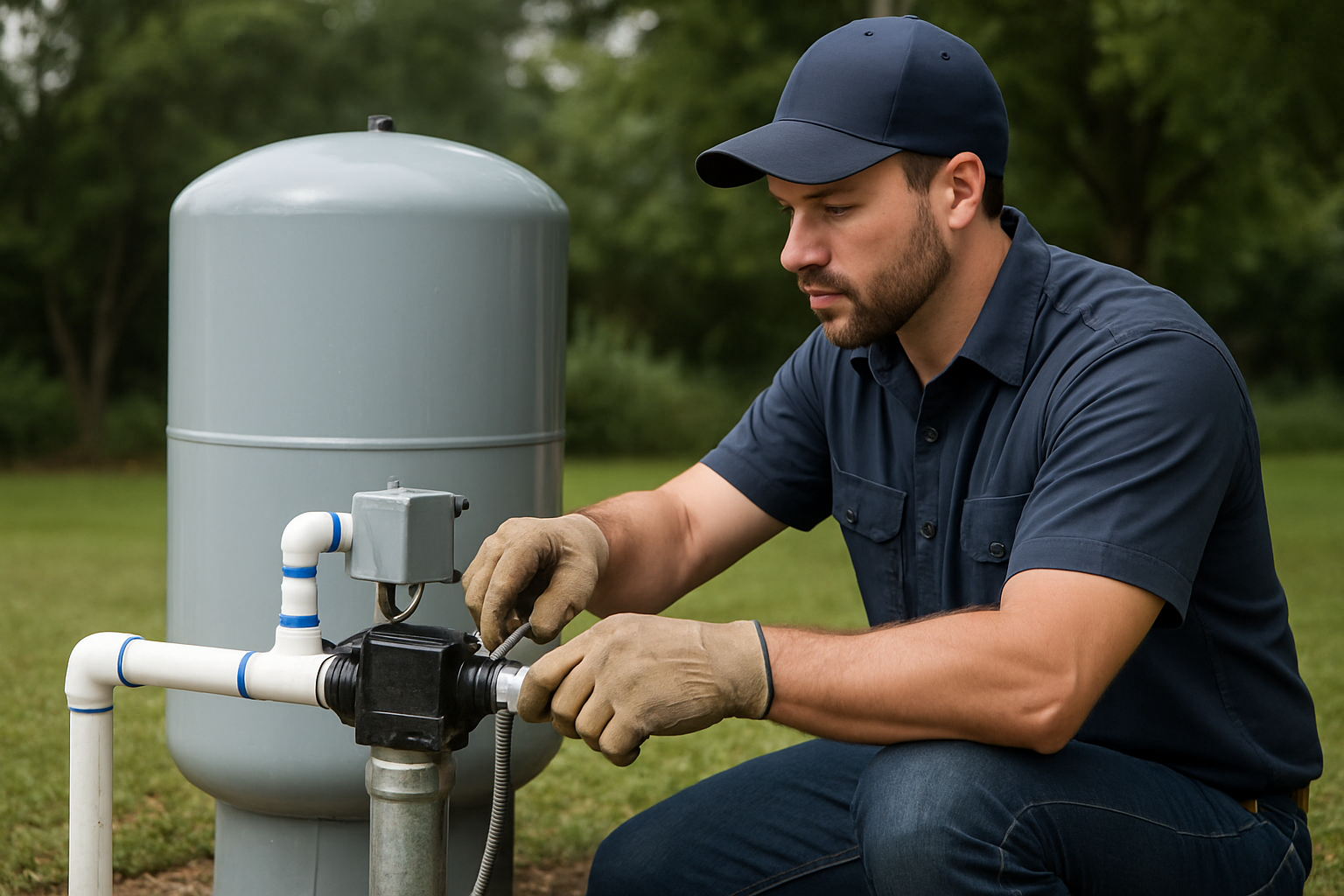
Well Maintenance Guide
Keep your well running smoothly with regular maintenance.
Our Locations
1077 Main St, Ramona, CA 92065
57174 CA-371 (US Hwy 79), Anza, CA 92539
Hydrofracturing for Low-Yield Wells in Kensington
When a private well in Kensington starts producing less water than it once did, the instinct is often to assume the well is dying and a costly new one is the only answer. In most cases, that is not true. Kensington sits on the inland mesas of central San Diego County, near Normal Heights and Talmadge, where the underlying geology trends toward decomposed granite and fractured crystalline bedrock, and bedrock wells in this kind of formation are precisely the wells that respond best to hydrofracturing. By reopening and connecting the natural fractures that feed your well, we can frequently restore strong production for a fraction of what a new well would cost.
Hydrofracturing, sometimes written hydrofracking, is a well rehabilitation technique, not a drilling method. It uses nothing but clean water under high pressure to clear and widen the existing cracks in the rock around your borehole. For homeowners on the historic neighborhoods and canyon-edge parcels around Kensington and nearby Talmadge, it has rescued many wells that appeared to be failing.
How the Process Works in Hard Bedrock
Your well does not draw water from a single underground pool. It draws from a network of fractures running through the surrounding rock. Over the years, those fractures fill with mineral scale and fine sediment, and the well slowly loses its connection to the groundwater moving through the formation. Hydrofracturing reverses that decline.
We lower an inflatable packer into the well to isolate a target section below the casing, then inject water at pressures that build into the thousands of PSI. That pressure flushes the clogged fractures clean and, just as importantly, extends them outward to intersect additional water-bearing cracks the well could not previously reach. The result is a well that is hydraulically reconnected to far more of the aquifer. The injection phase usually takes four to eight hours at the wellhead.
Signs Your Kensington Well May Benefit
- Steadily declining output over several years with no equipment fault to explain it
- Running dry during peak demand such as summer irrigation or back-to-back showers
- Slow recovery where the well takes a long time to refill after heavy use
- Frequent pump cycling as the pump struggles against a starved well
- A new well that disappointed, drilled into rock but never reaching the expected yield
If one or more of these describes your situation and your well is set in fractured bedrock, hydrofracturing deserves a serious look before you spend on a replacement.
Realistic Results in Central San Diego County
We are candid about outcomes because trust matters more than a single sale. Across the decomposed granite and fractured crystalline rock that underlies much of central San Diego County, hydrofracturing improves yield in roughly 70 to 80 percent of the wells we treat. The typical gain is two to five times the pre-treatment flow rate, and occasionally more when the pressure connects to a productive fracture nearby. Wells in hard, fractured rock respond best. Wells in loose sand or gravel do not respond at all, which is why we confirm your geology before recommending the work. We measure your yield before and after and hand you a documented before-and-after comparison.
Cost Compared to Drilling a New Well
The financial case is straightforward. Hydrofracturing an existing Kensington well typically costs $3,000 to $8,000. Drilling a replacement well runs $15,000 to $50,000 or more depending on depth, and a complete turnkey new well, including pump and equipment, generally falls between $18,000 and $42,000. Because hydrofracturing costs a fraction of redrilling and can be done in a single day on site, it is the logical first step. If it succeeds, you keep your existing well and save tens of thousands of dollars. If it does not deliver enough improvement, you have lost relatively little and can move to deepening or a new well with better information about your formation.
What to Expect From Start to Finish
- Pre-treatment flow test to establish your current yield as a baseline
- Video inspection to confirm the casing is sound and to locate the fracture zones worth targeting
- Hydrofracturing, the high-pressure injection at the identified zones, over four to eight hours
- Post-treatment flow test to verify the improvement, usually within 24 to 48 hours
- Results report documenting the before-and-after numbers so you know exactly what you gained
Why Kensington Homeowners Choose SCWS
Southern California Well Service is a licensed C-57 well contractor, CSLB License #1086994, founded in 2020, with 60+ years of family heritage and thousands of well rehabilitations across the region. We bring professional-grade hydrofracturing equipment, an honest assessment of whether your well is a genuine candidate, with our customers. We work from our Ramona office at 1077 Main St and our Anza office at 57174 CA-371 (US Hwy 79), and we offer same-day emergency service when you are out of water. Your initial diagnostic is $125 and is credited toward the work you choose. Call us at (760) 440-8520 or text (760) 219-5877 to find out whether hydrofracturing can restore your Kensington well.
Serving Kensington and Surrounding San Diego County Communities
Our hydrofracturing crews regularly cover Kensington, Talmadge, Normal Heights, Kensington Park, and the broader inland mesa neighborhoods of central San Diego County, along with the rural parcels farther east where private wells are common. Being a genuinely local contractor matters for this work: we already understand how wells behave in the decomposed granite of this region, which shortens diagnosis and improves the odds that a treatment delivers. When you call, you reach a team that has stood at wellheads exactly like yours.
Protecting Your Investment After Treatment
A successful hydrofracturing job restores yield, but a little follow-up care keeps it strong. We recommend periodic flow monitoring so you notice any renewed decline early, attention to water hardness since mineral scale is what clogs fractures in the first place, and a pump sized to match the well's improved capacity. Many Kensington homeowners pair a hydrofracturing treatment with a fresh pump assessment, ensuring the equipment can take full advantage of the well's restored production rather than bottlenecking it.
What Sets a Good Candidate Apart
Not every low-yield well benefits equally from hydrofracturing, and understanding the difference helps you make a confident decision. The strongest candidates share a few traits: the well is drilled into competent fractured bedrock, the casing is structurally sound, and the well historically produced more water than it does today, suggesting that clogged or limited fractures, rather than a genuinely dry formation, are the cause. When a Kensington well shows these characteristics, the probability of a meaningful yield gain is high. We assess each of these factors during the diagnostic so that we only recommend treatment when the evidence supports it, and we explain our reasoning so you understand exactly why your well is or is not a good fit. That transparency is the foundation of how we work, and it is why so many of our customers come from neighbor referrals.
Frequently Asked Questions
Is my Kensington well a good candidate for hydrofracturing?
Hydrofracturing works best on wells drilled into hard, fractured bedrock, which describes much of the terrain in and around Kensington and the inland mesas of central San Diego County. If your well draws from decomposed granite or fractured crystalline rock and its yield has declined, it is usually a strong candidate. Wells set in loose sand or gravel are not good candidates, so we always confirm your geology before recommending the treatment.
How much can hydrofracturing improve my well's yield?
In San Diego County's fractured bedrock, we typically see a 2-to-5-times improvement in flow rate, and occasionally more, with success in roughly 70-80% of wells we treat. Results depend on whether there are nearby fractures the high-pressure water can connect to. We measure your yield before and after so the improvement is documented, not just promised.
How long does the hydrofracturing process take?
The high-pressure injection itself usually runs four to eight hours on site. Before that we perform a baseline flow test and a video inspection, and afterward we run a post-treatment flow test, typically confirming the new yield within 24 to 48 hours. Most Kensington jobs are completed in a single day on site.
How much does hydrofracturing cost compared to a new well?
Hydrofracturing generally costs $3,000-$8,000, while a new well in this area runs $15,000-$50,000 or more, and a full turnkey new well can range $18,000-$42,000. Because it costs a fraction of redrilling, hydrofracturing is the sensible first step before you consider a more expensive option.
Are any chemicals used in the process?
No. Well hydrofracturing uses only clean water under pressure. It is completely different from oil-and-gas fracking. Nothing is added to your groundwater, which is why it is a safe rehabilitation method for a residential drinking-water well.
What if hydrofracturing does not increase my yield enough?
If a treated well still cannot meet your needs, the next steps are typically deepening the existing well or drilling a new one, and we will give you an honest assessment of which makes sense. Our diagnostic is $125 and is credited toward whatever service you choose, so the evaluation pays for itself.