
Hydrofracturing Well Services in La Presa, CA
Is your well in La Presa producing less water than it used to? Hydrofracturing (also called hydrofracking) could be the solution to restore and even improve your well's water production without the expense of drilling a new well.
📋 In This Guide
- What is Hydrofracturing?
- Signs Your La Presa Well Needs Hydrofracturing
- The Hydrofracturing Process
- Cost vs. New Well Drilling in La Presa
- Why Choose SCWS for Hydrofracturing?
- Related Articles
Southern California Well Service provides professional hydrofracturing services throughout San Diego County to help homeowners and property owners increase their well yield.
What is Hydrofracturing?
Hydrofracturing is a well rehabilitation technique that uses high-pressure water to clean and expand existing fractures in the bedrock surrounding your well. This process:
- Clears mineral deposits and sediment blocking water flow
- Opens new pathways for groundwater to reach your well
- Can increase well yield by 2-10 times in many cases
- Extends the life of your existing well
Unlike oil and gas fracking, well hydrofracturing uses only clean water—no chemicals are involved.
Signs Your La Presa Well Needs Hydrofracturing
- Declining water production over time
- Well runs dry during peak usage
- Slow recovery rate after pumping
- Pump cycling on and off frequently
- Lower water pressure than previous years
The Hydrofracturing Process
- Initial Assessment: We evaluate your well's current yield and condition
- Equipment Setup: Specialized high-pressure equipment is positioned at your well
- Isolation: Packers seal off sections of the well for targeted treatment
- Pressurization: Water is pumped at 500-3,000 PSI to fracture bedrock
- Development: Well is cleaned and tested for improved yield
Cost vs. New Well Drilling in La Presa
In La Presa, drilling a new well can cost $15,000-$50,000+ depending on depth. Hydrofracturing typically costs a fraction of that—often $3,000-$8,000—making it an excellent first option before considering a new well.
Many La Presa wells that appear to be "going dry" can be successfully rehabilitated through hydrofracturing, saving homeowners tens of thousands of dollars.
Why Choose SCWS for Hydrofracturing?
- Founded 2020 · 60+ Years Family Heritage: We've rehabilitated thousands of wells across Southern California
- Licensed C-57 Contractor. CSLB License #1086994. Fully licensed for well drilling and service in California
- Specialized Equipment: Professional-grade hydrofracturing equipment
- Free Estimates: We'll assess your well and provide honest recommendations
Need Help With Your Well in La Presa?
Our expert technicians serve La Presa and all of San Diego County with professional well services.
Related Articles
Continue learning about well maintenance and troubleshooting

Signs Your Well Pump Is Failing
Catch pump problems early before you lose water completely.
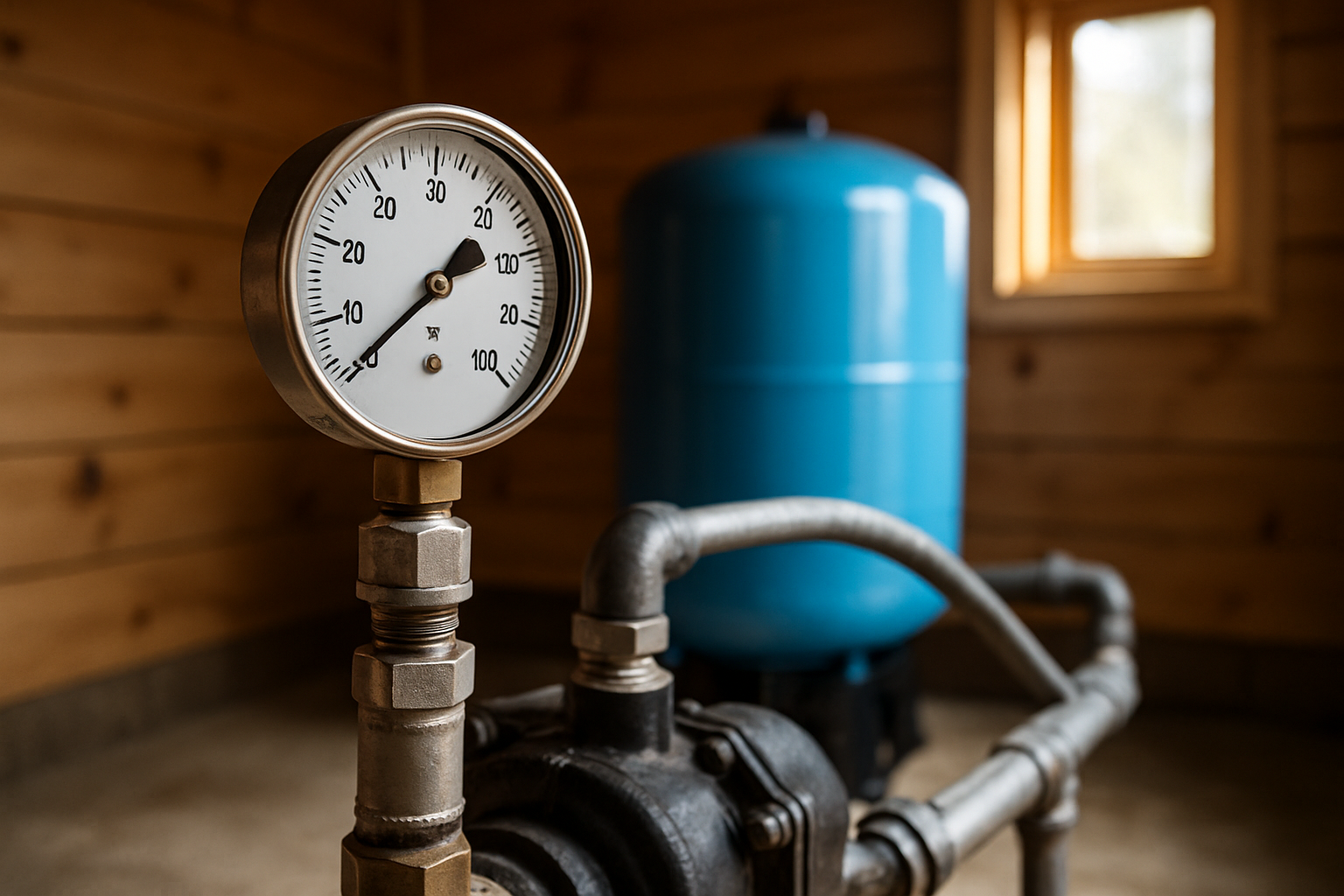
Low Water Pressure From Well
Diagnose and fix pressure problems before they get worse.
Well Maintenance Guide
Keep your well running smoothly with regular maintenance.
Our Locations
1077 Main St, Ramona, CA 92065
57174 CA-371 (US Hwy 79), Anza, CA 92539
Reviving a Declining La Presa Well With Hydrofracturing
A weakening well in La Presa does not automatically mean it is time to drill a new one. La Presa lies in the inland hills of southern San Diego County, adjoining Spring Valley and the Sweetwater area, where wells commonly tap decomposed granite and fractured crystalline bedrock, and wells in that hard-rock setting are strong candidates for hydrofracturing. By cleaning and extending the natural fractures that supply the well, this technique can restore robust water production for a small fraction of what replacement would cost.
Hydrofracturing, also called hydrofracking, is purely a clean-water rehabilitation method. No chemicals are used, and it has no connection to oil-and-gas operations. Across the hillside parcels of La Presa and adjacent Spring Valley and Casa de Oro, it has brought tired wells back to life.
What Happens Underground
A bedrock well is fed by a system of fractures threading through the rock. Over years of use, mineral scale and sediment clog those fractures, and the well gradually loses its link to the moving groundwater. The pump and casing can be perfectly fine while the well still underperforms, because the real limit is the choked fracture network.
To correct it, we set inflatable packers to isolate a section of the borehole and inject clean water at high pressure. That pressure flushes the existing fractures and pushes them outward to meet additional water-bearing cracks, expanding the well's reach into the aquifer. The injection itself takes four to eight hours at the wellhead.
Signs Your La Presa Well Is a Candidate
- Production that has dropped off over several years
- The well running dry under peak household or irrigation demand
- Slow recovery after the pump draws the water level down
- A pump that short-cycles while battling a starved well
- A newer rock well that never met its promised yield
When these appear on a well drilled into the fractured bedrock common around La Presa and Spring Valley, hydrofracturing is well worth evaluating.
Realistic Outcomes
We give honest numbers. In the decomposed granite and fractured crystalline rock of southern San Diego County, hydrofracturing improves yield in about 70 to 80 percent of treated wells, with typical gains of two to five times the prior flow. Success depends on connecting to productive fractures nearby. Hard-rock wells respond; wells in loose sand or gravel do not, which is why we confirm your formation before recommending the work. Measured flow tests before and after give you a documented result.
Comparing the Costs
Hydrofracturing a La Presa well typically costs $3,000 to $8,000. Drilling a new well in this part of the county runs $15,000 to $50,000 or more, and a full turnkey new well with pump and equipment generally falls between $18,000 and $42,000. Since hydrofracturing is a fraction of that and usually completes in a single day on site, it is the smart first option. A success keeps your existing well and saves you many thousands; even an underwhelming result leaves you better informed before you consider deepening or replacement.
The Treatment Process
- Pre-treatment flow test to set your baseline yield
- Video inspection to confirm casing condition and locate fracture zones
- Hydrofracturing at the targeted zones, lasting four to eight hours
- Post-treatment flow test to verify the gain within 24 to 48 hours
- Results report documenting the before-and-after comparison
Why La Presa Chooses Southern California Well Service
We are a licensed C-57 contractor, CSLB License #1086994, founded in 2020, with 60+ years of family heritage, thousands of well rehabilitations. We carry professional hydrofracturing equipment and give you a straight answer about whether your well qualifies. Our offices sit in Ramona (1077 Main St) and Anza (57174 CA-371 (US Hwy 79)), and we offer same-day emergency service. The $125 diagnostic is credited toward your service. Call (760) 440-8520 or text (760) 219-5877 to learn whether hydrofracturing can restore your La Presa well.
Serving La Presa, Spring Valley, and Southern San Diego County
We cover La Presa, Spring Valley, Casa de Oro, Rancho San Diego, and the surrounding hillside communities of southern San Diego County, where bedrock wells in decomposed granite are the norm. Treating these wells well requires knowing the local rock, and our crews have spent years on exactly these formations. That experience lets us judge candidacy accurately and target the injection where it will do the most good, which is why our La Presa customers see reliable results.
Maintaining Your Well After Hydrofracturing
Once a treatment restores your yield, simple maintenance preserves it. Keep an eye on your flow so any renewed decline is caught early, address water hardness to slow the mineral buildup that clogs fractures, and make sure your pump suits the well's improved capacity. A number of La Presa homeowners combine hydrofracturing with a pump check, so the system as a whole takes full advantage of the well's revived production instead of leaving gains on the table.
Making the Most of Your Diagnostic Visit
The diagnostic is where the right decision gets made, so it pays to get the most from it. Before we arrive at your La Presa property, it helps to gather any records you have on the well, including its original drilling depth, the date and details of the pump installation, and any history of past yield or pressure problems. During the visit we measure your current yield, inspect the casing and fracture zones by camera where useful, and discuss how your household uses water through the year. With that picture in hand, we can tell you not only whether hydrofracturing is likely to help but how much improvement is realistic for your specific well. The $125 fee is credited toward whatever work you choose, so the evaluation is essentially free if you proceed, and genuinely useful even if you do not.
How a Restored Well Pays Off Over Time
The value of reviving a La Presa well extends well beyond the day the work is finished. A well restored to strong yield supports your household and landscape reliably for years, often deferring or entirely avoiding the much larger cost of a replacement well. It also protects your property's value, since a dependable water source is a genuine asset on a rural or semi-rural parcel. And because hydrofracturing extends the productive life of the well you already own, it is the resource-conscious choice as well as the economical one. When we evaluate your well, we are weighing not just whether a treatment will work today but whether it represents sound long-term value for your specific situation, and we will tell you frankly if a different path would serve you better over the years ahead.
Scheduling Your La Presa Evaluation
Beginning the process is easy. A brief conversation about your well's history and symptoms lets us schedule a diagnostic at your convenience. Our crew arrives equipped to measure yield and inspect the well, and we usually provide a clear recommendation on the spot. When hydrofracturing is appropriate, we can frequently arrange the treatment quickly, with the on-site work generally finishing in one day. If another approach fits your well better, we explain the choices and their costs candidly so the decision is entirely yours.
Frequently Asked Questions
Is hydrofracturing right for a La Presa well?
La Presa sits in the inland hills of southern San Diego County near Spring Valley, where wells often reach decomposed granite and fractured bedrock. Those hard-rock formations respond well to hydrofracturing, so a declining well here is frequently a good candidate. We always confirm with a video inspection, since wells in loose sand or gravel are not suited to the process.
How big an improvement can I expect?
Where the well draws from fractured rock, a 2-to-5-times increase in flow is typical, and we succeed in about 70-80% of wells we treat. The result depends on the fractures available to connect to. We measure and document your yield before and after.
How long will the job take and is it messy?
The injection runs four to eight hours at the wellhead, with no digging up of your property. Including the baseline test and inspection, most La Presa jobs are completed in one day on site, and we leave the area tidy.
What is the cost compared with a new well?
Hydrofracturing generally runs $3,000-$8,000. A new well in this area can cost $15,000-$50,000 or more, with turnkey projects typically $18,000-$42,000. Trying hydrofracturing first is the cost-effective move.
Are chemicals or additives used?
None. The process uses only clean, high-pressure water to open existing fractures in the bedrock. Your drinking water is not exposed to any additives, and it bears no resemblance to oil-and-gas fracking.
What if my well still does not produce enough?
If a treated La Presa well falls short, deepening it or drilling a new one are the next options, and we will recommend honestly. The $125 diagnostic is credited toward whatever service you choose.