
Hydrofracturing Well Services in Lake Matthews, CA
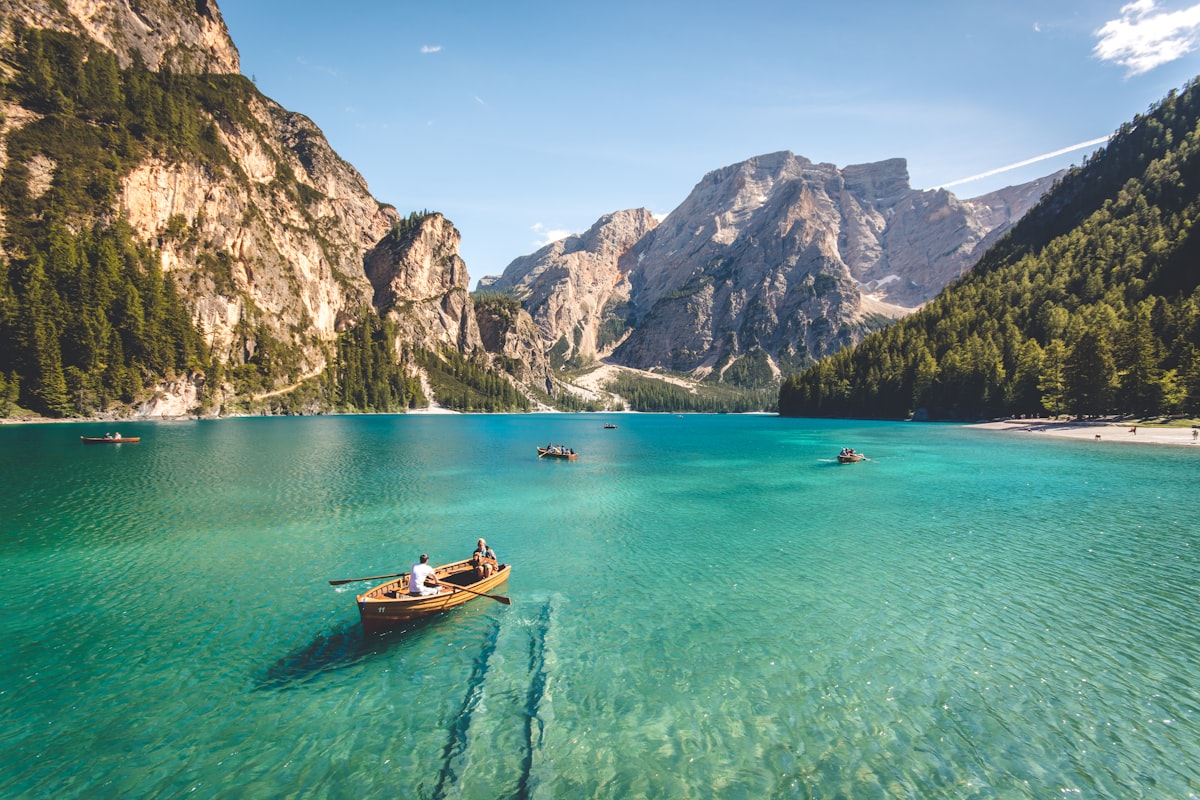
Is your well in Lake Matthews producing less water than it used to? Hydrofracturing (also called hydrofracking) could be the solution to restore and even improve your well's water production without the expense of drilling a new well.
📋 In This Guide
- What is Hydrofracturing?
- Signs Your Lake Matthews Well Needs Hydrofracturing
- The Hydrofracturing Process
- Cost vs. New Well Drilling in Lake Matthews
- Why Choose SCWS for Hydrofracturing?
- Related Articles
Southern California Well Service provides professional hydrofracturing services throughout Riverside County to help homeowners and property owners increase their well yield.
What is Hydrofracturing?
Hydrofracturing is a well rehabilitation technique that uses high-pressure water to clean and expand existing fractures in the bedrock surrounding your well. This process:
- Clears mineral deposits and sediment blocking water flow
- Opens new pathways for groundwater to reach your well
- Can increase well yield by 2-10 times in many cases
- Extends the life of your existing well
Unlike oil and gas fracking, well hydrofracturing uses only clean water—no chemicals are involved.
Signs Your Lake Matthews Well Needs Hydrofracturing
- Declining water production over time
- Well runs dry during peak usage
- Slow recovery rate after pumping
- Pump cycling on and off frequently
- Lower water pressure than previous years
The Hydrofracturing Process
- Initial Assessment: We evaluate your well's current yield and condition
- Equipment Setup: Specialized high-pressure equipment is positioned at your well
- Isolation: Packers seal off sections of the well for targeted treatment
- Pressurization: Water is pumped at 500-3,000 PSI to fracture bedrock
- Development: Well is cleaned and tested for improved yield
Cost vs. New Well Drilling in Lake Matthews
In Lake Matthews, drilling a new well can cost $15,000-$50,000+ depending on depth. Hydrofracturing typically costs a fraction of that—often $3,000-$8,000—making it an excellent first option before considering a new well.
Many Lake Matthews wells that appear to be "going dry" can be successfully rehabilitated through hydrofracturing, saving homeowners tens of thousands of dollars.
Why Choose SCWS for Hydrofracturing?
- Founded 2020 · 60+ Years Family Heritage: We've rehabilitated thousands of wells across Southern California
- Licensed C-57 Contractor. CSLB License #1086994. Fully licensed for well drilling and service in California
- Specialized Equipment: Professional-grade hydrofracturing equipment
- Free Estimates: We'll assess your well and provide honest recommendations
Need Help With Your Well in Lake Matthews?
Our expert technicians serve Lake Matthews and all of Riverside County with professional well services.
Related Articles
Continue learning about well maintenance and troubleshooting
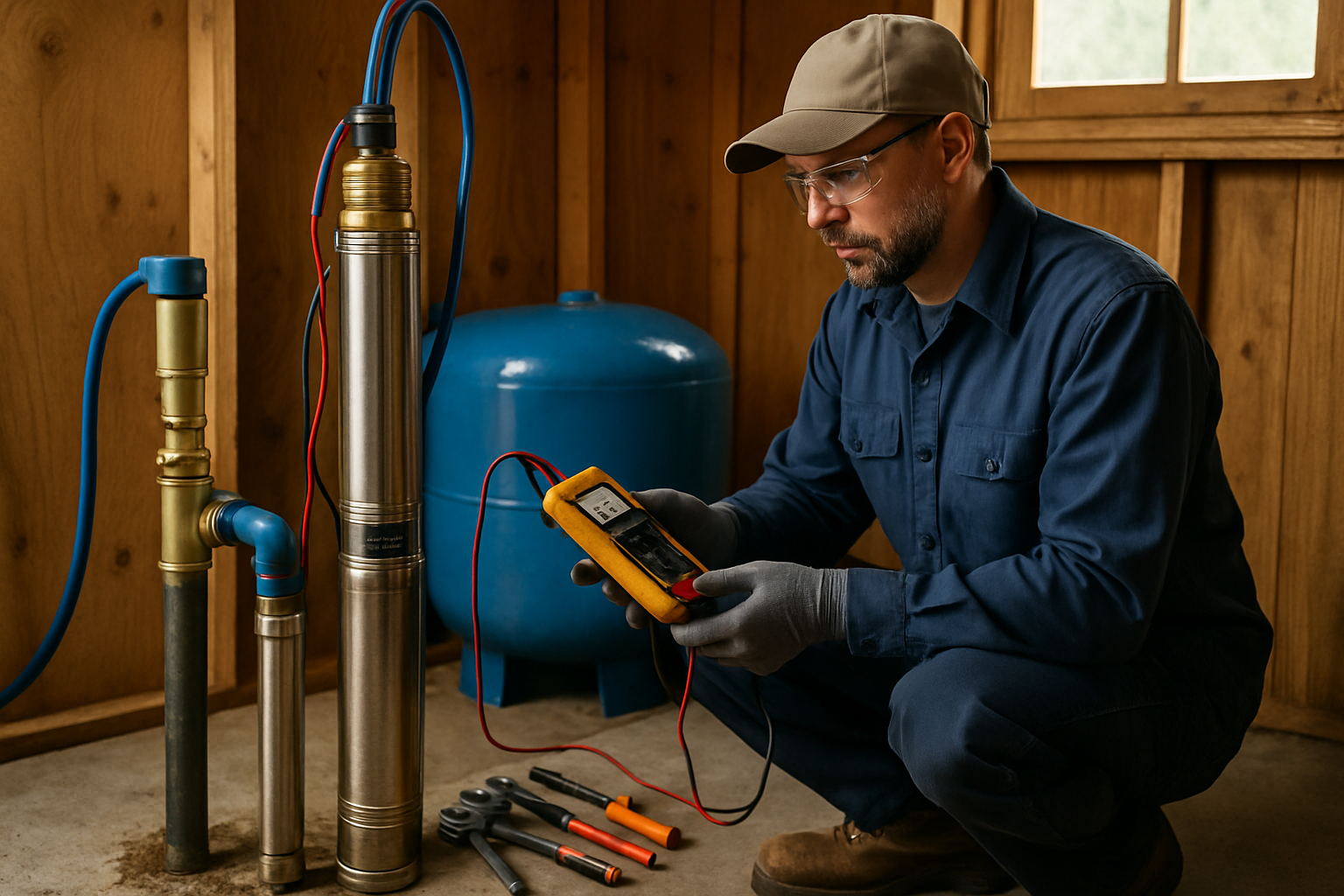
Signs Your Well Pump Is Failing
Catch pump problems early before you lose water completely.
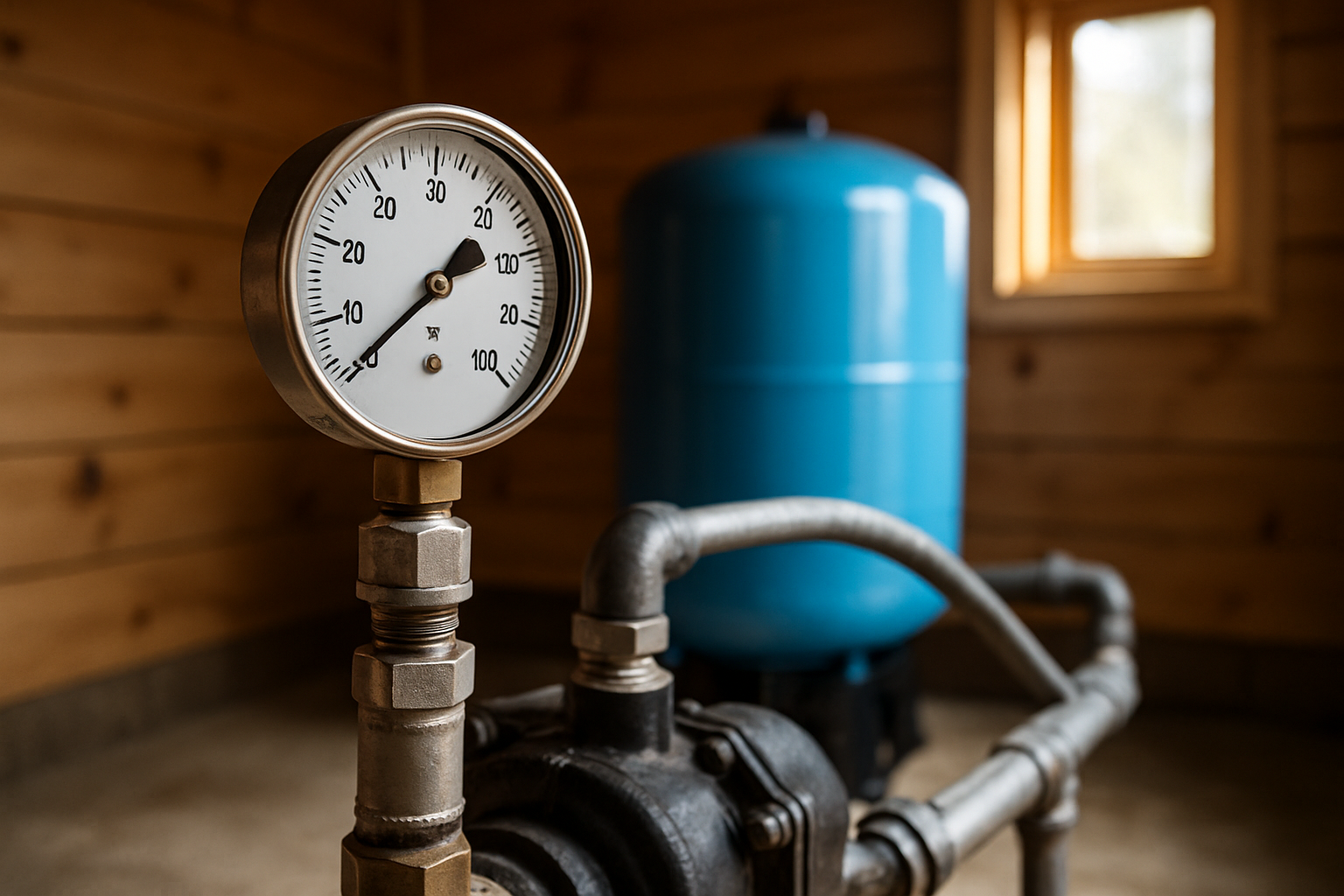
Low Water Pressure From Well
Diagnose and fix pressure problems before they get worse.
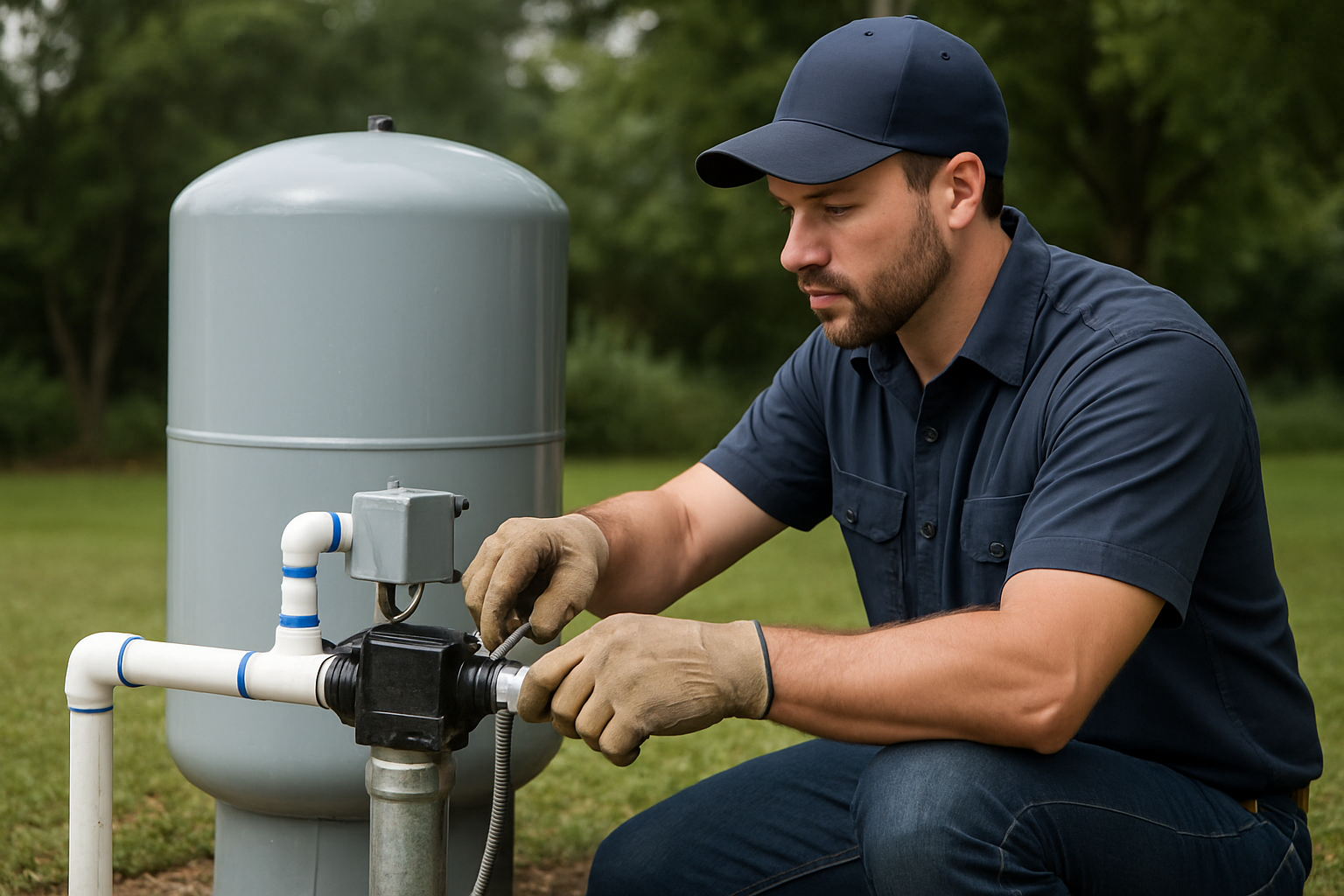
Well Maintenance Guide
Keep your well running smoothly with regular maintenance.
Our Locations
1077 Main St, Ramona, CA 92065
57174 CA-371 (US Hwy 79), Anza, CA 92539
Hydrofracturing for Lake Matthews Ranch and Rural Wells
The Lake Matthews area sits in the Gavilan Hills southwest of the city of Riverside, a stretch of rural Riverside County where ranchettes, horse properties, and large-lot homes spread across granite hills between Woodcrest, Mead Valley, and El Sobrante. Many of these properties sit beyond district water mains and rely on private wells drilled into the hard crystalline rock of the Gavilan and Temescal foothills. That fractured-granite setting is precisely where hydrofracturing earns its keep, restoring or boosting yield on wells that have slowed over the years without the expense of starting over with a new borehole.
Granite Hills, Fracture-Fed Wells
Unlike a well on a valley floor that draws from deep sand and gravel, a Lake Matthews-area well typically pulls water from the joints and fracture zones threading through the Gavilan Hills granite. The well only yields as much as those seams can deliver, and over time the seams tighten. Mineral scale, fine clay, and iron deposits accumulate along the fracture faces and slowly throttle the flow into the borehole. The result is a well that once kept up with the house, the corrals, and a little irrigation but now struggles by late afternoon and recovers sluggishly overnight. The water is still in the hills — the path into your well has simply narrowed.
How the Treatment Reopens the Rock
Hydrofracturing uses clean water and pressure, nothing else. We seal off a section of your well with inflatable packers, then inject water into that isolated zone at pressures that generally range from 1,000 to 3,000 PSI. The pressure clears packed sediment from existing fractures and coaxes the granite to open wider and farther, reconnecting your well to seams that had silted shut. Because the Gavilan Hills bedrock is genuinely hard and fractured, the new openings hold, which is why wells in this terrain respond so reliably. There are no chemicals involved at any point.
Good Candidates Around Lake Matthews
- The aging ranch well: reliable for years, now too slow for a busy property with animals and landscaping.
- The weak new well: a recently drilled granite well that came in under the flow you were promised.
- The dry-season shortfall: a well that handles winter fine but cannot keep pace through a hot Riverside summer.
- The short-cycling pump: a pump cutting on and off because the well cannot supply it steadily.
Granite-hosted wells like these are the technique's best targets. The exception is a property whose well happens to draw from a pocket of decomposed-granite sand or shallow alluvium rather than solid rock; those are not good candidates, and we identify them during the assessment so you don't pay for treatment that won't help.
Before You Conclude the Well Is the Problem
Low water at the tap does not always mean a tired well. Start by checking the pressure tank and switch — a waterlogged tank or a worn switch drops your household pressure no matter how strong the well is. See whether the problem is everywhere or just one fixture with a clogged aerator. On a property where the pump runs hard for irrigation and livestock, a worn or undersized pump can also masquerade as a yield problem. When those are ruled out and the well plainly makes less water than it used to, with slow recovery after each draw, the cause is almost certainly a tightening fracture network — the situation hydrofracturing is built to correct.
What the Job Looks Like
- Baseline flow test: we measure your current gallons-per-minute and static and pumping water levels.
- Downhole camera survey: a video inspection checks casing integrity and pinpoints the fracture zones to treat.
- Packer isolation and injection: we seal the target interval and pump clean water in for roughly four to eight hours.
- Post-treatment test and report: after the well settles for a day or two, we re-measure and hand you documented results.
Cost Versus a New Well
Drilling a new well in the Gavilan Hills is a significant investment, usually $18,000 to $42,000 turnkey depending on depth and access across rough rural lots. Hydrofracturing an existing granite well typically costs $3,000 to $8,000 and improves yield in roughly 70 to 80 percent of suitable wells, commonly two to five times the starting flow. For most Lake Matthews-area owners weighing rehabilitation against replacement, testing and treating the existing well is the sensible first step. Our diagnostic visit is $125, credited toward the work if you move ahead.
Serving Lake Matthews and Southwest Riverside County
Southern California Well Service has cared for rural wells across Riverside County since 2020, including the Gavilan Hills communities around Lake Matthews, Woodcrest, Mead Valley, and El Sobrante. We are a licensed C-57 water well contractor (CSLB #1086994) with CSLB #1086994 and same-day emergency service, and we understand the heavier demands of ranch and equestrian properties, where a well has to supply far more than an ordinary household. When a property in the hills loses water, we move quickly.
Ranchettes Above the Reservoir
The hills around Lake Matthews have stayed rural in a way much of inland Riverside County has not. The reservoir itself is a protected drinking-water source ringed by open space, and the surrounding Gavilan Hills have filled in with ranchettes, equestrian properties, and custom homes on multi-acre lots rather than dense subdivisions. That land-use pattern keeps a lot of households on private wells, and it means those wells frequently carry a heavy load — barns, arenas, fruit trees, and irrigated pasture on top of ordinary domestic use. A granite well that was perfectly adequate for a house can fall behind once a property adds animals and landscaping, and the slow afternoon recovery that follows is often read as a failing well when it is really a well that has quietly lost a fraction of its original output to mineral buildup.
Seasonal Demand on a Gavilan Hills Well
Demand here peaks exactly when supply is tightest. Through a hot Riverside summer, irrigation and livestock watering can double or triple a property's draw just as the fracture seams feeding the well are at their seasonal low. A well with comfortable margin rides that out; a well that has lost ground to scale and sediment hits the wall, short-cycling the pump and leaving troughs and drip lines starved by evening. We use that summer stress as part of the diagnosis. If your Lake Matthews-area well keeps up all winter and only struggles under peak warm-season demand, and the decline has built gradually over years, it is a strong sign that reopening the fracture network will give you back the headroom you need — without the cost of a deeper or additional well.
Protecting a Long-Term Investment
For a rural property in the Lake Matthews hills, the well is not a minor utility — it is core infrastructure that determines what the land can support and what it is worth. A horse property with a failing well loses the ability to keep animals; a custom home with an unreliable supply is a harder sell. That is why we treat a yield problem here as a question of protecting an investment, not just fixing a nuisance. Rehabilitating a fractured-rock well through hydrofracturing typically restores it for a fraction of the cost of a replacement well, and it does so without the scars a new drilling operation leaves across a finished property — the access ruts, the spoil pile, the disrupted landscaping. When we document a well's before-and-after flow, that record also gives an owner something concrete to show a future buyer or appraiser: proof that the property's water source has been tested, treated, and verified. For owners planning to stay, it restores day-to-day reliability; for those thinking ahead, it safeguards the value tied up in dependable water.
Frequently Asked Questions
Is the Gavilan Hills granite good for hydrofracturing?
Yes. Hard, fractured granite is the ideal formation — it holds the widened seams open after treatment, which is why wells in the Lake Matthews area tend to respond well.
How much more water might I get?
Suitable wells commonly improve two to five times over their pre-treatment flow. We measure your yield before and after so the result is documented, not guessed.
Can my well handle the pressure?
We inspect the casing on camera and isolate the treatment zone with packers, so the pressure acts on the bedrock rather than the casing. Any casing concerns are flagged before we proceed.
Will it disrupt my animals or property?
Our equipment sets up in a compact area, and we coordinate timing and access to minimize disruption to livestock and daily operations.
How long do the results last?
Many wells hold improved production for a decade or more. Nature eventually redeposits minerals, but a well can be re-treated later if it slows again.
What if my well is in sand, not rock?
Then it is not a good candidate, and we will tell you so during the assessment rather than recommend a treatment that cannot help.
Restore Your Lake Matthews Well
Put your existing well to the test before drilling a new one. Same-day emergency service is available across southwest Riverside County.