
Hydrofracturing Well Services in Lake Riverside, CA
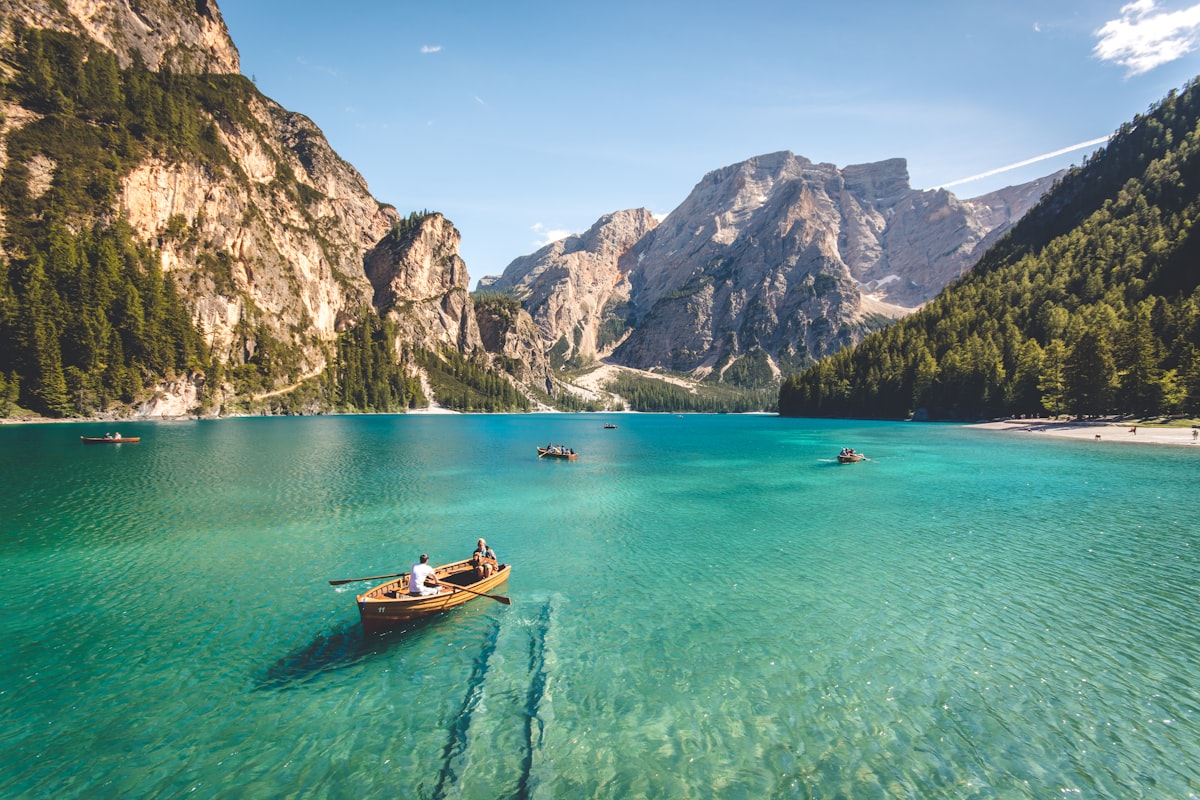
Is your well in Lake Riverside producing less water than it used to? Hydrofracturing (also called hydrofracking) could be the solution to restore and even improve your well's water production without the expense of drilling a new well.
📋 In This Guide
- What is Hydrofracturing?
- Signs Your Lake Riverside Well Needs Hydrofracturing
- The Hydrofracturing Process
- Cost vs. New Well Drilling in Lake Riverside
- Why Choose SCWS for Hydrofracturing?
- Related Articles
Southern California Well Service provides professional hydrofracturing services throughout Riverside County to help homeowners and property owners increase their well yield.
What is Hydrofracturing?
Hydrofracturing is a well rehabilitation technique that uses high-pressure water to clean and expand existing fractures in the bedrock surrounding your well. This process:
- Clears mineral deposits and sediment blocking water flow
- Opens new pathways for groundwater to reach your well
- Can increase well yield by 2-10 times in many cases
- Extends the life of your existing well
Unlike oil and gas fracking, well hydrofracturing uses only clean water—no chemicals are involved.
Signs Your Lake Riverside Well Needs Hydrofracturing
- Declining water production over time
- Well runs dry during peak usage
- Slow recovery rate after pumping
- Pump cycling on and off frequently
- Lower water pressure than previous years
The Hydrofracturing Process
- Initial Assessment: We evaluate your well's current yield and condition
- Equipment Setup: Specialized high-pressure equipment is positioned at your well
- Isolation: Packers seal off sections of the well for targeted treatment
- Pressurization: Water is pumped at 500-3,000 PSI to fracture bedrock
- Development: Well is cleaned and tested for improved yield
Cost vs. New Well Drilling in Lake Riverside
In Lake Riverside, drilling a new well can cost $15,000-$50,000+ depending on depth. Hydrofracturing typically costs a fraction of that—often $3,000-$8,000—making it an excellent first option before considering a new well.
Many Lake Riverside wells that appear to be "going dry" can be successfully rehabilitated through hydrofracturing, saving homeowners tens of thousands of dollars.
Why Choose SCWS for Hydrofracturing?
- Founded 2020 · 60+ Years Family Heritage: We've rehabilitated thousands of wells across Southern California
- Licensed C-57 Contractor. CSLB License #1086994. Fully licensed for well drilling and service in California
- Specialized Equipment: Professional-grade hydrofracturing equipment
- Free Estimates: We'll assess your well and provide honest recommendations
Need Help With Your Well in Lake Riverside?
Our expert technicians serve Lake Riverside and all of Riverside County with professional well services.
Related Articles
Continue learning about well maintenance and troubleshooting

Signs Your Well Pump Is Failing
Catch pump problems early before you lose water completely.
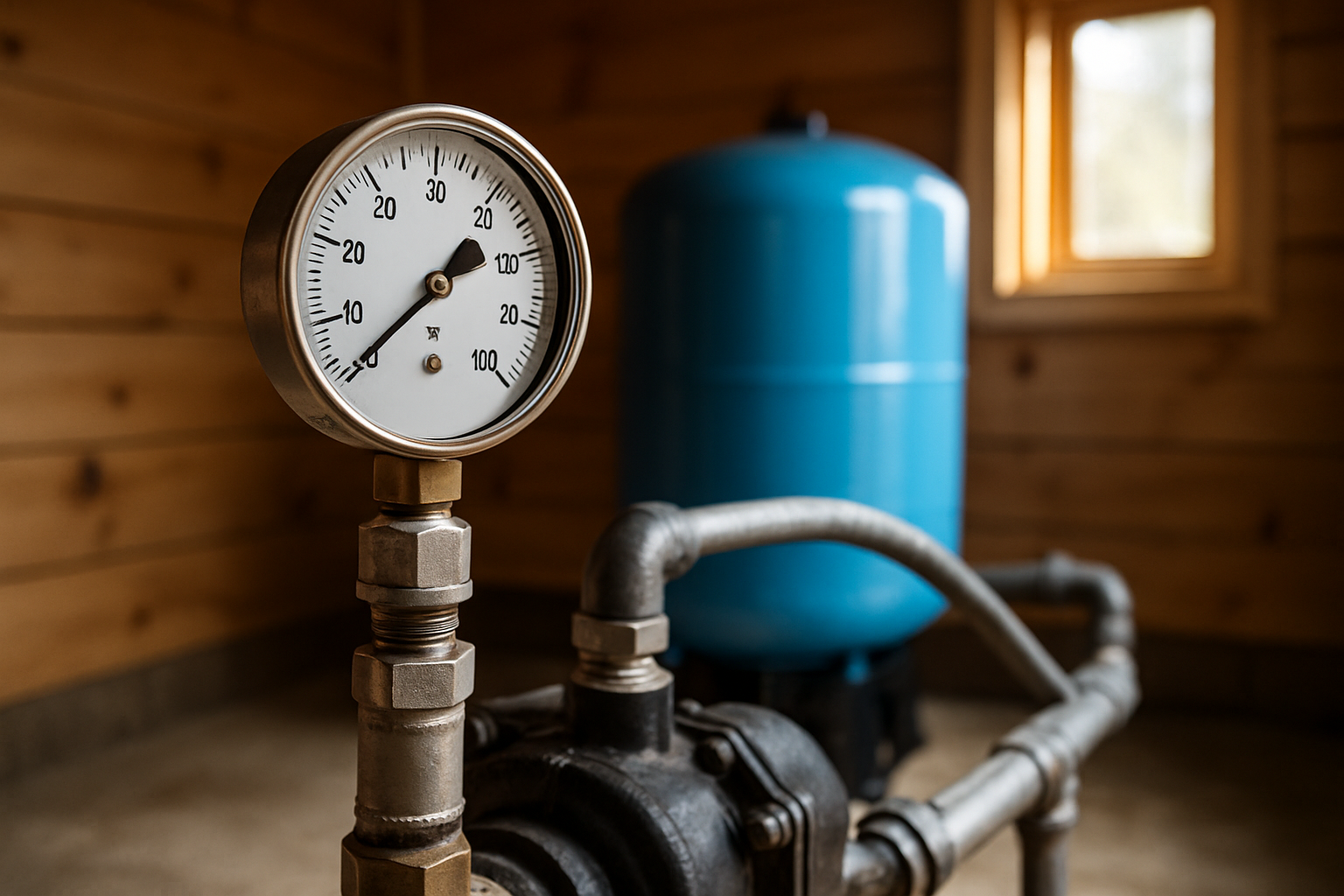
Low Water Pressure From Well
Diagnose and fix pressure problems before they get worse.
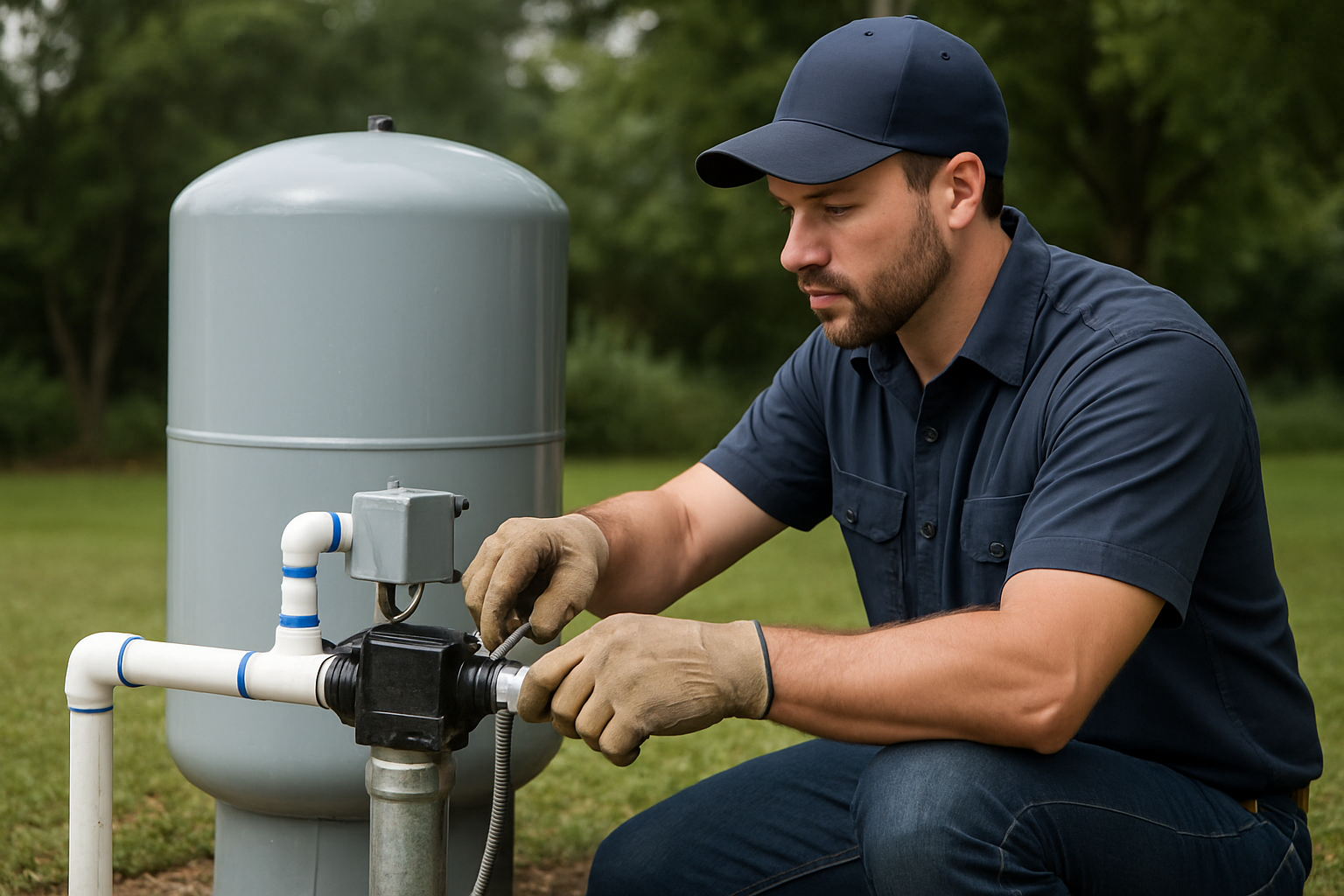
Well Maintenance Guide
Keep your well running smoothly with regular maintenance.
Our Locations
1077 Main St, Ramona, CA 92065
57174 CA-371 (US Hwy 79), Anza, CA 92539
Hydrofracturing for Lake Riverside Estates Wells
Lake Riverside Estates sits in the high country of southwestern Riverside County, a gated rural community wrapped around a small lake near Aguanga in the Anza area. At roughly 2,800 to 3,000 feet of elevation, the subdivision is a patchwork of ranchettes, equestrian lots, and large parcels strung along an airpark, and almost every one of those homes draws its water from a private well. There is no municipal water line out here. When a household's faucets slow to a trickle or the trough by the corral takes too long to fill, the answer is rarely "call the water company" — it is "what is happening down the well." For many of these properties, the most cost-effective answer is hydrofracturing.
The geology under Lake Riverside Estates is the reason the technique fits so well. These wells are completed in decomposed granite and fractured granitic bedrock, not in a deep sand-and-gravel aquifer. Water does not seep through porous sediment here; it travels along cracks, seams, and joints in the hard rock. Over years of pumping, those fractures silt up, mineralize, and partially close. A well that once kept up with a family and a few horses gradually falls behind. Hydrofracturing is built precisely for that situation: it reopens and extends the natural fractures that feed a granite well, and our Anza office is only a short drive from the estates, so we already know the formations under this hillside.
How Hydrofracturing Actually Works
The process is mechanical and chemical-free, which surprises a lot of people who associate "fracking" with oil and gas. We start by lowering inflatable packers into the well casing. These packers seal off a chosen section of the borehole so that all of the pressure we apply is concentrated where it will do the most good. Then we inject clean water — only water, nothing else — at pressures that typically run from about 1,500 to 3,000 PSI and sometimes higher, depending on the depth and the rock.
That pressurized water pushes into the existing fractures around the well, flushing out the fine silt, clay, and mineral scale that has been choking them, and nudging tight seams wider so they connect to a larger network of water-bearing cracks. The goal is not to blast new holes in the bedrock; it is to clean and extend what nature already put there. A typical job on a Lake Riverside Estates well takes about four to eight hours on site. Because no chemicals are used, there is nothing to flush out afterward and no contamination risk to the groundwater that the whole community shares.
Why Lake Riverside Estates Wells Lose Yield
If your well is producing less than it used to, you are not imagining it, and you are not alone on this hill. A few patterns repeat across the estates:
- Fracture silting and closure. The hairline cracks that feed a granite well slowly pack with sediment and mineral deposits. Flow drops a little each year until one dry afternoon it becomes obvious.
- Drought and dropping static levels. Long dry stretches in the Anza area pull the regional water table down. A well that was comfortably above the static level now sits closer to the margin, and the fractures that still carry water are doing more of the work.
- Heavy, steady demand. Equestrian and large-lot homes use a lot of water — household plumbing plus stock tanks, wash racks, and irrigated paddocks. A well that is technically "fine" can still come up short when the draw never really stops.
- Aging completions. Many of these wells were drilled decades ago. The original development work may never have fully opened the formation, leaving yield on the table from day one.
Hydrofracturing addresses the first three of these directly and can recover yield that a well never had access to in the first place.
What to Check and What to Expect
We do not start any job by assuming hydrofracturing is the right call. The first step is a pre-treatment flow test so we have a hard baseline number for your current yield, measured in gallons per minute and watched over time to see how fast the well recovers. From there we usually run a downhole video inspection, sending a camera down the casing to check its condition, look for breaks or encrustation, and locate the fracture zones we will want to target. That camera survey often explains the slow decline in a way no amount of guessing can.
If the well is a good candidate, we perform the hydrofracturing, then run a post-treatment flow test a day or two later to confirm and document the improvement. You get a before-and-after comparison in writing. Where casing damage or a tired pump is part of the problem, we will tell you that too — sometimes the right answer is treatment plus a pump replacement rather than fracturing alone.
Candidacy matters. Wells completed in hard, fractured granite — exactly the rock under Lake Riverside Estates — are strong candidates and tend to respond well. Wells set in loose sand or gravel formations are poor candidates, because there are no rigid fractures to reopen; the pressure simply dissipates into the loose material. Part of our assessment is being honest about which category your well falls into before you spend a dollar on the treatment itself.
When to Call a Professional
A few signs say it is time to stop nursing the problem along. Call us if your well runs dry during normal afternoon or evening use, if recovery after a long draw has become noticeably slower, if your pump is short-cycling on and off, or if water pressure across the property has quietly fallen year over year. Those are the classic symptoms of a fracture-fed granite well that is losing its connection to groundwater. If you are weighing a brand-new well because an existing one seems to be failing, that is exactly the moment to get a professional assessment first — many "dying" wells in this community have years of good service left once their fractures are reopened.
Realistic Costs, and Hydrofracturing vs. a New Well
Hydrofracturing in this area generally runs $3,000 to $8,000, depending on well depth and how much work the formation needs. A new well, by contrast, typically costs $18,000 to $42,000 once drilling, casing, and development are accounted for — and on rural granite lots there is never a guarantee the new hole will hit a better fracture network than the one you already have. If your existing well also needs a pump, a new submersible pump generally falls in the $2,500 to $5,500 range. We apply a $125 diagnostic fee, and that fee is credited toward the work if you move forward.
For a community of large private-well lots with steady household and horse-property demand, the math usually favors restoring the well you have. Hydrofracturing is a fraction of the cost of new drilling, it is faster, and it builds on a borehole whose behavior is already known. We treat it as the sensible first option for Lake Riverside Estates, with new-well drilling held in reserve for the genuine cases where rehabilitation is not enough.
Serving Lake Riverside, Aguanga, and the Anza Area
Southern California Well Service has been working on wells since 2020, and we are a licensed C-57 well contractor with CSLB #1086994 among the rural homeowners we serve. We cover Lake Riverside Estates, the surrounding Aguanga and Anza area, and the wider Riverside County backcountry from our nearby Anza office at 57174 CA-371 (US Hwy 79), Anza, CA 92539, with additional support out of our Ramona office at 1077 Main St, Ramona, CA 92065. Because the Anza shop is so close, we can often get to the estates the same day for emergencies — and when a horse property or a household with no backup runs dry, same day matters.
Frequently Asked Questions
Does hydrofracturing work on Lake Riverside Estates wells?
Yes. Lots in Lake Riverside Estates rely on wells completed in fractured granite, which responds well to hydrofracturing once the existing fractures are cleaned and reopened with high-pressure water.
Can it help horse properties on large lots?
It can. By raising a well's sustained yield, hydrofracturing helps equestrian and large-lot homes that carry steady household and animal-water demand, where the well simply needs to keep up with a higher daily draw.
What does hydrofracturing cost?
It generally costs $3,000 to $8,000, compared with $18,000 to $42,000 for a brand-new well. A $125 diagnostic fee applies and is credited toward the work if you proceed.
How long does the job take?
Most jobs take about four to eight hours on site, followed by a post-treatment flow test a day or two later to verify the improvement.
Are any chemicals used?
No. Hydrofracturing uses only clean, high-pressure water to open existing fractures — there are no chemicals involved and no contamination risk to shared groundwater.
Is your crew local to the area?
Yes. Our Anza office is close to the Aguanga area, so we know the local granite formations firsthand and can offer same-day emergency service across this part of Riverside County.
Restore Your Well Before You Replace It
If your Lake Riverside Estates well is slowing down, do not assume the only fix is an expensive new hole in the ground. A quick assessment will tell you whether hydrofracturing can bring your existing well back to reliable yield. Call us at (760) 440-8520, send a text to (760) 219-5877, or request a free quote and we will get a technician out from our nearby Anza office to take a look.