
Hydrofracturing Well Services in Liberty Station, CA
Is your well in Liberty Station producing less water than it used to? Hydrofracturing (also called hydrofracking) could be the solution to restore and even improve your well's water production without the expense of drilling a new well.
📋 In This Guide
- What is Hydrofracturing?
- Signs Your Liberty Station Well Needs Hydrofracturing
- The Hydrofracturing Process
- Cost vs. New Well Drilling in Liberty Station
- Why Choose SCWS for Hydrofracturing?
- Related Articles
Southern California Well Service provides professional hydrofracturing services throughout San Diego County to help homeowners and property owners increase their well yield.
What is Hydrofracturing?
Hydrofracturing is a well rehabilitation technique that uses high-pressure water to clean and expand existing fractures in the bedrock surrounding your well. This process:
- Clears mineral deposits and sediment blocking water flow
- Opens new pathways for groundwater to reach your well
- Can increase well yield by 2-10 times in many cases
- Extends the life of your existing well
Unlike oil and gas fracking, well hydrofracturing uses only clean water—no chemicals are involved.
Signs Your Liberty Station Well Needs Hydrofracturing
- Declining water production over time
- Well runs dry during peak usage
- Slow recovery rate after pumping
- Pump cycling on and off frequently
- Lower water pressure than previous years
The Hydrofracturing Process
- Initial Assessment: We evaluate your well's current yield and condition
- Equipment Setup: Specialized high-pressure equipment is positioned at your well
- Isolation: Packers seal off sections of the well for targeted treatment
- Pressurization: Water is pumped at 500-3,000 PSI to fracture bedrock
- Development: Well is cleaned and tested for improved yield
Cost vs. New Well Drilling in Liberty Station
In Liberty Station, drilling a new well can cost $15,000-$50,000+ depending on depth. Hydrofracturing typically costs a fraction of that—often $3,000-$8,000—making it an excellent first option before considering a new well.
Many Liberty Station wells that appear to be "going dry" can be successfully rehabilitated through hydrofracturing, saving homeowners tens of thousands of dollars.
Why Choose SCWS for Hydrofracturing?
- Founded 2020 · 60+ Years Family Heritage: We've rehabilitated thousands of wells across Southern California
- Licensed C-57 Contractor. CSLB License #1086994. Fully licensed for well drilling and service in California
- Specialized Equipment: Professional-grade hydrofracturing equipment
- Free Estimates: We'll assess your well and provide honest recommendations
Need Help With Your Well in Liberty Station?
Our expert technicians serve Liberty Station and all of San Diego County with professional well services.
Related Articles
Continue learning about well maintenance and troubleshooting

Signs Your Well Pump Is Failing
Catch pump problems early before you lose water completely.
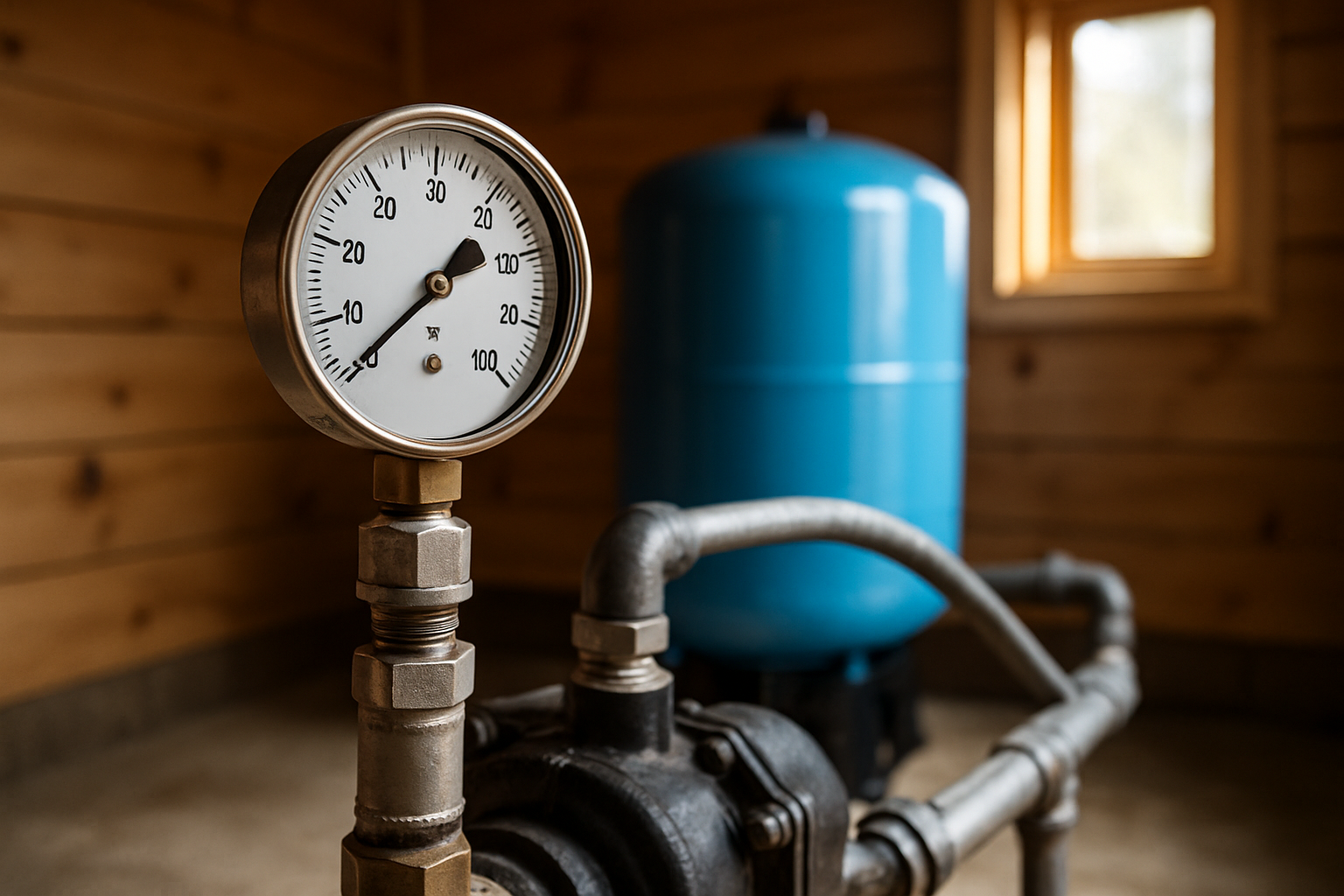
Low Water Pressure From Well
Diagnose and fix pressure problems before they get worse.
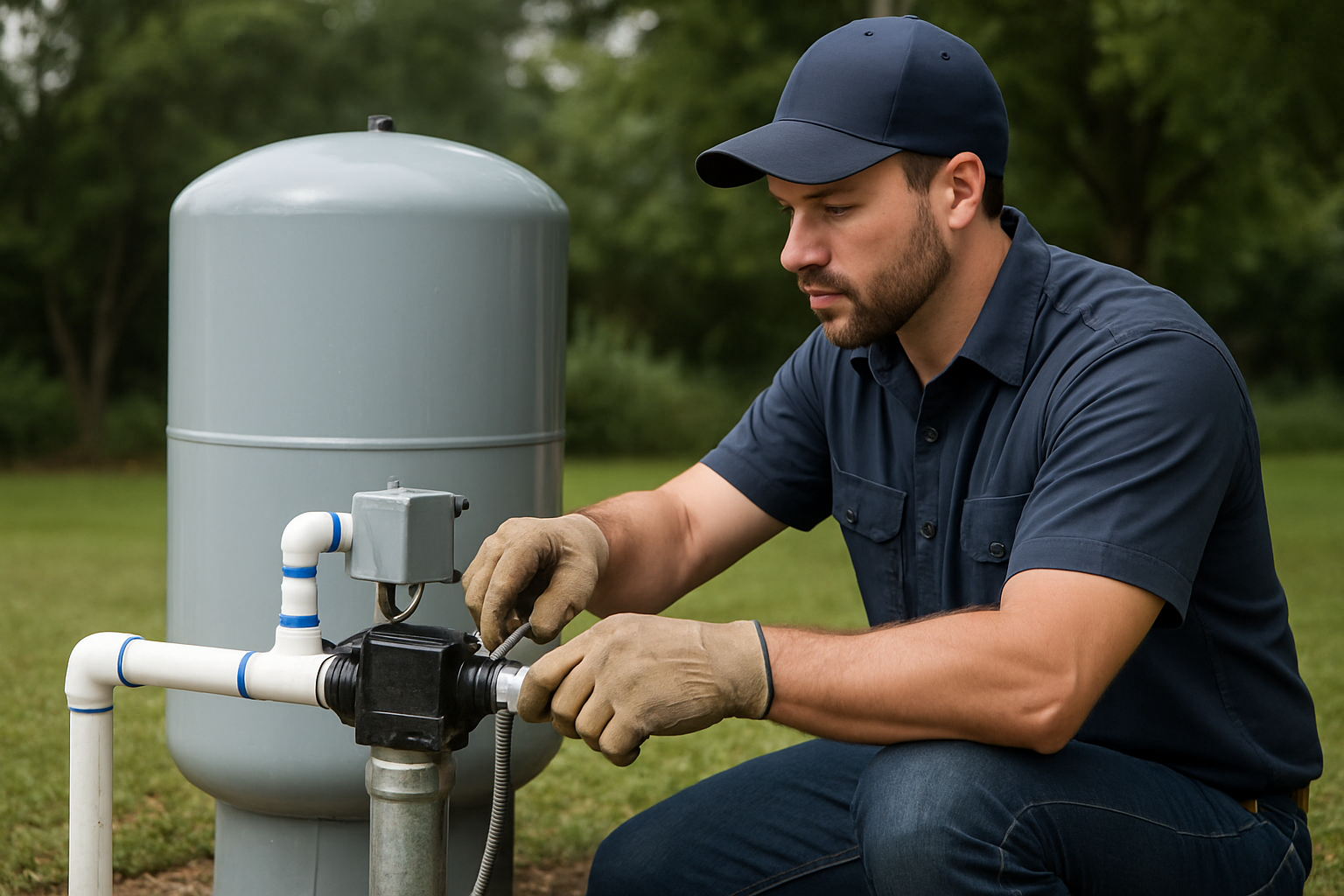
Well Maintenance Guide
Keep your well running smoothly with regular maintenance.
Our Locations
1077 Main St, Ramona, CA 92065
57174 CA-371 (US Hwy 79), Anza, CA 92539
Hydrofracturing and Well Yield: A Guide for Liberty Station-Area Property Owners
Liberty Station is a redeveloped waterfront district on the Point Loma peninsula in the city of San Diego, wrapped around San Diego Bay near Ocean Beach and the Midway District. It is one of the most urban, fully city-served parts of the county, and there are essentially no private water wells within Liberty Station itself. If you have arrived here, you are almost certainly responsible for a private well somewhere else—on a rural or semi-rural property in San Diego County's interior—and you want to know whether hydrofracturing can improve a low-yielding well. We have written this guide for you, and we will be straight about where the technique fits.
Hydrofracturing increases the yield of wells drilled into hard, fractured bedrock. It uses high-pressure water to reopen and extend the natural cracks that supply a rock well. That makes it a strong tool in the granitic interior of San Diego County—but a coastal, low-lying, urban setting like the Point Loma peninsula is not well-suited to private wells at all, and any well in loose coastal sediment would be a weak candidate. The honest takeaway is that hydrofracturing matters for your inland or back-country well, not for anything at Liberty Station itself.
How the Technique Works
An inflatable packer seals off a target section of the well, and clean water is injected at pressures of roughly 1,500 to 3,000-plus PSI. The pressure flushes silt and mineral scale from the existing rock fractures and widens them, opening better pathways for groundwater to reach the borehole. We can treat several zones in a single well by repositioning the packer. The job typically runs four to eight hours and uses only water—no chemicals whatsoever.
Which Wells Actually Benefit
- Strong candidate: a rural well in San Diego County's interior drilled into hard, fractured granitic or crystalline bedrock
- Weak candidate: a well producing from deep, loose alluvial or coastal sediment with no rock fractures to open
- Not applicable: the urban, city-served Liberty Station area, where private wells are not part of the picture
The decisive factor is always the rock your well is drilled into. We determine that with a diagnostic that reviews your well log and runs a downhole camera, rather than assuming based on location. If your inland well is rock-fed and choked, hydrofracturing can genuinely revive it.
Signs Your Inland Well May Need Help
- Declining yield — the well produces less than it used to
- Running dry under demand — it cannot keep up with the household or irrigation
- Slow recovery — long waits for the level to rebuild after the pump runs
- Pump cycling on and off — a sign the level keeps dropping below the intake
- Late-summer pressure loss — a typical dry-season pattern in the back-country
Realistic Results
For genuinely fractured-rock wells across San Diego County's interior, hydrofracturing improves yield in roughly 70 to 80 percent of cases, with typical gains of two to five times the pre-treatment flow rate. We never promise a specific number, because every fracture network is unique and a small share of wells respond little. What we do provide is documented before-and-after flow testing, so the outcome is measured rather than assumed.
Step by Step
- Diagnostic and baseline flow test — we measure current yield; the $125 diagnostic fee is credited toward the work if you proceed
- Well log and casing review — we confirm whether your well reaches fracturable rock and check casing integrity
- Video inspection — a camera survey identifies fracture zones and sediment
- Hydrofracturing — targeted high-pressure injection, four to eight hours on site
- Post-treatment flow test and report — verified, documented improvement within 24 to 48 hours
Cost vs. a New Well
Hydrofracturing generally costs $3,000 to $8,000. A new turnkey well runs $18,000 to $42,000 including drilling, casing, pump, and hookup, while a replacement pump alone is $2,500 to $5,500. For a sound, rock-fed inland well, hydrofracturing is by far the more economical first step. It costs a fraction of a new well and protects the investment already in your existing borehole.
When Deepening or Redrilling Is the Better Path
New construction is sometimes the right answer. If a camera reveals collapsed or corroded casing, if the borehole has filled with debris, or if the well was drilled too shallow to reach reliable water, deepening or drilling new may be the smarter long-term investment. And if an alluvial well is low because the regional water table has fallen, reaching deeper water—not fracturing absent rock—is the real fix. We present the trade-offs with honest numbers so you can choose with full information.
Why a Diagnostic Comes First
Because hydrofracturing only helps wells in the right kind of rock, the most valuable service we provide is often the diagnostic itself. Before recommending any treatment, we flow-test the well to establish its true current yield and recovery rate, review the original driller's log to see what formations the borehole passes through, and run a downhole camera to inspect the casing and locate water-bearing fractures. That information separates the wells that will respond dramatically from those that need a different fix entirely. For a property owner deciding between a few thousand dollars of treatment and tens of thousands for a new well, this clarity is well worth the modest diagnostic fee, which we credit back toward any work you choose to have done.
Maintaining Yield Once It Is Restored
When hydrofracturing succeeds, a little ongoing care preserves the result. We recommend an annual flow and water-level check, periodic inspection of the pressure tank and pump switch, and attention to water quality. San Diego County's hard water leaves scale that slowly re-narrows fractures over time, so monitoring and light treatment where appropriate keep your improved yield stable for years. For a rural household whose only water comes from a single well, an annual checkup is inexpensive insurance, and it lets us spot a gradual decline long before it turns into a no-water emergency.
Serving Private Well Owners Across San Diego County
Southern California Well Service is a licensed C-57 water well contractor (CSLB License #1086994) founded in 2020, with 60+ years of family heritage. The Liberty Station and Point Loma area is fully on municipal water, but we serve private well owners throughout the inland and back-country reaches of the county—from the communities near Point Loma, Ocean Beach, and the Midway District out to the rural interior—with same-day emergency service when a household loses water. We operate from our Ramona office (1077 Main St, Ramona, CA 92065) and Anza office (57174 CA-371 (US Hwy 79), Anza, CA 92539), both close to the rural areas where wells are common. If your private well has slowed, the smartest first step is an honest diagnostic so we can match the right solution to your geology and budget.
Frequently Asked Questions About Hydrofracturing in Liberty Station
Are there private wells in Liberty Station or Point Loma?
No, essentially none. Liberty Station and the Point Loma peninsula are dense, fully city-served urban areas. Anyone researching well services here almost always owns a private well elsewhere, on a rural property in San Diego County's interior, where hydrofracturing can be relevant.
Where does hydrofracturing actually work?
It works on wells drilled into hard, fractured bedrock common in the granitic interior of San Diego County. Roughly 70 to 80 percent of such wells improve. Wells in loose coastal or alluvial sediment are weak candidates. We confirm your well's geology with a log review and camera survey.
How much does hydrofracturing cost?
Typically $3,000 to $8,000. A new turnkey well runs $18,000 to $42,000 and a replacement pump $2,500 to $5,500, so for a sound, rock-fed well, hydrofracturing is the economical first option.
How much yield improvement is realistic?
Two to five times the pre-treatment flow rate is typical for fractured-rock wells. Every well is different, so we measure and document your flow before and after rather than promising a fixed figure.
Is hydrofracturing safe for drinking water?
Yes. It uses only clean water under high pressure no chemicals, sand, or additives. Unlike oil and gas fracking, there is no contamination risk to your water supply.
What if hydrofracturing is not suited to my well?
If your well is in loose sediment, low because of a dropping water table, or has damaged casing, we recommend the right alternative pump adjustment, redevelopment, deepening, or a new well instead of a treatment that will not help.