
Hydrofracturing Well Services in Mecca, CA
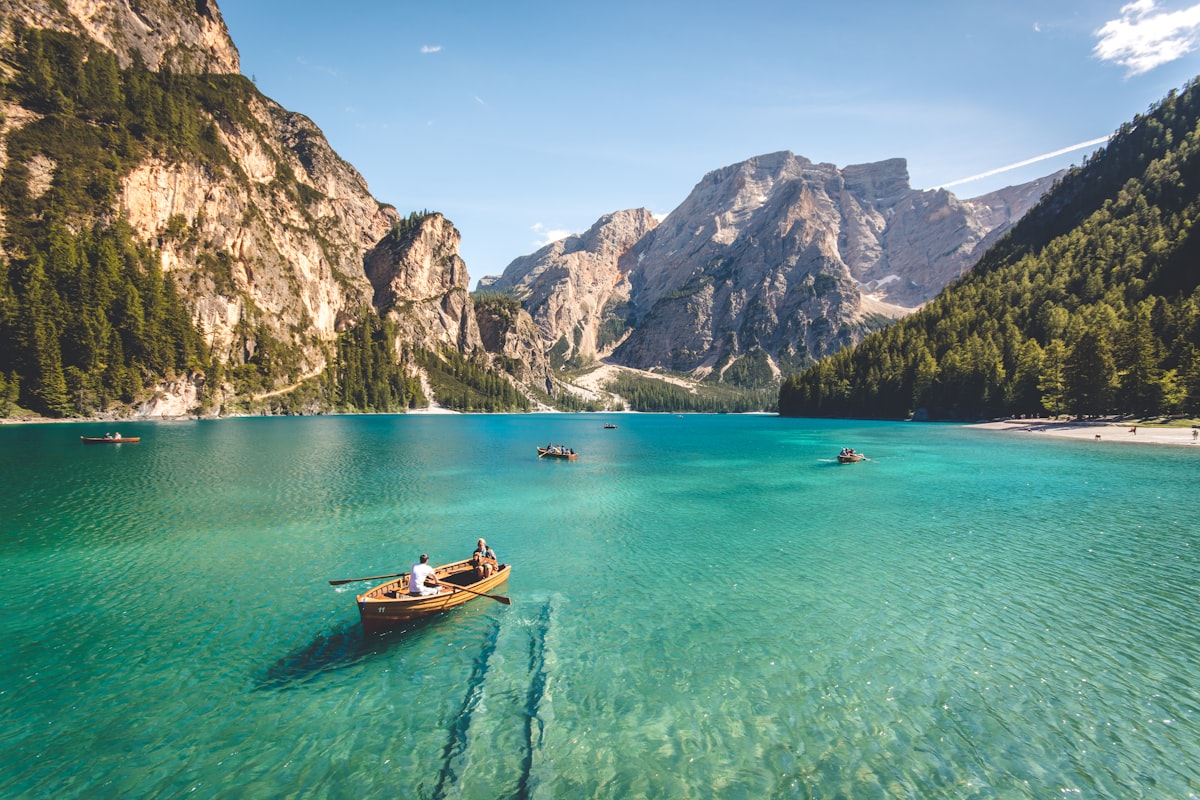
Is your well in Mecca producing less water than it used to? Hydrofracturing (also called hydrofracking) could be the solution to restore and even improve your well's water production without the expense of drilling a new well.
📋 In This Guide
- What is Hydrofracturing?
- Signs Your Mecca Well Needs Hydrofracturing
- The Hydrofracturing Process
- Cost vs. New Well Drilling in Mecca
- Why Choose SCWS for Hydrofracturing?
- Related Articles
Southern California Well Service provides professional hydrofracturing services throughout Riverside County to help homeowners and property owners increase their well yield.
What is Hydrofracturing?
Hydrofracturing is a well rehabilitation technique that uses high-pressure water to clean and expand existing fractures in the bedrock surrounding your well. This process:
- Clears mineral deposits and sediment blocking water flow
- Opens new pathways for groundwater to reach your well
- Can increase well yield by 2-10 times in many cases
- Extends the life of your existing well
Unlike oil and gas fracking, well hydrofracturing uses only clean water—no chemicals are involved.
Signs Your Mecca Well Needs Hydrofracturing
- Declining water production over time
- Well runs dry during peak usage
- Slow recovery rate after pumping
- Pump cycling on and off frequently
- Lower water pressure than previous years
The Hydrofracturing Process
- Initial Assessment: We evaluate your well's current yield and condition
- Equipment Setup: Specialized high-pressure equipment is positioned at your well
- Isolation: Packers seal off sections of the well for targeted treatment
- Pressurization: Water is pumped at 500-3,000 PSI to fracture bedrock
- Development: Well is cleaned and tested for improved yield
Cost vs. New Well Drilling in Mecca
In Mecca, drilling a new well can cost $15,000-$50,000+ depending on depth. Hydrofracturing typically costs a fraction of that—often $3,000-$8,000—making it an excellent first option before considering a new well.
Many Mecca wells that appear to be "going dry" can be successfully rehabilitated through hydrofracturing, saving homeowners tens of thousands of dollars.
Why Choose SCWS for Hydrofracturing?
- Founded 2020 · 60+ Years Family Heritage: We've rehabilitated thousands of wells across Southern California
- Licensed C-57 Contractor. CSLB License #1086994. Fully licensed for well drilling and service in California
- Specialized Equipment: Professional-grade hydrofracturing equipment
- Free Estimates: We'll assess your well and provide honest recommendations
Need Help With Your Well in Mecca?
Our expert technicians serve Mecca and all of Riverside County with professional well services.
Related Articles
Continue learning about well maintenance and troubleshooting

Signs Your Well Pump Is Failing
Catch pump problems early before you lose water completely.
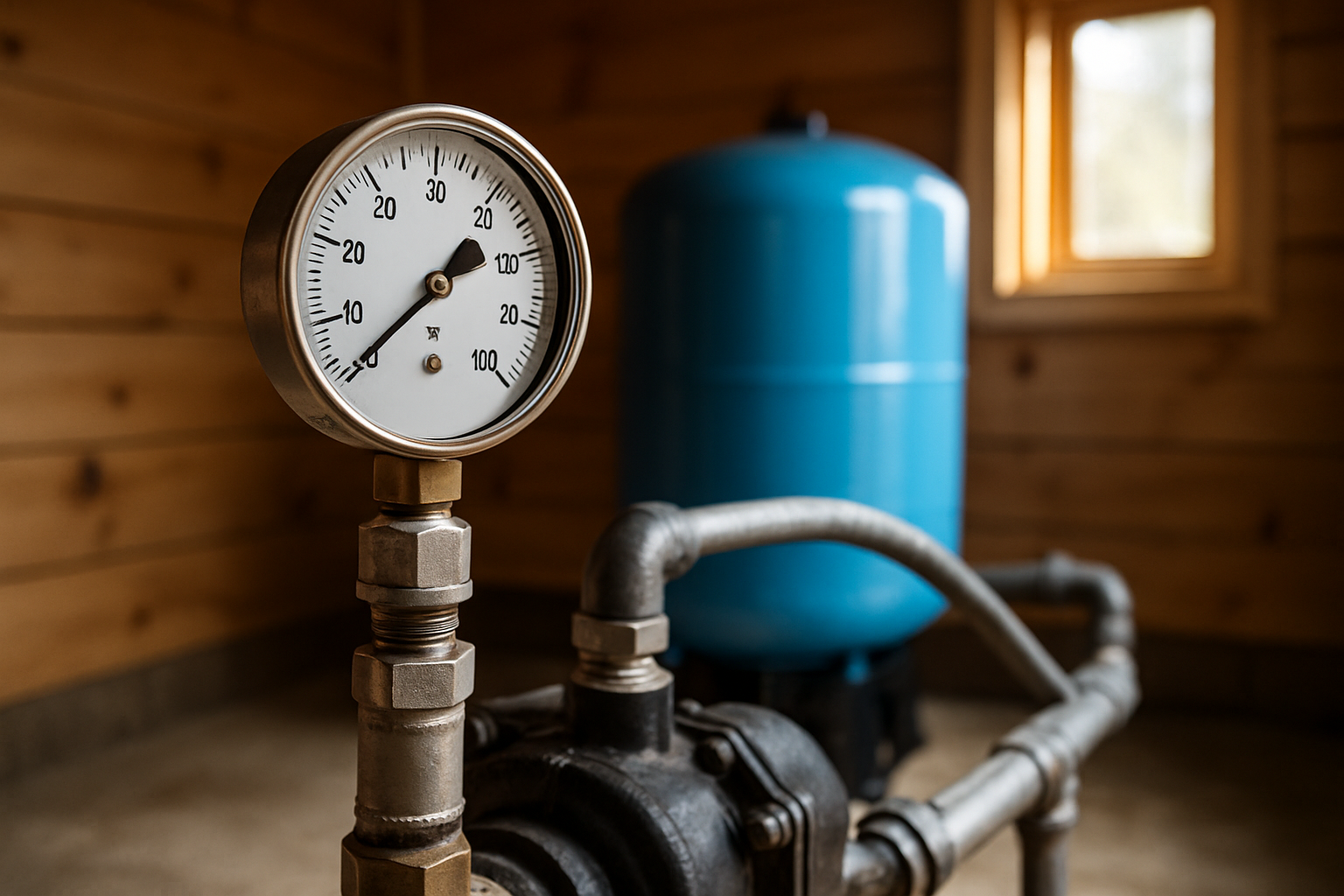
Low Water Pressure From Well
Diagnose and fix pressure problems before they get worse.
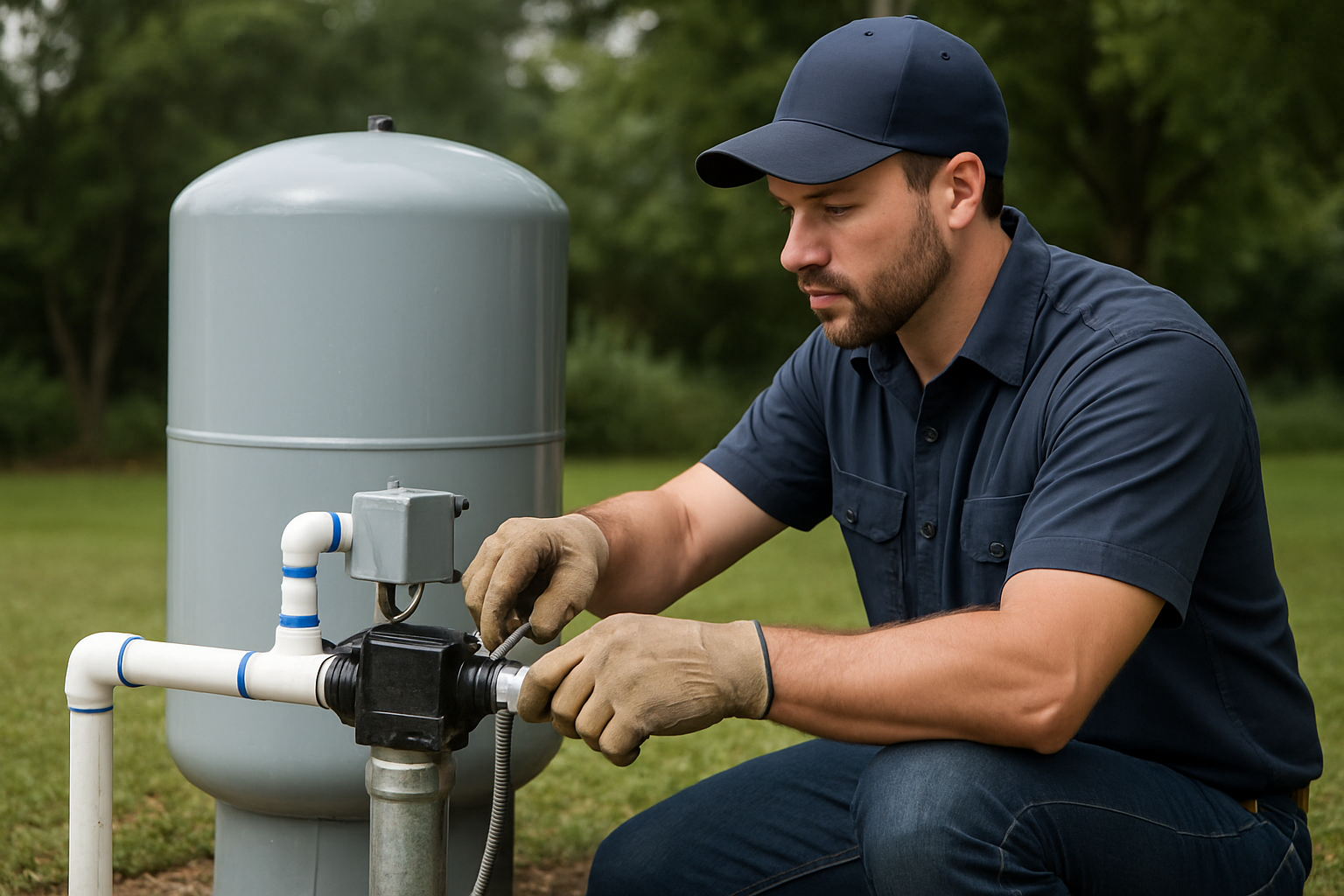
Well Maintenance Guide
Keep your well running smoothly with regular maintenance.
Our Locations
1077 Main St, Ramona, CA 92065
57174 CA-371 (US Hwy 79), Anza, CA 92539
Hydrofracturing for Low-Yield Wells in Mecca
Mecca sits on the floor of the eastern Coachella Valley in Riverside County, a few miles north of the Salton Sea and just south of Thermal and Oasis along Highway 111. This is some of the lowest, flattest ground in Southern California — much of the community lies below sea level — and the land beneath it is a deep basin filled with thousands of feet of sand, silt, and gravel washed down over millennia from the surrounding San Bernardino and Little San Bernardino Mountains. That geology matters enormously when you are deciding whether hydrofracturing is the right fix for a struggling well, so we want to be straight with Mecca property owners from the very first conversation.
Hydrofracturing is a poor match for most wells on the Coachella Valley floor. The technique works by opening fractures in solid bedrock. Mecca's aquifer is not bedrock — it is loose alluvial material with no fractures to widen. If your Mecca well is losing yield, the cause is far more likely to be a dropping water table, a worn pump, encrusted screens, or a well that simply was not drilled deep enough. We would rather tell you that honestly than sell you a treatment that physics says will not help. The good news is that there are several proven fixes that do work on the valley floor, and we walk through each of them below.
How Hydrofracturing Actually Works
In a true hydrofracturing job, we lower an inflatable packer into the well and seal off a target section of the borehole. We then inject clean water at high pressure — typically 1,500 to 3,000-plus PSI — against that isolated zone. In hard, fractured rock, the pressure clears debris and widens the natural cracks that feed water into the well, so groundwater reaches the borehole through more and larger pathways. The result can be a two- to fivefold jump in yield, and the process usually takes four to eight hours. But the whole mechanism depends on having fractures in competent rock. Pump that same pressurized water into sand and gravel and it simply pushes into the formation without creating any lasting flow improvement. That is why we evaluate the geology of your specific parcel before ever recommending the procedure.
Why Mecca Wells Usually Lose Water
Across the lower Coachella Valley, the common reasons a well underperforms have nothing to do with rock fractures:
- Declining regional water table — heavy agricultural pumping around Thermal, Oasis, and the date and citrus operations of the eastern valley can pull static levels down, leaving a shallow well high and dry during the hottest months.
- Screen and casing encrustation — the valley's mineral-rich, often saline groundwater plates out scale on intake screens, slowly choking flow until the well seems to be failing.
- Sand pumping and silting — fine alluvial sediment migrates into the well, fills the bottom, and wears out pump components.
- An undersized or aging pump — what feels like a "dry" well is often a tired pump that can no longer lift against a water level that has dropped several feet since the well was first drilled.
Better Options Than Hydrofracturing in Mecca
Because the formation here is alluvial, the solutions that genuinely restore yield are different from what works up in the bedrock country:
- Deepening the existing well to chase the lowered water table, where the casing and downhole conditions allow it.
- A new, properly screened well drilled to the productive zone — a turnkey new well runs roughly $18,000 to $42,000 but is often the durable answer on the valley floor when an older well has simply run out of column.
- Well rehabilitation — mechanical brushing, surging, and chemical descaling to clear encrusted screens and recover lost capacity, frequently at a fraction of the cost of a new well.
- Pump and pressure upgrades — a correctly sized pump ($2,500–$5,500) or a constant-pressure system ($2,000–$4,500) when the aquifer is fine but the equipment is the bottleneck.
What to Check Before You Call
A few observations help us diagnose your Mecca well quickly and keep the visit efficient:
- Is the pressure tank holding the right air charge, and is the pressure switch ($150–$350) cycling normally rather than chattering on and off?
- How fast does the well recover after heavy use — minutes, or hours? Slow recovery points to the aquifer or screens, not the pump.
- Are you seeing sand or cloudy water, which points to screen or sediment problems rather than a dry aquifer?
- Do you know the well's original depth and the depth to water? Old drilling logs are gold for this and let us compare today's water level against the original.
When to Call a Professional
If your Mecca well has gone dry, is pumping sand, or has lost noticeable pressure, it is worth a professional diagnostic before you spend money on the wrong fix. Our $125 diagnostic visit (credited toward any work we perform) includes a flow assessment and, where useful, a downhole camera survey so you can see exactly what is happening below ground. We will tell you plainly whether deepening, rehabilitation, a new well, or simple pump work is the right call — and we will not recommend hydrofracturing where the geology says it cannot succeed. That honesty is a big part of why so many eastern-valley customers refer their neighbors to us.
Realistic Cost Ranges
For Mecca-area work, typical investments include a pressure switch at $150–$350, a pressure tank at $600–$1,500, a replacement pump at $2,500–$5,500, sediment filtration at $300–$900, iron or manganese treatment or a softener at $1,500–$3,500, and a constant-pressure or booster system at $2,000–$4,500. Where a new well is the right answer, plan for $18,000–$42,000 turnkey; decommissioning an old well runs $1,500–$5,000. On the rare hard-rock well drilled into the bedrock of the surrounding Mecca Hills, hydrofracturing itself runs $3,000–$8,000 — but those are the exception, not the rule, on the valley floor.
Serving Mecca and the Eastern Coachella Valley
Southern California Well Service is a licensed C-57 contractor (CSLB #1086994), founded in 2020, with 60+ years of family heritage across the region. From our Ramona and Anza offices we serve Mecca, Thermal, Oasis, North Shore, and the surrounding eastern Riverside County communities. We offer same-day emergency response when you have no water, and honest guidance whether the answer turns out to be a new well, a rehabilitation, or a simple pump fix. Call (760) 440-8520 or text (760) 219-5877 to get started.
Frequently Asked Questions
Is hydrofracturing a good option for my Mecca well?
Usually not. Mecca sits on a deep alluvial basin of sand and gravel, not the fractured bedrock that hydrofracturing requires. For most valley-floor wells, deepening, rehabilitation, or a new well restores yield far more reliably.
Why did my Mecca well lose water if the aquifer is so deep?
The most common causes here are a declining regional water table from heavy agricultural pumping, encrusted screens from mineral-rich water, sediment filling the well, or an aging pump — not a lack of fractures.
What does it cost to drill a new well near Mecca?
A turnkey new well typically runs $18,000 to $42,000 depending on depth and conditions. We always evaluate lower-cost options like deepening or rehabilitation first.
My water has sand in it — what does that mean?
Sand usually signals a screen or sediment problem rather than a dry aquifer. Sediment filtration ($300–$900) plus well cleaning often resolves it; we inspect to confirm the source.
Do you charge for an assessment?
Our diagnostic visit is $125 and is credited toward any work we perform, so the evaluation effectively pays for itself once you move forward.
Can you come out the same day if I have no water?
Yes. We offer same-day emergency service to Mecca and the eastern Coachella Valley. Call (760) 440-8520 or text (760) 219-5877.