
Hydrofracturing Well Services in Mission Beach, CA
Is your well in Mission Beach producing less water than it used to? Hydrofracturing (also called hydrofracking) could be the solution to restore and even improve your well's water production without the expense of drilling a new well.
📋 In This Guide
- What is Hydrofracturing?
- Signs Your Mission Beach Well Needs Hydrofracturing
- The Hydrofracturing Process
- Cost vs. New Well Drilling in Mission Beach
- Why Choose SCWS for Hydrofracturing?
- Related Articles
Southern California Well Service provides professional hydrofracturing services throughout Riverside County to help homeowners and property owners increase their well yield.
What is Hydrofracturing?
Hydrofracturing is a well rehabilitation technique that uses high-pressure water to clean and expand existing fractures in the bedrock surrounding your well. This process:
- Clears mineral deposits and sediment blocking water flow
- Opens new pathways for groundwater to reach your well
- Can increase well yield by 2-10 times in many cases
- Extends the life of your existing well
Unlike oil and gas fracking, well hydrofracturing uses only clean water—no chemicals are involved.
Signs Your Mission Beach Well Needs Hydrofracturing
- Declining water production over time
- Well runs dry during peak usage
- Slow recovery rate after pumping
- Pump cycling on and off frequently
- Lower water pressure than previous years
The Hydrofracturing Process
- Initial Assessment: We evaluate your well's current yield and condition
- Equipment Setup: Specialized high-pressure equipment is positioned at your well
- Isolation: Packers seal off sections of the well for targeted treatment
- Pressurization: Water is pumped at 500-3,000 PSI to fracture bedrock
- Development: Well is cleaned and tested for improved yield
Cost vs. New Well Drilling in Mission Beach
In Mission Beach, drilling a new well can cost $15,000-$50,000+ depending on depth. Hydrofracturing typically costs a fraction of that—often $3,000-$8,000—making it an excellent first option before considering a new well.
Many Mission Beach wells that appear to be "going dry" can be successfully rehabilitated through hydrofracturing, saving homeowners tens of thousands of dollars.
Why Choose SCWS for Hydrofracturing?
- Founded 2020 · 60+ Years Family Heritage: We've rehabilitated thousands of wells across Southern California
- Licensed C-57 Contractor. CSLB License #1086994. Fully licensed for well drilling and service in California
- Specialized Equipment: Professional-grade hydrofracturing equipment
- Free Estimates: We'll assess your well and provide honest recommendations
Need Help With Your Well in Mission Beach?
Our expert technicians serve Mission Beach and all of Riverside County with professional well services.
Related Articles
Continue learning about well maintenance and troubleshooting

Signs Your Well Pump Is Failing
Catch pump problems early before you lose water completely.
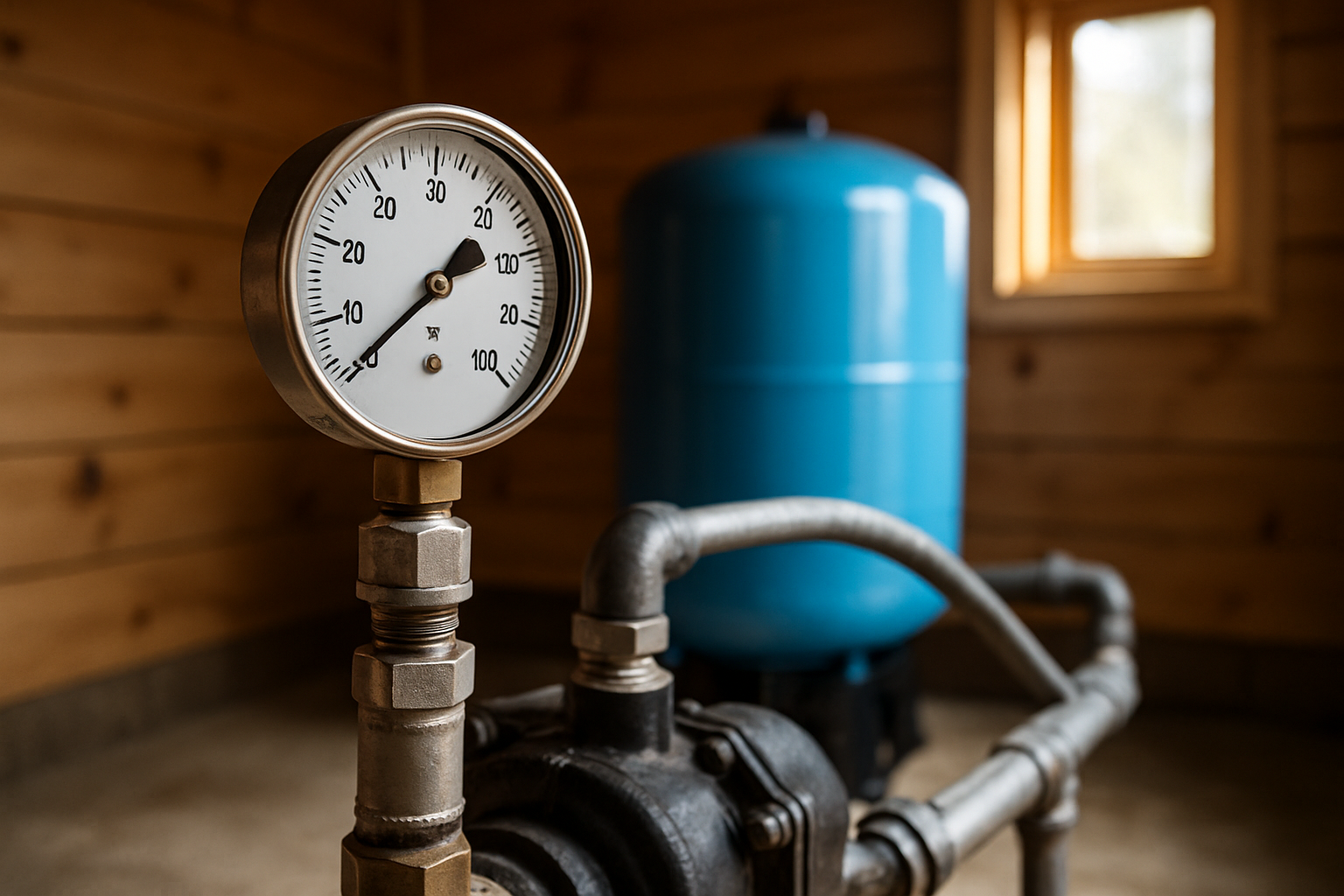
Low Water Pressure From Well
Diagnose and fix pressure problems before they get worse.
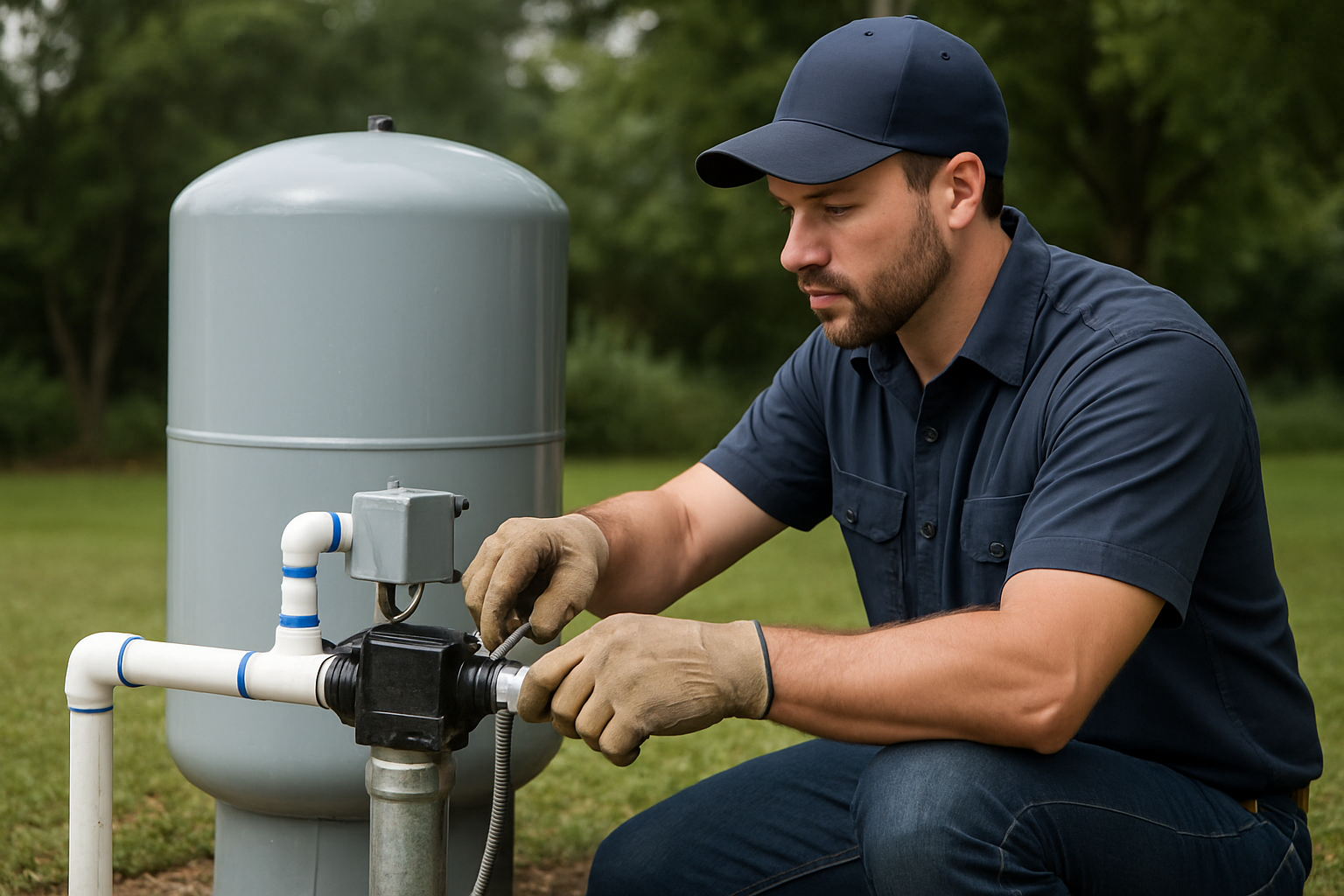
Well Maintenance Guide
Keep your well running smoothly with regular maintenance.
Our Locations
1077 Main St, Ramona, CA 92065
57174 CA-371 (US Hwy 79), Anza, CA 92539
Hydrofracturing in Mission Beach: The Straight Story
If you searched hydrofracturing for Mission Beach, here is the candid answer up front: there are no private water wells to fracture on a beach sandbar, and the geology could hardly be less suited to the technique. Mission Beach is a narrow strip of sand between the Pacific Ocean and Mission Bay, part of the City of San Diego in San Diego County, served entirely by municipal water. We will explain why hydrofracturing has no role here, how it actually works where it does belong, and how we can help if you own a well somewhere else.
Why a Sandbar Cannot Be Hydrofractured
Hydrofracturing is a method for bedrock wells. It works by injecting high-pressure water into a borehole to open and clean the natural fractures in solid rock. Mission Beach has none of the prerequisites:
- No bedrock. The ground is loose, water-saturated beach and bay sand — there is no solid rock to fracture.
- Brackish, tidal groundwater. Shallow water beneath the spit is salty and tidally influenced, not a freshwater aquifer you would want to develop.
- Municipal supply. Every property is on city water; private wells are not part of life here.
Trying to hydrofracture a sandbar would accomplish nothing. We say that plainly because honesty saves you time and money.
How Hydrofracturing Works Where It Belongs
On a genuine bedrock well, the process is simple and uses only clean water. We lower an inflatable packer and seal off a section of the borehole, then inject water at high pressure — commonly 1,500 to 3,000 PSI. That pressure pushes into the rock's natural hairline fractures, flushes out the silt and mineral scale plugging them, and widens the network so groundwater reaches the well more freely. A typical treatment takes four to eight hours, and on a good candidate it can multiply yield several times over.
Where the Real Candidates Are
The wells that benefit from hydrofracturing sit inland and uphill from the coast, in the foothill and mountain communities of San Diego County where homes and ranches draw from decomposed granite and fractured crystalline bedrock. Places like Ramona, Julian, Alpine, and the backcountry are full of this geology. If you own a property like that in addition to your Mission Beach home, you may well have a strong hydrofracturing candidate — and that is where we focus our well work.
Signs a Bedrock Well Might Need Treatment
- Yield that has declined over the years on a once-strong well.
- A new bedrock well that came in with disappointing flow.
- Slow recovery after the well is pumped hard.
- Running short during the dry season.
What to Check Before You Call (For an Inland Well)
- Confirm it is a private well, not a shared or municipal connection.
- Find the well log. Granite or fractured rock near the bottom is encouraging; all sand and gravel is not a candidate.
- Note the symptoms. Air at the tap and slow recovery point to the well; steady weak pressure points to the pump or pressure tank.
- Inspect the equipment. A worn pump, tired pressure tank, or failing switch can imitate a dying well at far lower cost.
When to Call a Professional
Reach out about any property where a well is underperforming — your own backcountry parcel or one you are thinking of buying. Our $125 diagnostic, credited toward any work, includes a flow assessment and, when useful, a camera survey, followed by a clear recommendation: hydrofracture, deepen, replace, or simply repair. Same-day emergency service is available for total water loss.
Realistic Costs
For planning: hydrofracturing $3,000–$8,000; new turnkey well $18,000–$42,000; well pump $2,500–$5,500; pressure tank $600–$1,500; pressure switch $150–$350; sediment filtration $300–$900; iron/manganese treatment or softener $1,500–$3,500; constant-pressure or booster system $2,000–$4,500; decommissioning $1,500–$5,000.
Serving Mission Beach and All of San Diego County
Southern California Well Service serves Mission Beach residents and property owners throughout San Diego County, concentrating our well work in the inland and mountain areas where private wells are common, from our offices in Ramona (1077 Main St, Ramona, CA 92065) and Anza (57174 CA-371 (US Hwy 79), Anza, CA 92539). We are a licensed C-57 water well contractor founded in 2020, with 60+ years of family heritage.
A Sandbar Between Ocean and Bay
Mission Beach is geologically about as far from hydrofracturing country as San Diego gets. The neighborhood occupies a low barrier of sand separating the Pacific from Mission Bay, built and rebuilt by waves, tides, and the historic flow of the San Diego River. The ground is young, loose, water-saturated sand throughout, and the shallow water table is fully connected to the salty bay and ocean. There is no consolidated rock to fracture and no fresh aquifer to develop. This is why the conversation here is never about boosting a well — it is about understanding why a well is not the tool for the site at all.
Where Your Search Actually Points
People searching hydrofracturing for a beach address are almost always thinking of water for a different property. If you own a cabin, ranch, or rural lot in the San Diego backcountry, that well — not your Mission Beach place — is the candidate. Backcountry granite country around Ramona, Julian, Alpine, and Descanso is where wells routinely benefit from a high-pressure treatment that reopens silted fractures and restores flow. We can review that well's log, assess its current yield, and tell you honestly whether the geology and the symptoms add up to a good treatment candidate.
What Good Candidacy Really Depends On
Three things decide whether a bedrock well is worth treating: the rock, the casing, and the cause of the trouble. The rock must be hard and naturally fractured, which the completion report and a camera survey confirm. The casing must be sound, so high pressure goes into the formation rather than a weak point. And the cause must actually be the formation — not a worn pump, a waterlogged tank, or a clogged screen, all of which are cheaper to fix. Our $125 diagnostic, credited toward any work, checks all three before we ever recommend hydrofracturing.
Why We Lead With the Honest Answer
Telling a beachfront caller that hydrofracturing does not apply to their address is not the easy sales move, but it is the right one. A sandbar cannot be fractured, and pretending otherwise would only cost you. That same honesty carries over to the inland wells we actually treat: we recommend hydrofracturing only when the rock, the casing, and the cause of the trouble all line up, and we document the before-and-after so you see real results rather than take our word for it. Over founded in 2020 , straight answers have served our customers and our reputation better than upselling ever could.
One Company for the Whole County
If your real concern is a backcountry well, Southern California Well Service can handle it end to end. As a licensed C-57 water well contractor serving all of San Diego County, we evaluate the well, lay out the realistic options, and follow through — whether that means a high-pressure treatment, deepening, a new well, or simply fixing the pump and pressure tank. Free estimates on quoted work and same-day emergency service come standard.
Frequently Asked Questions
Can you hydrofracture a well in Mission Beach?
There is nothing to fracture. Mission Beach is a narrow sand spit between the ocean and Mission Bay, on city water, with no fractured bedrock anywhere near the surface. Hydrofracturing does not apply here.
Why is beach sand a non-starter for hydrofracturing?
The technique works by opening natural fractures in solid rock. A sandbar is loose, water-saturated sediment with no rock to crack, and the shallow groundwater is brackish and tidally influenced. It is the opposite of a hydrofracturing candidate.
When would hydrofracturing ever matter to a Mission Beach owner?
Only if you own a separate property inland or in the mountains where a private well draws from fractured bedrock. That is where the technique belongs.
How does hydrofracturing actually work?
On a bedrock well, we seal off a section of the borehole and inject clean water at high pressure to open and clear the rock's natural fractures, improving flow. It uses water only and takes four to eight hours.
What does a bedrock well treatment cost?
Hydrofracturing runs $3,000–$8,000 where it fits; a new turnkey well runs $18,000–$42,000. Our diagnostic is $125, credited toward any work.
Do you serve the San Diego coast and backcountry?
Yes. We serve all of San Diego County, focusing our well work on the inland and mountain areas where private wells exist.
Own a Well Outside Mission Beach? Get a Straight Answer.
If you live in Mission Beach but own a well on an inland or mountain property, Southern California Well Service will tell you honestly whether hydrofracturing can help. Call (760) 440-8520 or text (760) 219-5877 today.