
Hydrofracturing Well Services in Mount Laguna, CA
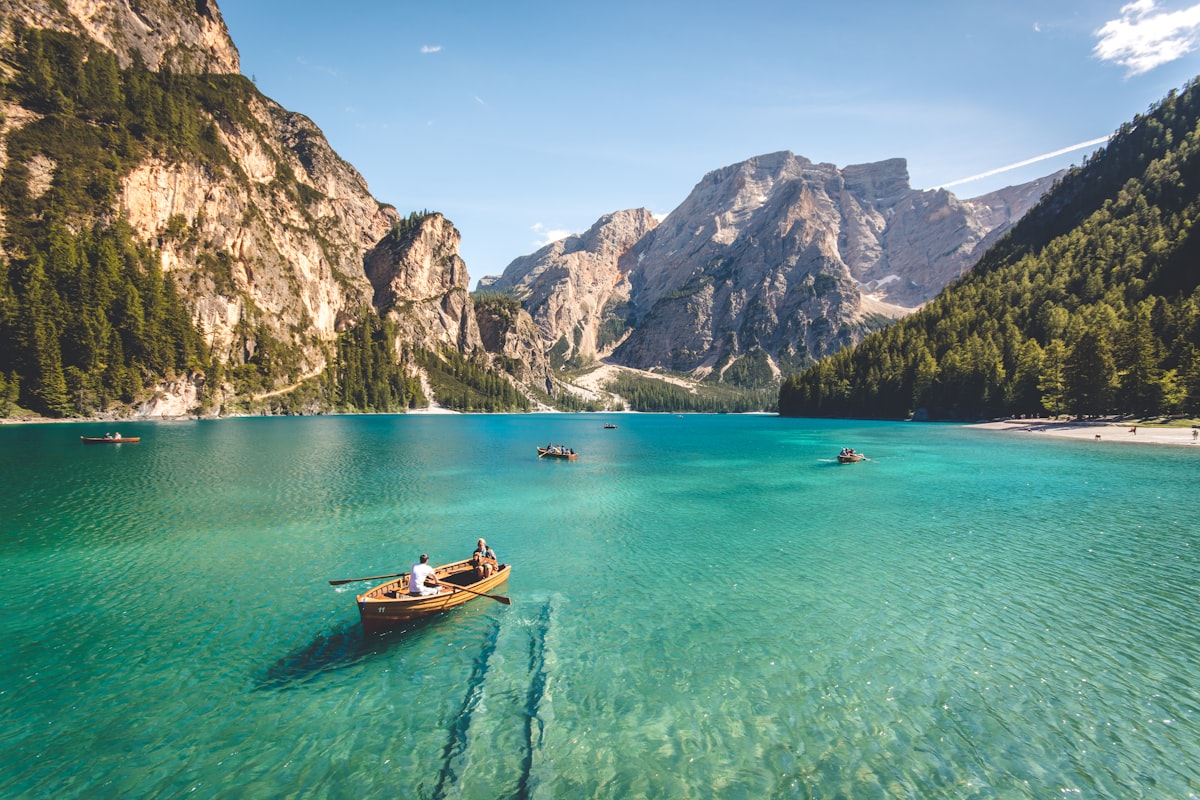
Is your well in Mount Laguna producing less water than it used to? Hydrofracturing (also called hydrofracking) could be the solution to restore and even improve your well's water production without the expense of drilling a new well.
📋 In This Guide
- What is Hydrofracturing?
- Signs Your Mount Laguna Well Needs Hydrofracturing
- The Hydrofracturing Process
- Cost vs. New Well Drilling in Mount Laguna
- Why Choose SCWS for Hydrofracturing?
- Related Articles
Southern California Well Service provides professional hydrofracturing services throughout San Diego County to help homeowners and property owners increase their well yield.
What is Hydrofracturing?
Hydrofracturing is a well rehabilitation technique that uses high-pressure water to clean and expand existing fractures in the bedrock surrounding your well. This process:
- Clears mineral deposits and sediment blocking water flow
- Opens new pathways for groundwater to reach your well
- Can increase well yield by 2-10 times in many cases
- Extends the life of your existing well
Unlike oil and gas fracking, well hydrofracturing uses only clean water—no chemicals are involved.
Signs Your Mount Laguna Well Needs Hydrofracturing
- Declining water production over time
- Well runs dry during peak usage
- Slow recovery rate after pumping
- Pump cycling on and off frequently
- Lower water pressure than previous years
The Hydrofracturing Process
- Initial Assessment: We evaluate your well's current yield and condition
- Equipment Setup: Specialized high-pressure equipment is positioned at your well
- Isolation: Packers seal off sections of the well for targeted treatment
- Pressurization: Water is pumped at 500-3,000 PSI to fracture bedrock
- Development: Well is cleaned and tested for improved yield
Cost vs. New Well Drilling in Mount Laguna
In Mount Laguna, drilling a new well can cost $15,000-$50,000+ depending on depth. Hydrofracturing typically costs a fraction of that—often $3,000-$8,000—making it an excellent first option before considering a new well.
Many Mount Laguna wells that appear to be "going dry" can be successfully rehabilitated through hydrofracturing, saving homeowners tens of thousands of dollars.
Why Choose SCWS for Hydrofracturing?
- Founded 2020 · 60+ Years Family Heritage: We've rehabilitated thousands of wells across Southern California
- Licensed C-57 Contractor. CSLB License #1086994. Fully licensed for well drilling and service in California
- Specialized Equipment: Professional-grade hydrofracturing equipment
- Free Estimates: We'll assess your well and provide honest recommendations
Need Help With Your Well in Mount Laguna?
Our expert technicians serve Mount Laguna and all of San Diego County with professional well services.
Related Articles
Continue learning about well maintenance and troubleshooting

Signs Your Well Pump Is Failing
Catch pump problems early before you lose water completely.
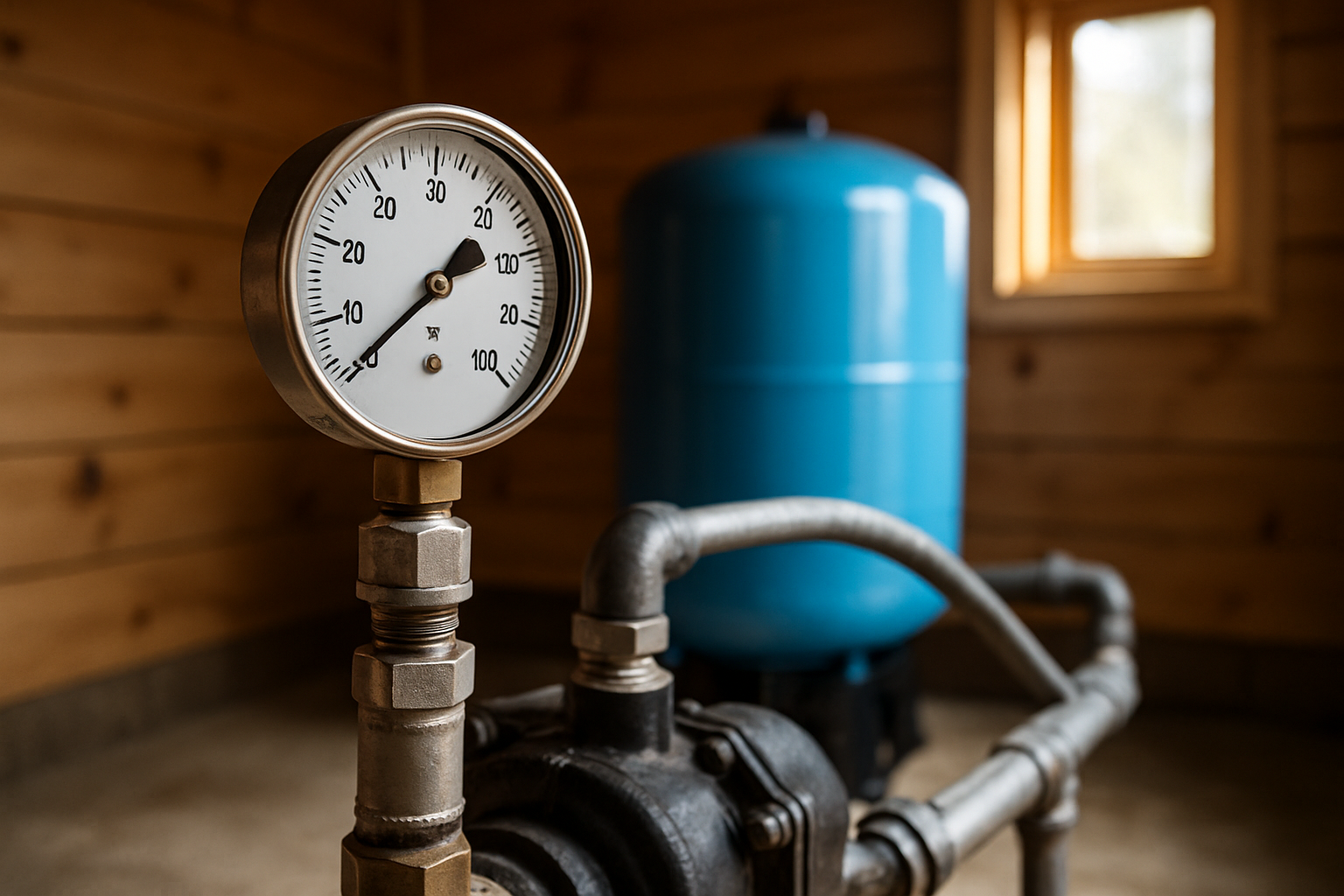
Low Water Pressure From Well
Diagnose and fix pressure problems before they get worse.
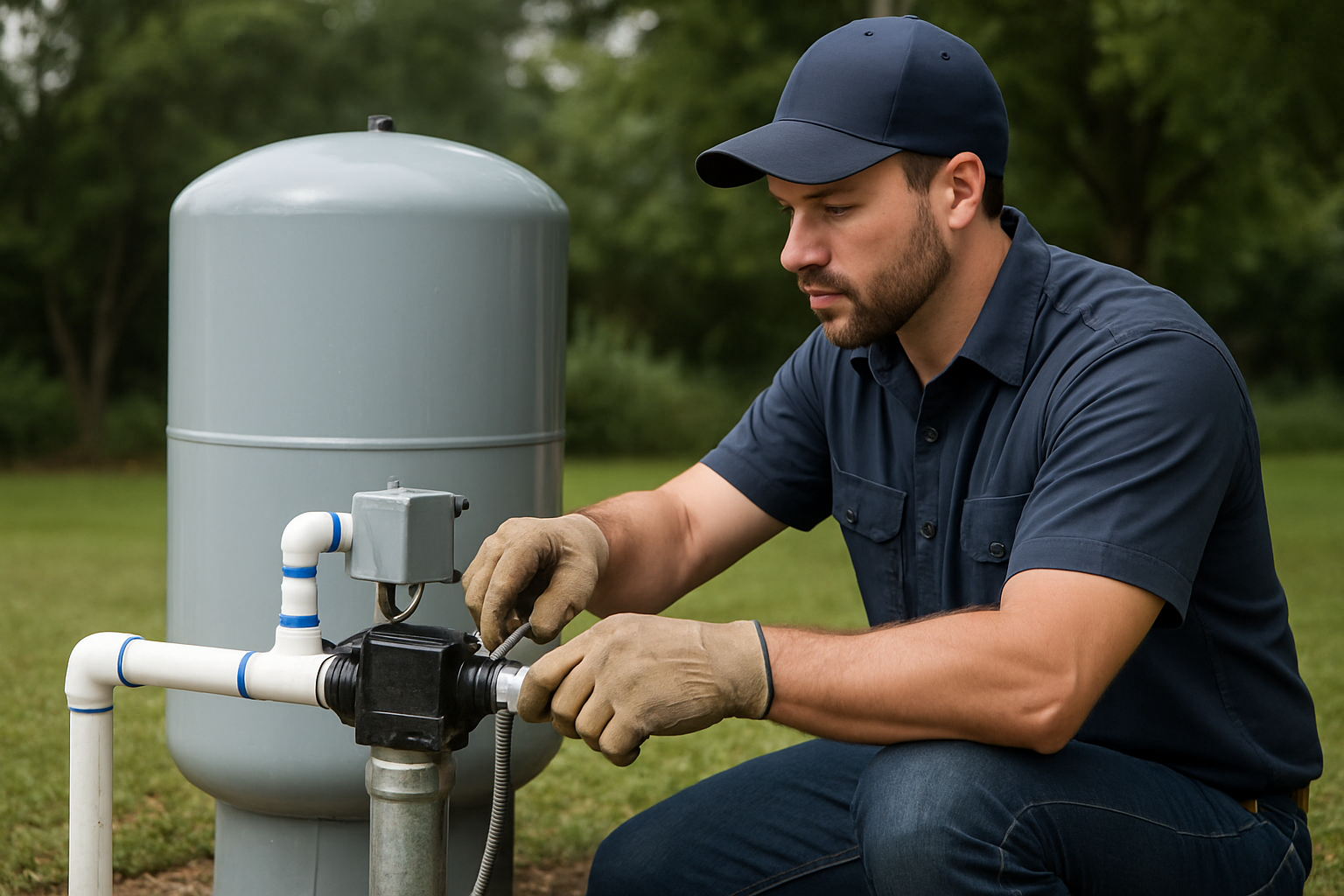
Well Maintenance Guide
Keep your well running smoothly with regular maintenance.
Our Locations
1077 Main St, Ramona, CA 92065
57174 CA-371 (US Hwy 79), Anza, CA 92539
Hydrofracturing for Mountain Wells in Mount Laguna
Mount Laguna is about as remote and high as private wells get in San Diego County. Sitting near 6,000 feet on the eastern edge of the Cleveland National Forest, in a forest of Jeffrey pine along the Sunrise Highway, this small mountain community is far from any municipal water main. Homes and cabins up here, and the scattered properties down toward Pine Valley and Laguna Junction, rely entirely on private wells drilled into the fractured granite of the Laguna Mountains. When one of those wells starts producing less than it used to, hydrofracturing (hydrofracking) is often the most cost-effective way to bring it back, and it is exactly the kind of fractured-rock well the technique was designed for.
Southern California Well Service works the San Diego backcountry from our Ramona office, so we are familiar with the granite, the elevation, and the seasonal water-table swings that affect wells up on the mountain.
The Process, Step by Step
Hydrofracturing restores flow by reopening the natural cracks in the bedrock that feed your well, using nothing but clean water under pressure. First, we lower an inflatable packer into the casing and inflate it to isolate a target zone of the borehole. Then we inject clean water into that zone at roughly 1,500 to 3,000+ PSI. The pressure clears mineral scale and fine sediment out of the existing fractures and extends them so they link up with additional water-bearing cracks in the granite. The on-site high-pressure work generally takes 4 to 8 hours, and on deeper wells we often treat more than one zone. No chemicals are used at any point.
Why Laguna Mountain Geology Is Ideal
The Laguna Mountains are part of the Peninsular Ranges, made of hard, fractured granitic rock. In this kind of formation, groundwater moves through a network of fractures rather than sitting in a sandy aquifer, so a well's productivity depends almost entirely on how well its borehole connects to those fractures. That is precisely the situation hydrofracturing is built to improve. Because the rock up here is solid and fractured, the high-pressure water has something to push against, cleaning and extending real cracks. Wells in loose, unconsolidated material would not respond, but Mount Laguna's granite is an excellent candidate.
At this elevation, the water table also tends to drop noticeably in late summer and through dry winters, which is why a marginal well on the mountain can feel fine in spring and run short by September. Improving fracture connectivity gives the well more capacity to draw from, which helps most during exactly those tight months.
Signs Your Mount Laguna Well Is Struggling
- The well draws down quickly and is slow to recover after heavy use.
- You run low during dry spells or late in the season.
- Yield has steadily declined over several years.
- A relatively new well came in with disappointing flow despite being drilled into granite.
Check the Equipment Before You Treat
Not every "low water" problem on the mountain is the well. We always confirm the diagnosis first, because the fix is sometimes a failing submersible pump, a waterlogged pressure tank, a faulty pressure switch, or a leak in the line. A proper flow test measures actual production and recovery and tells us whether hydrofracturing is warranted. That diagnostic is $125 and is credited toward the job if you proceed, so you are never paying for a treatment you do not need.
This Is Licensed Work
In California, water-well work must be done by a contractor holding a C-57 license. Southern California Well Service is fully licensed (CSLB #1086994), with founded in 2020, with 60+ years of family heritage, which matters when you are weighing a several-thousand-dollar decision about your only water source up in the forest.
Realistic Costs at Mount Laguna
- Hydrofracturing: roughly $3,000 to $8,000, depending on depth and zones treated.
- New well, turnkey: roughly $18,000 to $42,000 — far more, and harder to permit and access at this elevation.
- Diagnostic / flow test: $125, credited toward your project.
- Submersible pump (if needed): $2,500 to $5,500.
- Pressure tank (if needed): $600 to $1,500.
Given how expensive and logistically difficult new drilling is on the mountain, rehabilitating an existing well first almost always makes sense.
What Results Look Like
In fractured-granite mountain conditions like Mount Laguna's, hydrofracturing improves yield in roughly 70 to 80 percent of wells, with typical gains of 2 to 5 times the pre-treatment flow. We document everything with a before-and-after flow test, usually verified within 24 to 48 hours, so you can see exactly what your well gained.
Serving Mount Laguna and the Sunrise Highway Corridor
From Ramona we serve Mount Laguna, Pine Valley, Laguna Junction, and the surrounding Cleveland National Forest communities along the Sunrise Highway. We are used to working remote, high-elevation properties, and we bring the right equipment for granite wells the first time.
Planning Around the Mountain Seasons
Timing matters at this elevation. The most telling time to flow-test a Mount Laguna well is in late summer or fall, when the water table is at its lowest and the well's true sustained yield is easiest to measure. A test in spring, right after the wet season, can make a marginal well look healthier than it is in August. We factor the season into our recommendation so the numbers reflect your real worst-case demand, not a temporary high.
Winter access is the other practical consideration. Mount Laguna gets snow, and the Sunrise Highway and side roads can ice over, so we schedule treatments for clear-weather windows whenever possible and bring equipment suited to remote, high-elevation sites. Because we are based in Ramona rather than down in the city, we can usually reach the mountain on short notice when a window opens. If your well is already tight heading into summer, it is worth getting on the schedule early rather than waiting until you are hauling water during a dry September.
One more point specific to cabins and seasonal homes: a well that sits unused for months can develop sediment buildup and biofouling in its fractures, which compounds the natural decline. Hydrofracturing clears that material along with the mineral scale, which is part of why intermittently used mountain wells often respond especially well to treatment.
Bring Your Mount Laguna Well Back to Life
If your mountain well is producing less than it should, start with a diagnostic and flow test. Call (760) 440-8520 or text (760) 219-5877. With a licensed C-57 crew, decades of backcountry experience, and same-day emergency service, Southern California Well Service can restore your water without the cost and hassle of drilling a new well at altitude.
Frequently Asked Questions
How much does hydrofracturing cost in Mount Laguna?
It typically runs about $3,000 to $8,000, depending on well depth and how many zones we treat. That is far less than a new well, which runs roughly $18,000 to $42,000 turnkey and is especially expensive to permit and access at Mount Laguna's elevation. The $125 diagnostic flow test is credited toward the work if you proceed.
Why is hydrofracturing well suited to Laguna Mountain wells?
Mount Laguna wells are drilled into hard, fractured granite of the Peninsular Ranges, where water moves through cracks rather than a sandy aquifer. The high-pressure water cleans and extends those fractures, which is exactly what improves yield in this kind of rock.
My well is fine in spring but runs low by late summer. Will this help?
Often, yes. At Mount Laguna's elevation the water table drops in late summer and dry winters, so a marginal well runs short seasonally. Improving fracture connectivity gives the well more capacity to draw from during those tight months.
Could my low water just be the pump or tank?
Yes, and we check that first. A failing submersible pump, waterlogged pressure tank, bad pressure switch, or a line leak can all mimic a low-yield well. Our flow test tells us definitively before we recommend hydrofracturing.
Are chemicals used in the process?
No. Water-well hydrofracturing uses only clean water under pressure. It is unrelated to oil-and-gas fracking and adds nothing to your drinking water.
Do you service remote properties on the Sunrise Highway?
Yes. From Ramona we cover Mount Laguna, Pine Valley, Laguna Junction, and the surrounding Cleveland National Forest area, including same-day emergency service, and we come equipped for remote granite wells.