
Hydrofracturing Well Services in Mountain View, CA
Is your well in Mountain View producing less water than it used to? Hydrofracturing (also called hydrofracking) could be the solution to restore and even improve your well's water production without the expense of drilling a new well.
📋 In This Guide
- What is Hydrofracturing?
- Signs Your Mountain View Well Needs Hydrofracturing
- The Hydrofracturing Process
- Cost vs. New Well Drilling in Mountain View
- Why Choose SCWS for Hydrofracturing?
- Related Articles
Southern California Well Service provides professional hydrofracturing services throughout San Diego County to help homeowners and property owners increase their well yield.
What is Hydrofracturing?
Hydrofracturing is a well rehabilitation technique that uses high-pressure water to clean and expand existing fractures in the bedrock surrounding your well. This process:
- Clears mineral deposits and sediment blocking water flow
- Opens new pathways for groundwater to reach your well
- Can increase well yield by 2-10 times in many cases
- Extends the life of your existing well
Unlike oil and gas fracking, well hydrofracturing uses only clean water—no chemicals are involved.
Signs Your Mountain View Well Needs Hydrofracturing
- Declining water production over time
- Well runs dry during peak usage
- Slow recovery rate after pumping
- Pump cycling on and off frequently
- Lower water pressure than previous years
The Hydrofracturing Process
- Initial Assessment: We evaluate your well's current yield and condition
- Equipment Setup: Specialized high-pressure equipment is positioned at your well
- Isolation: Packers seal off sections of the well for targeted treatment
- Pressurization: Water is pumped at 500-3,000 PSI to fracture bedrock
- Development: Well is cleaned and tested for improved yield
Cost vs. New Well Drilling in Mountain View
In Mountain View, drilling a new well can cost $15,000-$50,000+ depending on depth. Hydrofracturing typically costs a fraction of that—often $3,000-$8,000—making it an excellent first option before considering a new well.
Many Mountain View wells that appear to be "going dry" can be successfully rehabilitated through hydrofracturing, saving homeowners tens of thousands of dollars.
Why Choose SCWS for Hydrofracturing?
- Founded 2020 · 60+ Years Family Heritage: We've rehabilitated thousands of wells across Southern California
- Licensed C-57 Contractor. CSLB License #1086994. Fully licensed for well drilling and service in California
- Specialized Equipment: Professional-grade hydrofracturing equipment
- Free Estimates: We'll assess your well and provide honest recommendations
Need Help With Your Well in Mountain View?
Our expert technicians serve Mountain View and all of San Diego County with professional well services.
Related Articles
Continue learning about well maintenance and troubleshooting

Signs Your Well Pump Is Failing
Catch pump problems early before you lose water completely.
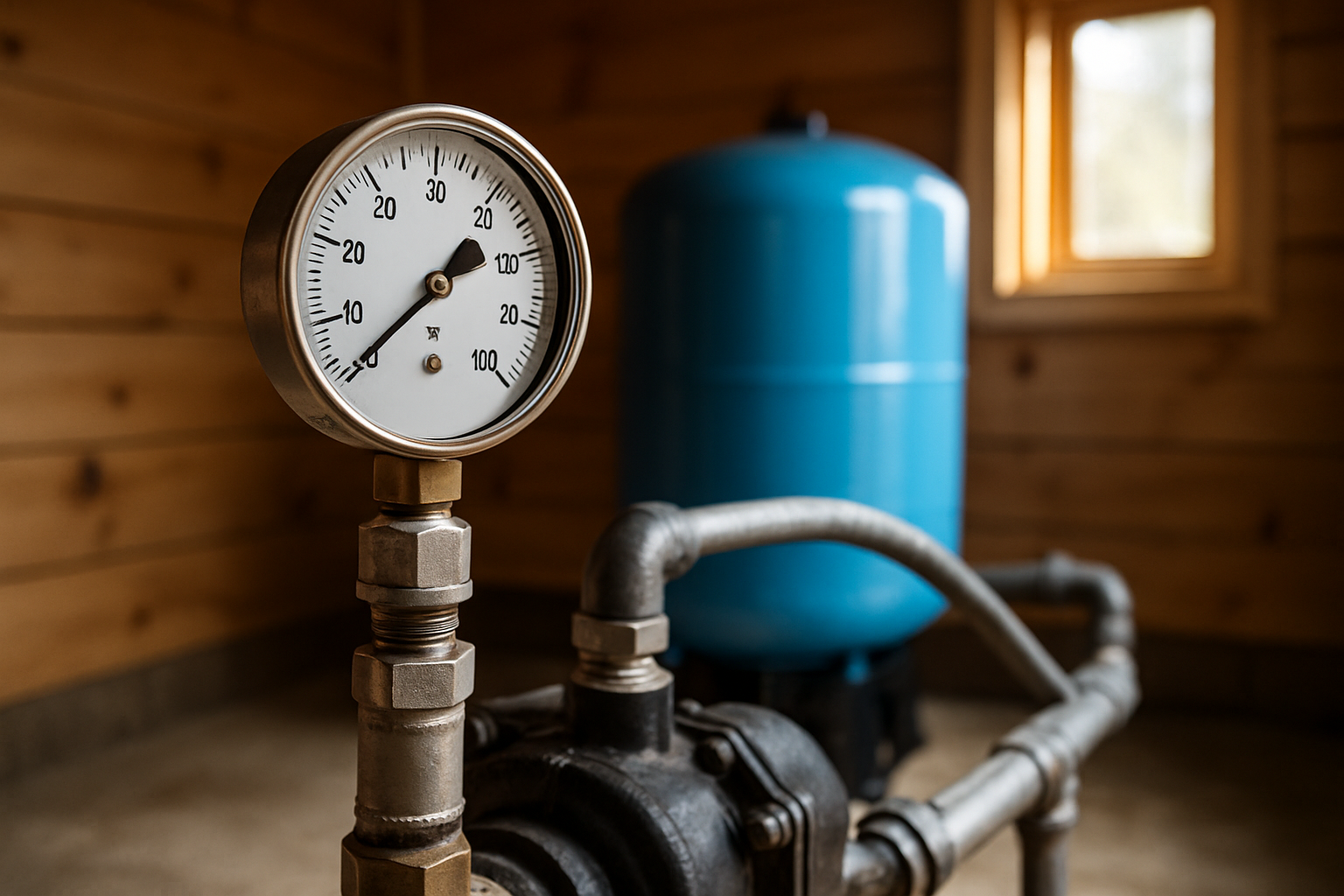
Low Water Pressure From Well
Diagnose and fix pressure problems before they get worse.
Well Maintenance Guide
Keep your well running smoothly with regular maintenance.
Our Locations
1077 Main St, Ramona, CA 92065
57174 CA-371 (US Hwy 79), Anza, CA 92539
Hydrofracturing for Low-Yield Wells in Mountain View
Mountain View is an established residential neighborhood in southeastern San Diego, in San Diego County, sitting between the San Diego River corridor and the Chollas Creek drainage, near communities like Logan Heights, Southcrest, and Shelltown. Like most of urban San Diego, Mountain View is served by the City of San Diego's municipal water system, so working private wells are uncommon within the neighborhood itself. The low ground here is built on alluvial and terrace deposits, the sand, silt, and gravel laid down by the creeks and river over time. That geology shapes the honest answer to the hydrofracturing question: a well set in this kind of loose valley-floor fill is generally a poor candidate, and we believe in saying that clearly rather than selling a treatment that will not perform.
Hydrofracturing earns its keep in hard, fractured rock, not in soft sediment. The good candidates around the San Diego area are wells drilled into the decomposed granite and fractured crystalline rock of the surrounding hills and back-country, not the urban valley floors. Which group your well belongs to is the whole question.
How the Process Works and Why Rock Matters
We isolate a section of the open borehole with an inflatable packer, then inject clean water at 1,500 to 3,000 PSI into that sealed zone. In fractured rock, the pressure widens the existing natural fractures, washes the clay and mineral scale out of them, and reconnects them to the well so more groundwater can flow in. The treatment uses only water, no chemicals, and typically takes four to eight hours. The catch is the formation. Loose alluvium will not hold an open fracture; pressurized water just disperses through the grains and the well returns to its old output. That physical reality, not a lack of skill or equipment, is why Mountain View's alluvial setting rarely benefits.
Common Causes of Low Yield in This Setting
- Screen and gravel-pack fouling — fine sediment and bacterial buildup clog the intake of an alluvial well, restricting flow. Rehabilitation, not fracturing, addresses this.
- Worn pump or controls — a tired submersible pump, failed pressure switch, or waterlogged tank often masquerades as a failing well.
- Seasonal aquifer decline — shallow creek-and-river alluvial aquifers drop quickly during dry stretches, leaving shallow wells short.
- Aging casing problems — corrosion or partial collapse in an older well calls for re-lining or replacement rather than high-pressure treatment.
The Honest Recommendation for Valley-Floor Wells
When a Mountain View well draws from alluvium and the flow disappoints, the right answers usually are not hydrofracturing. They are well and screen rehabilitation to clear the clogged intake, deepening or a new well placed where a better aquifer zone exists, or making the most of the municipal water connection that almost every property in the area already has. For irrigation-only wells, a pump upgrade plus a constant-pressure or booster system frequently solves the practical problem without any work on the aquifer at all. We point customers toward these durable fixes because they work, and because recommending an ineffective treatment would not be fair to you.
Where Hydrofracturing Is the Right Call
Move up into the harder rock of San Diego County's hills and back-country and the calculation flips. Wells drilled into decomposed granite and fractured crystalline rock are exactly what hydrofracturing was designed for, and in those settings we routinely see strong improvement. If your property happens to sit on a rock bench rather than the creek-bottom fill, the same method that fails in sand can substantially raise your yield. Your well completion report, which lists the formation at the bottom of the borehole, is the quickest way to know which situation you are in.
A Note on the Local Aquifer
The shallow aquifers beneath the Mountain View area are tied to the San Diego River and Chollas Creek systems. These creek-and-river alluvial aquifers recharge and decline relatively quickly with the seasons and the rainfall of any given year, which is why a shallow well here can feel strong one year and short the next. That responsiveness is normal for valley-floor sediment and is not something hydrofracturing can change. Understanding how your well interacts with that shallow aquifer, and whether you would be better served by deeper drilling or by leaning on city water, is a core part of the honest assessment we provide.
What to Check Before Calling
- Read your well log. Rock or sediment at the bottom is the deciding fact for whether hydrofracturing applies.
- Eliminate the inexpensive causes. A pressure switch ($150-$350) or a waterlogged tank ($600-$1,500) is far cheaper to fix than anything downhole.
- Look at the water. Sand or cloudiness suggests a screen issue; a slow multi-year decline in a rock well suggests fracture scaling.
- Account for city water. A reliable municipal connection changes how much it makes sense to invest in a struggling well.
When to Call a Professional
Reach out when the well stops meeting your needs, when sand appears in the water, when pressure falls and the simple fixes are ruled out, or when you just want a frank assessment before spending money in a neighborhood where city water is available. Our $125 diagnostic, credited toward any work we perform, includes a flow test and, where the casing permits, a camera survey so the recommendation is based on what we actually see downhole.
Realistic Costs Around Mountain View
On a suitable bedrock-margin well, hydrofracturing runs $3,000-$8,000, while a turnkey new well runs $18,000-$42,000. Supporting work is priced as: pressure switch $150-$350, pressure tank $600-$1,500, submersible pump $2,500-$5,500, sediment filtration $300-$900, iron and manganese treatment or softener $1,500-$3,500, and a constant-pressure or booster system $2,000-$4,500. Properly abandoning a failed or unused well runs $1,500-$5,000, an important consideration on the tight lots of an urban neighborhood.
Serving Mountain View and San Diego County
Southern California Well Service has worked across San Diego County since 2020, from the urban valleys to the granite back-country. We serve the Mountain View area and nearby communities including Logan Heights, Southcrest, Shelltown, and the wider San Diego region from our Ramona and Anza offices. We are a licensed C-57 contractor (CSLB #1086994) with we offer same-day emergency service when a well fails.
What a Service Visit Looks Like in Mountain View
Urban well work has its own rhythm. Lots are small, neighbors are close, and nearly every property has a municipal connection to fall back on, so we plan the visit around minimal disruption. We begin with a baseline flow test that measures your well's current output in gallons per minute. Where the casing allows, we run a downhole camera to inspect the screen, casing condition, and any rock fractures, which immediately confirms whether your well sits in alluvium or in bedrock. Then we explain the realistic options in writing, with costs attached to each, so you can weigh a well repair fairly against the city water you almost certainly have available. If we proceed with a rehabilitation or, for a suitable rock well, a hydrofracturing treatment, we re-test afterward and provide a documented before-and-after flow comparison. The diagnostic fee is credited toward any work you authorize, and there is never any pressure to move forward.
Mountain View Hydrofracturing FAQ
Will hydrofracturing help my Mountain View well?
Probably not if it draws from the neighborhood's alluvial fill, since hydrofracturing needs fractured rock. Wells up in the surrounding rock country are far better candidates, and the diagnostic tells us which you have.
My well produces sand. What does that mean?
Sand almost always indicates a screen or development problem in an alluvial well, which is corrected through rehabilitation rather than hydrofracturing.
I am on city water. Should I bother fixing the well?
Sometimes the honest answer is no. We will compare the cost of a repair against your municipal supply and tell you straight which makes more sense.
Is the treatment safe for groundwater?
Yes. It uses only clean water under pressure, with no chemicals, and does not contaminate the aquifer.
How do I find out what rock my well is in?
Your completion report lists the bottom formation, and we can verify it with a downhole camera during the diagnostic.
If my well cannot be fractured, what then?
We offer rehabilitation, deepening, a new well, or pump and pressure upgrades, and we will recommend whichever genuinely fits your needs.
Get an Honest Assessment of Your Mountain View Well
If your well in the Mountain View area is underperforming, let us assess it honestly before you spend. Call Southern California Well Service at (760) 440-8520, text (760) 219-5877, or request a free estimate. Same-day emergency service is available throughout San Diego County.