
Hydrofracturing Well Services in Near Me, CA
Is your well in Near Me producing less water than it used to? Hydrofracturing (also called hydrofracking) could be the solution to restore and even improve your well's water production without the expense of drilling a new well.
📋 In This Guide
- What is Hydrofracturing?
- Signs Your Near Me Well Needs Hydrofracturing
- The Hydrofracturing Process
- Cost vs. New Well Drilling in Near Me
- Why Choose SCWS for Hydrofracturing?
- Related Articles
Southern California Well Service provides professional hydrofracturing services throughout San Diego County to help homeowners and property owners increase their well yield.
What is Hydrofracturing?
Hydrofracturing is a well rehabilitation technique that uses high-pressure water to clean and expand existing fractures in the bedrock surrounding your well. This process:
- Clears mineral deposits and sediment blocking water flow
- Opens new pathways for groundwater to reach your well
- Can increase well yield by 2-10 times in many cases
- Extends the life of your existing well
Unlike oil and gas fracking, well hydrofracturing uses only clean water—no chemicals are involved.
Signs Your Near Me Well Needs Hydrofracturing
- Declining water production over time
- Well runs dry during peak usage
- Slow recovery rate after pumping
- Pump cycling on and off frequently
- Lower water pressure than previous years
The Hydrofracturing Process
- Initial Assessment: We evaluate your well's current yield and condition
- Equipment Setup: Specialized high-pressure equipment is positioned at your well
- Isolation: Packers seal off sections of the well for targeted treatment
- Pressurization: Water is pumped at 500-3,000 PSI to fracture bedrock
- Development: Well is cleaned and tested for improved yield
Cost vs. New Well Drilling in Near Me
In Near Me, drilling a new well can cost $15,000-$50,000+ depending on depth. Hydrofracturing typically costs a fraction of that—often $3,000-$8,000—making it an excellent first option before considering a new well.
Many Near Me wells that appear to be "going dry" can be successfully rehabilitated through hydrofracturing, saving homeowners tens of thousands of dollars.
Why Choose SCWS for Hydrofracturing?
- Founded 2020 · 60+ Years Family Heritage: We've rehabilitated thousands of wells across Southern California
- Licensed C-57 Contractor. CSLB License #1086994. Fully licensed for well drilling and service in California
- Specialized Equipment: Professional-grade hydrofracturing equipment
- Free Estimates: We'll assess your well and provide honest recommendations
Need Help With Your Well in Near Me?
Our expert technicians serve Near Me and all of San Diego County with professional well services.
Related Articles
Continue learning about well maintenance and troubleshooting

Signs Your Well Pump Is Failing
Catch pump problems early before you lose water completely.
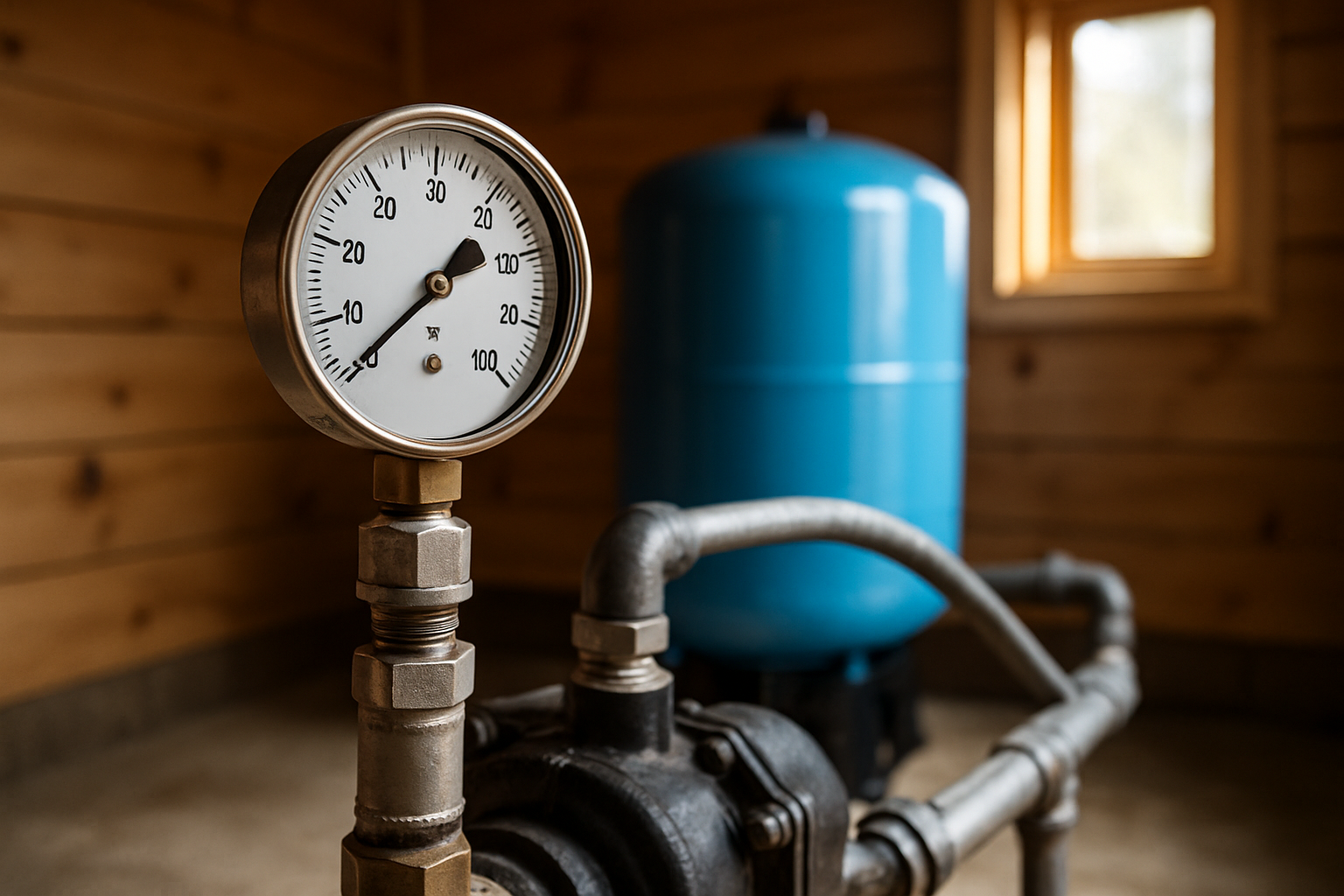
Low Water Pressure From Well
Diagnose and fix pressure problems before they get worse.
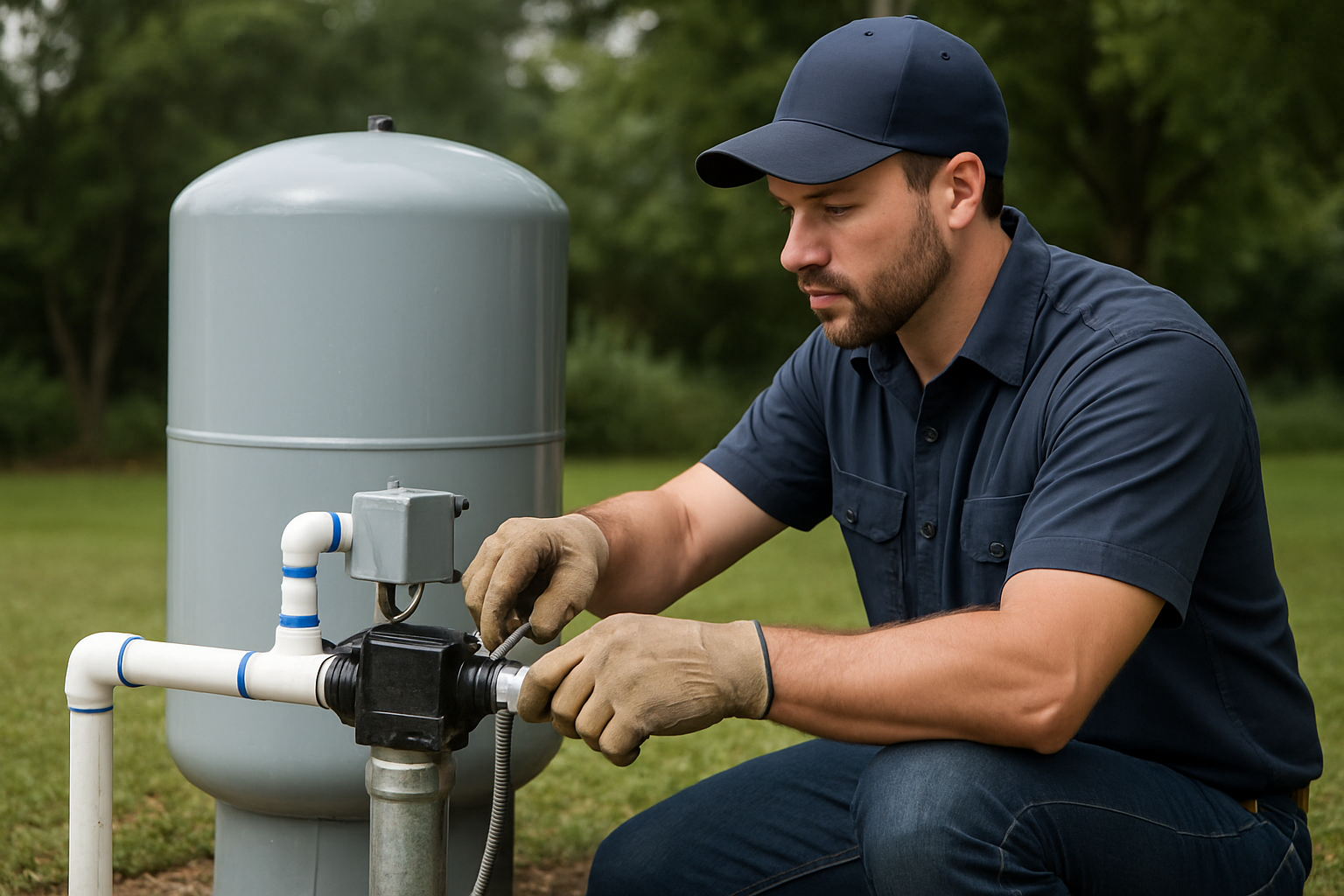
Well Maintenance Guide
Keep your well running smoothly with regular maintenance.
Our Locations
1077 Main St, Ramona, CA 92065
57174 CA-371 (US Hwy 79), Anza, CA 92539
Hydrofracturing to Restore and Boost Low-Yield Wells Near You
When a private well stops keeping up with the household — the pressure tank short-cycles, the shower goes weak by late afternoon, or the pump runs dry after a long irrigation set — the instinct is to assume the well is finished and a costly new one is the only option. In the fractured-bedrock country that covers most of Southern California, that is rarely true. Hydrofracturing (often spelled hydrofracking, and not to be confused with oil-and-gas fracking) is a clean, water-only well-rehabilitation method that reopens and extends the natural fractures feeding your well, frequently restoring — and often exceeding — the yield you had years ago. Southern California Well Service has performed this work across San Diego, Riverside, and San Bernardino counties since 2020, and for the right well it is one of the best dollar-for-gallon investments a property owner can make.
How Hydrofracturing Actually Works
Most domestic and agricultural wells in our region are drilled into hard rock — decomposed granite, weathered granodiorite, and fractured crystalline bedrock in the inland valleys and foothills, and similar igneous and metamorphic formations in the high desert. Water does not sit in a giant underground lake; it travels through a network of cracks and fissures. Over the life of a well, those fractures gradually plug with fine silt, clay, mineral scale, and biological growth, choking the flow. A well that once produced 12 gallons per minute can quietly fade to 3 or 4.
Hydrofracturing reverses that. We lower an inflatable packer into the borehole below the casing and inflate it to seal off a target zone. Clean water is then injected at controlled pressure — typically 1,000 to 3,000+ PSI — which flushes the debris out of existing fractures, reopens partially collapsed ones, and extends fractures deeper into the surrounding rock to intersect water-bearing zones the original drilling missed. We usually treat the well in stages, isolating one interval at a time so the energy is concentrated where it does the most good. No chemicals are used; the only inputs are water and pressure, which is why the method is compatible with potable drinking-water wells.
Signs Your Well May Be a Good Candidate
- Declining production over the years — your well delivers noticeably less than it did when it was new.
- A new well with disappointing yield — the driller hit rock but the flow came in low, a very common candidate for fracturing.
- Slow recovery — after heavy use the water level takes hours to come back.
- Seasonal shortfalls — the well keeps up in winter but runs short during the dry summer demand peak.
- Pump short-cycling or running dry — the pump cannot find enough water to satisfy the pressure switch.
Hydrofracturing works best in competent hard rock that holds open fractures. Wells finished in loose sand, gravel, or unconsolidated alluvium are generally not candidates — those formations need a different approach, and we will tell you honestly during the assessment rather than sell you a treatment that will not help.
What to Check Before You Call
A little homeowner detective work helps us diagnose faster:
- Find your well log. The original driller's report lists depth, casing, static water level, and the tested yield at completion — the single most useful document you can hand us.
- Time your recovery. Note how long it takes the well to rebuild after you have drawn it down. A slow rebuild points to a feed-rate (yield) problem rather than a pump problem.
- Rule out the pump and pressure system first. A failing pump, a waterlogged pressure tank, or a bad pressure switch can mimic low yield. We run a diagnostic to separate a tired pump from a tired aquifer before recommending fracturing.
- Watch for sediment. Sudden cloudiness or sand can indicate casing or formation issues that should be inspected on camera first.
Our Process, Step by Step
- Baseline flow test — we measure your current sustained yield so improvement can be proven, not guessed.
- Downhole video inspection — a camera survey confirms casing condition and identifies the fracture zones worth targeting.
- Staged hydrofracturing — high-pressure injection at the selected intervals; the field work usually takes four to eight hours.
- Post-treatment flow test — we re-measure yield, typically once the well has settled over 24 to 48 hours.
- Documented results — a clear before-and-after comparison so you know exactly what you gained.
Realistic Costs — and How They Compare
Hydrofracturing in our service area generally runs $3,000 to $8,000 depending on well depth, the number of zones treated, and site access. Compare that to drilling a brand-new well, which is typically an $18,000 to $42,000 turnkey project once you include drilling, casing, a new pump, wiring, and permitting. Even when fracturing is not a permanent fix, it often buys many additional years of reliable service for a fraction of replacement cost. Our diagnostic visit is $125 and is credited toward the work if you proceed. While we are on site we can also address related issues at known price ranges — a pressure switch runs $150–$350, a pressure tank $600–$1,500, and a replacement pump $2,500–$5,500 — so a single trip often solves more than one problem.
In our experience across Southern California's hard-rock terrain, hydrofracturing improves yield in roughly 70–80% of suitable wells, with typical gains of two to five times the pre-treatment flow rate. Results vary well to well, and we never promise a specific number sight unseen — but the odds, and the economics, strongly favor trying fracturing before committing to a new borehole.
When to Call a Professional
Hydrofracturing is not a do-it-yourself job. It requires high-pressure pumps, packers rated for downhole conditions, and the judgment to read a well log and a video survey correctly. Mis-applied pressure can damage casing or fracture in the wrong place. If your well is losing ground, the smart move is a professional assessment first: it tells you whether you are dealing with a pump problem, a yield problem, or a casing problem, and it keeps you from spending new-well money on a well that simply needs to be reopened. Because we are a licensed C-57 water-well contractor with our own drilling and service rigs, we can diagnose, fracture, and — if it ever proves necessary — replace, all under one roof.
Serving Wells Across Southern California
Southern California Well Service operates from two offices — 1077 Main St, Ramona, CA 92065 and 57174 CA-371 (US Hwy 79), Anza, CA 92539 — which lets us reach private wells throughout inland San Diego County, the Riverside County mountains and valleys, and the San Bernardino County high desert quickly. From the backcountry around Ramona, Julian, and Valley Center, to the Anza Valley and Aguanga, to the Hesperia–Victorville corridor and the Morongo Basin, we know how local rock behaves and what it takes to coax more water out of it. We hold CSLB #1086994 and offer same-day emergency response when a household has lost water entirely.
Frequently Asked Questions
Is well hydrofracturing the same as oil-and-gas fracking?
No. Oil-and-gas fracking injects water mixed with sand and chemical additives at very high volumes to release hydrocarbons. Water-well hydrofracturing uses only clean water and pressure to clear and extend existing fractures in the rock. There are no chemicals, which is why it is safe for drinking-water wells.
How much can hydrofracturing increase my well's yield?
In suitable hard-rock wells we typically see a two-to-five-times improvement, and roughly 70–80% of good candidates respond. Outcomes depend on the geology, so we measure before and after rather than promise a fixed figure.
Will the improvement last?
For many wells the gain holds for years. Because aquifers and fractures are dynamic, no rehabilitation is guaranteed permanent, but fracturing routinely delivers a long, cost-effective extension of a well's productive life compared with replacement.
How long does the job take and will my water be usable afterward?
Field work is usually four to eight hours. The well is developed and flushed, and after it settles — generally within 24 to 48 hours — the water returns clear. We re-test before we leave so you know your new sustained yield.
How do I know fracturing is worth it instead of just a new pump?
That is exactly what our diagnostic determines. A short flow-and-recovery test plus a video inspection separates a pump or pressure-tank problem from a true yield problem, so you only pay for what your well actually needs.
What does it cost and is the diagnostic refundable?
Hydrofracturing generally runs $3,000 to $8,000. The $125 diagnostic visit is credited toward the work if you move forward, and it is money well spent because it can save you from an unnecessary $18,000–$42,000 new well.
Restore Your Well's Flow — Talk to a Licensed Pro Today
If your well is slipping, do not assume the worst. Let Southern California Well Service measure what you have and tell you honestly whether hydrofracturing can bring it back. Call (760) 440-8520, text us at (760) 219-5877, or request a free estimate. founded in 2020, serving Southern California hard rock, a C-57 license, we will give you a straight answer and a clear path to more water.