
Hydrofracturing Well Services in Oak Grove, CA
Is your well in Oak Grove producing less water than it used to? Hydrofracturing (also called hydrofracking) could be the solution to restore and even improve your well's water production without the expense of drilling a new well.
📋 In This Guide
- What is Hydrofracturing?
- Signs Your Oak Grove Well Needs Hydrofracturing
- The Hydrofracturing Process
- Cost vs. New Well Drilling in Oak Grove
- Why Choose SCWS for Hydrofracturing?
- Related Articles
Southern California Well Service provides professional hydrofracturing services throughout San Diego County to help homeowners and property owners increase their well yield.
What is Hydrofracturing?
Hydrofracturing is a well rehabilitation technique that uses high-pressure water to clean and expand existing fractures in the bedrock surrounding your well. This process:
- Clears mineral deposits and sediment blocking water flow
- Opens new pathways for groundwater to reach your well
- Can increase well yield by 2-10 times in many cases
- Extends the life of your existing well
Unlike oil and gas fracking, well hydrofracturing uses only clean water—no chemicals are involved.
Signs Your Oak Grove Well Needs Hydrofracturing
- Declining water production over time
- Well runs dry during peak usage
- Slow recovery rate after pumping
- Pump cycling on and off frequently
- Lower water pressure than previous years
The Hydrofracturing Process
- Initial Assessment: We evaluate your well's current yield and condition
- Equipment Setup: Specialized high-pressure equipment is positioned at your well
- Isolation: Packers seal off sections of the well for targeted treatment
- Pressurization: Water is pumped at 500-3,000 PSI to fracture bedrock
- Development: Well is cleaned and tested for improved yield
Cost vs. New Well Drilling in Oak Grove
In Oak Grove, drilling a new well can cost $15,000-$50,000+ depending on depth. Hydrofracturing typically costs a fraction of that—often $3,000-$8,000—making it an excellent first option before considering a new well.
Many Oak Grove wells that appear to be "going dry" can be successfully rehabilitated through hydrofracturing, saving homeowners tens of thousands of dollars.
Why Choose SCWS for Hydrofracturing?
- Founded 2020 · 60+ Years Family Heritage: We've rehabilitated thousands of wells across Southern California
- Licensed C-57 Contractor. CSLB License #1086994. Fully licensed for well drilling and service in California
- Specialized Equipment: Professional-grade hydrofracturing equipment
- Free Estimates: We'll assess your well and provide honest recommendations
Need Help With Your Well in Oak Grove?
Our expert technicians serve Oak Grove and all of San Diego County with professional well services.
Related Articles
Continue learning about well maintenance and troubleshooting

Signs Your Well Pump Is Failing
Catch pump problems early before you lose water completely.
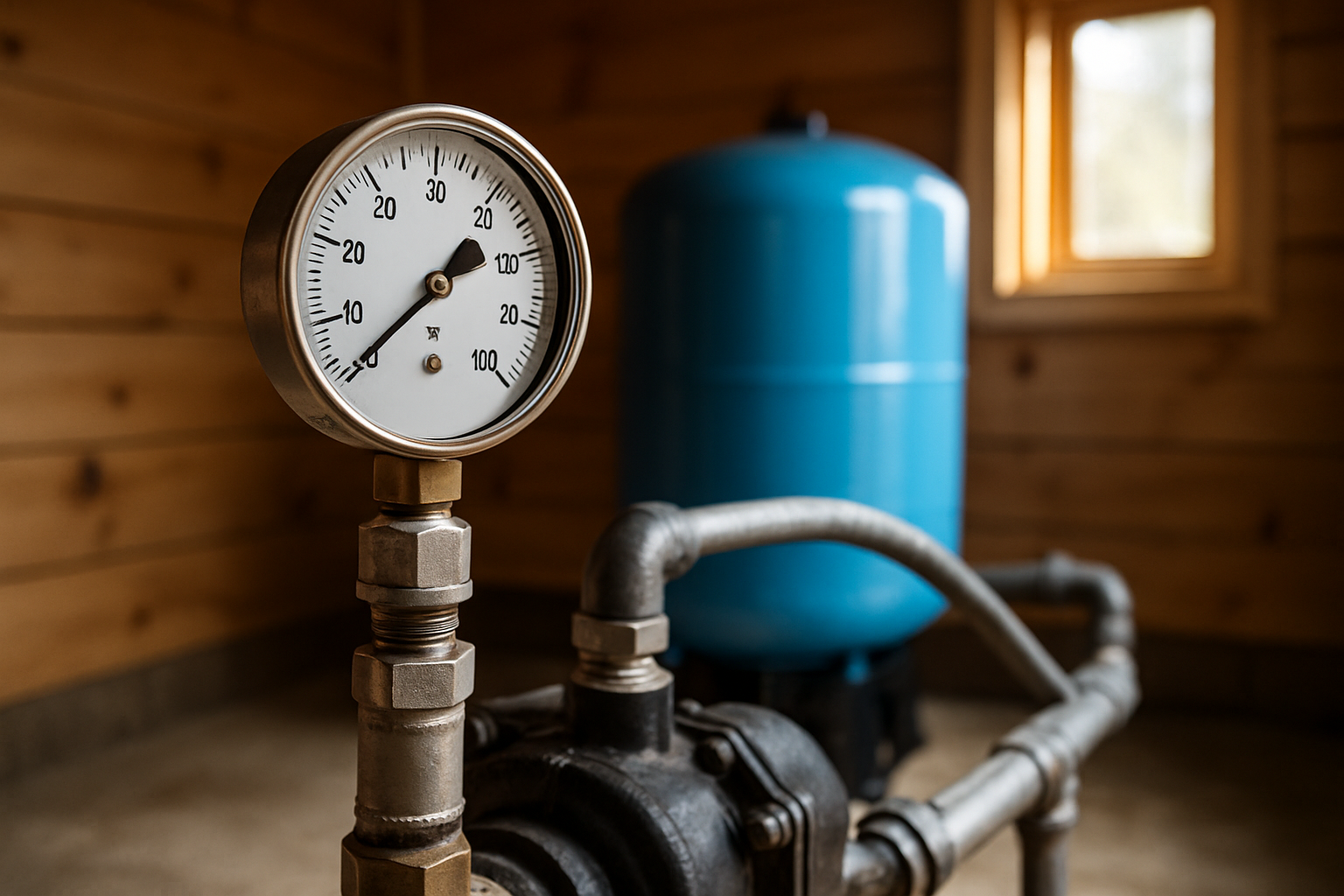
Low Water Pressure From Well
Diagnose and fix pressure problems before they get worse.
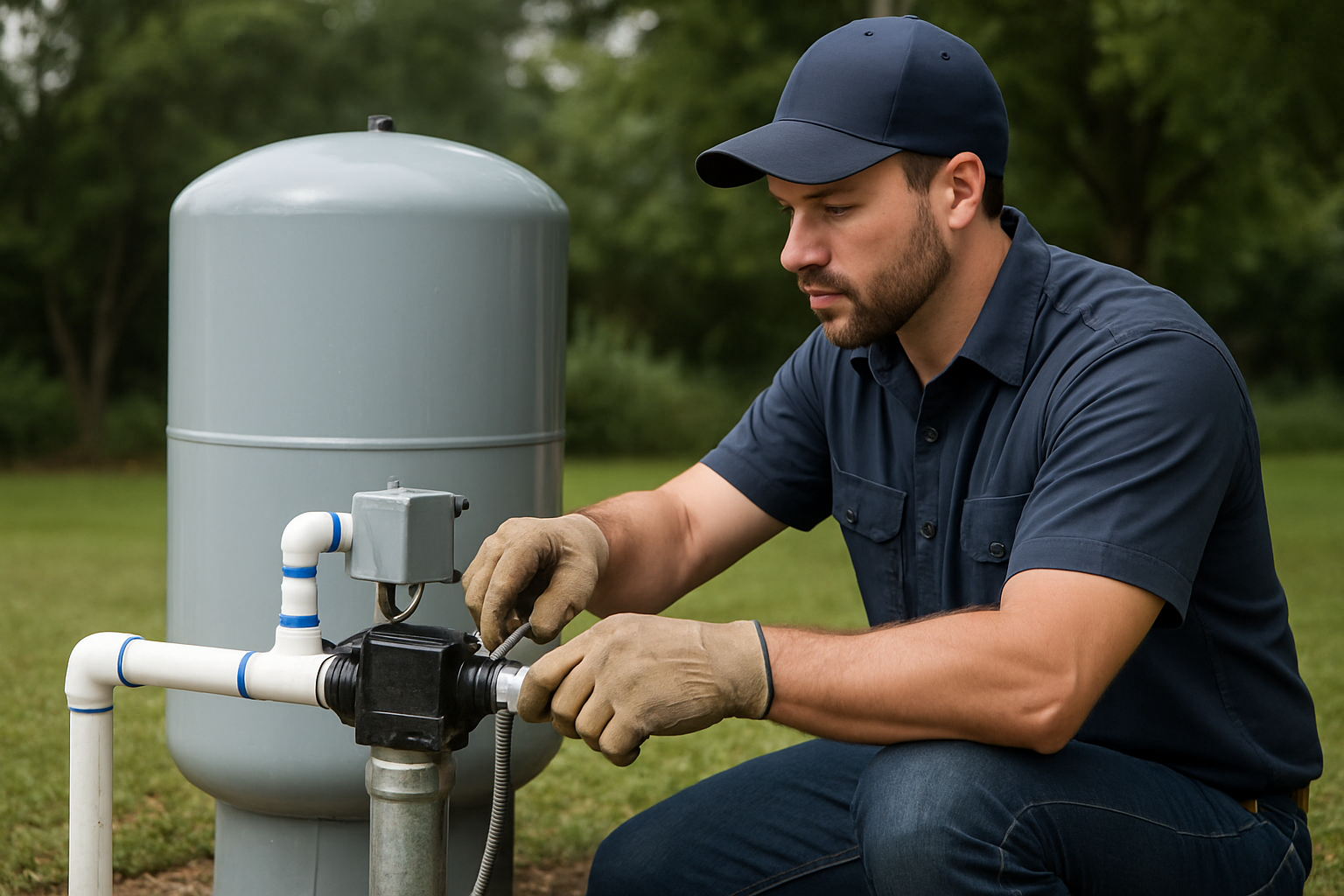
Well Maintenance Guide
Keep your well running smoothly with regular maintenance.
Our Locations
1077 Main St, Ramona, CA 92065
57174 CA-371 (US Hwy 79), Anza, CA 92539
Hydrofracturing for Ranch and Low-Yield Wells in Oak Grove
Out in Oak Grove, water is rarely a quick fix. This is unincorporated, far-northern San Diego County country, strung along State Route 79 between Warner Springs and the county line near Aguanga, where the old Butterfield Overland stage once stopped on its long haul east. Parcels here are big — ranches, horse property, and working agricultural ground sitting at roughly 2,800 feet in the foothills, surrounded by oak woodland and grassland. Almost none of it is on a municipal main. When a household, a herd, or an irrigated stand of pasture depends on a single private well, a drop in yield is not an inconvenience; it is a problem that follows you into chore time every morning.
The good news is that the same geology that makes Oak Grove wells temperamental also makes them excellent candidates for hydrofracturing (often spelled hydrofracking). Wells here are not pulling from a deep, sandy aquifer the way valley-floor wells do. They produce from fractures — cracks and seams in the granitic and decomposed-granite bedrock that underlies most of this part of the county. Water collects and travels through those fractures. Over time the fractures silt up, mineralize, or simply stop feeding the borehole as well as they once did, and yield falls. Hydrofracturing is the technique built specifically to reopen them.
What Hydrofracturing Actually Does
The process is straightforward, though the equipment is specialized. A technician lowers a set of inflatable packers into the well and seats them so a target section of the borehole is sealed off above and below. Clean water is then pumped into that isolated zone at high pressure — commonly somewhere in the 1,500 to 3,000-plus PSI range, depending on depth and rock conditions. That pressure pushes into the existing fractures, flushing out the fine sediment and mineral scale that has been choking them and, just as importantly, extending and connecting fractures so that water from a wider area of rock can find its way to your well.
A point worth making plainly to anyone who has read headlines about oil-and-gas operations: water-well hydrofracturing is a different animal. There are no chemicals, no sand proppants, no slurry. It is clean water and pressure, nothing more. Most jobs run about four to eight hours on site. The well is then redeveloped and flow-tested so you can see, in gallons per minute, what changed.
Why Oak Grove Wells Lose Yield
If your well is producing less than it did a few years ago, you are not imagining it, and you are not alone in the area. Several things tend to happen to fractured-rock wells around Oak Grove:
- Fracture closure and silting. The hairline fractures that feed the well gradually pack with fine material and mineral deposits, narrowing the pathways water uses to reach the borehole.
- Drought and falling static levels. A run of dry years pulls the regional water table down. Fractures that were reliably saturated now sit above the static level for part of the year, so the well draws from a smaller productive zone.
- Heavy seasonal demand. Livestock, irrigated pasture, and household use all peak in the same hot, dry summer months when the well is least able to keep up. The result is a well that recovers slowly after pumping and a pump that short-cycles trying to keep the pressure tank charged.
None of these mean the well is finished. In fractured granite, a declining well is very often a well whose fractures simply need to be reopened.
The Ranch Math: Yield Where Hauling or Re-Drilling Is Costly
This is where Oak Grove differs from a tract neighborhood. On a remote ranch parcel, the cost of not having enough water is high in ways that do not show up on a single invoice. Trucking water in to keep stock tanks and troughs full is expensive and never-ending. Drilling an entirely new well means a rig has to come up SR-79 to a property that may be miles from the nearest paved turnoff, and the bill climbs accordingly. Against that backdrop, squeezing more sustained yield out of the well you already have is usually the smartest first move.
Hydrofracturing targets exactly that: sustained yield, the gallons-per-minute number that determines whether you can water animals, run a line of sprinklers, and fill the house tank without the well running short. For a property that has to support steady livestock and irrigation demand far from town, a two-to-five-times improvement in flow can be the difference between hauling water and forgetting the well is even there.
Good Candidates, Poor Candidates, and What to Check First
Honesty matters here, because hydrofracturing is not a cure-all. Wells completed in hard, fractured crystalline rock and decomposed granite — which describes the great majority of Oak Grove wells — respond well. Wells finished in loose sand or gravel formations do not; there are no rigid fractures to reopen, and pressure simply dissipates into the loose material. Part of a good service call is figuring out, before any pressure goes downhole, which kind of well you have.
A proper job follows a sequence rather than just showing up with a pump truck:
- Pre-treatment flow test. We measure your current yield so there is a real baseline to compare against, not a guess.
- Downhole video inspection. A camera survey shows casing condition and identifies the fracture zones worth targeting, and rules out problems hydrofracturing would not fix.
- Hydrofracturing. High-pressure clean water is injected at the target zones, isolated by packers, over roughly four to eight hours.
- Redevelopment and treatment. The well is cleaned out and, where appropriate, treated to clear loosened sediment.
- Post-treatment flow test. Within a day or two we re-test and document the before-and-after so the result is measured, not assumed.
What It Costs — and How That Compares to a New Well
For most Oak Grove properties, hydrofracturing runs roughly $3,000 to $8,000, depending on well depth, the number of zones treated, and access. A brand-new well, by contrast, typically lands in the $18,000 to $42,000 range once you account for drilling, casing, and the realities of getting equipment onto a remote parcel. If the existing pump also needs replacing, a submersible pump generally runs $2,500 to $5,500. Looked at side by side, treating the well you already have is usually a fraction of the cost of starting over — which is exactly why it is worth trying first. We charge a $125 diagnostic fee that is credited toward the work if you move forward.
That is not a promise that every well will respond. It is a recommendation to test the inexpensive option before committing to the expensive one, and to do it with someone who will tell you honestly when a well is a poor candidate.
When to Call a Professional
Hydrofracturing involves real pressure and downhole equipment; it is not a do-it-yourself project. If you are seeing declining production, a well that runs short during peak summer demand, slow recovery after the pump shuts off, frequent pump cycling, or pressure that is noticeably lower than past years, those are the signals to have the well evaluated. Catching it early — before the well goes effectively dry in August — gives you the widest set of options and the calmest timeline.
Serving Oak Grove and the Warner Springs Area
Southern California Well Service has worked on wells throughout this corner of San Diego County since 2020. We are a licensed C-57 water well contractor with, and we cover Oak Grove, the Warner Springs area, and the surrounding ranch country along SR-79. We operate two offices: 1077 Main St, Ramona, CA 92065 and 57174 CA-371 (US Hwy 79), Anza, CA 92539. For Oak Grove, the Anza office is close by — just up Highway 79 across the county line — which means shorter response times and crews who already know how these foothill wells behave. We also offer same-day emergency service when a property is out of water.
Frequently Asked Questions
Does hydrofracturing work on Oak Grove ranch wells?
Yes. Oak Grove wells are completed in fractured granitic bedrock, which responds well to hydrofracturing when fractures are cleaned and reopened. Wells in loose sand or gravel are the exception and respond poorly.
Can it help supply livestock and irrigation?
Often, yes — hydrofracturing can raise a well's sustained yield, which is exactly what matters on ranch and agricultural parcels with steady stock and irrigation demand.
What does it cost?
Generally $3,000 to $8,000, versus roughly $18,000 to $42,000 for a new well. A $125 diagnostic fee applies and is credited toward the work.
How long does it take?
About four to eight hours on site, followed by a post-treatment flow test within a day or two to confirm the improvement.
Are any chemicals used?
No. Water-well hydrofracturing uses only clean high-pressure water to open the natural fractures — no chemicals, sand, or additives.
Do you serve far-north San Diego County?
Yes. Our Anza office sits just across the line on Highway 79, and we serve Oak Grove and the Warner Springs area with same-day emergency response.
Talk to a Well Specialist
If your Oak Grove well is falling behind, find out whether hydrofracturing can bring it back before you spend on a new one. Call (760) 440-8520 or text (760) 219-5877 to schedule an evaluation. You can also request a free quote or learn more about our well drilling and pump repair services. Southern California Well Service — licensed, experienced, and local to the SR-79 ranch country.