
Hydrofracturing Well Services in Oasis, CA
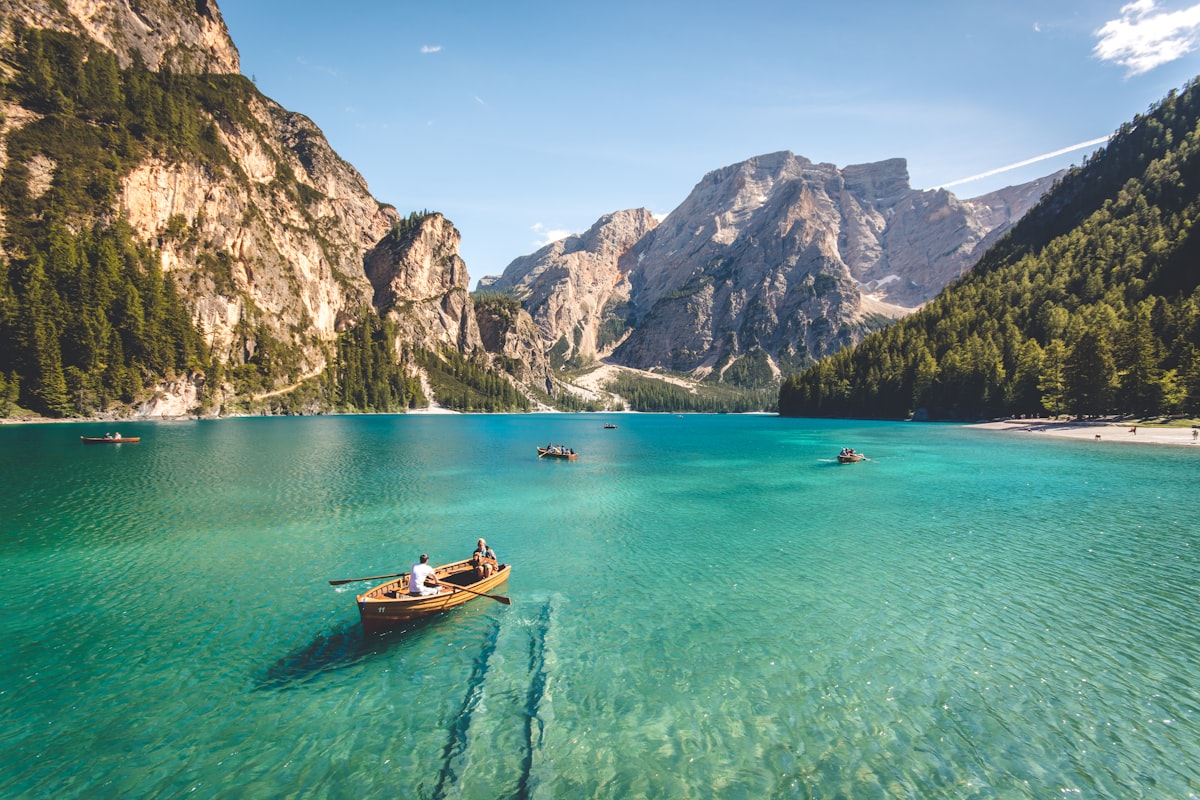
Is your well in Oasis producing less water than it used to? Hydrofracturing (also called hydrofracking) could be the solution to restore and even improve your well's water production without the expense of drilling a new well.
📋 In This Guide
- What is Hydrofracturing?
- Signs Your Oasis Well Needs Hydrofracturing
- The Hydrofracturing Process
- Cost vs. New Well Drilling in Oasis
- Why Choose SCWS for Hydrofracturing?
- Related Articles
Southern California Well Service provides professional hydrofracturing services throughout Riverside County to help homeowners and property owners increase their well yield.
What is Hydrofracturing?
Hydrofracturing is a well rehabilitation technique that uses high-pressure water to clean and expand existing fractures in the bedrock surrounding your well. This process:
- Clears mineral deposits and sediment blocking water flow
- Opens new pathways for groundwater to reach your well
- Can increase well yield by 2-10 times in many cases
- Extends the life of your existing well
Unlike oil and gas fracking, well hydrofracturing uses only clean water—no chemicals are involved.
Signs Your Oasis Well Needs Hydrofracturing
- Declining water production over time
- Well runs dry during peak usage
- Slow recovery rate after pumping
- Pump cycling on and off frequently
- Lower water pressure than previous years
The Hydrofracturing Process
- Initial Assessment: We evaluate your well's current yield and condition
- Equipment Setup: Specialized high-pressure equipment is positioned at your well
- Isolation: Packers seal off sections of the well for targeted treatment
- Pressurization: Water is pumped at 500-3,000 PSI to fracture bedrock
- Development: Well is cleaned and tested for improved yield
Cost vs. New Well Drilling in Oasis
In Oasis, drilling a new well can cost $15,000-$50,000+ depending on depth. Hydrofracturing typically costs a fraction of that—often $3,000-$8,000—making it an excellent first option before considering a new well.
Many Oasis wells that appear to be "going dry" can be successfully rehabilitated through hydrofracturing, saving homeowners tens of thousands of dollars.
Why Choose SCWS for Hydrofracturing?
- Founded 2020 · 60+ Years Family Heritage: We've rehabilitated thousands of wells across Southern California
- Licensed C-57 Contractor. CSLB License #1086994. Fully licensed for well drilling and service in California
- Specialized Equipment: Professional-grade hydrofracturing equipment
- Free Estimates: We'll assess your well and provide honest recommendations
Need Help With Your Well in Oasis?
Our expert technicians serve Oasis and all of Riverside County with professional well services.
Related Articles
Continue learning about well maintenance and troubleshooting

Signs Your Well Pump Is Failing
Catch pump problems early before you lose water completely.
Low Water Pressure From Well
Diagnose and fix pressure problems before they get worse.
Well Maintenance Guide
Keep your well running smoothly with regular maintenance.
Our Locations
1077 Main St, Ramona, CA 92065
57174 CA-371 (US Hwy 79), Anza, CA 92539
Hydrofracturing for Wells Near Oasis, California
Oasis sits in the eastern, lower end of the Coachella Valley, an unincorporated farming community in Riverside County tucked between Thermal and Mecca, with the Santa Rosa Mountains rising to the west and the Salton Sea spread out to the south. If you own land or a home here, you already know how much this place runs on water. The date palms, citrus groves, table grapes, and winter vegetable fields that define the area are only possible because growers can pull reliable groundwater from beneath the valley floor. When a well starts producing less than it used to, it is natural to look for the fastest, least expensive fix — and around the desert Southwest, the word that comes up most often is hydrofracturing.
This page is written to give you an honest answer rather than a sales pitch. Hydrofracturing is a genuinely useful tool, but it is the right tool for a fairly specific kind of well. For most agricultural and domestic wells on the Oasis valley floor, it is usually not the solution — and understanding why will save you money and point you toward the work that will actually restore your flow.
What Hydrofracturing Is and How It Works
Hydrofracturing (often called hydrofracking, though it has nothing to do with oil and gas extraction) is a well rehabilitation method designed for wells drilled into solid, fractured rock. The idea is simple. In a bedrock well, water does not sit in a big underground pool; it travels through a network of natural cracks and fractures in the rock. Over the years, those fractures can clog with fine sediment and mineral scale, or the well may have been drilled into rock where the cracks are simply narrow and poorly connected. Hydrofracturing reopens and extends that network.
Here is the basic procedure. A technician lowers an inflatable device called a packer into the well casing and inflates it to seal off a target section of the borehole. Clean water is then pumped into that isolated zone at high pressure — commonly in the range of 1,500 to 3,000 PSI, and sometimes higher. That pressure pushes into the existing fractures in the surrounding bedrock, flushing out the sediment and mineral deposits that have been choking flow and widening the cracks so groundwater can move into the well more freely. The packer can be repositioned to treat more than one zone. No chemicals are used at any point; it is only clean water and pressure. A typical job runs about four to eight hours, after which the well is developed and flow-tested to confirm the result.
When a well is a good candidate, the payoff can be substantial — it is common to see yield improve several times over, restoring a tired bedrock well to useful service for a fraction of what a brand-new well would cost.
The Key Local Point: Most Oasis Wells Draw From Alluvium, Not Bedrock
This is where Oasis is different from the granite-and-mountain country where hydrofracturing shines, and it is the most important thing to understand before you spend a dollar.
The floor of the Coachella Valley, including the ground beneath Oasis, Thermal, and Mecca, is part of the Indio Subbasin — a deep alluvial aquifer made up of sand, gravel, and finer sediments washed down over a very long time from the surrounding mountains. This is not fractured bedrock. The water here is held in the open spaces between countless loose grains of sand and gravel, and it flows through those spaces. The aquifer is thick and, in much of the valley, the upper portion holds a large volume of usable water. Most agricultural and domestic wells in the area are drilled deep into this material, often several hundred feet into the alluvium.
Hydrofracturing works by opening fractures in rock. In loose sand and gravel there are no fractures to open — pumping high-pressure water into that kind of formation does not create lasting new pathways the way it does in stone, and it can actually disturb the packing of the sediment around the screen. For that reason, valley-floor alluvial wells in the Oasis area are generally poor candidates for hydrofracturing. If your well draws from the sandy valley aquifer and its production has dropped, the cause is almost always something other than a need to fracture rock, and the fix is almost always something other than hydrofracturing.
How to Tell What Your Well Is Drilled Into
You do not have to guess. A few clues tell you quickly whether your well is in alluvium or in bedrock:
- Location. If your property is out on the flat valley floor around Oasis, Thermal, or Mecca, you are almost certainly in deep alluvial sand and gravel. If your well sits up in the foothills toward the Santa Rosa Mountains, where the ground turns rocky, there is a real chance it taps fractured bedrock.
- The driller's log. The single best source is the well completion report (driller's log) filed when the well was constructed. It lists the layers the driller passed through. Words like sand, gravel, silt, and clay mean alluvium; words like granite, decomposed granite, or fractured rock point to bedrock.
- How the well behaves. A well screened in sand and gravel typically has casing with a perforated or screened section, while a hard-rock well is often an open borehole below the casing. We can confirm the construction with a quick assessment or a downhole video inspection.
If you are not sure, that is exactly the kind of thing we will sort out for you before recommending any work.
Better-Fit Solutions for Alluvial Wells
When an Oasis valley-floor well loses production, hydrofracturing is rarely the answer — but there is almost always a real fix. The right one depends on what the diagnosis turns up:
- Well redevelopment and cleaning. Over time, the screen and the gravel pack around it clog with fine sediment, mineral scale, and bacterial buildup. Mechanical surging, brushing, and airlifting can clean the screen and the formation around it and often restore much of a well's lost capacity at a modest cost. For alluvial wells, this is frequently the single most effective step.
- Screen and casing repair. A corroded, collapsed, or encrusted screen restricts how much water can enter the well. Repairing or relining the screen or casing can bring flow back without starting over.
- Deepening the well. If the regional water table has dropped below the well's intake, deepening into a deeper water-bearing layer of the alluvium may be the answer.
- Pump upgrade or repositioning. Sometimes the aquifer is fine and the real problem is the pump — worn, undersized, or set at the wrong depth. A properly sized pump set at the correct depth can solve what looks like a "dry well."
- A new well. When a well is at the end of its service life, a new, properly designed and screened well is the long-term solution and often the most economical over time.
When Hydrofracturing Does Make Sense Locally
Hydrofracturing is not off the table everywhere around Oasis — it just has to match the geology. The candidates are wells drilled into hard, fractured rock, which in this area means properties up against the Santa Rosa foothills rather than out on the sandy valley floor. If your well is in bedrock, was drilled into granite or fractured crystalline rock, and is producing less than you need, hydrofracturing may reopen and extend the fracture network and meaningfully improve yield. The honest test is always the same: what is the well drilled into, and what does the driller's log show? Match the method to the formation and hydrofracturing is a powerful tool; apply it to the wrong formation and it is money spent for little return.
Safety First: What to Check Before Calling Anyone
Before assuming the well itself has failed, rule out the simple and common causes — some of which you can check safely yourself:
- The pump and pressure switch. A tripped breaker, a failed pressure switch, or a worn pump can mimic a dry well. If the pump is not running or cycles oddly, that is a clue.
- The pressure tank. A waterlogged or failed pressure tank causes pressure swings and rapid pump cycling that feel like a supply problem.
- Leaks. A break in a buried line or a stuck irrigation valve can drain pressure and waste a surprising amount of water.
- A flow test. The definitive step is a professional flow test, which measures how much water the well actually produces and how quickly it recovers. That number tells us whether the issue is the aquifer, the well, or the equipment — and which solution fits.
Please leave any work on wiring, the wellhead, or the pump itself to a licensed professional. The voltages and pressures involved are dangerous.
When to Call a Pro
If the simple checks do not solve it, the next step is a proper diagnosis from a licensed contractor. Southern California Well Service holds a California C-57 water well contractor license (CSLB #1086994), and we will give you a straight, honest assessment of what your Oasis well needs — including telling you when hydrofracturing is not the right call. Our diagnostic flow test is $125, and that fee is credited toward any work you decide to have done.
Realistic Costs in the Oasis Area
Every well is different, but these ranges give you a realistic starting point for planning:
- Hydrofracturing (where the well is in suitable bedrock): roughly $3,000–$8,000.
- Diagnostic flow test: $125, credited toward any work performed.
- Pump replacement: roughly $2,500–$5,500, depending on depth and horsepower.
- Pressure tank replacement: roughly $600–$1,500.
- New well, turnkey: roughly $18,000–$42,000, depending on depth and construction.
For a typical alluvial well on the valley floor, redevelopment and pump work usually land well below the cost of a new well — another reason an accurate diagnosis matters before any major spending.
Serving Oasis and the Wider Coachella Valley
We serve Oasis, Thermal, Mecca, and the surrounding eastern Coachella Valley, along with the wider region from our offices in Ramona (1077 Main St, Ramona, CA 92065) and Anza (57174 CA-371 (US Hwy 79), Anza, CA 92539). Founded in 2020, with 60+ years of family heritage, a CSLB #1086994 service reputation, and same-day emergency availability, our crews understand both the deep alluvial wells of the valley floor and the bedrock wells up toward the Santa Rosa Mountains — and we will steer you to the right solution for the well you actually have.
Frequently Asked Questions
Is hydrofracturing right for a Coachella Valley ag well?
Usually not. Most agricultural and domestic wells around Oasis draw from the deep alluvial sand and gravel of the Indio Subbasin, and hydrofracturing only works in fractured rock. For valley-floor ag wells, redevelopment, screen work, deepening, or pump upgrades are far more likely to restore production. Hydrofracturing is mainly a fit for bedrock wells up near the Santa Rosa foothills.
How do I know if my Oasis well is in rock or in sand and gravel?
The fastest answer is your well completion report (driller's log), which lists every layer the well passed through. Sand, gravel, silt, and clay mean alluvium; granite or fractured rock means bedrock. Location helps too — flat valley-floor wells are almost always alluvial, while foothill wells may be in rock. We can confirm it with a quick assessment.
My valley well is producing less water. What is the likely fix?
For an alluvial well, declining output usually comes from a clogged screen, a worn or improperly set pump, a dropped water table, or a pressure-tank problem — not from a need to fracture rock. A flow test pinpoints the cause, and the typical remedy is redevelopment, screen or casing repair, deepening, or pump work.
Does hydrofracturing use chemicals?
No. Well hydrofracturing uses only clean water under pressure. It is unrelated to the chemical-based fracking used in oil and gas production. Where it is appropriate, it is a clean process.
How much does hydrofracturing cost, and what about a new well?
Where a well is in suitable bedrock, hydrofracturing typically runs about $3,000–$8,000. A new turnkey well generally runs about $18,000–$42,000 depending on depth and construction. Because the right answer depends entirely on what your well is drilled into, we start with a $125 diagnostic flow test, credited toward any work you choose to do.
Do you serve Oasis and the surrounding area?
Yes. We serve Oasis, Thermal, Mecca, and the wider Coachella Valley from our Ramona and Anza offices, founded in 2020, with 60+ years of family heritage same-day emergency service available.
Get an Honest Assessment of Your Oasis Well
Before you spend money on the wrong fix, let us tell you what your well actually needs. Whether that turns out to be redevelopment, pump work, a new well, or hydrofracturing on a bedrock well near the foothills, you will get a straight answer. Call (760) 440-8520 or text us at (760) 219-5877 to schedule your assessment today.