
Hydrofracturing Well Services in Ocean Beach, CA
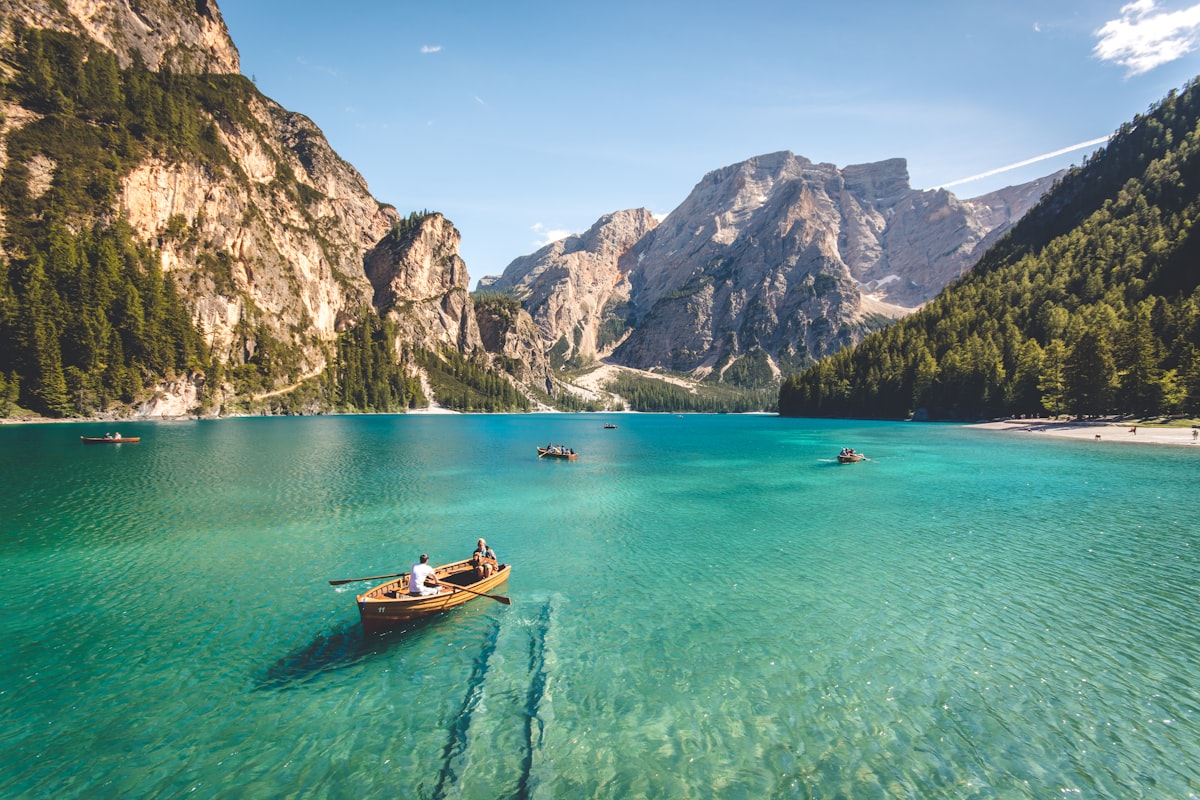
Is your well in Ocean Beach producing less water than it used to? Hydrofracturing (also called hydrofracking) could be the solution to restore and even improve your well's water production without the expense of drilling a new well.
📋 In This Guide
- What is Hydrofracturing?
- Signs Your Ocean Beach Well Needs Hydrofracturing
- The Hydrofracturing Process
- Cost vs. New Well Drilling in Ocean Beach
- Why Choose SCWS for Hydrofracturing?
- Related Articles
Southern California Well Service provides professional hydrofracturing services throughout Riverside County to help homeowners and property owners increase their well yield.
What is Hydrofracturing?
Hydrofracturing is a well rehabilitation technique that uses high-pressure water to clean and expand existing fractures in the bedrock surrounding your well. This process:
- Clears mineral deposits and sediment blocking water flow
- Opens new pathways for groundwater to reach your well
- Can increase well yield by 2-10 times in many cases
- Extends the life of your existing well
Unlike oil and gas fracking, well hydrofracturing uses only clean water—no chemicals are involved.
Signs Your Ocean Beach Well Needs Hydrofracturing
- Declining water production over time
- Well runs dry during peak usage
- Slow recovery rate after pumping
- Pump cycling on and off frequently
- Lower water pressure than previous years
The Hydrofracturing Process
- Initial Assessment: We evaluate your well's current yield and condition
- Equipment Setup: Specialized high-pressure equipment is positioned at your well
- Isolation: Packers seal off sections of the well for targeted treatment
- Pressurization: Water is pumped at 500-3,000 PSI to fracture bedrock
- Development: Well is cleaned and tested for improved yield
Cost vs. New Well Drilling in Ocean Beach
In Ocean Beach, drilling a new well can cost $15,000-$50,000+ depending on depth. Hydrofracturing typically costs a fraction of that—often $3,000-$8,000—making it an excellent first option before considering a new well.
Many Ocean Beach wells that appear to be "going dry" can be successfully rehabilitated through hydrofracturing, saving homeowners tens of thousands of dollars.
Why Choose SCWS for Hydrofracturing?
- Founded 2020 · 60+ Years Family Heritage: We've rehabilitated thousands of wells across Southern California
- Licensed C-57 Contractor. CSLB License #1086994. Fully licensed for well drilling and service in California
- Specialized Equipment: Professional-grade hydrofracturing equipment
- Free Estimates: We'll assess your well and provide honest recommendations
Need Help With Your Well in Ocean Beach?
Our expert technicians serve Ocean Beach and all of Riverside County with professional well services.
Related Articles
Continue learning about well maintenance and troubleshooting

Signs Your Well Pump Is Failing
Catch pump problems early before you lose water completely.
Low Water Pressure From Well
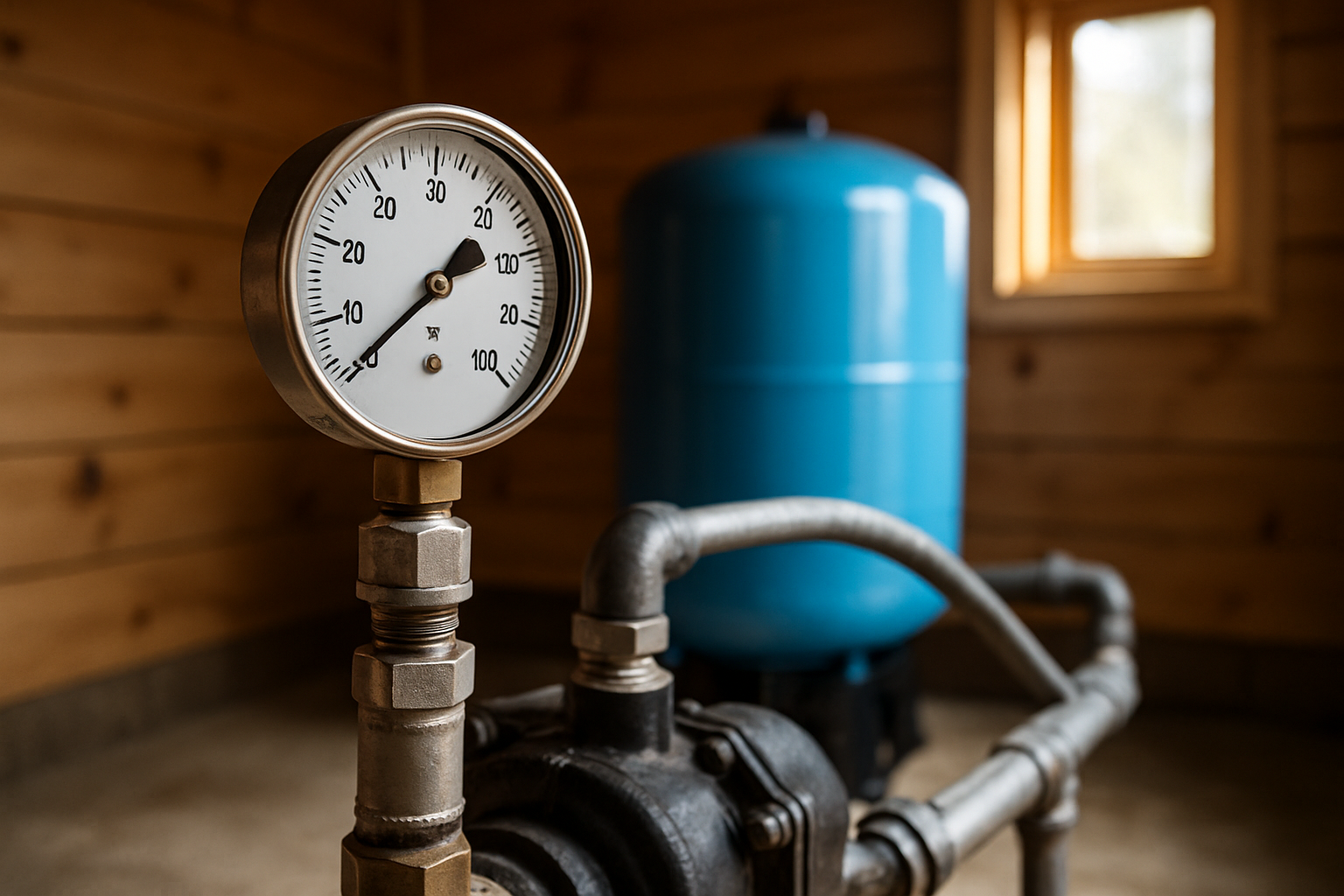
Diagnose and fix pressure problems before they get worse.
Well Maintenance Guide
Keep your well running smoothly with regular maintenance.
Our Locations
1077 Main St, Ramona, CA 92065
57174 CA-371 (US Hwy 79), Anza, CA 92539
Hydrofracturing in Ocean Beach: An Honest Overview
Ocean Beach — OB to locals — is a laid-back coastal neighborhood at the mouth of the San Diego River, part of the City of San Diego in San Diego County. It is also entirely on municipal water, with no private bedrock wells in the neighborhood. If hydrofracturing brought you here, the honest answer is that the technique does not apply to property within Ocean Beach itself. It becomes relevant only if you own a well on an inland or mountain property elsewhere in the county. Below, we explain the why and how, and how we can help.
Why Ocean Beach Is Not Hydrofracturing Country
Hydrofracturing rehabilitates bedrock wells by opening the natural fractures in solid crystalline rock. Ocean Beach offers none of what the method requires:
- Coastal sediment and soft marine rock. The area sits on beach sand, terrace deposits, and the soft sedimentary rock of the Point Loma peninsula — not the hard, fractured granite that fractures usefully.
- Brackish shallow groundwater. Near the coast and the river mouth, shallow water is salty and not a freshwater source you would develop.
- City water everywhere. Properties are served by the municipal system; private wells are not part of the picture.
We tell OB owners this directly rather than chase a treatment that cannot work.
How Hydrofracturing Works on a Real Candidate
Where there is genuine fractured bedrock, the process is straightforward and chemical-free. We seal off a section of the well's borehole with an inflatable packer, then inject clean water at high pressure — commonly 1,500 to 3,000 PSI. The pressurized water forces open the rock's natural hairline fractures, flushes out the silt and scale clogging them, and widens the connected network so groundwater flows to the well more freely. A typical job takes four to eight hours, and on a good candidate it can raise yield several times over.
Where San Diego County's Good Candidates Live
The wells worth treating are inland and uphill, in the foothill and mountain communities where homes and ranches draw from decomposed granite and fractured crystalline bedrock — areas such as Ramona, Julian, Alpine, Jamul, and the wider backcountry. If you split time between Ocean Beach and a rural property like that, the rural well may be a strong hydrofracturing candidate. That is where our well crews spend their days.
Signs a Bedrock Well Could Benefit
- A once-productive well whose yield has slipped over the years.
- A new bedrock well that came in lower than hoped.
- Slow recovery after heavy pumping.
- Running short in late summer and fall.
What to Check Before You Call (For an Inland Well)
- Confirm it is a private well rather than a shared or municipal connection.
- Locate the well completion report. Granite or fractured rock near the bottom is a good sign; all sand and gravel is not.
- Read the symptoms. Air spitting at the tap and slow recovery suggest the well; steady low pressure throughout the house suggests the pump or pressure tank.
- Check the equipment. A failing pump, waterlogged tank, or worn pressure switch can mimic a dying well far more cheaply.
When to Call a Professional
Reach out about any property where a well underperforms, whether you own it now or are considering buying. Our $125 diagnostic — credited toward any work — includes a flow assessment and, when useful, a downhole camera survey, followed by an honest recommendation: hydrofracture, deepen, replace, or simply repair. Same-day emergency service is available if you have lost water entirely.
Realistic Costs
For planning: hydrofracturing $3,000–$8,000; new turnkey well $18,000–$42,000; well pump $2,500–$5,500; pressure tank $600–$1,500; pressure switch $150–$350; sediment filtration $300–$900; iron/manganese treatment or softener $1,500–$3,500; constant-pressure or booster system $2,000–$4,500; decommissioning $1,500–$5,000.
Serving Ocean Beach and All of San Diego County
Southern California Well Service serves Ocean Beach residents and property owners across San Diego County, with our well work centered on the inland and mountain areas where private wells are common, from our offices in Ramona (1077 Main St, Ramona, CA 92065) and Anza (57174 CA-371 (US Hwy 79), Anza, CA 92539). We are a licensed C-57 water well contractor founded in 2020, with 60+ years of family heritage.
Coastal Geology at the River Mouth
Ocean Beach sits where the San Diego River meets the Pacific, beside the rocky Point Loma peninsula. The neighborhood's ground mixes beach and river sand with marine terrace deposits, and Point Loma itself is made of relatively soft sedimentary rock rather than the hard, fractured granite that hydrofracturing depends on. Shallow groundwater near the river mouth and shoreline is brackish, mingling with seawater. None of these materials fracture in a way that improves a well, and all of OB is on municipal supply besides. The honest conclusion is that there is no well here to enhance — which is exactly the kind of plain answer we would want if the roles were reversed.
The Backcountry Well Is the Real Subject
If hydrofracturing is on your mind as an OB resident, the well that matters is almost certainly somewhere inland. San Diego County's foothill and mountain communities — Ramona, Julian, Alpine, Jamul, Descanso, and beyond — sit on decomposed granite and fractured crystalline rock, and their wells are the ones that gain two to five times their flow from a well-targeted treatment. We bring our crews and equipment to those properties every week. If you own or are buying one, we can assess it on its own merits and tell you whether a treatment is likely to deliver.
Honest Screening Before Any Recommendation
We do not quote hydrofracturing blind. For an inland well, our $125 diagnostic — credited toward any work — starts with a baseline flow test and, where useful, a downhole camera survey to confirm the casing is sound and to locate the fracture zones worth targeting. If the well is in good rock and the problem really is silted fractures, we recommend treatment and document the before-and-after gain. If the trouble is a worn pump, a failing pressure switch, or a clogged screen, we tell you that instead, because those are far cheaper to fix and there is no reason to pressurize a well that does not need it.
Why the Honest Answer Comes First
It would be simple to schedule a job on any well a caller asks about. We would rather tell an OB owner the truth: the coastal ground here is sediment and soft marine rock on municipal water, with no private bedrock well for a treatment to help. That candor is the same standard we apply to the inland wells we do treat — we recommend hydrofracturing only when the rock is hard and fractured, the casing is sound, and the trouble truly comes from the formation. When a worn pump or clogged screen is the real culprit, we say so, because those fixes cost far less. Thirty-plus years have been built on exactly that kind of straight talk.
End-to-End Service Across San Diego County
For the backcountry well that is really on your mind, you only need one call. As a licensed C-57 water well contractor covering the whole county, Southern California Well Service evaluates the well, explains the options in plain terms, and carries out whatever it needs — treatment, deepening, replacement, or an equipment repair. Free estimates on quoted work and same-day emergency service are part of the deal.
Frequently Asked Questions
Is hydrofracturing relevant to Ocean Beach?
Not for properties in the neighborhood itself. Ocean Beach is a coastal community of the City of San Diego on municipal water, built on coastal sediments and the Point Loma area's marine rock rather than the fractured granite hydrofracturing needs. Private bedrock wells are not found here.
Why isn't coastal geology a fit for hydrofracturing?
The technique opens natural fractures in solid crystalline bedrock. Ocean Beach's coastal sand, terrace deposits, and soft marine sedimentary rock do not fracture usefully, and shallow groundwater near the coast is brackish.
When would an Ocean Beach owner need this service?
Only if you own a separate inland or mountain property in San Diego County where a private well draws from fractured bedrock. That is the right setting for hydrofracturing.
How does the process work?
On a bedrock well we seal off a section of the borehole and inject clean water at high pressure to clear and widen the rock's natural fractures, boosting flow. Water only, no chemicals, about four to eight hours.
What are the costs?
Hydrofracturing runs $3,000–$8,000 where it applies; a new turnkey well $18,000–$42,000. Our diagnostic is $125, credited toward any work booked.
Do you cover the whole county?
Yes — all of San Diego County, with our well work focused on the inland and mountain areas where private wells exist.
Own a Well Beyond Ocean Beach? Call Us.
If you live in OB but own a well on an inland or mountain property, Southern California Well Service will tell you honestly whether hydrofracturing can boost its yield. Call (760) 440-8520 or text (760) 219-5877 today.