
Hydrofracturing Well Services in Old Town, CA
Is your well in Old Town producing less water than it used to? Hydrofracturing (also called hydrofracking) could be the solution to restore and even improve your well's water production without the expense of drilling a new well.
📋 In This Guide
- What is Hydrofracturing?
- Signs Your Old Town Well Needs Hydrofracturing
- The Hydrofracturing Process
- Cost vs. New Well Drilling in Old Town
- Why Choose SCWS for Hydrofracturing?
- Related Articles
Southern California Well Service provides professional hydrofracturing services throughout San Diego County to help homeowners and property owners increase their well yield.
What is Hydrofracturing?
Hydrofracturing is a well rehabilitation technique that uses high-pressure water to clean and expand existing fractures in the bedrock surrounding your well. This process:
- Clears mineral deposits and sediment blocking water flow
- Opens new pathways for groundwater to reach your well
- Can increase well yield by 2-10 times in many cases
- Extends the life of your existing well
Unlike oil and gas fracking, well hydrofracturing uses only clean water—no chemicals are involved.
Signs Your Old Town Well Needs Hydrofracturing
- Declining water production over time
- Well runs dry during peak usage
- Slow recovery rate after pumping
- Pump cycling on and off frequently
- Lower water pressure than previous years
The Hydrofracturing Process
- Initial Assessment: We evaluate your well's current yield and condition
- Equipment Setup: Specialized high-pressure equipment is positioned at your well
- Isolation: Packers seal off sections of the well for targeted treatment
- Pressurization: Water is pumped at 500-3,000 PSI to fracture bedrock
- Development: Well is cleaned and tested for improved yield
Cost vs. New Well Drilling in Old Town
In Old Town, drilling a new well can cost $15,000-$50,000+ depending on depth. Hydrofracturing typically costs a fraction of that—often $3,000-$8,000—making it an excellent first option before considering a new well.
Many Old Town wells that appear to be "going dry" can be successfully rehabilitated through hydrofracturing, saving homeowners tens of thousands of dollars.
Why Choose SCWS for Hydrofracturing?
- Founded 2020 · 60+ Years Family Heritage: We've rehabilitated thousands of wells across Southern California
- Licensed C-57 Contractor. CSLB License #1086994. Fully licensed for well drilling and service in California
- Specialized Equipment: Professional-grade hydrofracturing equipment
- Free Estimates: We'll assess your well and provide honest recommendations
Need Help With Your Well in Old Town?
Our expert technicians serve Old Town and all of San Diego County with professional well services.
Related Articles
Continue learning about well maintenance and troubleshooting

Signs Your Well Pump Is Failing
Catch pump problems early before you lose water completely.
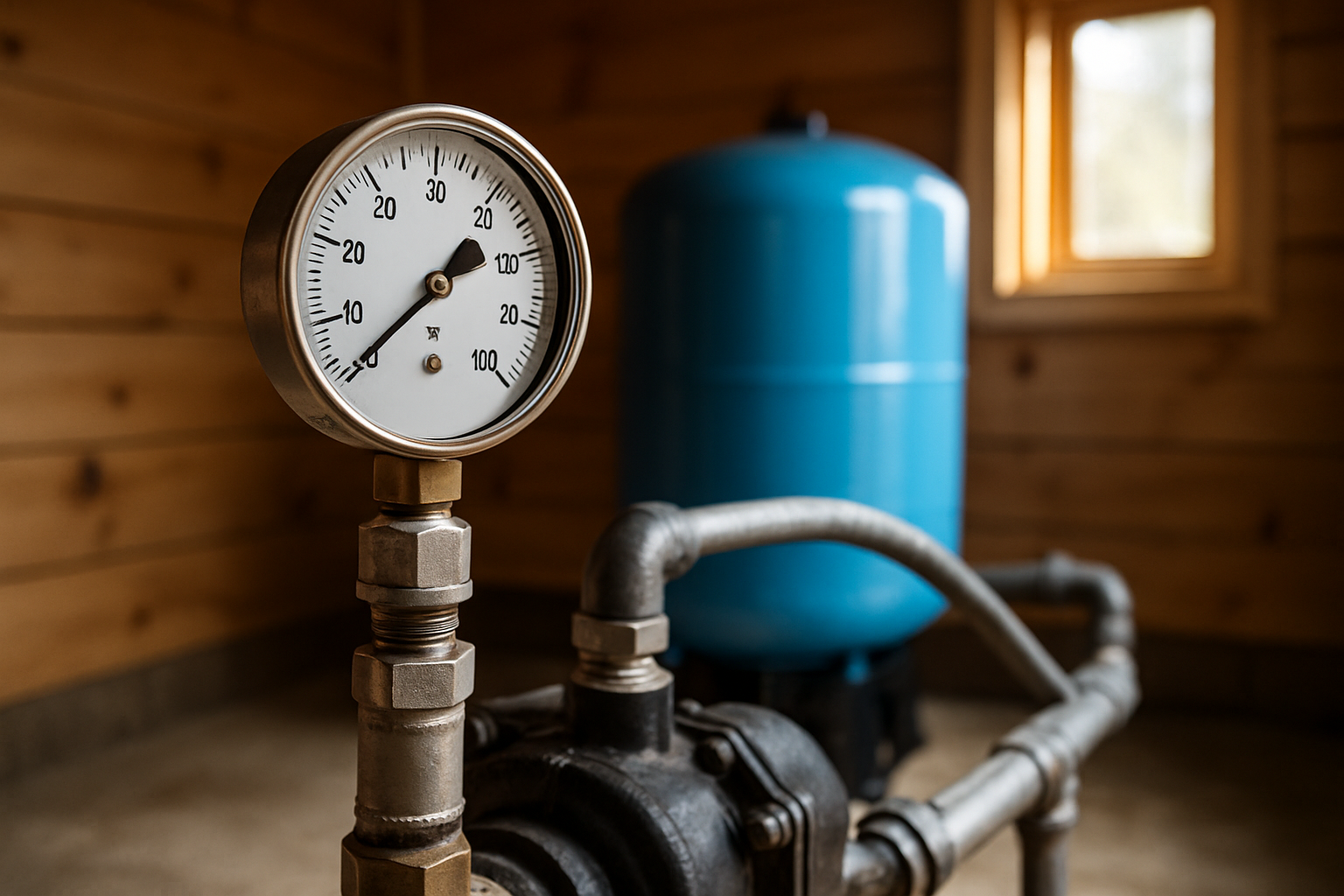
Low Water Pressure From Well
Diagnose and fix pressure problems before they get worse.
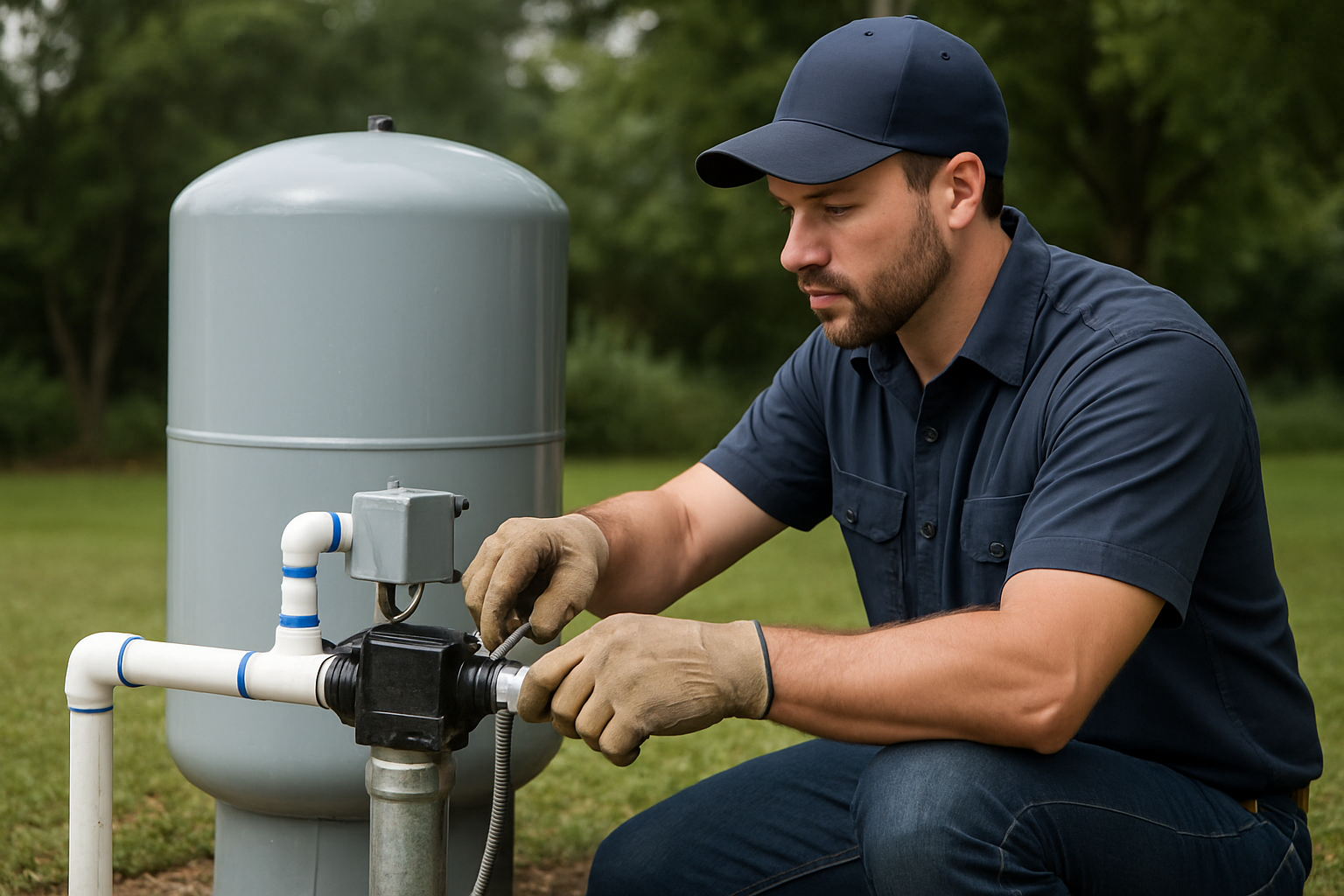
Well Maintenance Guide
Keep your well running smoothly with regular maintenance.
Our Locations
1077 Main St, Ramona, CA 92065
57174 CA-371 (US Hwy 79), Anza, CA 92539
Hydrofracturing and Old Town San Diego: The Honest Picture
Old Town is where California's story begins — the site of the first Spanish settlement on the West Coast, clustered below Presidio Hill where the San Diego River meets Mission Valley. Today it is a historic district of adobe-era landmarks, restaurants, and tourist plazas hemmed in by Interstate 5, Interstate 8, and the trolley line. It is also, like every neighborhood in the urban San Diego core, served entirely by municipal water through the City of San Diego Public Utilities Department. If you came looking to hydrofracture a well in Old Town, the truthful answer is that there is essentially no private well here to treat.
We will always tell you that up front. Hydrofracturing is a legitimate, valuable technique — but only for wells drilled into bedrock, and only out where homes actually run on groundwater. Old Town is neither. Below, we explain why, describe what hydrofracturing really does, and point you to the places in San Diego County where it earns its reputation.
Why Old Town Is the Wrong Setting for Hydrofracturing
Start with the obvious: there are no domestic wells in Old Town. Homes, shops, and the state historic park all draw from the city distribution system, a blend of imported Colorado River and State Water Project water and treated local supply. There is no borehole on a typical Old Town parcel to inject anything into.
Then there is the ground. Old Town sits low, where the San Diego River valley opens toward the bay, on river alluvium and the lower flanks of the surrounding mesas — soft sediments, sand, and gravel. That is the opposite of the hard, fractured crystalline rock that hydrofracturing was built for. You cannot widen fractures in loose river fill because there are none to widen. So even in some hypothetical case where a property had a legacy well, the formation here would not respond to high-pressure injection the way mountain granite does.
What Hydrofracturing Actually Does
For context, here is the real process. A crew lowers an inflatable packer into a bedrock well and seals off a section of the borehole. Clean water — no chemicals — is then injected into that isolated zone at roughly 1,000 to 3,000 PSI. The pressure scours silt and mineral scale out of the rock's natural fractures and widens those seams so groundwater flows into the well more freely. On a good fractured-rock candidate, the result is often two to five times the original yield. It is a precise, established rehabilitation method — for rock wells, which Old Town does not have.
Where Hydrofracturing Belongs in San Diego County
The wells we treat are out in the county's backcountry, where private groundwater is the norm and the bedrock is granite. Ramona, Julian, Santa Ysabel, Lakeside, Alpine, Jamul, and Descanso all sit on the San Diego batholith — the fractured crystalline rock that forms the Cuyamaca and Laguna mountains. Those wells depend on the fractures they intersect, and when production fades, hydrofracturing is frequently the most economical rescue. If that describes your property, you have found the right company; you are simply researching under the wrong place name.
Common Causes of Low Yield on Backcountry Wells
- Fracture fouling — silt, clay, and mineral scale slowly seal the cracks feeding a granite well.
- Drought drawdown — dry winters lower the regional water table and shallow seams go dry.
- A marginal borehole — some wells never tapped a rich fracture network and underperformed from day one.
- Decomposed-granite infill — loose “DG” sloughs into the hole and chokes the producing section.
What to Check (If You Do Have a Well)
- Confirm you are on a private well — in Old Town itself, you are on city water without question.
- For a rural parcel, pull the well completion report: depth, static level, and reported yield reveal whether it is a hydrofrac candidate.
- Check the pressure switch and the pressure tank's air charge — a $150–$350 switch or a waterlogged tank often imitates a weak well.
- Note whether the decline was gradual (rehabilitation territory) or sudden (likely a pump or controls fault).
When to Call a Professional
If you own a backcountry well that is slowing down, call before you commit to drilling new. We start with a $125 diagnostic (credited toward any work) including a flow test and, where useful, a downhole camera survey, then tell you honestly whether hydrofracturing will help or whether a deeper pump, treatment, or a new well is wiser. And if you are an Old Town property owner with a pressure or water-quality question on city water, we are glad to steer you to the right plumbing or treatment fix.
A Note on Old Town and the San Diego River
There is real history of groundwater in this corner of San Diego. The Spanish chose Presidio Hill in 1769 in part because the San Diego River ran nearby, and for generations the river and shallow hand-dug wells supplied the early settlement. But that era ended more than a century ago. As San Diego grew, the river was channelized, the floodplain was paved over for freeways and the trolley, and the city built out the imported-water system that supplies the region today. The shallow river-valley water that once served Old Town is neither potable on demand nor accessible from a modern lot — and it was never the deep fractured bedrock that hydrofracturing targets. The romance of old wells here is genuine, but it belongs to the museum, not to a present-day well-service plan.
We mention this because customers occasionally assume that a historically watery spot must be a candidate for well work. The opposite is often true: low river-valley ground with high, brackish, sediment-laden shallow water is one of the least suitable settings for a productive bedrock well. The fracturable rock lies inland and uphill, where the backcountry communities sit.
How We Can Help an Old Town Property
Even with no well to service, there is plenty we can do for an Old Town home or business on city water. The complaints we hear most from urban San Diego are hard-water scale, chlorine taste, and inconsistent pressure — each solved at the building, not underground. A point-of-entry sediment filter, a softener, or a carbon system can sharply improve municipal tap water, and a quick pressure-regulator check usually resolves flow issues. We are glad to give that guidance even though it is not well work. And if you own — or are buying — a backcountry parcel with a true well, you will already know the team to call when its yield needs attention.
Realistic Cost Ranges
- Diagnostic visit: $125, credited toward the work
- Pressure switch: $150–$350
- Pressure tank: $600–$1,500
- Sediment filtration: $300–$900
- Iron / manganese filter or softener: $1,500–$3,500
- Constant-pressure / booster system: $2,000–$4,500
- Pump replacement: $2,500–$5,500
- Hydrofracturing (bedrock wells only): $3,000–$8,000
- New well, turnkey: $18,000–$42,000
- Well abandonment / decommissioning: $1,500–$5,000
Our San Diego County Service Area
Southern California Well Service operates from our Ramona office at 1077 Main St, Ramona, CA 92065, and our Anza office at 57174 CA-371 (US Hwy 79), Anza, CA 92539. From Ramona we serve the San Diego County backcountry — Ramona, Julian, Santa Ysabel, Lakeside, Alpine, Jamul, and Descanso — where private wells are standard. While Old Town runs on city water, we are happy to advise any San Diego resident on water quality and pressure, and to handle real well work the moment a property sits on a private well.
Frequently Asked Questions
Are there water wells in Old Town San Diego?
No. Old Town is a historic urban district served entirely by City of San Diego municipal water. There are effectively no private domestic wells here to hydrofracture.
Then why does this page exist?
Because many people researching hydrofracturing in San Diego actually own a well elsewhere in the county. This page explains why the technique does not apply to a low-lying river-valley district and where it does help.
Can hydrofracturing improve my Old Town water pressure?
No. On municipal water, pressure is a plumbing or regulator matter, not a well one. Hydrofracturing only affects bedrock wells. We can refer you to the right plumbing or treatment solution instead.
Where would hydrofracturing actually help me?
On a fractured-rock well in the backcountry — Ramona, Julian, Alpine, and similar areas. There it can multiply a fading well's yield far more cheaply than drilling a new well.
What does hydrofracturing cost?
Typically $3,000 to $8,000 for a qualifying bedrock well, versus $18,000 to $42,000 for a new well. It applies only where there is a rock well to treat.
Is hydrofracturing safe?
Yes — clean water only, no chemicals, and no harm to the casing when a licensed C-57 contractor performs it. It is simply not applicable to a municipally served address like Old Town.
Talk to a Real Well Expert
Whether you own a fading well in the San Diego County backcountry or just want honest answers about water at your Old Town property, Southern California Well Service is here to help. We are a licensed C-57 contractor founded in 2020, with 60+ years of family heritage same-day emergency service. Call (760) 440-8520 or text (760) 219-5877.